How Much Caffeine Is In Coffee Beans and Why It Matters
How much caffeine is in coffee beans? On average, a single coffee bean contains about 6 milligrams of caffeine, but the exact amount depends on the bean variety, roast level, and brewing method. Understanding caffeine content in coffee beans helps you make informed choices about your daily coffee consumption and manage your caffeine intake effectively.
Coffee is one of the most popular drinks on the planet. Billions of people reach for a cup every single morning. But have you ever stopped and wondered about the actual caffeine content in coffee beans before that brew hits your lips? The truth is, not all coffee beans are created equal when it comes to caffeine. Some packs a powerful punch, while others deliver a gentler kick.
Understanding how much caffeine is in coffee beans is more than just a fun fact. It actually matters for your daily energy, your sleep quality, and even your health. Whether you are a casual sipper or a coffee fanatic who drinks five cups a day, knowing what is inside your beans gives you real power. You get to choose what works best for your body and your lifestyle.
In this deep dive, we are going to break down everything you need to know. We will explore the different types of coffee beans, look at how roasting changes caffeine levels, and compare caffeine across brewing methods. By the end, you will be a smarter coffee drinker. You will know exactly what to look for on that bag of beans and why it all makes a difference.
Key Takeaways
- Robusta beans contain nearly double the caffeine of arabica beans, making them the stronger choice for caffeine lovers.
- Roasting does not significantly destroy caffeine, though dark roasts weigh less, which can slightly alter per-measurement caffeine levels.
- A single coffee bean holds roughly 6 milligrams of caffeine, but whole beans and ground coffee vary in concentration.
- Brewing method matters greatly, with espresso packing more caffeine per ounce while drip coffee delivers more per full cup.
- Knowing your bean type and roast helps you control caffeine intake for better health and sleep quality.
- Caffeine in coffee beans offers real benefits like improved focus and energy, but overconsumption can cause jitters and anxiety.
📑 Table of Contents
- What Is Caffeine and How Does It Get Into Coffee Beans?
- Caffeine Content: Arabica vs Robusta Beans
- How Roasting Affects Caffeine Levels in Coffee Beans
- Caffeine Per Bean: The Numbers
- How Brewing Method Affects Caffeine in Your Cup
- Why Caffeine Content in Coffee Beans Matters
- How to Control Your Caffeine Intake from Coffee Beans
- Final Thoughts
What Is Caffeine and How Does It Get Into Coffee Beans?
Caffeine is a natural stimulant. It belongs to a group of compounds called methylxanthines. Plants produce caffeine as a natural defense mechanism. It helps protect the plant from insects and pests. In coffee plants, caffeine develops inside the cherry and the bean itself during the growing process.
The caffeine content in coffee beans starts forming early. Coffee plants grow in tropical regions around the world. Countries like Brazil, Colombia, Ethiopia, and Vietnam produce the most beans globally. The altitude, soil, and climate where the beans grow all influence how much caffeine develops. Beans grown at higher altitudes tend to develop more complex flavors, but the caffeine levels depend more on the species than the geography.
When you eat a coffee bean or brew it into coffee, you consume that stored caffeine. The amount you get depends on several factors. These include the bean species, the roast level, the grind size, and the brewing method. Each step in the journey from plant to cup plays a role in the final caffeine amount. Even the way you store your beans can affect freshness, though not caffeine content directly.
Caffeine Content: Arabica vs Robusta Beans
The two most common coffee bean types are arabica and robusta. They are very different in flavor, but they are also very different in caffeine. If you want to understand how much caffeine is in coffee beans, you need to start here.
Arabica Beans: The Smooth Choice
Arabica beans are the most popular type worldwide. They account for roughly 60 to 70 percent of global coffee production. Arabica beans are known for their smooth, complex flavor profiles. They often have notes of fruit, sugar, and florals. Many specialty coffee shops prefer arabica because of its refined taste.
When it comes to caffeine, arabica beans contain less. On average, arabica beans have about 1.2 to 1.5 percent caffeine by weight. That means a single arabica bean holds roughly 6 milligrams of caffeine. If you are someone who drinks coffee for the taste and the mild lift, arabica is probably your go-to.
Robusta Beans: The Stronger Option
Robusta beans are the second most common type. They make up about 30 to 40 percent of global production. Robusta beans have a harsher, more bitter flavor compared to arabica. They also contain significantly more caffeine. In fact, robusta beans have about 2.2 to 2.7 percent caffeine by weight.
This means robusta beans pack nearly double the caffeine of arabica beans. A single robusta bean can contain around 10 to 12 milligrams of caffeine. Some people prefer robusta for its stronger kick. Others use it in espresso blends because the extra caffeine and natural crema production add body and intensity.
| Feature | Arabica | Robusta |
|---|---|---|
| Caffeine by Weight | 1.2 – 1.5% | 2.2 – 2.7% |
| Caffeine Per Bean | ~6 mg | ~10 – 12 mg |
| Flavor Profile | Smooth, sweet, complex | Bitter, harsh, earthy |
| Global Production | ~60-70% | ~30-40% |
| Growing Altitude | Higher altitudes | Lower altitudes |
| Price | More expensive | Less expensive |
If you are shopping for beans and watching your caffeine intake, always check the label. Some blends mix arabica and robusta together. This can make the caffeine level harder to predict. Knowing which type you are buying helps you control your daily caffeine consumption much more easily.
How Roasting Affects Caffeine Levels in Coffee Beans
One of the most common questions coffee lovers ask is whether roasting changes caffeine. The answer is more nuanced than you might think. Let us break it down clearly.
Light Roast vs Dark Roast Caffeine
Many people believe dark roast coffee has more caffeine. Others think light roast is stronger. The truth lies somewhere in between. When you roast coffee beans, the heat does not significantly destroy caffeine. Caffeine is a very stable compound. It can survive high temperatures without breaking down easily.
However, roasting does change the weight and density of the beans. Dark roasts are roasted longer, which causes them to lose more moisture and weight. A dark roast bean is lighter and more brittle than a light roast bean. This difference matters when you measure your coffee.
If you measure your beans by weight, a dark roast actually gives you slightly more beans per scoop. And more beans means slightly more caffeine. If you measure by volume, like using a scoop, the results are similar. But here is the key point: the difference in caffeine between light and dark roast is very small. It is not as dramatic as many people believe.
Does Roasting Destroy Caffeine?
No, not really. Studies show that caffeine remains largely intact through the roasting process. Even at temperatures above 400 degrees Fahrenheit, caffeine holds up well. The bean may change color, lose moisture, and develop new flavor compounds, but the caffeine molecule stays strong.
This is good news for coffee lovers. It means your favorite roast style does not strip away the caffeine you rely on. Whether you prefer a bright, acidic light roast or a bold, smoky dark roast, the caffeine content per bean stays relatively stable. The real differences come from the bean type and how you brew it.
Some people who roast their own beans at home notice that the beans smell incredible during the process. If you are curious about home roasting, the techniques are similar to roasting nuts like almonds in a home oven. Just remember that green coffee beans need proper ventilation and careful temperature control for the best results.
Caffeine Per Bean: The Numbers
So exactly how much caffeine is in a single coffee bean? Let us get specific. On average, a roasted arabica bean contains about 6 milligrams of caffeine. A robusta bean contains roughly 10 to 12 milligrams. These numbers are based on a single whole bean after roasting.
Now, what does that mean in practical terms? A typical cup of brewed coffee uses about 10 grams of ground coffee. That is roughly 160 to 200 whole beans, depending on the size and roast. Multiply that by 6 to 12 milligrams per bean, and you get a cup with about 95 to 200 milligrams of caffeine. This range depends heavily on the bean type, roast, and brewing method.
For reference, the FDA recommends up to 400 milligrams of caffeine per day for most healthy adults. That is roughly four standard cups of brewed coffee. But if you drink espresso or strong brews, you might hit that limit faster. Tracking your caffeine intake from coffee beans becomes easier once you understand these baseline numbers.
Some people also enjoy eating coffee beans directly. Chocolate-covered coffee beans are a popular snack. Each bean delivers a small dose of caffeine. Eating a handful of 10 beans gives you roughly 60 to 120 milligrams, depending on whether they are arabica or robusta. This is a quick and tasty way to get a caffeine boost without brewing a full cup.
How Brewing Method Affects Caffeine in Your Cup
The bean itself is only part of the equation. How you brew your coffee has a huge impact on the caffeine you actually consume. Different methods extract caffeine at different rates and in different amounts.
Drip Coffee vs Espresso Caffeine
Drip coffee and espresso are the two most popular brewing methods, and they produce very different caffeine profiles. A standard 8-ounce cup of drip coffee contains about 80 to 100 milligrams of caffeine. This is a moderate amount that many people enjoy throughout the morning.
Espresso is different. A single shot of espresso is only about 1 ounce, but it contains roughly 63 milligrams of caffeine. That means espresso is much more concentrated per ounce. If you drink a double shot, you are looking at about 126 milligrams. The key difference is volume. You drink a small amount of espresso quickly, while a drip coffee cup is larger and sipped over time.
If you love making coffee at home, keeping your equipment clean matters for flavor and performance. Regularly maintaining your machine, like knowing how to decalcify a Keurig coffee maker, ensures you get the best extraction and consistent flavor every time.
Cold Brew and Other Methods
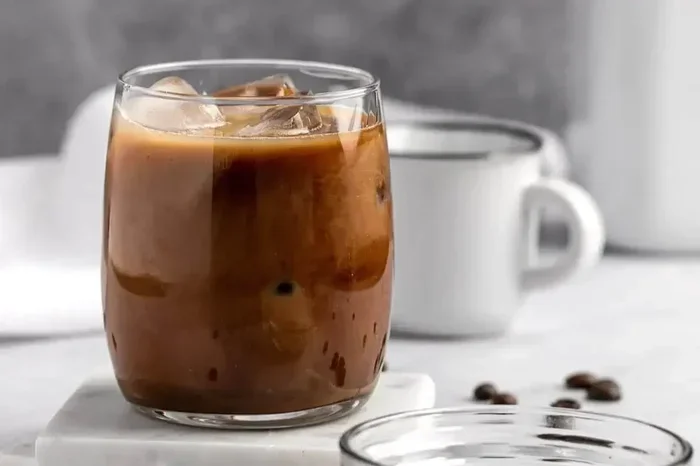
Cold brew coffee is another popular option. It uses time instead of heat to extract flavor and caffeine. Cold brew is typically steeped for 12 to 24 hours, which results in a highly concentrated extract. A standard cold brew serving can contain 100 to 200 milligrams of caffeine per cup, sometimes even more.
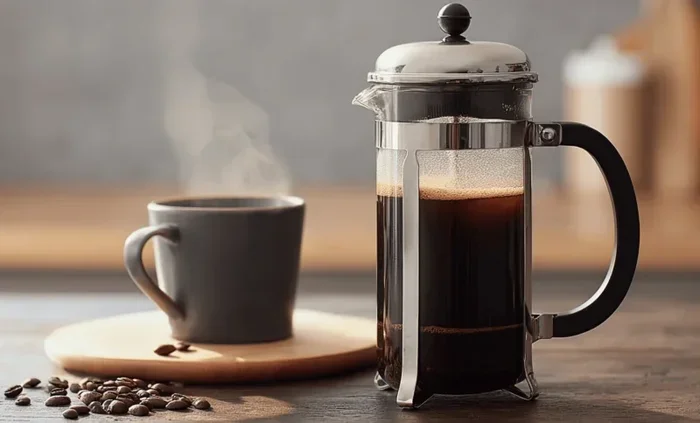
Other methods like French press, pour-over, and AeroPress also extract caffeine differently. The grind size, water temperature, and brew time all play a role. Finer grinds and hotter water generally extract more caffeine. But the differences between methods are usually modest compared to the differences between bean types.
If you enjoy iced coffee drinks, many café versions are brewed strong and then diluted with ice and milk. Making your own iced coffee at home gives you full control over caffeine levels. You can experiment with different beans and brewing ratios to find your perfect balance.
Why Caffeine Content in Coffee Beans Matters
Now that we have covered the numbers, let us talk about why this all matters. Caffeine is not just a chemical in your coffee. It is a powerful compound that affects your body and mind in real ways.
Health Benefits of Caffeine
Caffeine has been studied extensively, and the research shows several benefits. Moderate caffeine consumption can improve mental alertness and focus. It boosts physical performance by increasing adrenaline levels. Many athletes use caffeine before workouts for this reason.
Caffeine may also offer long-term health benefits. Some studies suggest it supports liver health and reduces the risk of certain diseases. It can improve mood and reduce feelings of fatigue. Coffee beans are one of the most common natural sources of caffeine in the world, and for many people, they are the primary source of antioxidants in the diet.
Caffeine Sensitivity and Side Effects
On the other hand, too much caffeine can cause problems. Some people are more sensitive to caffeine than others. Common side effects include jitteriness, anxiety, rapid heartbeat, and insomnia. If you drink coffee late in the day, the caffeine can disrupt your sleep quality significantly.
Genetics play a big role in how your body processes caffeine. Some people are fast metabolizers and can drink coffee anytime without issues. Others are slow metabolizers and feel the effects for hours. Understanding your own sensitivity helps you choose the right beans and the right amount.
If you are sensitive to caffeine, switching to decaf coffee beans is an option. Decaf beans still contain a small amount of caffeine, usually 1 to 3 milligrams per bean. But the reduction is dramatic compared to regular beans. Decaf lets you enjoy the flavor of coffee without the strong stimulant effects.
How to Control Your Caffeine Intake from Coffee Beans
Knowing how much caffeine is in your beans is only useful if you can actually control how much you consume. Here are some practical tips to help you manage your intake.
Choosing the Right Beans
The first step is choosing the right beans for your needs. If you want less caffeine, go with arabica beans. They naturally contain less caffeine than robusta. If you want more energy and a stronger brew, robusta or a robusta-heavy blend is your best bet.
Also pay attention to the roast level. As we discussed, the roast itself does not change caffeine much. But the bean origin and species do. Look for single-origin beans on the label, which often list the species and caffeine-related details more clearly than blends.
Tips for Managing Caffeine Levels
- Measure your beans by weight instead of volume for more consistent caffeine levels across brews.
- Switch to decaf in the afternoon or evening to enjoy coffee flavor without affecting your sleep.
- Try half-caf blends that mix regular and decaf beans for a balanced caffeine experience.
- Track your daily intake by noting how many cups you drink and what beans you use.
- Experiment with brewing time since longer extraction pulls more caffeine from the grounds.
- Stay hydrated because caffeine has mild diuretic effects that can dehydrate you if you do not drink enough water.
If you enjoy flavored coffee drinks, many café beverages can hide a lot of caffeine. A large iced coffee from a popular chain might contain more caffeine than you expect. Making drinks like your own Dunkin iced coffee at home gives you full control over the beans, the strength, and the caffeine content.
The bottom line is that how much caffeine is in coffee beans is not a one-size-fits-all answer. It depends on the bean type, the roast, the grind, and the brew method. But once you understand these factors, you can confidently craft your perfect cup. You can enjoy coffee exactly the way you want it.
Final Thoughts
Coffee beans are fascinating little packages of flavor and energy. The caffeine they contain varies based on many factors, but the science is clear and accessible. Whether you prefer the smooth elegance of arabica or the bold punch of robusta, there is a bean out there that fits your preferences and your caffeine needs.
Roasting, brewing, and choosing the right beans all play a role in what ends up in your cup. The good news is that you now have the knowledge to make informed choices. You can adjust your coffee habits with confidence. You know what to look for, what to avoid, and how to get exactly the caffeine level you want.
So next time you hold a bag of coffee beans, think about the journey they have been on. From the coffee plant to the roasting drum to your morning cup, every step matters. And now, you understand the caffeine story behind every single bean. Enjoy your coffee, sip by sip, with a whole new appreciation for what is inside.
Frequently Asked Questions
How much caffeine is in a single coffee bean?
On average, a single roasted arabica bean contains about 6 milligrams of caffeine. A robusta bean contains roughly 10 to 12 milligrams. The exact amount varies based on the bean variety and roast level.
Does dark roast coffee have more caffeine than light roast?
No, the difference is minimal. Caffeine is stable during roasting and does not break down significantly. Dark roasts weigh less per bean, so by volume you might get slightly more caffeine, but the difference is very small.
Which has more caffeine, arabica or robusta beans?
Robusta beans contain nearly double the caffeine of arabica beans. Robusta has about 2.2 to 2.7 percent caffeine by weight, while arabica has 1.2 to 1.5 percent.
How can I reduce caffeine in my coffee?
You can switch to arabica beans, choose a lighter roast, use less coffee per brew, or switch to decaf beans. Cold brewing for shorter periods also extracts slightly less caffeine than hot brewing.
Is it safe to eat coffee beans directly?
Yes, eating coffee beans is safe in moderation. Each bean delivers a small dose of caffeine. A handful of 10 beans provides about 60 to 120 milligrams, which is similar to a small cup of coffee. Just be mindful of your total daily intake.
How much caffeine is too much per day?
The FDA recommends up to 400 milligrams of caffeine per day for most healthy adults. This is roughly four standard cups of brewed coffee. Pregnant women and those sensitive to caffeine should consult a doctor for personalized guidance.