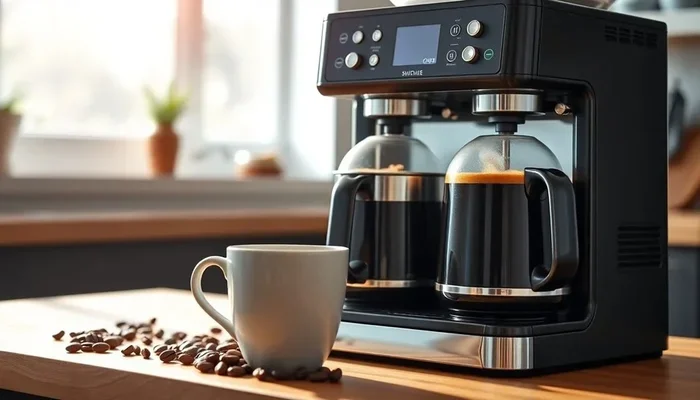
How To Brew Coffee Using Coffee Maker At Home Today
Brewing coffee with a coffee maker at home is simple, fast, and rewarding. This guide walks you through every step of the coffee brewing process, from choosing the right coffee grounds to enjoying a perfect cup of fresh coffee. Whether you use a drip coffee maker or a single serve coffee maker, you will find practical tips to elevate your morning coffee routine.
There is something magical about starting your day with a fresh cup of coffee brewed right in your own kitchen. Brewing coffee using a coffee maker at home is one of the simplest ways to enjoy a delicious morning ritual without leaving your house. Whether you are a seasoned coffee lover or just starting out, learning how to brew coffee the right way can completely transform your daily routine.
The coffee brewing process is easier than most people think. You do not need expensive equipment or years of experience. With the right coffee maker machine, quality coffee grounds, and a few simple tips, you can make a perfect cup of coffee every single morning. This guide covers everything you need to know about brewing coffee at home, from choosing your machine to mastering the brew cycle.
Inside this article, you will find clear step-by-step instructions, practical tips, and common mistakes to avoid. We will walk you through the entire coffee brewing journey so you can enjoy fresh coffee that tastes great every time. Let us dive in and explore how to brew coffee using a coffee maker like a pro.
Key Takeaways
- Choose Quality Coffee Grounds: Fresh, properly ground beans make the best coffee at home.
- Use Filtered Water: The water you use directly impacts the taste of your brew.
- Follow The Right Coffee-to-Water Ratio: This ensures consistent coffee strength every time.
- Maintain Your Coffee Maker: Regular cleaning and decalcifying keep your machine running well.
- Master The Brew Cycle: Understanding your machine settings helps you brew coffee perfectly.
- Experiment With Temperature: The right water temperature brings out the best flavors in your coffee.
📑 Table of Contents
Understanding Your Coffee Maker Machine
Before you start brewing, it helps to understand the machine you are using. Different types of coffee makers work in different ways, and knowing your machine is the first step toward brewing great coffee at home.
Types of Coffee Makers You Can Use at Home
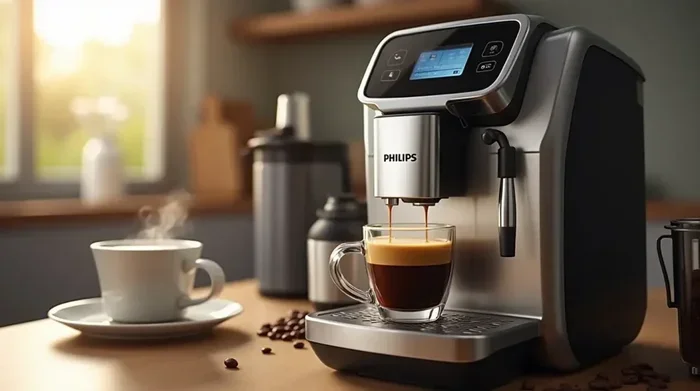
There are several kinds of coffee maker machines available for home use. The most common type is the drip coffee maker. This is the classic machine that sits on your counter and drips hot water over coffee grounds into a coffee pot below. It is simple, reliable, and perfect for making multiple cups at once.
Another popular option is the single serve coffee maker. Machines like Keurig brewers use pods or capsules to make one cup at a time. They are incredibly convenient if you only need one morning coffee. You do not have to worry about measuring grounds or cleaning a full coffee pot.
Some people prefer a pour-over coffee maker or a French press. These methods give you more control over the coffee brewing process. They take a little more effort but can produce an excellent cup of coffee with rich flavor and full body.
How a Drip Coffee Maker Works
A drip coffee maker works by heating water in the water reservoir and then dripping it through a coffee filter filled with coffee grounds. The hot water passes through the grounds, extracting flavors and oils. The brewed coffee then drips down into the coffee pot below.
This coffee brewing process is straightforward but depends on a few key factors. The grind size of your coffee grounds, the water temperature, and the brew cycle all play a role in the final taste. Understanding these basics will help you make better coffee every time you use your coffee maker.
The Coffee Brewing Process Step by Step
Now that you understand your machine, let us walk through the actual coffee brewing process. Follow these steps to get the best results from your coffee maker at home.
Step 1: Measure Your Coffee Grounds
The first step in brewing great coffee is measuring your coffee grounds correctly. A good rule of thumb is to use about two tablespoons of coffee grounds for every six ounces of water. This ratio gives you a balanced cup of coffee that is not too weak and not too strong.
If you prefer a stronger morning coffee, you can add a little more grounds. Just be careful not to add too much. Too many coffee grounds can clog your machine and make the brew taste bitter. Start with the standard ratio and adjust to your personal taste over time.
Step 2: Get the Water Right
Water makes up more than 98 percent of your cup of coffee. That means the quality of your water matters a lot. Always use clean, fresh water for the best results. Filtered water is ideal because it removes impurities that can affect the taste of your brew.
Avoid using distilled water, as it can taste flat and lifeless. The minerals in filtered water actually help bring out the flavors in your coffee grounds. Fill the water reservoir with cold water before you start the brew cycle.
Step 3: Run The Brew Cycle
Once your coffee grounds are in the filter and the water reservoir is filled, you are ready to start the brew cycle. Place a clean coffee filter in the basket, add your measured coffee grounds, and close the lid.
Press the start button and let the machine do its work. A standard brew cycle takes about five to ten minutes. During this time, the hot water passes through the coffee grounds and drips into the coffee pot. Resist the urge to open the lid or interrupt the process. Letting the brew cycle run smoothly ensures the best extraction and the richest flavor.
Tips for Brewing the Perfect Cup of Coffee at Home
Making a perfect cup of coffee at home is about more than just pressing a button. A few extra steps can make a huge difference in taste and quality.
The Right Coffee-to-Water Ratio
The coffee-to-water ratio is one of the most important factors in brewing great coffee. Too much water and your coffee will taste weak. Too little water and it will be overly strong and bitter.
For a standard drip coffee maker, stick with two tablespoons of coffee grounds per six ounces of water. If you are using a single serve coffee maker, follow the instructions that come with your pod or capsule. Adjusting this ratio is the easiest way to customize your coffee strength to match your personal preference.
Water Temperature Matters
The coffee temperature during brewing plays a big role in flavor extraction. Water that is too hot can burn the coffee grounds and create a bitter taste. Water that is too cool will not extract enough flavor, leaving you with a weak and flat cup of coffee.
The ideal water temperature for brewing coffee is between 195 and 205 degrees Fahrenheit. Most quality coffee maker machines heat water to this range automatically. If your machine does not have temperature controls, using fresh cold water and letting the machine heat it properly should give you good results.
Use Filtered Water for Better Taste
We cannot stress this enough: use filtered water. The taste of your morning coffee is directly affected by the water you put into your machine. Tap water can contain chlorine, minerals, and other impurities that alter the flavor of your brew.
Filtered water gives you a clean, neutral base that lets the natural flavors of your coffee grounds shine through. It is a small change that makes a big difference. Your coffee will taste smoother, cleaner, and more balanced when you use good water.
Coffee Maker Maintenance for Consistent Brewing
Keeping your coffee maker clean and well-maintained is essential for brewing great coffee. A dirty machine can affect the taste of your coffee and even stop working properly over time.
Daily Cleaning Habits
Make it a habit to clean your coffee maker after every use. Remove the coffee filter and discard the used coffee grounds. Rinse the coffee pot with warm water and mild soap. Wipe down the outside of the machine and clean the water reservoir regularly.
These small daily habits prevent buildup and keep your machine running smoothly. They also ensure that no old coffee oils or residue affect the taste of your next morning coffee.
How to Decalcify Your Machine
Over time, mineral deposits build up inside your coffee maker. This process, called decalcifying, is essential for keeping your machine in top shape. Hard water contains calcium and lime that can clog the internal parts of your coffee maker machine.
Decalcifying removes these mineral deposits and keeps the water flowing properly through the brew cycle. If you want detailed instructions on how to maintain your specific machine, check out how to decalcify a Keurig coffee maker for a thorough guide. Most experts recommend decalcifying your machine every three to six months, depending on how often you use it and the hardness of your water.
Common Mistakes When Brewing Coffee at Home
Even experienced coffee makers make mistakes sometimes. Being aware of common errors helps you avoid them and brew better coffee every day.
Using Stale Coffee Grounds
One of the biggest mistakes people make is using old or stale coffee grounds. Coffee starts to lose its flavor shortly after grinding. Stale grounds produce a flat, lifeless cup of coffee that lacks the rich aroma and complex flavors you are looking for.
Always buy fresh coffee beans and grind them just before brewing. If you use pre-ground coffee, store it in an airtight container away from light and heat. Fresh coffee grounds make a noticeable difference in the taste of your morning coffee.
Ignoring Your Machine
Another common mistake is neglecting your coffee maker. Skipping regular cleaning and maintenance leads to buildup, mineral deposits, and eventually poor-tasting coffee. A neglected machine can also develop mold or bacteria if not properly cared for.
Set a reminder to clean your machine weekly and decalcify it every few months. Treating your coffee maker with care ensures it produces excellent coffee for years to come.
Upgrading Your Home Coffee Setup
Once you have mastered the basics of brewing coffee at home, you might want to explore ways to upgrade your setup. There are many options for improving your coffee experience and keeping your kitchen running smoothly.
Choosing the Right Machine for Your Needs
Think about your daily coffee habits when choosing a machine. If you make coffee for a family, a drip coffee maker with a large coffee pot is a great choice. If you are always in a rush, a single serve coffee maker saves time and reduces waste.
Consider factors like ease of use, cleaning requirements, and water reservoir size. A larger water reservoir means fewer refills during busy mornings. Choose a machine that fits your lifestyle and makes brewing coffee at home feel effortless.
Keeping Your Kitchen Appliances in Top Shape
Your coffee maker is just one of many kitchen appliances that need regular care. Just as you maintain your coffee maker, you should also know how to clean a Cosori air fryer toaster oven to keep all your kitchen equipment in great working order. Regular cleaning of all your appliances extends their lifespan and keeps your kitchen running efficiently.
Taking care of your kitchen tools is an investment in your daily comfort and the quality of food and drinks you prepare at home. A well-maintained kitchen makes every task easier and more enjoyable.
When to Replace Old Appliances
Sometimes the best decision is to replace an old or broken appliance. If you are ready to upgrade or remove outdated equipment from your kitchen, you might want to learn how to get rid of a microwave oven safely and responsibly. The same principle applies to old coffee makers that no longer brew properly.
Knowing when to replace your coffee maker is just as important as knowing how to use one. If your machine starts making strange noises, takes too long to brew, or produces poor-tasting coffee no matter what you do, it might be time for a new one.
Final Thoughts on Brewing Coffee at Home
Brewing coffee using a coffee maker at home is one of the simplest and most satisfying daily routines you can build. With the right machine, quality coffee grounds, and clean filtered water, you can enjoy a perfect cup of coffee every single morning. The coffee brewing process does not have to be complicated or intimidating.
Remember to follow the right coffee-to-water ratio, pay attention to water temperature, and keep your machine clean and well-maintained. These small efforts add up to a big difference in taste and quality. Your morning coffee should be a moment of joy, not a source of stress or frustration.
Start applying these tips today and notice how much better your home-brewed coffee tastes. Once you experience the difference that proper technique and maintenance make, you will never go back to a mediocre cup. Enjoy your fresh coffee and the simple pleasure of brewing it right at home.
Frequently Asked Questions
What is the best coffee-to-water ratio for brewing coffee at home?
The standard ratio is two tablespoons of coffee grounds for every six ounces of water. This produces a balanced cup of coffee that is neither too strong nor too weak. You can adjust this ratio based on your personal preference for coffee strength.
How often should I clean my coffee maker?
You should clean your coffee maker after every use by removing the coffee filter and rinsing the coffee pot. A deeper cleaning should be done weekly, and decalcifying should happen every three to six months. Regular maintenance keeps your coffee maker machine running well and your coffee tasting fresh.
Can I use tap water to brew coffee in my coffee maker?
You can, but filtered water is strongly recommended. Tap water often contains chlorine and minerals that can affect the taste of your brew. Filtered water provides a clean base that lets the natural flavors of your coffee grounds come through beautifully.
What temperature should water be for brewing coffee?
The ideal water temperature for brewing coffee is between 195 and 205 degrees Fahrenheit. Most coffee maker machines heat water to this range automatically. Using water at the right temperature ensures proper extraction and the best possible flavor from your coffee grounds.
Is it better to use a drip coffee maker or a single serve coffee maker?
It depends on your needs. A drip coffee maker is great for making multiple cups at once, while a single serve coffee maker is perfect for one person who wants convenience and speed. Both can produce excellent coffee when used correctly with quality coffee grounds and proper technique.
Why does my coffee taste bitter when I brew it at home?
Bitter coffee is often caused by using water that is too hot, too many coffee grounds, or stale coffee grounds. It can also happen if the brew cycle is too long or if the machine is not cleaned regularly. Check your coffee-to-water ratio and make sure your coffee grounds are fresh for a smoother taste.