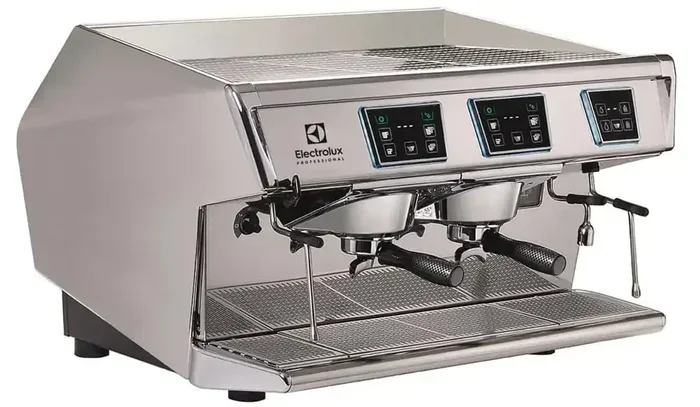
How Much Does A Professional Coffee Machine Cost Today
A professional coffee machine can cost anywhere from $500 to over $10,000 depending on the type, brand, and features. Understanding what drives the price helps you make a smart investment. This guide covers every price tier and what you get for your money.
So you are thinking about buying a professional coffee machine. Maybe you are opening a small cafe, upgrading your office break room, or just want the kind of coffee you get at a fancy shop. Whatever the reason, one question keeps popping up: how much does a professional coffee machine actually cost?
The short answer is that prices vary a lot. You can find a decent commercial coffee machine for a few hundred dollars. Or you can spend more than ten thousand on a top-of-the-line professional espresso machine. The real trick is knowing what you are paying for at each price level. This guide breaks it all down so you can make a confident choice.
We will walk through every price range, compare popular brands, and point out costs people often forget. By the end, you will know exactly what to expect when you start shopping for your coffee equipment investment. Let us get into it.
Key Takeaways
- Entry-level professional machines start around $500 and offer solid performance for small businesses.
- Mid-range professional coffee makers cost between $1,500 and $4,000 and suit most cafes and offices.
- High-end and commercial-grade machines can exceed $10,000 and deliver top-tier brewing quality.
- Hidden costs like maintenance, accessories, and repairs can add 20-30% to your total cost of ownership.
- Brand reputation and warranty coverage play a big role in long-term value.
- Matching the machine to your volume needs saves money and prevents overspending.
📑 Table of Contents
What Makes A Coffee Machine “Professional”
Before we talk about numbers, let us clear up what actually makes a coffee machine “professional.” Not every expensive machine earns that label. And not every professional coffee maker costs a fortune.
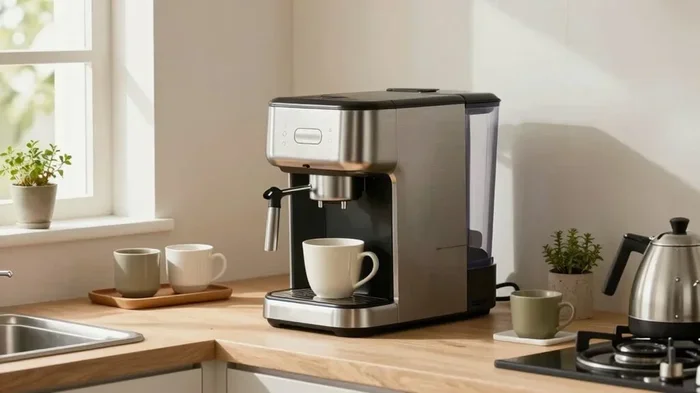
A professional machine is built for heavy daily use. It has commercial-grade parts, a more powerful heating system, and better temperature control. These machines can handle making dozens or even hundreds of drinks per hour. That is very different from a home drip coffee maker that brews a pot in the morning.
Here are the key features that set professional machines apart:
- Commercial boilers that heat up fast and stay at a steady temperature.
- Steam wands powerful enough to froth milk quickly and consistently.
- Programmable settings so every drink comes out the same way every time.
- Durable construction using stainless steel and brass instead of plastic.
- Large water reservoirs or direct plumbing connections for nonstop service.
If you are running a busy office or a small cafe, these features matter a lot. A home machine simply cannot keep up with that kind of demand. That is why professional coffee machine cost runs higher than what you would pay for a kitchen brewer.
Types Of Professional Coffee Machines
Not all professional machines are the same. There are several types, and each one comes with a different price tag. Here is a quick look at the main categories.
Semi-Automatic Espresso Machines give you control over the brewing process. You grind the beans, tamp the grounds, and pull the shot yourself. These machines are popular in cafes and by coffee enthusiasts who want hands-on control. They typically cost between $800 and $3,000.
Superautomatic Machines do almost everything for you. You add beans, press a button, and the machine grinds, tamps, brews, and even froths milk. These are perfect for busy offices or places with high traffic. Superautomatic coffee machine prices range from $1,500 to $8,000 or more.
Bean-to-Cup Machines are similar to superautomatic models but often simpler. They grind beans fresh for each cup and brew directly into your mug. These machines are great for small business coffee setups and cost between $600 and $2,500.
Manual Lever Machines are the purist’s choice. They give you complete control and produce amazing espresso when used correctly. These are more of a specialty item and usually cost between $1,500 and $5,000.
Price Ranges For Professional Coffee Machines
Now let us get into the numbers. Professional coffee machine cost breaks down into clear tiers. Where you fall depends on your needs, budget, and how much coffee you plan to serve.
Budget Tier: $500 To $1,000
This tier is perfect for small offices, food trucks, or home-based businesses. You will find solid commercial coffee maker options that handle moderate daily volume. Machines in this range often come from brands known for reliable, no-frills performance.
What you get in this tier:
- Single boiler or heat exchanger systems
- Basic steam wand for milk frothing
- Moderate water capacity
- Simple digital controls or manual levers
- Basic warranty coverage
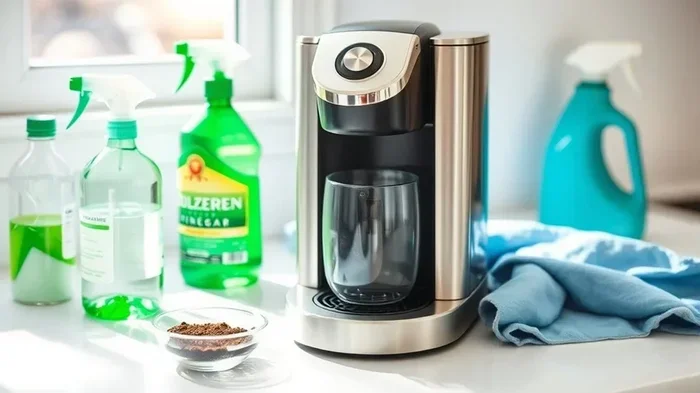
You will need to be a bit more hands-on with coffee machine maintenance at this level. Regular descaling and cleaning are essential. If you have ever wondered how to keep your machine running smoothly, decalcifying your Keurig or similar machine regularly is a great habit to build no matter what you own.
Mid-Range Tier: $1,500 To $4,000
This is the sweet spot for most small cafes, restaurants, and larger offices. Mid-range professional coffee makers offer better build quality, more features, and improved consistency. You get dual boilers, better steam power, and more programmable options.
Popular brands in this range include La Marzocco Linea Mini, Rancilio Silvia, and Breville Oracle. These machines can handle 50 to 150 drinks per day without breaking a sweat.
At this price point, you also get better customer support and longer warranties. Some brands offer 2-3 year warranties that cover parts and labor. That peace of mind matters when your machine is part of your daily business operation.
High-End Tier: $5,000 To $10,000+
This is where serious cafes and high-volume operations live. High-end coffee machines from brands like La Marzocco, Synesso, and Slayer deliver exceptional brewing precision and durability. They are built to run for years under heavy use.
These machines feature dual or triple boilers, advanced pressure profiling, and precision temperature control. Baristas love them because they can fine-tune every variable to pull the perfect shot.
But here is the honest truth: if you are running a small cafe or office, you probably do not need to spend this much. These machines are overkill for low to moderate volume. Save your money unless you are serving hundreds of drinks daily.
Top Brands And Their Price Points
Brand reputation plays a big role in professional coffee machine cost. Some brands charge a premium for their name and build quality. Others offer excellent performance at a lower price. Here is a look at some of the top players.
| Brand | Price Range | Best For |
|---|---|---|
| Breville | $500 – $3,500 | Small businesses and home cafes |
| La Marzocco | $3,000 – $12,000 | Dedicated cafes and specialty shops |
| Rancilio | $800 – $4,500 | Mid-size cafes and restaurants |
| Nuova Simonelli | $4,000 – $10,000 | High-volume commercial use |
| Jura | $1,500 – $7,000 | Superautomatic office and home use |
| Rocket Espresso | $2,000 – $8,000 | Enthusiasts and boutique cafes |
Each brand brings something different to the table. Breville is known for user-friendly machines with great features at accessible prices. La Marzocco is the gold standard for professional cafes. Rancilio offers a nice balance of quality and value.
When you are choosing a brand, think about your long-term coffee equipment investment. A machine from a well-known brand might cost more upfront but could save you money on repairs and replacements over time. Also check if the brand has service centers near you. Having access to professional repair support is a huge advantage.
What’s Included In The Price
Not everything you need comes included when you buy a professional coffee machine. Understanding what is in the box and what you need to buy separately helps you budget accurately.
Most professional machines come with the following:
- The machine unit itself
- A power cord and basic water line adapter
- A portafilter and one or two baskets
- A tamper and steam wand
- A basic user manual and quick-start guide
- A limited warranty (usually 1-2 years)
But here is what often is NOT included and will add to your total cost of ownership:
- A quality coffee grinder – you need a separate grinder for fresh beans. The cost of a good grinder ranges from $200 to $1,500.
- Water filtration system – filtered water protects your machine and improves taste. Expect $50 to $200 for a good system.
- Milk frothing pitcher – stainless steel pitchers are essential for proper steaming.
- Scale – a precision scale helps you dose coffee accurately.
- Cleaning supplies – descaling solution, group head cleaner, and backflush detergent.
- Spare parts – gaskets, shower screens, and filters wear out over time.
One thing many people overlook is the importance of fresh beans. The quality of your coffee depends heavily on how fresh your beans are. How long coffee beans last after grinding is a common question, and the answer is that ground beans lose their flavor within 15-30 minutes. Investing in a good grinder and buying whole beans in small batches makes a huge difference in your final cup.
Warranty And Service Plans
Warranty coverage varies widely between brands and price tiers. Budget machines often come with a 1-year limited warranty. Mid-range and high-end machines may offer 2-3 year warranties or even extended service plans.
Some brands offer on-site service for commercial machines. This means a technician comes to your location to fix the machine. That is incredibly valuable for businesses that cannot afford downtime. When comparing commercial coffee machine price options, always ask about warranty terms and service availability in your area.
Hidden Costs You Need To Know
The sticker price is only part of the story. There are several hidden costs that can catch new buyers off guard. Being aware of these helps you plan your budget properly.
Installation Costs
Professional machines often require professional installation. If your machine needs a direct water line connection, you may need a plumber. Installation costs typically run between $100 and $500 depending on your setup and location.
Ongoing Maintenance
Regular maintenance keeps your machine running well and extends its lifespan. You should budget for descaling every 3-6 months and professional servicing at least once a year. Annual maintenance costs can range from $100 to $500 depending on the machine.
Keeping up with coffee machine maintenance also prevents expensive repairs down the road. A little care goes a long way in protecting your investment.
Energy Costs
Professional machines use more electricity than home brewers. A large commercial machine running all day can add $30 to $80 per month to your energy bill. This is something to factor in, especially if you are running a small business on a tight budget.
Training Costs
If you are hiring baristas or training staff, you need to factor in training time and cost. Some machine brands offer training programs either free or for a fee. Proper training reduces waste and improves drink quality, so it is worth the investment.
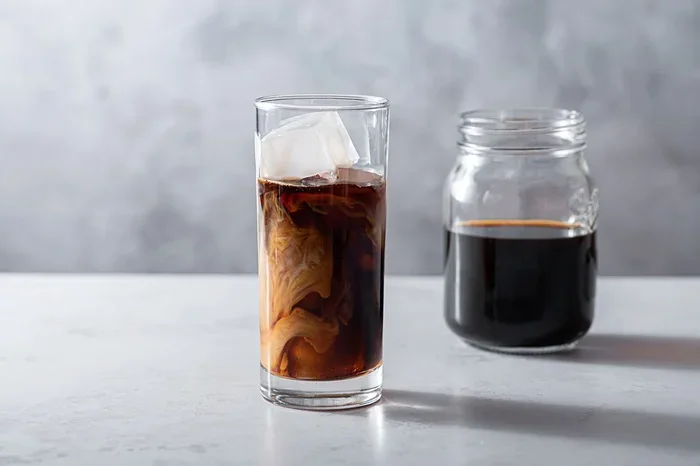
Also consider that learning how to make quality drinks at home can be fun and cost-effective. For example, if you want to serve great iced coffee, you can start by learning how to make your own Dunkin iced coffee at home before investing in a full professional setup.
How To Choose The Right Machine For Your Budget
Choosing the right professional coffee machine comes down to matching the machine to your actual needs. Here are some practical tips to guide your decision.
Step 1: Calculate Your Daily Volume
How many drinks do you plan to serve each day? If you are running a small office with 20 people, a machine that handles 30-50 drinks per day is plenty. A busy cafe serving 200+ drinks needs a much more powerful machine.
Underestimating your volume leads to slow service and frustrated customers. Overestimating means you spend more than you need to. Be honest about your numbers before you start shopping.
Step 2: Set A Realistic Budget
Include the machine cost plus all the extras: grinder, filters, cleaning supplies, and installation. A common rule of thumb is to budget 20-30% more than the machine price alone for accessories and setup costs.
Also think about your coffee machine features priorities. Do you need a built-in grinder? Do you want programmable drink profiles? Make a list of must-haves versus nice-to-haves. This helps you narrow down options without overspending.
Step 3: Try Before You Buy
If possible, visit a local cafe or retailer and taste drinks made on different machines. The difference between a $1,000 machine and a $3,000 machine can be subtle or dramatic depending on the model. Tasting side by side gives you a real sense of what matters to you.
Step 4: Consider The Long Term
A cheaper machine might save you money upfront but could cost more in repairs and replacements over time. A more expensive machine that lasts 10 years might actually be the better deal. Think about your coffee equipment investment as a long-term business decision, not just a one-time purchase.
Also check what coffee beans last after grinding and plan your bean purchasing accordingly. Fresh beans paired with a quality machine make the best possible coffee.
Quick Tips For Saving Money
- Buy during off-season sales or holiday promotions.
- Consider certified refurbished machines from reputable dealers.
- Skip unnecessary features you will not actually use.
- Invest in a good grinder rather than spending extra on the machine.
- Join coffee equipment forums to find deals and recommendations from other owners.
Common Mistakes To Avoid
- Skipping the grinder. A great machine with a bad grinder makes poor coffee. The grinder matters just as much as the machine itself.
- Ignoring water quality. Hard water damages machines and ruins coffee taste. Always use filtered water.
- Buying more machine than you need. A massive commercial unit for a small office is a waste of money and counter space.
- Forgetting about service and support. A machine is only as good as the help you can get when something goes wrong.
One more thing worth mentioning: if you are exploring different ways to enjoy great coffee at home, you might also want to learn about using a coffee grinder for wet grinding. This technique opens up possibilities for making specialty drinks like flavored coffees and cold brew concentrates.
Final Thoughts On Professional Coffee Machine Cost
The professional coffee machine cost today spans a wide range, and there is a good machine for nearly every budget. Whether you need a simple $500 setup for a small office or a $10,000 commercial-grade beast for a busy cafe, the key is knowing what you need and planning your budget accordingly.
Remember to factor in all the hidden costs: grinders, filters, maintenance, and installation. These expenses add up and can surprise you if you are not prepared. A smart buyer plans for the total picture, not just the sticker price.
Take your time, do your research, and do not be afraid to ask questions before you buy. The right machine will serve you well for years and deliver the quality coffee your customers or coworkers deserve. Happy shopping, and here is to great coffee ahead.
Frequently Asked Questions
How much does a basic professional coffee machine cost?
A basic professional coffee machine starts around $500 to $1,000. These machines are ideal for small offices and low-volume settings. They offer solid brewing performance but may lack advanced features found in higher-priced models.
Is it worth buying a used professional coffee machine?
Yes, buying a used machine can save you 30-50% off the original price. Just make sure you buy from a reputable dealer and have the machine inspected before purchase. Look for machines with remaining warranty or those that come with a service history.
How often do professional coffee machines need maintenance?
You should descale your machine every 3 to 6 months depending on water hardness. A full professional service is recommended once a year. Regular cleaning and proper care can extend your machine’s lifespan by several years.
What is the lifespan of a professional coffee machine?
With proper care, most professional machines last between 5 and 10 years. High-end commercial machines can last even longer, sometimes 15 years or more. Regular maintenance and using quality water are the biggest factors in longevity.
Do I need a separate grinder for a professional coffee machine?
Yes, a quality grinder is essential for professional-level coffee. Most machines do not include a built-in grinder, and even those that do usually benefit from a separate dedicated grinder. A good grinder makes a noticeable difference in taste and consistency.
Can I use a professional coffee machine at home?
Absolutely. Many homeowners buy professional machines for the café-quality coffee they can make at home. Just be prepared for the higher price tag and the learning curve that comes with mastering espresso-based drinks.