How To Automate Your Coffee Maker And Start Your Day Right
Automating your coffee maker is one of the simplest ways to transform your morning routine. With programmable timers, smart features, and a few easy setup steps, you can wake up to a fresh cup of coffee without lifting a finger. This guide walks you through everything from choosing the right machine to troubleshooting common issues.
Key Takeaways
- Automation saves time: A programmable coffee maker lets you set a brewing schedule and wake up to fresh coffee every single morning.
- Smart coffee makers offer the most convenience: Wi-Fi-enabled machines let you control brewing from your phone or voice assistant.
- Proper setup is key: Getting the right grind size, water ratio, and timer settings ensures consistently great coffee.
- Maintenance matters: Regular cleaning keeps your automated coffee maker running smoothly and your coffee tasting fresh.
- Avoid common mistakes: Using the wrong grind, skipping descaling, and ignoring water quality can ruin your automated brew.
📑 Table of Contents
- Why Automating Your Coffee Maker Changes Your Mornings
- Types Of Coffee Makers With Automation Features
- How To Set Up Your Coffee Maker Automation
- Best Practices For Automated Coffee Brewing
- Common Mistakes To Avoid When Automating Your Coffee Maker
- Expert Tips To Maximize Your Coffee Automation
- Final Thoughts On Automating Your Coffee Maker
Why Automating Your Coffee Maker Changes Your Mornings
There is something magical about walking into the kitchen and smelling fresh coffee already brewing. Automating your coffee maker turns that magic into a daily reality. No more rushing around trying to get a cup ready before work. Your coffee is already waiting for you when you walk into the kitchen.
A programmable coffee maker takes the guesswork out of your morning. You set it up once, and it does the rest. Whether you prefer a bold espresso or a smooth drip brew, automation means your morning coffee routine becomes effortless. The extra minutes you save can go toward a better breakfast, a longer workout, or simply a calmer start to the day.
Beyond convenience, automation improves consistency. Every cup tastes the same because the machine controls the brewing temperature, timing, and water flow. You stop guessing and start enjoying. Once you experience the difference, you will wonder how you ever managed without it.
The Science Behind Automated Brewing
Good coffee depends on three things: water temperature, grind size, and brew time. Automated coffee makers nail all three every time. The machine heats water to the ideal range, usually between 195 and 205 degrees Fahrenheit. It distributes water evenly over the grounds and extracts flavors at the perfect pace.
When you brew by hand, small mistakes add up. The water is too hot. You grind the beans too fine. You forget to time the brew. Automation removes all of these variables. The result is a cup that tastes balanced, smooth, and rich every single morning.
Types Of Coffee Makers With Automation Features
Not all coffee makers are created equal. Some offer basic timers, while others come packed with smart technology. Understanding your options helps you choose the right machine for your needs.
Programmable Drip Coffee Makers
These are the most common automatic coffee machines on the market. You set a timer the night before, and the machine starts brewing at your chosen time. Most models let you control the strength of the coffee, the brew size, and even the temperature. They are affordable, reliable, and perfect for most households.
Look for models with a thermal carafe. Glass pots lose heat quickly, but thermal carafes keep your coffee warm for hours without burning it. This is a small feature that makes a big difference in taste.
Smart Coffee Makers
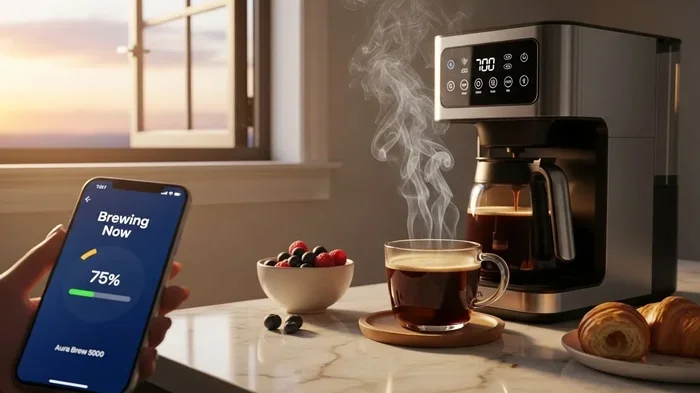
Smart coffee makers take automation to the next level. These machines connect to your home Wi-Fi and work with apps on your phone. You can start a brew from bed, schedule multiple cups throughout the day, and even adjust settings using voice commands.
Brands like Breville, Technivorm, and Ninja offer smart models with features like coffee maker settings that remember your preferences. Some machines learn your habits over time and suggest the perfect brew schedule. If you love technology and want maximum convenience, a smart coffee maker is worth the investment.
Single Serve and Pod Machines
Single serve machines like Keurig and Nespresso offer quick automation with minimal cleanup. You insert a pod, press a button, and your coffee is ready in under a minute. Many newer models include programmable timers and strong brewing options. They are ideal for people who want speed and variety without the fuss of grinding beans.
However, single serve machines use more pods over time, which can add up in cost. If you drink multiple cups a day, a programmable drip machine may be more economical in the long run.
Espresso and Bean-to-Cup Machines
For coffee lovers who want café-quality drinks at home, espresso machine automation is a game changer. Bean-to-cup machines grind your beans, tamp the grounds, and brew a perfect espresso or latte at the push of a button. These machines handle the entire process from start to finish.
They do require more cleaning and maintenance. But the quality of the coffee they produce is far superior to any drip machine. If you are serious about your morning cup, this is the route to take.
How To Set Up Your Coffee Maker Automation
Setting up your coffee maker automation is simpler than you might think. Follow these steps to get started the right way.
Step 1: Choose Your Machine
Start by deciding what type of coffee maker fits your lifestyle. Consider your budget, how many cups you drink daily, and how much time you want to spend on maintenance. A programmable drip machine works well for most people. Smart coffee makers are great if you want advanced control. Espresso machines are perfect for those who want premium quality.
Once you pick your machine, read the user manual carefully. Every model has unique features and setup requirements. Understanding your machine before you use it prevents frustration later.
Step 2: Set Your Timer
Most programmable coffee makers have a digital clock and a brew timer. Set the current time first, then program your desired brew time. For example, if you wake up at 6:30 AM, set the timer to start brewing at 6:15 AM. This gives the machine enough time to finish before you reach for your mug.
Some machines let you brew multiple cups at different times. This is handy if you share your kitchen with a partner or family member who wakes up at a different hour.
Step 3: Prepare Your Grounds
Use fresh, quality coffee beans for the best results. Grind them just before you go to bed. A medium grind works well for drip machines, while a fine grind suits espresso makers. Proper coffee grounds measurement is crucial. A general rule is two tablespoons of grounds per six ounces of water.
Store your beans in an airtight container away from light and heat. Fresh beans make a noticeable difference in flavor. If you use pre-ground coffee, buy small quantities and use them within two weeks for the freshest taste.
Step 4: Fill the Water Reservoir
Use clean, filtered water for the best flavor. Fill the reservoir to the level that matches your desired brew size. Most machines have markings inside the tank to guide you. Never fill past the maximum line, as this can cause overflow and messy cleanup.
Cold water brews better than warm water. Always start with fresh, cold water from the tap or a filtered pitcher. The water quality directly affects the taste of your coffee, so do not skip this step.
Step 5: Test Your Setup
Before relying on your automation for a workday morning, run a test brew on a weekend. This lets you check the timing, the strength, and the temperature. Adjust the settings as needed until you get the perfect cup. Once you dial in your preferences, your morning beverage routine will run smoothly every day.
Best Practices For Automated Coffee Brewing
Automation does the hard work for you, but a few best practices keep your coffee tasting its best. These simple habits make a big difference over time.
Use the Right Water Temperature
The ideal brewing temperature is between 195 and 205 degrees Fahrenheit. Too hot, and your coffee turns bitter. Too cool, and it tastes weak and sour. Most quality coffee makers maintain this range automatically. If your machine allows temperature settings, experiment to find your preferred level.
Keep in mind that altitude affects brewing temperature. If you live at a high elevation, water boils at a lower temperature, which can change your coffee’s flavor. Adjust your expectations and settings accordingly.
Clean Your Machine Regularly
A clean machine brews better coffee. Residual oils and mineral buildup inside the machine can alter the flavor of your brew over time. Run a vinegar and water cycle through your machine once a month to remove buildup. Use a damp cloth to wipe down the exterior and the brew basket after each use.
Just like you would maintain other kitchen appliances, your coffee maker needs regular care. Keeping it clean ensures that every cup tastes fresh and free of off-flavors. Think of it like maintaining your kitchen, similar to how you would keep a toaster oven clean and functioning well.
Descale Your Machine Every 3 Months
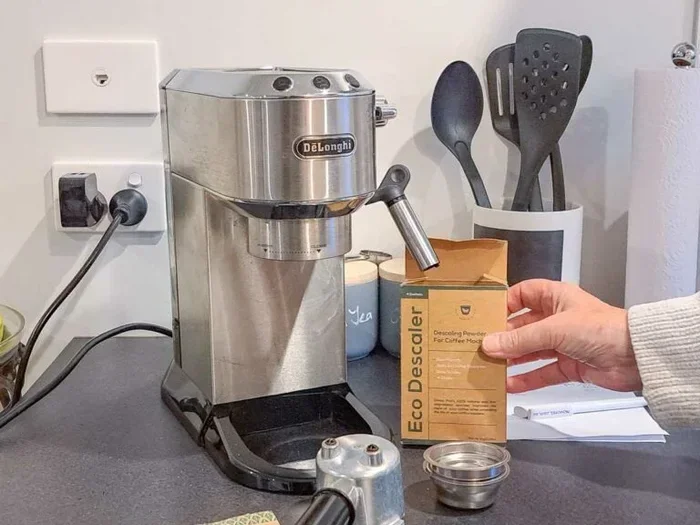
Mineral deposits from water build up inside your coffee maker over time. This process is called scaling, and it can clog your machine and reduce its efficiency. Most manufacturers recommend descaling every three months, or more often if you have hard water.
Use a commercial descaling solution or a mixture of white vinegar and water. Run the solution through a full brew cycle, then follow with two to three cycles of clean water to rinse away any residue. Your machine will run more efficiently, and your coffee will taste cleaner.
Store Coffee Properly
Oxygen, light, heat, and moisture are the enemies of fresh coffee. Store your beans or grounds in an opaque, airtight container at room temperature. Never store coffee in the refrigerator, as moisture and odors can seep in and affect the flavor.
Buy coffee in small batches to ensure freshness. A bag of beans that was roasted two weeks ago will taste far better than one that was roasted six months ago. Freshness is one of the simplest ways to improve your coffee without changing your machine or routine.
Use Quality Filters
If your machine uses paper filters, choose high-quality ones that fit snugly in the brew basket. Filters remove oils and fine particles that can make coffee taste muddy or bitter. Reusable metal filters are an eco-friendly alternative, but they require more frequent cleaning and may let more oils through.
Experiment with both options to see which you prefer. Some coffee lovers love the fuller body that comes from a metal filter, while others prefer the cleaner taste of a paper filter.
Quick Tips For Better Automated Coffee
- Always use fresh water. Stale water from the reservoir tastes bad and affects your brew.
- Pre-wet the grounds. A quick rinse before brewing helps release flavors and reduces bitterness.
- Keep your machine level. Uneven machines can cause uneven extraction and weak coffee.
- Replace parts regularly. Filters, seals, and water lines wear out over time and need replacement.
- Use a kitchen scale. Measuring coffee and water by weight gives you more consistent results than using scoops.
Common Mistakes To Avoid When Automating Your Coffee Maker
Even with automation, mistakes can ruin your coffee. Here are the most common errors and how to avoid them.
Using Stale Coffee Grounds
Old coffee grounds lose their flavor quickly. If you grind your beans days in advance, the coffee will taste flat and lifeless. Always grind just before you set your automation timer. This small change makes a noticeable difference in the final cup.
Wrong Grind Size
Using the wrong grind size is one of the fastest ways to ruin automated coffee. A drip machine needs a medium grind. An espresso machine needs a fine grind. A French press needs a coarse grind. Check your machine’s manual and match the grind size accordingly.
If your coffee tastes bitter, the grind may be too fine. If it tastes weak and watery, the grind may be too coarse. Adjusting the grind size is the easiest way to fix common flavor problems.
Skipping Regular Maintenance
It is easy to forget about cleaning when your machine does everything for you. But skipping maintenance leads to stale flavors, clogs, and even machine breakdowns. Set a reminder on your phone to clean and descale your machine every few months. A few minutes of upkeep saves you from costly repairs later.
Overfilling the Water Reservoir
It might seem convenient to fill the reservoir to the top, but overfilling causes overflow and messes up your brewing schedule. Always fill to the level that matches your brew size. If you are unsure, start with less water and adjust based on your preferences.
Ignoring Water Quality
Tap water contains chlorine and minerals that can affect coffee flavor. Using filtered water improves the taste of your brew and reduces mineral buildup inside your machine. A simple carbon filter pitcher makes a big difference in coffee quality.
Expert Tips To Maximize Your Coffee Automation
Once your coffee maker automation is up and running, these expert tips help you get the most out of every cup.
Create a Morning Routine Around Your Coffee
Set your coffee maker to start brewing 15 minutes before your alarm goes off. This way, the smell of fresh coffee wakes you up naturally. While the machine brews, you can stretch, shower, or prepare breakfast. By the time you reach the kitchen, your coffee is ready and your morning feels organized.
Pair your automated brew with a consistent morning schedule. The more routine your mornings become, the less effort they require. Automation handles the coffee part, and you handle the rest.
Experiment With Different Beans and Roasts
Automation works with any coffee, so use it as an opportunity to explore new flavors. Try a light roast for a brighter, fruitier cup. Switch to a dark roast for a bolder, smokier flavor. You can even try flavored coffees or blends from different regions.
Keep a coffee journal to track what you like and what you do not. Over time, you will develop a clear picture of your perfect cup. This makes it easy to adjust your coffee maker settings and try new beans without guessing.
Upgrade Your Accessories
A few small upgrades can elevate your automated coffee experience. A quality burr grinder ensures consistent grind size. A kitchen scale measures coffee and water precisely. A thermal carafe keeps your brew hot for hours without a burner.
These accessories do not cost much, but they dramatically improve the quality of your coffee. Think of them as investments in your daily routine. A better cup of coffee starts with better tools.
Troubleshoot Common Automation Issues
If your automated brew is not working correctly, check a few things first. Make sure the timer is set correctly and the machine is plugged in. Verify that the water reservoir is filled and the filter basket is clean. If the coffee tastes off, run a cleaning cycle with vinegar and water.
For more complex issues, consult your machine’s manual or contact the manufacturer. Most coffee makers come with a warranty, so do not hesitate to reach out if something stops working. Regular troubleshooting keeps your machine running and your coffee flowing.
Compare Your Options
Not sure which type of coffee maker is right for you? Here is a quick comparison of the most popular automated options.
| Feature | Programmable Drip | Smart Coffee Maker | Single Serve | Bean-to-Cup |
|---|---|---|---|---|
| Price Range | $30 – $100 | $150 – $400 | $50 – $200 | $200 – $1000+ |
| Setup Complexity | Very Easy | Easy | Very Easy | Moderate |
| Brew Quality | Good | Very Good | Fair to Good | Excellent |
| Maintenance Level | Low | Low | Very Low | Moderate |
| Best For | Everyday brewing | Tech lovers | Quick single cups | Coffee enthusiasts |
Use this table as a starting point for your decision. Your personal preferences and budget will ultimately guide your choice. But this overview gives you a clear picture of what to expect from each type of machine.
Final Thoughts On Automating Your Coffee Maker
Automating your coffee maker is one of the easiest upgrades you can make to your daily routine. It saves time, improves consistency, and turns your morning into something to look forward to. Whether you choose a simple programmable drip machine or a high-end smart coffee maker, the benefits are immediate and lasting.
Start small if you are new to automation. Set a basic timer and adjust from there. As you grow more comfortable, explore advanced features like smart controls, multiple brew schedules, and precision temperature settings. Each step you take brings you closer to the perfect morning cup.
Remember that automation works best when paired with quality ingredients and regular maintenance. Use fresh beans, clean water, and a well-maintained machine. The result is a cup of coffee that tastes as good as it looks on your kitchen counter. Your mornings will never feel rushed again.
So go ahead, set your timer tonight, and wake up to the smell of fresh coffee tomorrow morning. Once you start automating your coffee routine, you will wonder how you ever lived without it. Start your day right with a perfectly brewed cup, every single time.
And if you are also looking to upgrade other parts of your kitchen, learning how to get rid of a microwave oven or exploring new appliance options can help you create a more streamlined and efficient cooking space. The same principle applies to your coffee setup keep it simple, keep it automated, and enjoy the process.
Frequently Asked Questions
What is the best coffee maker for automation?
The best coffee maker depends on your needs and budget. Programmable drip machines are affordable and easy to use. Smart coffee makers offer the most advanced features like app control and voice commands. Bean-to-cup machines deliver the highest quality but cost more. Choose based on how much convenience and quality you want.
Can I automate any coffee maker?
Most modern coffee makers come with programmable timers built in. Older models may not have automation features. Check your machine for a digital clock or brew timer. If it has one, you can set it to brew automatically at a specific time each day.
How do I clean my automated coffee maker?
Run a vinegar and water cycle through your machine once a month. Wipe down the exterior and brew basket after each use. Descale the machine every three months to remove mineral buildup. Keeping your machine clean ensures the best tasting coffee and extends its lifespan.
Does automated coffee taste better than manual brewing?
Automated coffee can taste just as good as manual brewing when done correctly. The machine controls temperature, timing, and water distribution more consistently than most people can by hand. The key is using fresh beans, the right grind size, and clean water.
How do I troubleshoot a coffee maker that will not automate?
First, check that the timer is set correctly and the machine is plugged in. Make sure the water reservoir is filled and the filter basket is not clogged. If the issue persists, try resetting the machine or running a cleaning cycle. Consult your manual for model-specific troubleshooting steps.
Is it worth investing in a smart coffee maker?
Smart coffee makers are worth it if you value convenience and control. You can start a brew from your phone, adjust settings remotely, and integrate your machine with smart home systems. They cost more than basic models, but the added features make a real difference in daily convenience.
=== CONCLUSION ===
Automating your coffee maker is a simple yet powerful way to improve your mornings. It removes the guesswork, saves precious minutes, and delivers a consistent, great-tasting cup every time. From choosing the right machine to setting your timer and maintaining your setup, every step matters. Follow the tips in this guide, avoid the common mistakes, and enjoy the ritual of waking up to fresh coffee. Your automated morning routine is just one timer away from becoming your favorite part of the day.