How To Bake Scallops In Oven For Tender Juicy Results
Discover the easiest way to achieve tender, juicy scallops every time. How to bake scallops in oven is simpler than you think, and it delivers restaurant-quality flavor with minimal effort. This guide covers everything from choosing the perfect dry-packed scallops to nailing the ideal baking temperature and timing.
If you’ve ever wondered how to get that perfect, caramelized exterior with a melt-in-your-center interior, how to bake scallops in oven is the answer you’ve been looking for. Many home cooks shy away from cooking scallops, fearing they’ll turn rubbery or dry. But with the right method, baking scallops in oven is foolproof and incredibly easy.
Oven-baked scallops require minimal hands-on time and deliver consistent results. Whether you’re cooking for a weeknight dinner or a special occasion, this technique works every time. You’ll learn the exact temperature, timing, and seasoning to bring out the best in every scallop. The oven does the heavy lifting while you focus on enjoying the process.
Scallops are a nutritious powerhouse too. They’re high in protein, low in fat, and rich in vitamins like B12 and selenium. Baking them preserves these nutrients better than frying. This oven-baked scallops recipe is not only delicious but also a healthy way to enjoy seafood. Below, I’ll walk you through each step in detail. By the end, you’ll feel confident enough to make this dish your go-to seafood recipe. Let’s dive in.
Key Takeaways
- Choose dry-packed scallops: They have a better texture and won’t release excess water in the oven.
- Pat them completely dry: Moisture is the enemy of a good sear and tender interior.
- Use high heat for a short time: 400°F to 425°F for 10-12 minutes keeps them juicy.
- Garlic butter is key: A simple mixture of butter, garlic, and herbs elevates the flavor instantly.
- Don’t overcook: Scallops go from perfect to rubbery in seconds, so watch the clock.
- Rest before serving: Let them sit for a minute to redistribute juices.
- Experiment with toppings: Try panko breadcrumbs or a lemon-butter sauce for variety.
📑 Table of Contents
Why Baking Scallops In Oven Is A Great Method
Baking scallops in oven offers several advantages over other cooking methods. It’s a hands-off approach that lets you focus on other parts of the meal. The even heat of the oven surrounds the scallops, cooking them gently and consistently. You don’t need to stand over a hot stove, flipping and monitoring.
Unlike stovetop cooking, where you risk hot spots and uneven searing, the oven provides a controlled environment. This is especially helpful when cooking multiple servings. You can place all the scallops on a single baking sheet and let the oven do the work. No need to worry about crowding a pan or managing multiple batches.
Oven-baked scallops also retain more moisture. The enclosed space traps steam, which helps keep the inside tender. You get a delicate, almost creamy texture without constant monitoring. For busy home cooks, this method is a game-changer. It frees up your time and reduces stress.
Another benefit is flavor development. The dry heat slowly caramelizes the natural sugars in the scallop. This creates a subtle sweetness that pan-searing sometimes masks with butter or oil. When you bake scallops in oven, the pure taste of the sea shines through. It’s a cleaner, brighter flavor that seafood lovers appreciate.
Equipment You Need
You don’t need fancy gear to bake scallops in oven. A rimmed baking sheet, parchment paper, and a pair of tongs are all you need. A digital instant-read thermometer takes the guesswork out of doneness. A small saucepan for melting garlic butter is helpful but optional. If you have a shallow baking dish with a rim, that works beautifully too. The key is a hot oven and a prepared pan.
The Benefits Of Oven-Baked Scallops
- Even cooking: Heat circulates uniformly, so no scallop gets overdone or underdone.
- Hands-off convenience: You can prep sides while the scallops bake.
- Moisture retention: The gentle heat prevents the proteins from seizing up quickly.
- Easy cleanup: One baking sheet or dish means less mess.
- Consistent results: Once you nail the time and temperature, every batch turns out perfectly.
- Nutrient preservation: Baking retains more vitamins than frying or boiling.
- Scalability: Easily double or triple the recipe for a dinner party.
Oven-Baked vs Pan-Seared Scallops
Both methods have their merits, but they serve different needs. Here’s a quick comparison to help you decide which baked scallops recipe fits your evening.
| Aspect | Oven-Baked | Pan-Seared |
|---|---|---|
| Hands-On Time | 5 minutes prep, 10-12 minutes baking | 10-15 minutes active cooking |
| Skill Level | Beginner-friendly | Requires attention and timing |
| Texture | Uniformly tender, gentle crust | Deep sear, caramelized edges |
| Best For | Large batches, set-and-forget meals | Quick weeknight dinners, single servings |
| Equipment | Baking sheet or dish | Cast iron skillet |
| Flavor Profile | Clean, sweet, subtle | Rich, browned, buttery |
Many home cooks prefer oven-baked scallops for dinner parties. You can start them early and they stay warm without overcooking. Pan-seared scallops are great when you want a rich, browned flavor and have a few minutes to stand at the stove. Both are delicious, but baking is the safer bet for foolproof tenderness. If you’re new to cooking scallops, start with the oven method. It builds confidence and delivers reliable, juicy results every time.
How To Choose The Best Scallops For Baking
Not all scallops are created equal. The type you pick directly affects the final result. Understanding the differences helps you choose the right ones for your oven-baked scallops recipe. Freshness is the single most important factor. A fresh scallop should smell like the ocean, not fishy or ammonia-like.
Dry-Packed vs Wet-Packed Scallops
Dry-packed scallops are the gold standard for baking. They are not treated with chemicals or sodium tripolyphosphate, which adds water and creates a rubbery texture when cooked. Dry-packed scallops have a natural, ivory color and a firm, sweet smell. They look slightly opaque and feel moist but not slimy.
Wet-packed scallops, on the other hand, are soaked in a preservative solution. They absorb water, which releases during cooking and steams the scallop instead of letting it sear. The result is often mushy and bland. Always check the label and opt for dry-packed whenever possible. The difference in texture and flavor is night and day.
Sea Scallops vs Bay Scallops
Sea scallops are the large, round ones you see at fish markets. They are perfect for oven baking because they hold their shape and cook evenly. A single sea scallop can be a generous portion. They typically measure about 1.5 inches in diameter.
Bay scallops are smaller, sweeter, and more delicate. They work well in soups and stews but can overcook quickly in the oven. If you’re baking, stick with sea scallops for the best texture. They give you that satisfying, juicy bite every time. Bay scallops are better suited for quick sautés or adding to pasta dishes.
Fresh vs Frozen Scallops
Many people assume fresh is always better, but that’s not always true for scallops. Fresh scallops that have been sitting on ice for days can lose their quality. Flash-frozen scallops, often caught and frozen at sea, can be just as fresh and sometimes fresher. When choosing frozen, look for scallops without added sodium tripolyphosphate. Thaw them properly in the refrigerator overnight for the best results.
Essential Ingredients And Seasonings
The beauty of baked scallops lies in their simplicity. You don’t need a long grocery list. A few high-quality ingredients bring out the natural sweetness of the sea. Quality butter and fresh garlic make all the difference when you learn how to bake scallops in oven.
The Perfect Garlic Butter Mix
Garlic butter is the classic companion for baked scallops. It adds richness and depth without overpowering the delicate flavor. You’ll need unsalted butter, fresh garlic cloves, and a pinch of sea salt. Using unsalted butter lets you control the sodium level.
Melt the butter and gently warm the minced garlic in it. Let it cool slightly before spooning over the scallops. This prevents the garlic from burning in the oven. The result is a fragrant, golden drizzle that makes every bite irresistible. You can also add a tiny pinch of red pepper flakes for a subtle kick.
Simple Seasoning Blend
Keep it simple with just a few pantry staples:
- Sea salt: Enhances the natural sweetness of the scallop.
- Freshly ground black pepper: Adds a gentle, warming heat.
- Dried parsley or thyme: Brings a fresh, herbal note that complements the seafood.
- Lemon zest: Brightens the flavor and cuts through the richness of the butter.
- A squeeze of lemon juice: Added just before serving for a fresh, zingy finish.
You can also add a splash of white wine to the garlic butter for a touch of acidity. This creates a light sauce that complements the scallops beautifully. The key is balance: let the scallops shine while the seasonings support them. A little lemon zest and a sprinkle of fresh herbs elevate the dish from simple to sophisticated.
Variations And Toppings
Once you master the basic how to bake scallops in oven method, you can experiment. Try a panko breadcrumb topping mixed with parmesan and herbs for a crunchy crust. A sprinkle of smoked paprika adds warmth and color. For a Mediterranean twist, top with sliced olives, capers, and a drizzle of olive oil after baking.
Another popular variation is the lemon-caper butter. Simply add chopped capers and fresh lemon juice to the garlic butter before baking. The capers provide a briny pop that contrasts beautifully with the sweet scallop. These variations keep the dish exciting and let you tailor it to your guests’ preferences.
How To Bake Scallops In Oven: A Step-By-Step Guide
How to bake scallops in oven is easier than most people think. Follow these steps and you’ll have tender, juicy scallops on the table in under 20 minutes. The key is preparation and attention to detail.
Prep Work: Thawing And Drying
If your scallops are frozen, thaw them overnight in the refrigerator. Never use warm water to speed up thawing, as it affects the texture and can promote bacterial growth. Once thawed, remove them from the fridge 15-20 minutes before cooking to take the chill off.
The most critical step is drying. Use paper towels and press firmly on each scallop. Remove every trace of surface moisture. This step is what gives you a beautiful, golden sear in the oven. Wet scallops will steam instead of roast, and you’ll miss out on that coveted caramelized crust. Pat them dry twice if needed. The surface should feel slightly tacky, not wet.
Temperature And Timing
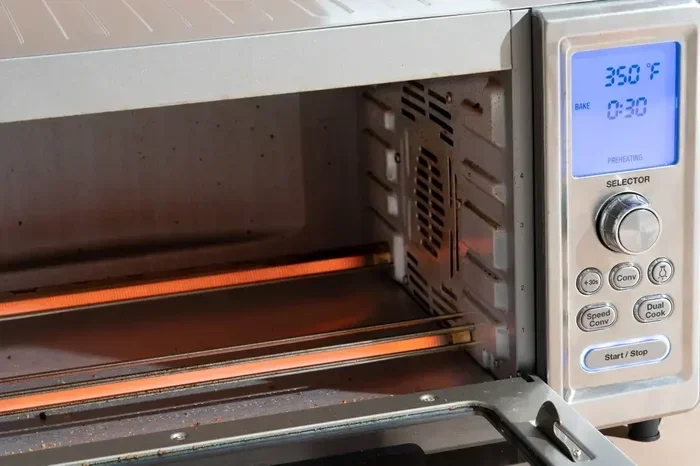
Preheat your oven to 400°F to 425°F (200°C to 220°C). This high heat cooks the scallops quickly, sealing in juices. A hotter oven means less time in the heat, which equals more tender results. Place the oven rack in the center position for even heat distribution.
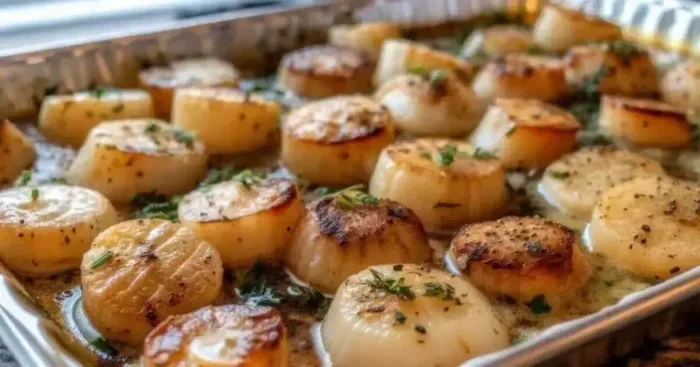
Place the dried scallops on a parchment-lined baking sheet. Space them at least one inch apart. Baking scallops in oven typically takes 10 to 12 minutes, depending on size. Large sea scallops may need 12-14 minutes. You want them to be opaque all the way through and just starting to firm up. A slightly translucent center means they’re perfectly done; they will continue to cook on the hot dish. Overcooking is the biggest risk, so set a timer and check early.
The Baking Dish Setup
You can bake scallops directly on a sheet pan or in a shallow baking dish. A dish with a little rim helps contain any melted garlic butter. Line the pan with parchment paper for easy cleanup. Parchment also prevents the scallops from sticking and promotes even browning.
For extra flavor, place a few lemon slices and fresh herb sprigs on the pan. As the scallops bake, the steam carries those aromatic flavors right into the meat. This simple trick elevates a basic baked scallops recipe into something truly special. You can also add a splash of dry white wine to the bottom of the baking dish. As it heats, it creates a fragrant steam that infuses the scallops with a subtle, sophisticated note.
Sample Baked Scallops Recipe
Here’s a quick reference for a perfect batch:
- 1 pound dry-packed sea scallops, thawed and patted dry
- 3 tablespoons unsalted butter, melted
- 3 cloves garlic, minced
- 1 tablespoon fresh lemon juice
- 1 teaspoon sea salt
- ½ teaspoon freshly ground black pepper
- 1 teaspoon dried parsley
- Lemon zest from half a lemon
Preheat oven to 425°F. Mix melted butter, garlic, lemon juice, salt, pepper, parsley, and zest. Arrange scallops on a parchment-lined baking sheet. Drizzle the garlic butter evenly over each scallop. Bake for 10-12 minutes until opaque and slightly golden. Let rest for 2 minutes before serving. This oven-baked scallops recipe yields 4 servings and takes just 20 minutes from prep to plate.
Serving Suggestions
Baked scallops pair wonderfully with a variety of sides. Roasted asparagus, garlic mashed potatoes, or a light citrus salad all work beautifully. For a complete meal, serve them over a bed of quinoa or with a slice of crusty bread to mop up the garlic butter sauce. The versatility of how to bake scallops in oven means you can adapt the sides to any season or occasion.
Pro Tips For Perfectly Tender, Juicy Scallops
Even with a great recipe, small details make the difference between good and outstanding. These pro tips will help you nail it every time and achieve the tender, juicy texture everyone loves.
Quick Tips For Baking Scallops
- Don’t crowd the pan: Overlapping scallops trap steam and create uneven cooking.
- Use a hot baking sheet: A preheated sheet helps the scallops start searing immediately.
- Check for doneness early: Start checking at the 8-minute mark. Overcooking happens fast.
- Let them rest: A 1-2 minute rest off the heat allows juices to settle.
- Add a finishing touch: A drizzle of good olive oil or a sprinkle of flaky sea salt right before serving makes a big difference.
- Use a thermometer: Pull scallops when internal temperature reaches 120°F. They will rise to 130°F while resting.
- Serve immediately: Scallops wait for no one. They continue to cook on the hot plate.
Make Ahead And Reheating Tips
You can prep the garlic butter and dry the scallops up to a day ahead. Store them separately in the refrigerator. When ready to bake, assemble and pop them in the oven. Reheat leftover scallops gently at 300°F for 5-7 minutes. Avoid microwaving, which makes them rubbery. Proper reheating preserves that tender, juicy texture you worked hard to achieve.
Expert Insights
Chef Maria Torres, a seafood specialist with over 15 years of experience, shares her top tip: “The secret to perfect oven-baked scallops is patience during the drying step. I pat each scallop three times with fresh paper towels. That one extra effort transforms the texture from steamed to beautifully caramelized.” She also recommends using a digital instant-read thermometer. “Pull them at 120°F internal temperature. They’ll rise to the perfect 130°F while resting. This is the difference between juicy and rubbery.”
Chef Torres also emphasizes the importance of room temperature scallops. “Take them out of the fridge 20 minutes before baking. Cold scallops in a hot oven create a temperature gradient that leads to uneven cooking. The outside overcooks while the center stays cold.” This simple adjustment ensures every scallop is perfectly tender from edge to center.
Common Mistakes To Avoid When Baking Scallops
Even experienced cooks can slip up. Knowing what to avoid saves you from disappointing results and wasted ingredients. Here are the most common pitfalls and how to steer clear of them when you bake scallops in oven.
Skipping The Pat-Dry Step
This is the number one mistake. Moisture on the surface turns into steam, which prevents browning. Your scallops will look pale and feel rubbery. Always dry them thoroughly, even if they seem dry already. Use fresh paper towels and press firmly. Remove all surface liquid. This single step makes the biggest difference in achieving a golden, caramelized crust.
Using The Wrong Temperature
Too low a temperature and the scallops release liquid before they set. Too high and the outside burns before the inside cooks. Stick to the 400°F-425°F range for the best balance. This is the sweet spot for a golden exterior and a tender, juicy interior. If your oven runs hot, use an oven thermometer to verify the actual temperature.
Overcrowding The Baking Sheet
Give each scallop room to breathe. When scallops touch, they steam instead of roast. If you have a large batch, use two baking sheets or work in two rounds. The extra effort is worth the perfectly browned edges and even cooking. Crowded scallops also cool down the pan temperature, leading to longer cook times and a less appealing texture.
Ignoring The Resting Period
Taking the scallops straight from the oven to the plate means losing valuable juices. Let them sit for a minute or two. The internal temperature will even out, and the texture will be more consistent. This small pause makes a noticeable difference in the final bite. The carryover cooking during this rest brings the scallop to the perfect doneness.
Using Old Or Low-Quality Scallops
Scallops are highly perishable. If they have a strong fishy odor or a slimy texture, they are past their prime. Always buy from a reputable fishmonger and use them within a day or two of purchase. Frozen scallops are a great alternative if you choose high-quality, dry-packed options. Avoid scallops that look white and chalky, as they may have been treated with preservatives.
Troubleshooting Common Issues
If your scallops turn out rubbery, they were likely overcooked. Next time, pull them a minute or two earlier. If they look pale and lack a crust, you probably skipped the drying step. If the garlic is bitter, it burned because the butter was too hot when you added it. Learn from each batch and your oven-baked scallops recipe will keep improving.
Conclusion
How to bake scallops in oven is a skill that anyone can master with a little practice. The method is forgiving, and the results are always impressive. You get tender, juicy scallops with minimal effort and maximum flavor. It’s one of the most reliable seafood techniques you can add to your kitchen repertoire.
Remember to choose dry-packed sea scallops, pat them dry, and use a hot oven. The garlic butter and simple seasonings do the rest. Avoid the common pitfalls, and you’ll have a seafood dish that rivals any restaurant. The beauty of this method is that it works every time, whether you’re a beginner or a seasoned cook.
Next time you’re planning a special meal, give baking scallops in oven a try. Your family and guests will be amazed. Enjoy the process and savor every bite of those perfectly cooked, tender scallops. With the right approach, you’ll be making this dish again and again.
Frequently Asked Questions
Can I use frozen scallops for baking?
Yes, frozen scallops work well as long as they are dry-packed and thawed properly in the refrigerator. Pat them completely dry after thawing to ensure a good sear and tender texture.
What temperature should I bake scallops at?
Bake scallops at 400°F to 425°F for the best results. This high heat cooks them quickly, locking in moisture and creating a golden exterior without drying out the center.
How do I know when baked scallops are done?
Scallops are done when they are opaque all the way through and slightly firm to the touch. The internal temperature should reach 120°F before removing them from the oven, as they will continue to cook while resting.
Can I bake scallops in a cast iron skillet?
Absolutely, a cast iron skillet works great for oven-baked scallops because it retains heat well. Just make sure the skillet is oven-safe and preheat it before adding the scallops for an extra sear.
What is the best way to serve baked scallops?
Serve baked scallops immediately while they are still hot and juicy. They pair beautifully with a squeeze of fresh lemon, a side of roasted vegetables, or a light pasta.
How long can I store leftover baked scallops?
Store leftover scallops in an airtight container in the refrigerator for up to two days. Reheat them gently in the oven at 300°F to prevent them from becoming rubbery.