How Grind Size Affects Your Morning Coffee Every Day
Grind size is one of the most important factors that determines how your coffee tastes every single day. Whether you use a coarse grind for French press or a fine grind for espresso, the size of your coffee grounds directly controls extraction, flavor, and aroma. This guide walks you through everything you need to know about grind size and coffee brewing to get the perfect cup.
You wake up. You make your morning coffee. But something tastes off. Maybe it is too weak, too bitter, or just plain disappointing. Before you blame your coffee beans or your machine, consider this: your grind size might be the real problem.
Grind size is one of the simplest yet most powerful levers you can pull to improve your daily cup of coffee. It affects everything from extraction to flavor to aroma. And the good news is that understanding it does not require a chemistry degree. In this guide, we break down exactly how grind size affects coffee and give you practical tips to transform your morning routine.
Whether you brew with a French press, a drip machine, or an espresso maker, the size of your coffee grounds matters more than you think. Let us dive in.
Key Takeaways
- Grind size controls extraction: The size of your coffee grounds determines how water interacts with them, shaping the final flavor of your brew.
- Wrong grind size leads to bad coffee: Too coarse means weak, sour coffee. Too fine means bitter, harsh coffee.
- Different brew methods need different grind sizes: French press uses coarse, espresso uses fine, and drip coffee works best with medium grind.
- Invest in a good burr grinder: Consistent grind size is the secret to great-tasting coffee at home.
- Freshly ground coffee tastes better: Grinding beans just before brewing preserves flavor and aroma.
- Adjust grind size to fix common problems: Sour taste? Go finer. Bitter taste? Go coarser.
📑 Table of Contents
- What Is Grind Size and Why Does It Matter?
- Types of Grind Size: From Coarse to Extra Fine
- How Grind Size Affects Coffee Flavor
- Best Grinders for Consistent Grind Size
- Common Grind Size Mistakes and How to Fix Them
- Quick Tips to Improve Your Grind Size Game
- How Grind Size Compares Across Brewing Methods
- Final Thoughts on Grind Size and Your Morning Coffee
What Is Grind Size and Why Does It Matter?
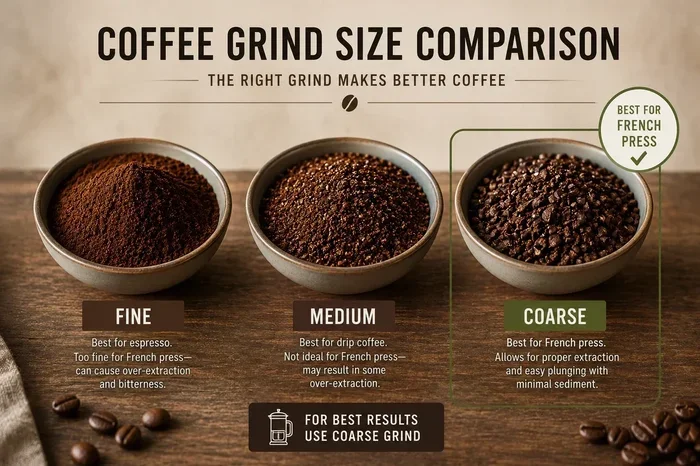
Grind size refers to how coarse or fine your coffee beans are ground before brewing. Think of it like this: coarse grounds look like sea salt, while fine grounds resemble powdered sugar. The size of the particles directly controls how much surface area of the coffee is exposed to water during brewing.
When water touches coffee grounds, it extracts flavors, oils, and compounds. This process is called extraction. The longer the water stays in contact with the grounds, and the more surface area exposed, the more extraction occurs. Grind size is the main factor that controls the speed and amount of extraction.
Here is why this matters so much:
- More surface area means faster extraction.
- Less surface area means slower extraction.
- Too much extraction leads to bitter, harsh coffee.
- Too little extraction leads to sour, weak coffee.
Finding the right balance is the key to a perfect brew. And that balance starts with grind size.
The Science Behind Extraction
Extraction is a fascinating process. When hot water meets coffee grounds, it dissolves soluble compounds. These include acids, sugars, oils, and caffeine. Different compounds extract at different rates. Acids and bright flavors come out first. Sugars and sweet notes follow. Bitter compounds come out last.
If your grind is too coarse, water passes through too quickly. Not enough compounds are extracted. You end up with under-extracted coffee, which tastes sour and thin. If your grind is too fine, water moves too slowly. Too many compounds are pulled out. This gives you over-extracted coffee, which tastes bitter and harsh.
The sweet spot is called optimal extraction. It is where you get a balanced cup with sweetness, acidity, and body working together in harmony.
Types of Grind Size: From Coarse to Extra Fine
Not all grind sizes are the same. There is a whole spectrum, and each one serves a specific brewing method. Let us walk through the most common types.
Coarse Grind
A coarse grind looks like rough sea salt or breadcrumbs. It is the largest particle size you will commonly use. Coarse grounds are ideal for methods with long brew times because water needs more time to extract flavor from larger particles.
Best for: French press, cold brew, and percolators.
If you use a coarse grind in a French press, the large particles steep slowly in hot water for about four minutes. This produces a full-bodied, rich cup with natural oils and sediment. Cold brew also relies on coarse grounds because the long steeping time (12 to 24 hours) needs slower extraction.
Medium-Coarse Grind
Medium-coarse is somewhere between coarse and medium. It resembles rough sand. This grind size works well with methods that have moderate brew times and flow rates.
Best for: Chemex, Clever Dripper, and some pour-over setups.
A Chemex uses thick filters that slow down water flow. The medium-coarse grind prevents over-extraction while still allowing enough flavor to develop.
Medium Grind
Medium grind is the most versatile size. It looks like regular sand and is the go-to choice for many home brewers. Most drip coffee makers and pour-over cones work best with this size.
Best for: Drip coffee makers, flat-bottom pour-over brewers, and siphon brewers.
With a medium grind, water flows at a steady pace through the grounds. Extraction happens at a balanced rate. The result is a clean, well-rounded cup of coffee that highlights the beans natural sweetness.
Medium-Fine Grind
Medium-fine is slightly finer than sand but not quite as fine as espresso grounds. It feels smooth to the touch but still has some texture.
Best for: Cone pour-over brewers like the V60, AeroPress (standard method), and some hand drip setups.
The AeroPress is a flexible brewer. You can use medium-fine grind for a clean, bright cup. The shorter brew time means you do not need an extremely fine grind, but going finer than medium helps pull out more flavor.
Fine Grind
Fine grind is similar to table salt or powdered sugar. It has a much smaller particle size, which creates more surface area for water to extract from. This leads to faster, more intense extraction.
Best for: Espresso machines and Moka pots.
Espresso requires fine grounds because water is forced through the coffee at high pressure. The contact time is very short (25 to 30 seconds), so the small particle size ensures enough extraction happens in that brief window. A fine grind produces the thick, rich, and creamy shot that espresso is known for.
Extra Fine Grind
Extra fine grind is very powdery, almost like flour. It is used in specialty brewing methods that demand maximum extraction in minimal time.
Best for: Turkish coffee and some traditional Middle Eastern brewing methods.
Turkish coffee is brewed without any filter. The extremely fine grounds stay suspended in the water, creating a thick, strong, and intensely flavored cup. This is the finest grind you will commonly encounter.
How Grind Size Affects Coffee Flavor
The relationship between grind size and flavor is direct and powerful. Let us break down what happens when you change the size of your grounds.
Under-Extraction: Sour and Weak
When your grind is too coarse, water flows through the grounds too quickly. The brew time is too short for proper extraction. You get what coffee professionals call under-extraction.
Signs of under-extracted coffee include:
- A sour or tangy taste
- Thin body with little depth
- Weak aroma and lack of sweetness
- Watery texture
If your morning coffee tastes sour or sharp, try grinding your beans a bit finer. This slows the water flow and gives it more time to pull out the sweet, balanced flavors.
Over-Extraction: Bitter and Harsh
When your grind is too fine, water moves through the grounds too slowly. It spends too much time in contact with the coffee. This leads to over-extraction.
Signs of over-extracted coffee include:
- A bitter or harsh taste
- Dry, astringent mouthfeel
- Burnt or ashy aftertaste
- Heavy body that feels unpleasant
If your coffee tastes bitter and unpleasant, your grind is likely too fine. Try going coarser to speed up extraction and pull back on those harsh compounds.
Balanced Extraction: Sweet and Smooth
When your grind size is just right, you get balanced extraction. The coffee tastes sweet, smooth, and complex. You can pick up fruity or chocolatey notes, and the finish is clean and pleasant.
Balanced extraction is the goal of every great brewer. And it all starts with getting the grind size right for your specific method.
Best Grinders for Consistent Grind Size
Not all coffee grinders are created equal. The type of grinder you use has a huge impact on the consistency of your grind size, which in turn affects your coffee quality.
Burr Grinders vs. Blade Grinders
There are two main types of coffee grinders: burr grinders and blade grinders.
Burr grinders use two rotating surfaces (burrs) that crush beans into consistent particles. The gap between the burrs controls the grind size. Burr grinders produce uniform grounds, which means even extraction and better-tasting coffee.
Blade grinders use a spinning blade to chop beans. They do not produce consistent particle sizes. You end up with a mix of fine powder and large chunks. This uneven grind leads to uneven extraction, which means some parts of your coffee taste over-extracted while others taste under-extracted.
For the best results, invest in a quality burr grinder. It is the single best upgrade you can make to your home brewing setup.
Recommended Burr Grinders
Here are some popular options for different budgets:
- Budget-friendly: Baratza Encore. It is reliable, easy to use, and produces consistent grounds for most brew methods.
- Mid-range: Fellow Ode Gen 2. It offers excellent grind consistency and a sleek design.
- Premium: Baratza Sette 270. It provides professional-level grind adjustment and speed.
Common Grind Size Mistakes and How to Fix Them
Even experienced coffee drinkers make grind size mistakes. Here are the most common ones and how to avoid them.
Using the Wrong Grind for Your Brewer
Every brewing method has a recommended grind size. Using the wrong one leads to poor-tasting coffee. For example, using an espresso grind in a French press will result in sludge and over-extraction. Using a French press grind for espresso will produce a weak, watery shot.
Fix: Always match your grind size to your brewing method. Refer to the grind size guide above for the right size for your setup.
Ignoring Freshness
Ground coffee loses flavor quickly. Once you grind your beans, the increased surface area causes them to oxidize faster. This means stale grounds produce flat, lifeless coffee.
Fix: Grind your beans just before brewing. Buy whole beans and store them in an airtight container away from light and heat.
Not Adjusting When You Change Beans
Different coffee beans have different densities and moisture levels. A dark roast is more porous and extracts faster than a light roast. A dense, hard bean from high altitude needs a slightly finer grind.
Fix: When you switch to a new coffee, adjust your grind size and taste test. Make small changes until you find the sweet spot.
Skipping the Dial-In Process
Dialing in means fine-tuning your grind size to get the best possible extraction. It is an essential step for espresso but also helpful for pour-over methods.
Fix: Brew a cup, taste it, and adjust the grind. Go finer if it tastes sour. Go coarser if it tastes bitter. Repeat until you hit that balanced, sweet spot.
Quick Tips to Improve Your Grind Size Game
Want to level up your morning coffee quickly? Here are some easy tips to follow:
- Store your beans properly. Keep them in an airtight container at room temperature.
- Clean your grinder regularly. Old coffee oils can go rancid and affect flavor.
- Use filtered water. Good water makes a big difference in how your coffee tastes.
- Weigh your coffee. Use a scale for consistent ratios every time.
- Experiment with grind size. Small adjustments can make a big difference. Try going one click finer or coarser and compare the results.
- Keep a coffee journal. Write down your grind size, brew time, and taste notes. This helps you track what works best.
How Grind Size Compares Across Brewing Methods
Different brewing methods require different grind sizes because of variations in brew time, water temperature, and contact method. Here is a quick comparison to help you choose the right size.
| Brewing Method | Recommended Grind Size | Brew Time | Extraction Speed |
|---|---|---|---|
| French Press | Coarse | 4 minutes | Slow |
| Cold Brew | Extra Coarse | 12-24 hours | Very Slow |
| Drip Coffee Maker | Medium | 5-6 minutes | Moderate |
| Pour Over (V60) | Medium-Fine | 3-4 minutes | Moderate-Fast |
| Espresso | Fine | 25-30 seconds | Very Fast |
| Turkish Coffee | Extra Fine | 3-4 minutes | Fast |
As you can see, the range is wide. Using the correct grind size for each method ensures that extraction happens at the right rate and produces the best possible flavor.
Final Thoughts on Grind Size and Your Morning Coffee
Grind size might seem like a small detail, but it has an enormous impact on your coffee. It controls extraction, shapes flavor, and determines whether your morning cup is something to look forward to or something to sigh about.
The next time your coffee does not taste right, do not reach for a new bag of beans first. Check your grind size. Make a small adjustment. Taste the difference. You might be surprised at how much a simple change can transform your daily ritual.
Great coffee does not have to be complicated. It starts with the right grind size, good beans, and a little attention to detail. Your morning cup will thank you for it.
Frequently Asked Questions
What happens if I use a fine grind for French press?
A fine grind in a French press causes over-extraction and clogs the filter. Your coffee will taste bitter and gritty. Stick to a coarse grind for French press brewing to get a clean, full-bodied cup.
Can I use the same grind size for all brewing methods?
No, each brewing method needs a specific grind size. The brew time and water flow rate vary, so the grind must match. Using the wrong size leads to under-extraction or over-extraction and poor flavor.
How often should I clean my coffee grinder?
You should clean your burr grinder at least once a month. Regular cleaning removes old coffee oils and residue that can go rancid and affect the taste of your fresh brew.
Does grind size affect caffeine content?
Yes, slightly. A finer grind extracts more caffeine because of the increased surface area. However, the difference is small and depends on brew time and method. Espresso has more caffeine per ounce, but a French press serving often has more total caffeine.
Should I buy whole beans or pre-ground coffee?
Whole beans are always better. They stay fresh longer and give you control over grind size. Pre-ground coffee loses flavor quickly and limits your ability to adjust extraction for the best taste.
What is the easiest way to tell if my grind size is correct?
Taste your coffee. If it tastes sour or thin, your grind is too coarse. If it tastes bitter or harsh, your grind is too fine. Adjust one notch at a time until you achieve a balanced, sweet, and smooth flavor.