How To Cook Egg Whites In Oven For Perfect Results
Cooking egg whites in the oven is simple, healthy, and incredibly versatile. Whether you want fluffy meringues, light soufflés, or protein-packed snacks, the oven gives you consistent and reliable results. This guide covers everything from temperatures and timing to troubleshooting common issues so you can cook egg whites in the oven with confidence and ease.
Key Takeaways
- Oven temperature matters: Bake egg whites at 300°F to 325°F for the best texture and even cooking.
- Preparation is key: Separate eggs carefully, avoid any yolk contamination, and whip whites to the right consistency before baking.
- Timing varies by recipe: Meringues take 1 to 2 hours, while baked egg white cups need only 15 to 20 minutes.
- Common mistakes ruin results: Overbeating, underbaking, and humidity exposure are the top pitfalls to avoid.
- Egg whites are nutritious: They are low in calories, fat-free, and packed with high-quality protein.
- Experiment freely: Once you master the basics, try savory and sweet variations for endless meal options.
📑 Table of Contents
How To Cook Egg Whites In Oven For Perfect Results
Egg whites are one of the most underrated ingredients in the kitchen. They are cheap, healthy, and endlessly versatile. Many people struggle with how to cook egg whites in the oven because they seem tricky to handle. But the truth is, once you understand a few simple principles, you will get amazing results every single time.
Whether you are making a classic meringue, a light soufflé, or high-protein egg white cups for breakfast, the oven is your best friend. Baking egg whites gives them a firm yet airy texture that is hard to achieve on the stovetop. In this guide, we will walk you through everything you need to know. You will learn the right temperatures, timing, preparation steps, and common mistakes to avoid.
We have also included practical tips, quick fixes, and recipe ideas to help you get started right away. By the end of this article, you will feel confident enough to bake egg whites in the oven without any fear or guesswork. Let us dive in.
Why Cook Egg Whites In The Oven?
You might wonder why the oven is the go-to method for cooking egg whites in oven setups. The answer is simple: control. When you use an oven, you get even heat distribution. This means your egg whites cook uniformly without hot spots. Stovetop methods can be tricky because the heat is uneven and harder to regulate.
Baking also allows you to make larger batches at once. You can prepare a full sheet of meringue cookies or several soufflés simultaneously. The oven provides a dry, gentle heat that is perfect for whipped egg whites to set properly. This dry heat is what creates that signature crisp exterior and soft interior in baked egg white dishes.
Another big reason is consistency. Once you nail the temperature and timing, you can repeat the process every time and get the same great results. That is a huge advantage for meal prep and batch cooking. Oven-baked egg whites also hold their shape better than stovetop versions, making them ideal for both sweet and savory recipes.
Understanding Egg White Basics
Before you start baking egg whites, it helps to understand what they are and how they behave. Egg whites are about 90 percent water and 10 percent protein. When you whip them, you unfold those protein strands and trap air inside. This creates the fluffy, voluminous texture we all love.
Heat then sets those protein strands in place, locking in the air bubbles. This is why egg white temperature and baking time are so important. Too much heat too quickly will cause the whites to collapse. Too little heat and they will not set properly.
Fresh eggs work best for egg white preparation. Older eggs separate more easily, but the whites whip better when they are fresh. Always bring your egg whites to room temperature before whipping them. Cold whites do not incorporate air as effectively, which can lead to flat results.
Step-By-Step Guide To Cooking Egg Whites In The Oven
Now that you understand the basics, let us get into the step-by-step process. Follow these instructions for perfect oven-baked egg whites every time.
Step 1: Separate The Eggs Properly
Start by separating each egg carefully. Even a tiny bit of yolk can prevent your whites from whipping properly. The fat in the yolk interferes with the protein structure. Use a clean, dry bowl and your hands or an egg separator.
Here are a few tips for perfect separation:
- Separate eggs one at a time into a small bowl before adding to the main mixing bowl. This way, if you break the yolk, you do not ruin all your whites.
- Use cold eggs for easier separation, but let the whites come to room temperature before whipping.
- Check for shell fragments by passing the white through your fingers. A small piece of shell can be removed easily this way.
- Use a copper bowl if possible. Copper stabilizes egg whites and helps them whip to a better volume.
Step 2: Whip The Egg Whites To The Right Consistency
Whip the egg whites using an electric mixer on medium speed. Start slow and gradually increase. You will see the whites go from liquid to foamy to stiff peaks. This process usually takes about 5 to 7 minutes.
Here is what the different stages look like:
- Foamy stage: The whites are liquid with small bubbles. This takes about 1 to 2 minutes.
- Soft peaks: The whites hold their shape but the tips curl over. This is perfect for soufflés and some cakes.
- Stiff peaks: The whites stand straight up when you lift the beater. This is what you want for meringues and most oven-baked egg white recipes.
Do not overbeat the whites. If they look grainy or dry, they have gone too far. Overbeaten whites will not bake properly and may weep liquid. Add a pinch of cream of tartar or a few drops of lemon juice at the beginning to help stabilize the foam.
Step 3: Prepare Your Baking Sheet Or Ramekins
Line your baking sheet with parchment paper or a silicone baking mat. Do not use wax paper, as egg whites will stick to it. If you are making individual portions, lightly grease ramekins with a tiny amount of butter or cooking spray.
For meringue cookies, you can pipe the whipped whites onto the prepared sheet using a piping bag. For soufflés, fill greased ramekins about three-quarters full. This gives the soufflé room to rise without spilling over.
Step 4: Set The Right Oven Temperature
The egg white oven temperature is the most critical factor. Preheat your oven to 300°F to 325°F (150°C to 165°C). This low and slow approach is the secret to perfectly baked egg whites. High heat will cause the outside to brown too quickly while the inside remains raw.
Here is a quick reference for common egg white baking temperatures:
| Recipe Type | Temperature | Baking Time |
|---|---|---|
| Meringue Cookies | 300°F (150°C) | 1 hour to 1.5 hours |
| Soufflé | 325°F (165°C) | 25 to 35 minutes |
| Egg White Cups | 325°F (165°C) | 15 to 20 minutes |
| Baked Meringue Pie | 325°F (165°C) | 15 to 20 minutes |
| Dried Egg White Chips | 200°F (95°C) | 1.5 to 2 hours |
Always use an oven thermometer to verify the actual temperature inside your oven. Many ovens run hotter or cooler than the dial suggests. This small tool can make a big difference in your results.
Step 5: Bake And Monitor
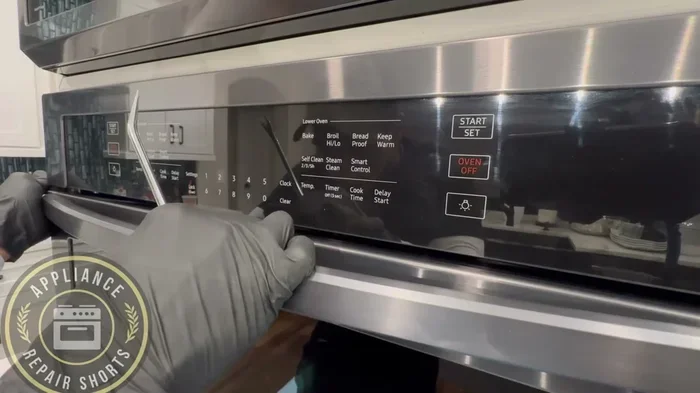
Place your prepared egg whites in the center of the oven. Avoid opening the door frequently, as this can cause temperature fluctuations. The sudden change in temperature can make soufflés collapse and meringues crack.
For meringues, bake for 1 to 1.5 hours. They are done when they feel dry and crisp on the outside. Turn off the oven and leave them inside with the door slightly ajar. This slow cooling prevents cracking and helps them dry out completely.
For soufflés and egg white cups, check them after 15 minutes. They should be puffed and set on top but still slightly jiggly in the center. They will continue to cook after you remove them from the oven.
Common Mistakes When Cooking Egg Whites In The Oven
Even experienced cooks make mistakes with oven-baked egg whites. Knowing what to avoid will save you time and frustration.
Mistake 1: Not Preheating The Oven
Always preheat your oven before placing your egg whites inside. Putting them in a cold oven leads to uneven cooking. The whites start to set slowly and may not rise properly. Give your oven at least 10 to 15 minutes to reach the target egg white baking temperature.
Mistake 2: Letting Fat Touch The Egg Whites
Even a tiny amount of fat from the yolk or from your bowl can prevent whites from whipping. Make sure your mixing bowl and whisk are completely grease-free. If you are using a copper bowl, this is less of a concern, but for stainless steel or glass, be extra careful.
Mistake 3: Opening The Oven Door Too Often
Every time you open the oven door, you release heat and change the temperature inside. This is especially bad for soufflés and delicate meringues. Use the oven light to check on your progress instead of opening the door. Trust the process and be patient.
Mistake 4: Baking In A Humid Environment
Egg whites are sensitive to humidity. On rainy or humid days, your meringues may take longer to bake or may turn out sticky. If you live in a humid climate, consider running your oven with the door open for a few minutes before baking to reduce moisture inside.
Mistake 5: Underbaking
This is one of the most common cooking egg whites in oven mistakes. Underbaked egg whites will be soggy and may not hold their shape. They can also taste raw or unpleasant. Always check for doneness by tapping the bottom of a meringue or soufflé. It should sound hollow and feel firm.
Best Egg White Recipes For The Oven
Once you master the basics, you can explore all kinds of delicious egg white oven recipes. Here are some of the most popular and easiest options to try.
Classic Vanilla Meringue Cookies
Meringue cookies are the simplest way to showcase baked egg whites. All you need are egg whites, sugar, vanilla extract, and a pinch of cream of tartar. Whip the whites to stiff peaks, fold in the sugar, pipe small mounds onto a lined baking sheet, and bake at 300°F for about an hour.
These cookies are crisp on the outside and marshmallowy on the inside. They store well in an airtight container for up to a week. They make great gifts and are naturally gluten-free.
Savory Egg White Cups
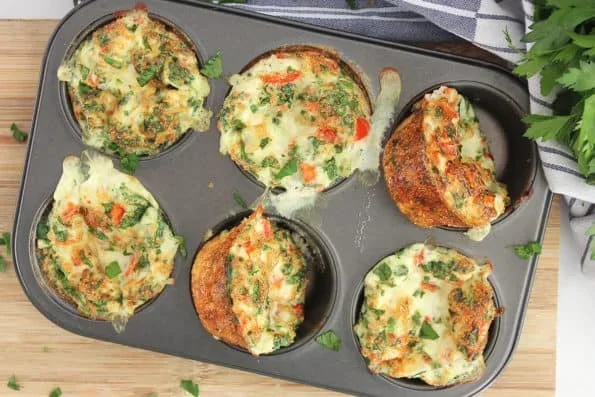
For a high-protein breakfast or snack, try egg white cups. Whisk egg whites with a splash of milk, salt, and pepper. Pour into a greased muffin tin and add diced vegetables like spinach, bell peppers, or mushrooms. Bake at 325°F for 15 to 20 minutes.
These cups are perfect for meal prep. You can make a batch on Sunday and grab them throughout the week. They are low in calories and high in egg white nutrition. Each cup has about 17 calories and 3.6 grams of protein.
Fluffy Egg White Soufflé
A soufflé is a showstopper dish that impresses everyone. Make a simple base with butter, flour, and milk, then fold in whipped egg whites. Pour into greased ramekins and bake at 325°F for 25 to 35 minutes.
Serve immediately for the best results. Soufflés naturally deflate after a few minutes, so timing is everything. For a sweet version, add chocolate or fruit to the base. For a savory version, try cheese, herbs, or mushrooms.
Egg White Chips Or Crisps
For a light and crunchy snack, spread thin layers of whipped egg whites on a parchment-lined baking sheet. Sprinkle with salt, herbs, or nutritional yeast. Bake at 200°F for 1.5 to 2 hours until completely dry and crisp.
These dried egg whites are a great alternative to regular chips. They are virtually fat-free and extremely light. You can season them with everything bagel seasoning, ranch powder, or chili flakes for extra flavor.
Health Benefits Of Egg Whites
Egg white nutrition is one of the best reasons to incorporate them into your diet. Egg whites are almost pure protein with virtually no fat or cholesterol. They are a favorite among bodybuilders, athletes, and anyone watching their calorie intake.
Here are some of the key egg white health benefits:
- High in protein: One large egg white contains about 3.6 grams of protein with only 17 calories.
- Low in calories: A serving of egg whites is incredibly light, making them ideal for weight management.
- Fat-free: Unlike whole eggs, egg whites contain no fat, which makes them perfect for low-fat diets.
- Rich in potassium: Egg whites provide a good amount of potassium, which supports heart health and muscle function.
- Low in cholesterol: Since all the cholesterol is in the yolk, egg whites are a heart-friendly option.
- Contains riboflavin: This B vitamin helps convert food into energy and supports cell function.
For people with dietary restrictions or cholesterol concerns, baking egg whites is an excellent way to get protein without the extra fat. They pair well with vegetables, whole grains, and healthy fats for a balanced meal.
Expert Tips For Perfect Oven-Baked Egg Whites
Here are some pro tips from experienced bakers that will elevate your egg white oven bake results every time.
Add A Pinch Of Salt At The Start
Adding a small pinch of salt to your egg whites before whipping helps strengthen the protein structure. This leads to more stable foam and better volume. Add the salt at the very beginning of whipping, not at the end.
Use Cream Of Tartar For Stability
Cream of tartar is an acid that helps stabilize whipped egg whites. Add about 1/8 teaspoon per egg white at the start of whipping. This prevents the whites from deflating and helps them hold their shape during baking.
Let Egg Whites Rest Before Baking
After whipping, let your egg whites rest in the refrigerator for 10 to 15 minutes. This resting period allows the proteins to relax and reorganize, leading to a more stable structure. When you bake them, they will rise better and hold their shape longer.
Use Parchment Paper, Not Wax Paper
This is a small detail that makes a big difference. Parchment paper is coated with silicone and can handle high heat. Wax paper has a wax coating that melts and sticks to your egg whites. Always reach for parchment when cooking egg whites in the oven.
Cool Egg Whites Slowly
For meringues especially, the cooling process is just as important as the baking process. Turn off the oven and crack the door open slightly. Let the meringues cool inside for at least 1 to 2 hours. This slow cooling prevents cracking and keeps them crisp.
Store Baked Egg Whites Properly
Store your oven-baked egg whites in an airtight container at room temperature. Meringues can last up to a week this way. If you live in a humid climate, add a small packet of silica gel or a few grains of rice to the container to absorb moisture and keep them crispy.
Key Takeaways
- Low and slow is the rule: Bake egg whites at 300°F to 325°F for even, consistent results.
- Prep matters: Separate eggs carefully, use a grease-free bowl, and whip to stiff peaks for the best texture.
- Patience pays off: Do not open the oven door too often, and let your baked egg whites cool slowly inside the oven.
- Avoid common pitfalls: Watch out for fat contamination, humidity, underbaking, and temperature fluctuations.
- Experiment with recipes: From sweet meringues to savory cups, the possibilities are endless once you master the basics.
- Health benefits are real: Egg whites are a fantastic source of low-calorie, fat-free protein that fits any diet.
Conclusion
Learning how to cook egg whites in the oven opens up a world of delicious and healthy possibilities. From crispy meringue cookies to fluffy soufflés and protein-packed breakfast cups, the oven gives you unmatched control and consistency. The key is to pay attention to temperature, timing, and preparation. Keep your oven at 300°F to 325°F, whip your whites to stiff peaks, and avoid the common mistakes we covered.
Egg whites are one of the simplest and most nutritious ingredients you can cook with. They are affordable, versatile, and packed with pure protein. Once you get comfortable with the process, you will find yourself making oven-baked egg whites regularly. They are perfect for meal prep, healthy snacking, and impressive desserts.
Start with the basic recipes in this guide and gradually try new variations. Experiment with flavors, shapes, and textures. The more you practice, the better your results will become. Soon, cooking egg whites in the oven will feel second nature to you. Enjoy the process, and most importantly, enjoy the delicious results.
Frequently Asked Questions
What temperature should I bake egg whites at?
The ideal egg white oven temperature is between 300°F and 325°F. This low heat allows the whites to set evenly without browning too quickly. For most recipes, 325°F is the sweet spot that gives you a good balance of crisp edges and a soft interior.
How long does it take to bake egg whites in the oven?
Baking time depends on what you are making. Meringue cookies typically take 1 to 1.5 hours, while soufflés need about 25 to 35 minutes. Egg white cups bake in just 15 to 20 minutes. Always check for doneness by looking for a firm, dry surface and a slight golden color.
Can I use an electric hand mixer to whip egg whites?
Yes, an electric hand mixer or stand mixer works best for whipping egg whites. It saves time and effort compared to whisking by hand. Start on low speed and gradually increase to high. You should reach stiff peaks in about 5 to 7 minutes with a good electric mixer.
Why did my meringue crack or collapse?
Cracking and collapsing usually happen due to sudden temperature changes. Opening the oven door too often or removing the meringue too quickly causes this. To prevent it, bake at a low temperature and let the meringues cool slowly inside the oven with the door slightly open. Humidity can also contribute to cracking.
Are egg whites healthy to eat?
Absolutely. Egg whites are low in calories, fat-free, and high in quality protein. One large egg white has only 17 calories and 3.6 grams of protein. They are also rich in potassium and riboflavin. Egg white health benefits make them a great choice for fitness enthusiasts and anyone watching their diet.
Can I store baked egg whites for later?
Yes, you can store baked egg whites in an airtight container at room temperature for up to a week. Meringues and egg white chips keep particularly well. For humid climates, add a silica packet or a few grains of rice to the container to absorb moisture and maintain crispness.