How To Cook Perfect Vegetable Shish Kabobs In The Oven
Cooking vegetable shish kabobs in the oven is one of the simplest and most delicious ways to enjoy grilled-style vegetables without firing up the grill. This method works year-round, requires minimal prep, and delivers beautifully caramelized veggies every single time. You will learn how to choose the best vegetables, build your skewers, and nail the perfect oven temperature for restaurant-quality results at home.
There is something truly special about vegetable shish kabobs straight out of the oven. The vegetables get beautifully caramelized on the outside while staying tender and juicy on the inside. Whether you are cooking for a weeknight dinner or hosting a weekend gathering, this method never disappoints.
Many people associate shish kabobs with outdoor grilling. But the truth is, your oven can produce equally impressive results. Cooking vegetable shish kabobs in the oven gives you more control over temperature and timing. It also means you can enjoy these delicious skewers no matter the weather or season.
In this guide, we will walk you through every step of the process. From picking the best vegetables to nailing the perfect bake time, you will find everything you need here. By the end, you will feel confident enough to make these oven-baked kabobs a regular part of your cooking rotation.
The best part? This recipe is forgiving and flexible. You can swap vegetables based on what is in season or what you have on hand. Let us dive in and learn how to make perfect vegetable shish kabobs right in your own kitchen.
Key Takeaways
- Oven-baked kabobs are easy: No grill needed. You can make perfect vegetable shish kabobs in your oven with just a few simple steps.
- Choosing the right vegetables matters: Firm vegetables like bell peppers, zucchini, mushrooms, and cherry tomatoes hold up best during baking.
- Marinating adds huge flavor: A simple olive oil and herb marinade transforms basic veggies into something extraordinary.
- Temperature and timing are key: Baking at 400°F for 20-25 minutes gives you the ideal balance of tenderness and char.
- Soak wooden skewers first: This prevents them from burning in the oven and makes assembly much easier.
- Serve with versatile sides: These kabobs pair well with rice, bread, salads, and dips like hummus or tzatziki.
📑 Table of Contents
- What Are Vegetable Shish Kabobs?
- Ingredients You Will Need
- How To Prepare Your Vegetables
- Oven Temperature and Timing
- Tips for Perfectly Cooked Kabobs Every Time
- Serving Suggestions and Variations
- Common Mistakes To Avoid
- Expert Insights on Oven-Baked Kabobs
- Comparison: Oven-Baked vs. Grilled Vegetable Kabobs
- Conclusion
What Are Vegetable Shish Kabobs?
Vegetable shish kabobs are skewered vegetables baked or grilled until tender and lightly charred. The word “shish” comes from the Turkish word for skewer. These kabobs have been a beloved dish across the Mediterranean and Middle East for centuries.
Unlike meat-based kabobs, vegetable shish kabobs rely on the natural flavors of fresh produce. They make an excellent healthy side dish or a light main course. Many people also use them as part of a broader Mediterranean vegetable spread.
The beauty of oven-baked kabobs lies in their simplicity. You thread vegetables onto skewers, add some seasoning, and let the oven do the work. There is no need to stand over a hot grill or worry about flare-ups.
Why Cook Them in the Oven?
Using your oven for grilled vegetables has several advantages. First, it provides even heat distribution. Every piece of vegetable gets cooked consistently. Second, you do not need to flip the skewers constantly like you would on a grill.
Oven cooking also gives you better control. You can set the temperature and timer and walk away. This makes meal prep much easier. You can prepare a batch of vegetable skewers ahead of time and reheat them when needed.
Another advantage is that oven-baked kabobs develop a lovely roasted flavor. The dry heat concentrates the natural sugars in the vegetables. This creates a depth of flavor that is hard to achieve with other cooking methods.
Ingredients You Will Need
Gathering the right ingredients is the first step toward making amazing vegetable shish kabobs. The good news is that you probably already have most of these items in your kitchen. Here is what you will need:
Core Vegetables
- Bell peppers – red, yellow, or orange work great. They add sweetness and vibrant color.
- Zucchini – this mild squash absorbs flavors beautifully and cooks quickly.
- Cherry tomatoes – they add bursts of juicy flavor and look gorgeous on skewers.
- Mushrooms – button or cremini mushrooms add a savory, meaty quality.
- Red onion – it caramelizes nicely and adds a subtle bite.
- Eggplant – optional but fantastic. It soaks up marinades like a sponge.
Marinade and Seasonings
- Olive oil – extra virgin olive oil is the best choice for flavor and health benefits.
- Garlic – fresh minced garlic adds a wonderful aromatic base.
- Lemon juice – this brightens all the flavors and adds a fresh zing.
- Dried oregano – a classic Mediterranean herb that complements vegetables perfectly.
- Salt and black pepper – simple but essential for bringing out natural flavors.
- Paprika – adds a subtle smokiness and beautiful color.
Skewer Options
You have two main choices for kebab skewers. Wooden skewers are affordable and disposable. Soak them in water for at least 30 minutes before using to prevent burning. Metal skewers are reusable and do not need soaking. They also conduct heat better, which can help create those nice charred edges.
How To Prepare Your Vegetables
Proper preparation makes all the difference when you are making vegetable shish kabobs. Taking a few extra minutes to cut and prep your vegetables correctly will save you time and frustration later.
Cutting Techniques
Cut your vegetables into uniform pieces. This ensures they cook at the same rate. Aim for chunks that are about 1 to 1.5 inches thick. Too small, and they will fall apart. Too large, and they will not cook through evenly.
Here are some cutting tips for each vegetable:
- Bell peppers – cut into large squares or rectangles, removing seeds and stems.
- Zucchini – slice into rounds about half an inch thick.
- Cherry tomatoes – leave them whole. They cook perfectly on the skewer as-is.
- Mushrooms – leave whole or halve large ones.
- Red onion – cut into wedges, keeping the layers together.
- Eggplant – cut into thick cubes and sprinkle with salt to draw out moisture.
Building the Skewers
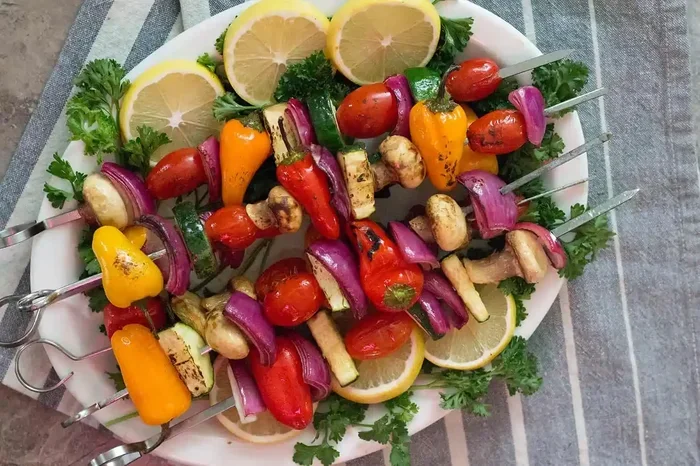
Thread the vegetables onto your skewers in a pattern. Alternate colors and textures for a visually appealing result. A classic arrangement might go: pepper, onion, mushroom, zucchini, tomato, and repeat.
Do not pack the vegetables too tightly. Leave a small gap between each piece. This allows hot air to circulate and cook the vegetables evenly. Crowded skewers will steam instead of roast, which can make them soggy.
Marinating Your Kabobs
Marinating is optional but highly recommended. A simple olive oil marinade with garlic, lemon, and herbs elevates the flavor tremendously. Place your assembled skewers in a shallow dish or zip-lock bag and pour the marinade over them.
Let the kabobs marinate for at least 15 minutes. For deeper flavor, marinate them for up to 2 hours in the refrigerator. The acid from the lemon juice and the oil work together to tenderize the vegetables and infuse them with flavor.
Quick Tips for Prep
- Pat vegetables dry before marinating. Excess moisture can prevent proper caramelization.
- Use a cutting board with a groove to catch juices and keep your counter clean.
- Prep all vegetables before you start threading. This keeps the process smooth and efficient.
- If using wooden skewers, always soak them. Skipping this step is one of the most common cooking mistakes people make.
Oven Temperature and Timing
Getting the temperature right is the most important factor for perfect oven-baked kabobs. Too low, and your vegetables will be limp and pale. Too high, and the outside will burn before the inside cooks through.
Recommended Oven Settings
Preheat your oven to 400°F (200°C). This is the sweet spot for vegetable shish kabobs. It is hot enough to create a beautiful roasted exterior while cooking the vegetables through gently.
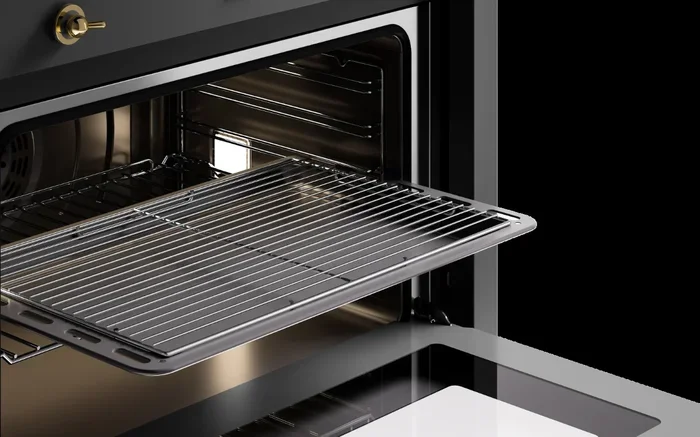
Line a baking sheet with parchment paper or aluminum foil. This makes cleanup a breeze. Place a wire rack on top of the baking sheet if you have one. The rack allows air to flow around the skewers, promoting even cooking.
Place the skewers on the baking sheet or rack. Make sure they are not touching each other. Leave space between each skewer for proper air circulation.
How Long To Bake
Bake the vegetable shish kabobs for 20 to 25 minutes. The exact time depends on the vegetables you used and how thick your pieces are. Here is a general guide:
- Thin vegetables like zucchini and cherry tomatoes – check at 15 minutes.
- Medium vegetables like bell peppers and mushrooms – check at 20 minutes.
- Thick vegetables like eggplant and onion wedges – may need the full 25 minutes or slightly more.
Flip the skewers halfway through cooking. This ensures both sides get evenly browned. Use oven mitts to handle the hot skewers safely.
Signs Your Kabobs Are Done
Look for these visual cues to know your oven-baked kabobs are ready:
- Vegetables have visible char marks and golden-brown edges.
- They feel slightly tender when pierced with a fork.
- The cherry tomatoes have blistered and softened.
- The onions have turned translucent and caramelized at the edges.
Remove the kabobs from the oven and let them rest for 2 to 3 minutes. This allows the flavors to settle and makes them easier to handle.
Tips for Perfectly Cooked Kabobs Every Time
Even with a great recipe, small details can make or break your vegetable shish kabobs. Here are some expert tips to help you achieve the best results every single time.
Choose the Right Vegetables
Not all vegetables behave the same way in the oven. Some release a lot of moisture and can make your kabobs soggy. Others hold their shape beautifully. Stick to firm vegetables that can withstand high heat. Vegetables like bell peppers, zucchini, mushrooms, and eggplant are excellent choices. Avoid soft vegetables like lettuce or raw spinach. They will wilt completely and fall apart.
Do Not Skip the Soaking Step
If you are using wooden skewers, this step is non-negotiable. Soak them in cold water for at least 30 minutes before assembling. This prevents them from catching fire or burning in the oven. Some people soak them for a full hour, and that works even better. The water absorbed by the wood creates a barrier against the intense oven heat.
Season Generously
Vegetables need more seasoning than you might think. The oven’s dry heat can make food taste blander if you under-season. Be generous with your salt, pepper, and herbs. A drizzle of good quality extra virgin olive oil also helps the seasonings stick to the vegetables and promotes browning.
Use Parchment Paper
Line your baking sheet with parchment paper before placing the skewers. This prevents sticking and makes cleanup effortless. It also promotes airflow underneath the skewers, which helps achieve even browning on all sides.
Let Them Rest
Resist the urge to dig in immediately. Letting the grilled vegetables rest for a few minutes after baking allows the juices to redistribute. This small step makes a noticeable difference in texture and flavor.
Serving Suggestions and Variations
Vegetable shish kabobs are incredibly versatile. You can serve them in many different ways depending on the occasion and your personal taste. Here are some ideas to inspire you.
Simple Side Dishes
These kabobs pair wonderfully with a variety of sides. Try serving them alongside:
- Rice pilaf – a light, herby rice makes a complete and satisfying meal.
- Crusty bread – perfect for soaking up the delicious juices and marinade.
- Greek salad – adds freshness and complements the Mediterranean flavors.
- Hummus or tzatziki – creamy dips add a wonderful contrast to the roasted vegetables.
- Quinoa salad – a lighter option that adds protein and texture.
Flavor Variations
Once you master the basic recipe, feel free to experiment with different flavor profiles. Here are three delicious variations:
Mediterranean Style: Add feta cheese crumbles after baking. Drizzle with extra olive oil and sprinkle with fresh herbs like parsley and mint.
Asian Inspired: Swap the Mediterranean marinade for soy sauce, sesame oil, and a touch of honey. Add bok choy and snap peas to your skewers.
Herb Roasted: Toss the vegetables with fresh rosemary, thyme, and a generous amount of garlic before baking. This creates a rustic, aromatic flavor profile.
Meal Prep Friendly
Vegetable shish kabobs are excellent for meal prep. You can assemble and marinate the skewers the night before. Store them covered in the refrigerator. When you are ready to cook, simply pop them in the oven. You can also bake them ahead of time and reheat them in the oven at 350°F for 10 minutes. They taste just as good the second time around.
Common Mistakes To Avoid
Even experienced cooks can stumble when making vegetable shish kabobs in the oven. Being aware of these common pitfalls helps you avoid them.
Overcrowding the Skewers
It is tempting to pack as many vegetables as possible onto each skewer. This creates uneven cooking. Vegetables in the center steam instead of roast, leading to mushy results. Leave space between each piece and the vegetables will cook perfectly.
Using the Wrong Oven Temperature
Too low a temperature will leave your vegetables undercooked and pale. Too high will burn the outside while leaving the inside raw. Stick to 400°F for the best balance of caramelization and thorough cooking.
Forgetting to Flip
Ovens have hot spots, and some areas of the baking sheet may be hotter than others. Flipping the skewers halfway through ensures even browning on all sides. This one simple step dramatically improves the final result.
Not Letting Vegetables Dry
Excess moisture on the surface of your vegetables creates steam in the oven. This prevents the beautiful browning and caramelization you are looking for. Always pat your vegetables dry after washing and before marinating.
Expert Insights on Oven-Baked Kabobs
Professional chefs often share the same advice when it comes to making vegetable shish kabobs in the oven. The key is patience and attention to detail.
Chef Maria Lopez, a Mediterranean cuisine specialist, emphasizes the importance of quality olive oil. She says, “A good olive oil does more than add flavor. It helps the vegetables brown and creates a beautiful glaze on the outside.”
Another tip from culinary experts is to season in layers. Add some salt before marinating, then adjust the seasoning after baking. This two-step approach builds a more complex and satisfying flavor profile.
Food scientist Dr. James Chen explains that the Maillard reaction is responsible for the delicious browning on roasted vegetables. He notes that maintaining the right oven temperature and not overcrowding the pan are the two most important factors for triggering this reaction. When done correctly, the result is a depth of flavor that raw vegetables simply cannot achieve.
Comparison: Oven-Baked vs. Grilled Vegetable Kabobs
| Feature | Oven-Baked Kabobs | Grilled Kabobs |
|---|---|---|
| Convenience | Very high. No outdoor setup needed. | Requires a grill and outdoor space. |
| Year-round use | Yes. Works in any season. | Best in warm weather. |
| Char flavor | Good but slightly less smoky. | Excellent smoky char flavor. |
| Temperature control | Precise and consistent. | Depends on grill heat management. |
| Cleanup | Easy with parchment paper. | Requires grill cleaning. |
| Flavor | Roasted, caramelized, and rich. | Smoky, charred, and bold. |
| Best for | Weeknight dinners and meal prep. | Summer gatherings and outdoor events. |
Both methods produce delicious vegetable shish kabobs. The oven method wins for convenience and consistency. Grilling wins for flavor. But honestly, you cannot go wrong with either approach. Choose based on what works best for your situation.
Conclusion
Cooking vegetable shish kabobs in the oven is one of the easiest and most rewarding things you can do in the kitchen. With just a few fresh vegetables, a simple marinade, and a hot oven, you can create a dish that looks impressive and tastes even better.
This method is perfect for busy weeknights, healthy meal prep, and weekend entertaining. The vegetable shish kabobs come together quickly, bake without any fuss, and deliver consistently delicious results every time.
Remember to choose firm vegetables, soak your wooden skewers, and keep the oven at 400°F. Do not rush the process. Let the vegetables marinate, bake them until they are golden and tender, and serve them with your favorite sides.
Once you master this basic technique, the possibilities are endless. You can experiment with different vegetables, marinades, and flavor combinations. Soon, vegetable shish kabobs will become one of your go-to recipes. So preheat that oven, grab your skewers, and get cooking. Your taste buds will thank you.
Frequently Asked Questions
Can I use frozen vegetables for shish kabobs?
You can, but fresh vegetables produce the best results. If using frozen vegetables, thaw them completely and pat them dry before threading onto skewers. Excess moisture from frozen vegetables can prevent proper browning and make the kabobs soggy.
Do I need to soak wooden skewers before putting them in the oven?
Yes, absolutely. Soaking wooden skewers in water for at least 30 minutes prevents them from burning or catching fire in the oven. This is one of the most important steps for successful oven-baked kabobs. You can even soak them for an hour for extra insurance.
What temperature should I bake vegetable shish kabobs at?
Bake your vegetable shish kabobs at 400°F (200°C). This temperature provides the perfect balance of caramelization and thorough cooking. It ensures the vegetables develop a nice roasted exterior while staying tender and juicy on the inside.
Can I make these kabobs ahead of time?
Yes, vegetable shish kabobs are excellent for meal prep. You can assemble and marinate them the night before and store them in the refrigerator. When you are ready to cook, simply place them in the preheated oven. They also reheat well for up to two days after baking.
What is the best way to serve vegetable shish kabobs?
These kabobs pair wonderfully with rice, couscous, crusty bread, or a fresh salad. They also make a great addition to a Mediterranean vegetable spread. Serve them with hummus, tzatziki, or a simple yogurt dip for a complete and satisfying meal.
Can I add cheese to my vegetable shish kabobs?
Absolutely! Adding cheese is a delicious way to elevate your vegetable shish kabobs. Crumble feta on top after baking, or thread small mozzarella balls onto the skewers before baking. The cheese will melt slightly and add a creamy, savory element to the dish.