How To Get Coffee Stain Out Of White Shirt For Good
Getting a coffee stain on your white shirt can be frustrating, but it doesn’t have to be permanent. This guide covers the best ways to remove coffee stains from white fabric using simple household items and powerful cleaning solutions. You will learn step-by-step methods that work on fresh and set-in stains, so your favorite white shirt stays bright and stain-free.
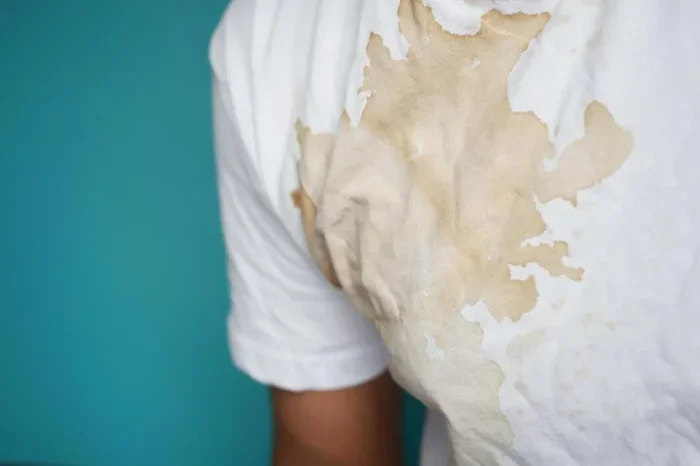
Nothing ruins a morning quite like watching dark coffee drip onto your favorite white shirt. Whether you are rushing out the door or sitting down to enjoy your first cup, a coffee stain on white fabric can feel like a disaster. But here is the good news. Getting a coffee stain out of a white shirt is absolutely doable, and you do not need expensive products or a trip to the dry cleaner to make it happen.
This guide walks you through every method you need to know. From quick emergency fixes to deep-cleaning techniques for set-in stains, we have you covered. You will learn how to use things you already have in your kitchen and bathroom to lift those stubborn brown marks. By the end, you will feel confident tackling any coffee spill on your white clothing with ease.
The key to successful coffee stain removal is understanding what causes the stain and how different fabrics react. White shirts are especially vulnerable because there is no color to hide behind. But the good thing is that white fabric also shows when a treatment is working. You can see the stain lifting in real time, which makes the process satisfying and effective.
Key Takeaways
- Act fast: The sooner you treat a coffee spill, the easier it is to remove the stain completely.
- Cold water first: Always rinse with cold water before applying any stain remover to prevent the stain from setting.
- Household items work: Vinegar, baking soda, dish soap, and hydrogen peroxide are effective and affordable stain fighters.
- Avoid heat: Never put a stained shirt in the dryer until the stain is fully gone, as heat can lock the stain in permanently.
- Prevention matters: Simple habits like using a lid and sipping carefully can help you avoid future coffee spills on white clothing.
- Patience is key: Stubborn stains may need multiple treatments, but persistence pays off.
📑 Table of Contents
- Why Coffee Stains Are So Tough on White Shirts
- What You Need to Treat Coffee Stains
- How to Remove Fresh Coffee Stains from White Shirts
- How to Treat Set-In Coffee Stains on White Fabric
- Preventing Coffee Stains on White Shirts
- Common Mistakes to Avoid When Removing Coffee Stains
- When to Seek Professional Help
- Final Thoughts on Coffee Stain Removal
Why Coffee Stains Are So Tough on White Shirts
Coffee is a complex liquid. It contains tannins, oils, and dark pigments that cling to fabric fibers. When coffee meets white cotton or other natural fibers, those compounds bond quickly. The hotter the coffee, the deeper it seeps into the material. This is why a fresh spill needs immediate attention. The longer it sits, the harder it becomes to remove.
White fabric adds another challenge. Any discoloration shows up instantly and clearly. Even a tiny splash can look dramatic on a bright white shirt. Understanding this helps you choose the right treatment approach. You want methods that break down the tannins and lift the pigment without damaging the fabric or leaving traces behind.
The Science Behind Coffee Stains
Tannins are natural compounds found in coffee beans. They give coffee its rich flavor, but they also act as a dye. When tannins meet fabric, they create a bond that is surprisingly strong. Heat accelerates this bonding process. That is why washing a stained shirt in hot water can actually make the stain worse. Cold water slows down the chemical reaction and gives you time to treat the spot effectively.
Coffee also contains oils. These oils can penetrate deep into fabric fibers and create a greasy layer that holds the dark pigment in place. This is why some stain removal methods focus on breaking down the oil first before tackling the color. A two-step approach works best for tough coffee stains on white shirts.
What You Need to Treat Coffee Stains
Before you start treating a stain, gather your supplies. Most of what you need is probably already in your home. Having everything ready helps you act fast, which is the most important factor in successful stain removal.
Essential Supplies for Coffee Stain Removal
- Cold water — the most important first step for any fresh stain
- White vinegar — a natural acid that breaks down tannins and lifts pigment
- Baking soda — a gentle abrasive that absorbs oils and lightens stains
- Dish soap — cuts through oils and helps emulsify the coffee pigment
- Hydrogen peroxide — a mild bleaching agent that works well on white fabric
- Lemon juice — a natural whitener that pairs well with sunlight
- Clean cloth or sponge — for blotting and applying treatments
- Laundry detergent — your regular detergent for the final wash
Having these items on hand means you can handle any coffee spill, no matter how bad. You do not need to run to the store or order special products. A simple home remedy kit for stain removal can save your favorite white shirts and your wallet too.
How to Remove Fresh Coffee Stains from White Shirts
Fresh coffee stains are much easier to deal with than old ones. The key is to move quickly and use the right technique. Here is exactly what to do when a spill happens.
Step 1: Blot Immediately
Do not rub the stain. Rubbing pushes the coffee deeper into the fabric fibers. Instead, grab a clean cloth or paper towel and blot gently. Press down on the stain to absorb as much liquid as possible. Work from the outside of the stain inward to prevent it from spreading.
If you are at a restaurant or office, use a napkin or any clean cloth available. The goal is to remove excess liquid before it has a chance to bond with the fabric. Even a few seconds of quick blotting can make a huge difference in how easily the stain comes out later.
Step 2: Rinse with Cold Water
Hold the stained area under cold running water. Make sure the water flows from the back of the fabric, pushing the coffee out rather than pushing it deeper. Cold water is essential here. Hot water will set the stain by cooking the tannins into the fibers.
Rinse for at least 30 seconds. You should see the water running clearer as the coffee loosens. This step removes a large portion of the stain before you even apply any cleaning product. It is the foundation of every successful coffee stain treatment.
Step 3: Apply a Cleaning Solution
After rinsing, apply a small amount of dish soap directly to the stain. Gently work it into the fabric with your fingers or a soft brush. Let it sit for about five minutes. The dish soap breaks down the oils in the coffee and helps lift the pigment away from the fibers.
For an extra boost, mix equal parts white vinegar and water and apply it after the dish soap. The vinegar helps neutralize the stain and brightens white fabric. This combination works wonders on fresh coffee spills and is one of the most reliable stain removal methods for white clothing.
Step 4: Wash and Check
Once the stain has been treated, wash the shirt in cold water with your regular laundry detergent. Check the stain before putting it in the dryer. If any trace remains, repeat the treatment. Never dry a stained shirt, as the heat will permanently set the stain.
If the stain is completely gone, you are done. Your white shirt looks as good as new. If not, do not worry. There are more powerful methods for stubborn stains that we will cover next.
How to Treat Set-In Coffee Stains on White Fabric
Set-in coffee stains require more effort, but they are not impossible to remove. These stains have had time to bond with the fabric fibers, so you need stronger treatments. The good news is that many of these methods use items you already own.
Method 1: Baking Soda Paste
Baking soda is a gentle but effective cleaning agent. Make a paste by mixing three parts baking soda with one part water. Apply the paste directly to the stain and let it sit for at least 30 minutes. The baking soda will absorb the oils and draw the coffee pigment out of the fabric.
After 30 minutes, rinse the paste off with cold water. You should see a noticeable improvement. For older stains, you may need to repeat this process two or three times. Baking soda is safe for all fabrics and will not damage your white shirt.
Method 2: Hydrogen Peroxide Treatment
Hydrogen peroxide is a mild bleaching agent that works well on white fabric. Apply a small amount directly to the stain and let it sit for 15 to 20 minutes. The bubbling action helps lift the stain from the fibers. Rinse thoroughly with cold water afterward.
Be careful with hydrogen peroxide on colored fabrics, as it can bleach them. Since we are focusing on white shirts, this is a safe and effective option. It is one of the strongest home remedies for removing old coffee stains from white clothing.
Method 3: Vinegar and Dish Soap Soak
For stubborn stains that will not budge, try a soaking method. Mix one cup of white vinegar with two tablespoons of dish soap in a basin of cold water. Submerge the stained shirt and let it soak for one to two hours. The vinegar breaks down the tannins while the dish soap lifts the oils and pigment.
After soaking, gently scrub the stain with a soft brush and rinse with cold water. Wash the shirt as normal. This method is excellent for tough coffee stains that have been through the dryer or sat for days. It gives the cleaning solution time to penetrate deep into the fibers.
Method 4: Lemon Juice and Sunlight
Lemon juice is a natural bleaching agent that works especially well when combined with sunlight. Apply fresh lemon juice to the stain and place the shirt in direct sunlight for a few hours. The UV rays activate the lemon juice and help break down the coffee pigment naturally.
This method is gentle, eco-friendly, and very effective on white cotton shirts. It is one of the oldest stain treatment techniques and still works remarkably well today. Just make sure the fabric stays damp with lemon juice during the entire sun exposure time.
Preventing Coffee Stains on White Shirts
Prevention is always better than treatment. While it is impossible to never spill coffee again, you can take simple steps to reduce the risk of stains on your white shirts. A few small changes in your routine can save you a lot of laundry headaches.
Simple Habits That Help
- Use a lid on your coffee mug whenever possible. This is the single most effective way to prevent spills.
- Sip carefully — avoid rushing while drinking, especially when wearing light-colored clothing.
- Keep napkins handy — place one on your lap or lap desk to catch any drips.
- Wear darker colors around the house if you are prone to spills. Reserve white shirts for occasions where you are more careful.
- Treat spills immediately — even if you cannot do a full stain removal, rinsing with cold water right away prevents the stain from setting.
These habits may seem simple, but they make a real difference over time. The goal is to enjoy your coffee without worrying about ruining your clothes. And if a spill does happen, you now know exactly what to do.
Fabric Care Tips for White Shirts
Taking care of your white shirts extends their life and keeps them looking bright. Wash white shirts separately from colored clothes to avoid dye transfer. Use a quality laundry detergent designed for whites, and add a whitening booster if needed. Avoid overloading the washing machine, as this can prevent clothes from getting fully clean.
Store your white shirts in a clean, dry space. Sunlight can help keep them bright, but prolonged exposure can weaken fibers over time. A balanced approach to fabric care ensures your white shirts stay stain-ready and looking fresh for years to come.
Common Mistakes to Avoid When Removing Coffee Stains
Even with the best intentions, some common mistakes can make coffee stains worse. Avoid these pitfalls to ensure your stain removal efforts are successful.
Using Hot Water on Fresh Stains
This is the number one mistake people make. Hot water sets coffee stains by cooking the tannins into the fabric. Always use cold water first, no matter how tempting it feels to use warm or hot water. Cold water keeps the stain loose and easier to remove.
Rubbing the Stain Instead of Blotting
Rubbing spreads the stain and pushes it deeper into the fibers. Always blot gently with a clean cloth. Pressing down absorbs the liquid without spreading it to surrounding areas. This simple change in technique can save your shirt.
Putting a Stained Shirt in the Dryer
Heat from a dryer permanently locks stains into fabric. If there is any chance the stain is still present, do not put the shirt in the dryer. Air dry it instead and re-treat the stain if needed. This rule applies whether you are dealing with coffee, grease, or any other type of stain. The same principle applies when you are cleaning appliances — always check that residue is fully removed before applying heat.
Using Too Much Cleaning Product
More is not always better. Using too much hydrogen peroxide or vinegar can damage fabric fibers or leave their own marks. Use a small amount and test on a hidden area first if you are unsure. A little goes a long way when it comes to stain remover applications.
Ignoring the Stain and Hoping It Will Come Out
Coffee stains do not just disappear on their own. The longer you wait, the more the tannins bond with the fabric. Treat stains as soon as possible, even if it means pausing whatever you are doing. Quick action is the difference between a simple rinse and a deep cleaning session.
When to Seek Professional Help
Most coffee stains respond well to home treatments. But sometimes a stain is just too stubborn or the shirt is too valuable to risk. In these cases, it is perfectly fine to take your white shirt to a professional cleaner. They have access to industrial-grade cleaning solutions and techniques that can handle even the worst set-in stains.
Before you go, let the cleaner know exactly what you have already tried. This helps them choose the right treatment without causing further damage. A professional can also advise on whether a particular fabric can handle strong bleaching agents or needs a gentler approach.
Think of it like maintaining your kitchen appliances. Just as you might remove grease buildup with the right technique, removing coffee stains requires the right method for the specific situation. Sometimes the right tool or professional makes all the difference.
Final Thoughts on Coffee Stain Removal
Dealing with a coffee stain on a white shirt does not have to be stressful. With the right knowledge and a few simple supplies, you can tackle any coffee spill confidently. The most important thing to remember is to act fast and use cold water first. From there, the right treatment method depends on how old the stain is and how deep it has set.
Whether you prefer home remedies like vinegar and baking soda or stronger solutions like hydrogen peroxide, there is a method that will work for you. The key is patience and persistence. Do not give up after one treatment if the stain is still visible. Repeat the process and trust the science behind each method.
Your white shirts are worth the effort. They look sharp, feel clean, and give you a polished look for any occasion. By following the tips in this guide, you can keep them looking their best and handle any coffee spill with confidence. Remember, every stain you successfully remove is a small win that builds your skills and saves your favorite clothes from the trash.
So the next time you reach for your morning coffee, do it with peace of mind. You have the knowledge and tools to handle whatever happens. And if a spill does occur, you know exactly what to do. Coffee stains on white shirts do not stand a chance when you know what you are doing.
Frequently Asked Questions
Can coffee stains be completely removed from white shirts?
Yes, most coffee stains can be completely removed from white shirts, especially when you treat them quickly. Fresh stains respond best to cold water and dish soap. Set-in stains may need stronger treatments like hydrogen peroxide or a vinegar soak, but they are still removable with patience and the right method.
What is the fastest way to get a coffee stain out of a white shirt?
The fastest method is to blot the stain immediately, rinse it with cold water, and apply a mixture of dish soap and white vinegar. This combination breaks down the oils and lifts the pigment quickly. For best results, wash the shirt in cold water with regular detergent right after treating the stain.
Does hydrogen peroxide damage white fabric?
Hydrogen peroxide is safe for white fabric and is actually commonly used as a gentle bleaching agent. It works well on cotton and other natural fibers found in white shirts. However, always test it on a small hidden area first and never use it on colored fabrics, as it can cause bleaching.
Should I use hot or cold water to rinse a coffee stain?
Always use cold water. Hot water sets coffee stains by bonding the tannins to the fabric fibers. Cold water keeps the stain loose and makes it much easier to remove. This is one of the most important rules in coffee stain removal and applies to all types of fabric stains.
Can old coffee stains be removed from white shirts?
Yes, old coffee stains can still be removed, though they may require more effort. Try a baking soda paste, a hydrogen peroxide treatment, or a vinegar and dish soap soak. Allow the solution to sit for at least 30 minutes before rinsing. Multiple treatments may be needed for very old or set-in stains.
What should I do if the coffee stain has already been dried in the dryer?
Dried coffee stains are harder to remove but not impossible. Start by soaking the shirt in a mixture of cold water and white vinegar for one to two hours. Then apply a baking soda paste and let it sit for another 30 minutes. Wash in cold water with detergent and repeat if needed. Never put a stained shirt back in the dryer until the stain is fully gone.
=== CONCLUSION ===
Removing coffee stains from white shirts is a skill anyone can learn. With the right approach, cold water, and a few household items, you can save your favorite white clothing from permanent damage. Act quickly, treat the stain properly, and never put it in the dryer until the stain is completely gone. These simple steps make all the difference. Keep this guide handy for your next coffee spill and enjoy your morning cup without worry.