How To Make Ground Coffee Without A Coffee Maker At Home
Making ground coffee without a coffee maker is simple, affordable, and delivers rich flavor. You can use a stovetop, French press, or pour-over method with just hot water and your favorite coffee grounds. This guide walks you through every easy step so you can brew a great cup at home.
There is something truly satisfying about brewing a cup of ground coffee without relying on a fancy machine. Whether your coffee maker broke down, you are camping in the woods, or you simply want a more hands-on approach, making ground coffee without a coffee maker is easier than you think.
People have been brewing coffee by hand for centuries. Long before electric machines existed, people used simple tools and techniques to extract the rich flavors from coffee beans. Today, you can use those same timeless methods to enjoy a delicious cup of fresh coffee right in your own kitchen.
This guide covers everything you need to know. From choosing the right coffee grounds to mastering water temperature and brew time, you will find practical steps for every method. Whether you prefer a bold French press style or a clean pour over coffee cup, this article has you covered.
Let us dive into the simple techniques that will transform your morning routine. No expensive equipment required. Just good coffee, hot water, and a little patience.
Key Takeaways
- Multiple Methods Available: You can brew ground coffee using a stovetop, French press, pour-over, or even a simple cloth filter.
- No Special Equipment Needed: All methods use basic kitchen tools you likely already own.
- Fresh Taste Every Time: Manual brewing lets you control grind size, water temperature, and strength.
- Cost Effective: Skip the expensive coffee maker and still enjoy café-quality coffee at home.
- Quick Cleanup: Most methods are easy to clean and require minimal effort.
📑 Table of Contents
- Why Make Ground Coffee Without A Coffee Maker?
- What You Need To Get Started
- Method 1: Stovetop Brewing
- Method 2: French Press Brewing
- Method 3: Pour Over Coffee
- Method 4: Cloth Filter or Cheesecloth Brewing
- Method 5: The Cowboy Coffee Method
- Common Mistakes To Avoid
- Cleaning Up After Brewing
- How To Store Your Ground Coffee
- Comparison of Brewing Methods
- Final Thoughts
Why Make Ground Coffee Without A Coffee Maker?
You might wonder why anyone would bother brewing coffee without a machine. The reasons are simpler than you think. First, coffee makers can be expensive. A decent one costs anywhere from 30 to 200 dollars or more. When you brew by hand, you skip that cost entirely.
Second, manual brewing often produces a better coffee taste. When you control every variable, you get a more customized cup. You decide the grind size, the water temperature, and how long the coffee steeps. This level of control is hard to achieve with most machines.
Third, hand brewing teaches you to appreciate the process. The slow pour, the gentle steep, and the rich aroma filling your kitchen, these small moments make mornings better. Many coffee lovers say that manual brewing makes their daily routine feel more intentional and peaceful.
Finally, knowing how to brew without a machine means you are never stuck without coffee. Power outages, camping trips, or broken machines no longer mean starting your day without a warm cup. You always have a backup plan.
What You Need To Get Started
Choosing Your Coffee Beans
Start with quality coffee beans. Fresh beans make a huge difference in taste. Look for beans that were roasted within the last two weeks. Store them in an airtight container away from sunlight. Whole beans stay fresh longer than pre-ground options.
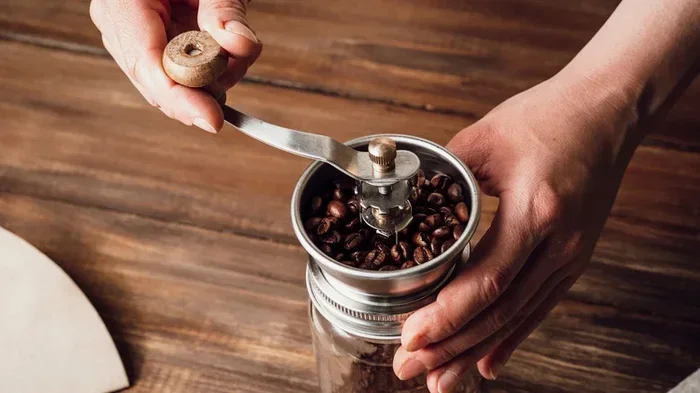
When you are ready to brew, you will need to grind the beans. A simple hand grinder works perfectly. If you do not have one, many grocery stores offer grinding services at the coffee counter. Just ask them for a coarse or medium grind depending on your method.
Grind Size Matters
The grind size affects how your coffee tastes. Coarse grinds work best for French press methods. Medium grinds suit pour over coffee and stovetop brewing. Fine grinds are better for methods that use shorter contact times with water.
Using the wrong grind size can lead to bitter or weak coffee. Take a moment to match your grind to your brewing method. This small step makes a big difference in your final cup.
Water Quality and Temperature
Use clean, filtered water for the best results. Water makes up over 98 percent of your coffee, so its quality matters a lot. Avoid distilled water because it lacks minerals that help extract flavor.
The ideal water temperature for brewing is between 195 and 205 degrees Fahrenheit. If you do not have a thermometer, simply bring water to a boil and let it sit for 30 seconds. This gives you the perfect temperature range for coffee extraction.
Method 1: Stovetop Brewing
Stovetop brewing is one of the oldest and most reliable ways to make ground coffee without a coffee maker. This method works on any stove, gas or electric. You only need a small pot, water, and your coffee grounds.
Step-by-Step Stovetop Instructions
- Add one cup of cold water to a small saucepan.
- Stir in two tablespoons of coarse ground coffee.
- Place the pot on medium heat and bring it to a gentle boil.
- Watch for the foam to rise. Remove from heat just before it boils over.
- Let the grounds settle for about two minutes.
- Pour the coffee slowly into your cup, leaving the grounds behind.
This method produces a strong, rich cup of coffee. The slow heating helps extract deep flavors from the grounds. Some people prefer to repeat the process for an even stronger brew. Simply bring the coffee back up to a gentle boil once more, then let it settle again before pouring.
Quick Tip: Do not rush the boiling process. High heat can burn the coffee grounds and create a bitter taste. Keep the heat moderate and let the flavors develop slowly.
Method 2: French Press Brewing
The French press is one of the most popular ways to brew ground coffee without a machine. It produces a full-bodied cup with rich oils and deep flavor. If you already own a French press, you know how easy and satisfying this method is.
How To Brew With a French Press
- Add two tablespoons of coarse coffee grounds to the French press.
- Pour hot water over the grounds, filling the press halfway.
- Stir gently and let it sit for 30 seconds.
- Fill the press the rest of the way with hot water.
- Place the lid on and let the coffee steep for four minutes.
- Press the plunger down slowly and evenly.
- Pour immediately into your cup to avoid over-extraction.
The French press method gives you complete control over brew time and strength. If you like a milder cup, reduce the steeping time to three minutes. For a bolder brew, extend it to five minutes. The beauty of this method is that you can adjust it to your personal preference every single time.
Expert Insight: Many coffee experts recommend using a 1:15 ratio. That means one part coffee to 15 parts water. For a standard cup, this translates to about two tablespoons of grounds per eight ounces of water. Adjust to taste from there.
Method 3: Pour Over Coffee
Pour over coffee is a clean, elegant brewing method. It produces a bright, clear cup that highlights the unique flavors of your beans. All you need is a pour-over dripper, a filter, and a mug or carafe underneath.
How To Brew Pour Over Coffee
- Place a paper or cloth filter in your pour-over dripper.
- Rinse the filter with hot water to remove any paper taste. Discard the rinse water.
- Add two tablespoons of medium ground coffee to the filter.
- Pour a small amount of hot water over the grounds and let them bloom for 30 seconds.
- Slowly pour the remaining water in a circular motion.
- Wait for all the water to drip through.
- Remove the dripper and enjoy your fresh coffee.
The blooming step is important. When hot water first touches the grounds, they release carbon dioxide. This prepares them for even extraction. Skipping the bloom can result in uneven flavor and a slightly sour taste.
Pour over coffee gives you the most control of any manual method. The speed of your pour, the amount of water, and the temperature all affect the final cup. Practice makes perfect, and soon you will brew like a pro.
Method 4: Cloth Filter or Cheesecloth Brewing
If you do not have a coffee filter, you can use a clean cloth or cheesecloth. This method works well in a pinch and produces a flavorful cup. It is one of the simplest ways to make ground coffee without any special equipment.
How To Brew With a Cloth Filter
- Place a clean piece of cheesecloth or a cotton cloth over your mug.
- Add two tablespoons of medium ground coffee to the cloth.
- Pour hot water slowly over the grounds.
- Let the coffee drip through into the mug.
- Gather the cloth edges and squeeze gently to extract remaining liquid.
- Rinse the cloth thoroughly after use.
This method produces a rich, full-bodied cup. The cloth filter allows more oils through than paper filters, which adds to the flavor. Just make sure your cloth is clean and free of any detergent residue. A quick rinse with hot water before each use keeps your coffee tasting pure.
Quick Tip: If you do not have cheesecloth, a clean cotton t-shirt or a nut milk bag works great in a pinch. The key is to use a fine, clean fabric that allows water through while catching the grounds.
Method 5: The Cowboy Coffee Method
The cowboy coffee method is a classic technique used by campers and outdoors enthusiasts. It requires no special tools at all. Just a pot, water, and coffee grounds. This is the ultimate manual brewing method for when you are away from modern kitchen equipment.
How To Make Cowboy Coffee
- Boil water in a pot over your heat source.
- Remove the pot from heat and let it cool for 30 seconds.
- Add two tablespoons of coarse coffee grounds directly to the water.
- Stir gently and let the grounds settle for about four minutes.
- Pour the coffee slowly into your cup, leaving the grounds at the bottom.
Cowboy coffee is strong and bold. The grounds settle to the bottom of the pot, so you pour carefully to avoid them. Some people add a pinch of salt to the grounds before brewing. This helps reduce bitterness and smooths out the flavor.
This method is perfect for camping trips, picnics, or any time you want a simple, no-fuss cup of coffee. It is also the original way humans brewed coffee before modern machines were invented.
Common Mistakes To Avoid
Even simple brewing methods can go wrong if you make common mistakes. Here are a few things to watch out for:
- Using water that is too hot: Boiling water can scorch coffee grounds and create a bitter taste. Let your water cool slightly after boiling.
- Wrong grind size: Too fine a grind can make coffee muddy and over-extracted. Too coarse and it will taste weak and sour.
- Not measuring properly: Eyeballing coffee and water leads to inconsistent results. Use a simple kitchen scale or measuring spoons.
- Steeping too long: Over-steeping extracts harsh flavors. Stick to recommended times for each method.
- Skipping the bloom: In pour-over and French press methods, the bloom helps even extraction. Do not skip this step.
- Using stale beans: Old, oxidized beans produce flat, lifeless coffee. Always check your roast date before grinding.
Avoiding these mistakes will immediately improve your coffee. Most of them come down to patience and attention to detail. Take your time, follow the steps, and you will notice a big difference in your cup.
If you have been relying on a coffee maker for years, you might notice that your old machine needed regular maintenance. For example, if you ever owned a Keurig, you know how important it is to keep it free of mineral buildup. Learning how to decalcify a Keurig coffee maker can help extend the life of your machine if you decide to use one again in the future. But for now, enjoy the simplicity of brewing by hand.
Cleaning Up After Brewing
One of the best things about manual brewing is the easy cleanup. Unlike machines with multiple parts, most hand-brewing methods require minimal cleaning.
For French press users, simply remove the grounds and rinse the press. For pour-over methods, discard the paper filter or rinse the cloth one. For stovetop brewing, rinse the pot and you are done.
If you use a kitchen appliance like a toaster oven for any part of your routine, keeping it clean helps maintain performance. You can learn how to clean a Cosori air fryer toaster oven to keep all your kitchen tools in top shape. A clean kitchen means better coffee and better food overall.
Some people prefer to compost their used coffee grounds. This is an eco-friendly option that reduces waste and enriches garden soil. Either way, cleanup takes less than five minutes with any of these methods.
How To Store Your Ground Coffee
If you grind more coffee than you need, proper storage keeps it fresh longer. Store ground coffee in an airtight container at room temperature. Avoid clear containers that let light in. A dark, opaque canister works best.
Do not store coffee in the refrigerator. The moisture and odors can affect the flavor. The freezer is an option for long-term storage, but you must use an airtight bag and only take out what you need. Repeated freezing and thawing degrades the quality.
For the freshest taste, grind only what you need for each brew. Whole beans stay fresh for weeks, while pre-ground coffee loses flavor within days. If you buy pre-ground, use it within one to two weeks of opening the bag.
Also, keep your coffee away from strong-smelling foods. Coffee grounds absorb odors easily, which can alter the taste of your brew. A dedicated storage container in a cool, dark pantry is the ideal setup.
Comparison of Brewing Methods
| Method | Equipment Needed | Brew Time | Best For | Difficulty Level |
|---|---|---|---|---|
| Stovetop | Pot, spoon | 5-7 minutes | Strong, bold coffee | Easy |
| French Press | French press | 4-5 minutes | Full-bodied, rich coffee | Easy |
| Pour Over | Dripper, filter | 3-5 minutes | Clean, bright coffee | Medium |
| Cloth Filter | Cheesecloth, mug | 4-5 minutes | Quick, no-equipment brewing | Easy |
| Cowboy Method | Pot only | 5-6 minutes | Camping, outdoor brewing | Very Easy |
Each method has its strengths. The best one depends on your taste preferences and what tools you have available. Try a few methods and see which one becomes your favorite. Many coffee lovers end up using two or three different methods depending on their mood and situation.
When you are not brewing, you might wonder about other kitchen appliances you no longer use. If you have an old microwave taking up space, you can learn how to get rid of a microwave oven safely and responsibly. Freeing up counter space can make your coffee brewing area feel more organized and enjoyable.
Final Thoughts
Making ground coffee without a coffee maker is one of the simplest and most rewarding skills you can learn. Whether you choose the stovetop method, a French press, pour-over brewing, or the classic cowboy technique, each approach delivers a satisfying cup of coffee. The process is straightforward, the equipment is minimal, and the results are often better than what a machine produces.
Take time to experiment with different grind sizes, water temperatures, and brew times. These small adjustments help you find your perfect cup. Coffee brewing is both a science and an art, and the more you practice, the better your results become.
Remember, the best coffee is the one you enjoy drinking. Do not get too caught up in perfection. Start with the simplest method, master it, and then explore others. Before long, you will have a personal brewing routine that fits your lifestyle and tastes.
So next time you reach for your coffee maker and find it is not working, do not worry. You now have five reliable ways to brew fresh coffee at home. Your morning cup is just a few minutes away, no machine required.
Grab your coffee grounds, heat some water, and start brewing. You might discover a new favorite part of your day. Happy brewing!
Frequently Asked Questions
Can I use regular ground coffee for all these methods?
Yes, but the grind size matters for each method. Coarse grinds work best for French press and cowboy coffee. Medium grinds are ideal for pour-over and stovetop brewing. Using the right grind size ensures the best flavor and prevents over or under-extraction.
How long does ground coffee last after opening the bag?
For the freshest taste, use ground coffee within one to two weeks of opening. Store it in an airtight container in a cool, dark place. Whole beans last longer, so consider buying whole beans and grinding small amounts as needed.
Do I need a special scale to measure coffee and water?
No, a regular kitchen measuring spoon works fine. However, a small digital scale gives you more precise results. A general rule is two tablespoons of coffee per eight ounces of water, but you can adjust this ratio to suit your taste.
Can I reuse coffee grounds for a second brew?
You can, but the second brew will be much weaker and less flavorful. Most of the extractable compounds are removed in the first brew. If you want a stronger second cup, use more fresh grounds rather than reusing old ones.
What is the best water to use for brewing coffee?
Filtered water is the best choice. It removes chlorine and other impurities that can affect taste. Avoid distilled water because it lacks the minerals that help bring out coffee flavors. Room temperature or slightly warm water is not ideal; always use hot water between 195 and 205 degrees Fahrenheit.
Can I make cold brew coffee without a coffee maker?
Absolutely. Cold brew simply requires coarse coffee grounds and cold water steeped for 12 to 24 hours in a jar or container. Strain through a cloth or cheesecloth and you have smooth, refreshing cold brew coffee. No machine needed at all.
=== CONCLUSION ===
Brewing ground coffee without a coffee maker is a simple, rewarding skill that anyone can learn. With just a few basic tools and some quality coffee grounds, you can enjoy a delicious cup of fresh coffee every morning. Whether you prefer the bold richness of a French press, the clean clarity of pour-over coffee, or the rustic simplicity of cowboy brewing, there is a method that fits your style.
Remember to pay attention to grind size, water temperature, and brew time. These three factors make the biggest difference in your final cup. Start with the easiest method and work your way up as you build confidence and develop your palate.
The beauty of manual brewing is that it puts you in control. You decide the strength, the flavor profile, and the pace of your morning ritual. It is a small act of self-care that starts your day on the right note. So grab your coffee grounds, pick a method, and enjoy the process of creating your perfect cup of coffee at home.