Why Does My Oven Not Heat Properly And How To Fix It
Why does my oven not heat properly? It is usually caused by a faulty heating element, broken thermostat, or failed igniter. This guide walks you through every possible reason and shows you how to fix it yourself or when to call a repair expert.
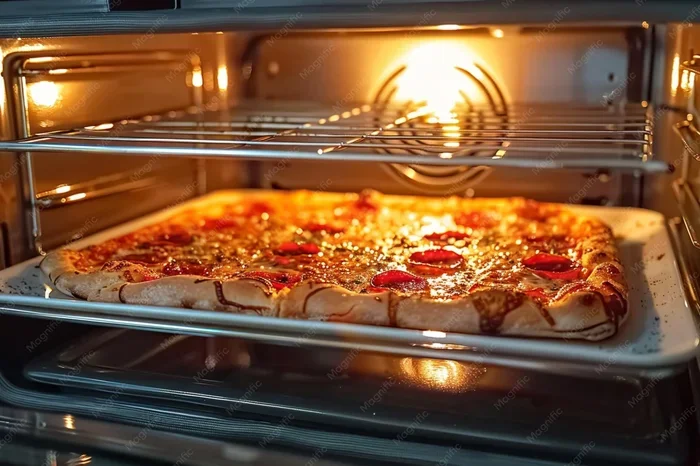
You preheat the oven, set the temperature, and wait. But when you put your food inside, it is still cold. Or maybe the oven heats up but not evenly, leaving you with burnt edges and raw centers. This is frustrating, especially when you are trying to cook dinner for family or friends.
So why does my oven not heat properly? The answer is usually simpler than you think. In most cases, it comes down to a worn-out part that needs replacing. But there are several other reasons too, and this guide will cover every one of them.
Whether you have a gas oven or an electric oven, this article will help you understand what is going wrong. We will walk you through the most common causes, how to diagnose the problem, and the best way to fix it. By the end, you will know exactly what to do to get your oven working again.
Let us start with the most common reasons your oven is not heating the way it should.
Key Takeaways
- Heating Element Failure: The most common reason an oven does not heat right is a burned-out bake or broil element.
- Thermostat and Sensor Problems: A broken oven thermostat or temperature sensor can cause uneven or no heat at all.
- Igniter Issues in Gas Ovens: A weak gas oven igniter will not light the burner properly, leading to heating failures.
- DIY Fixes Save Money: Many oven repair tasks like replacing a bake element are simple and affordable to do at home.
- Know When to Call a Pro: Complex issues like a faulty control board or wiring problems need professional attention.
- Regular Maintenance Helps: Cleaning your oven and checking parts regularly can prevent many heating problems before they start.
📑 Table of Contents
- Common Reasons Your Oven Does Not Heat Properly
- How To Diagnose the Heating Problem
- Fixing the Bake Element
- What To Do When the Broil Element Fails
- Thermostat and Sensor Issues
- When To Call a Professional for Oven Repair
- Preventing Future Oven Heating Problems
- Quick Tips for Better Oven Performance
- Common Mistakes People Make When Troubleshooting Oven Heating Issues
- Oven Heating Problems by Oven Type
- Final Thoughts
Common Reasons Your Oven Does Not Heat Properly
Ovens are built to last, but like any appliance, parts wear out over time. When your oven stops heating correctly, it usually comes down to one of these issues. Let us break them down one by one.
Burned-Out Bake Element
The bake element is the metal coil at the bottom of your oven. It is the part that does most of the heating when you bake or roast. Over time, this element can burn out, crack, or develop holes. When that happens, your oven will not heat properly or at all.
You can usually spot a bad bake element by looking at it. If you see blisters, holes, or glowing spots that are not even, the element is damaged. Sometimes the element looks fine on the outside but is broken on the inside. In that case, you need to test it with a multimeter to be sure.
Failed Broil Element
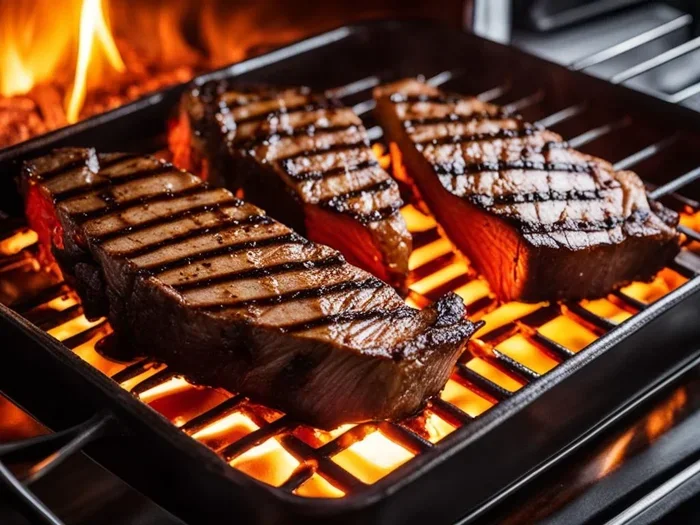
The broil element sits at the top of the oven. It provides high, direct heat for broiling meats and finishing dishes. If the broil element burns out, your oven will struggle to reach the right temperature, especially when you use the broil setting.
A failed broil element often shows visible damage. Look for cracks, breaks, or areas where the metal has melted. If the element does not glow bright orange when you turn on the broil setting, it is likely dead and needs replacement.
Faulty Oven Thermostat
The thermostat controls the temperature inside your oven. It tells the heating element when to turn on and when to turn off. If the thermostat goes bad, your oven might run too hot, too cold, or not heat at all.
Thermostat problems are tricky because they are not always easy to spot. Your food might burn on the outside but stay raw inside, or the oven might take forever to preheat. A simple oven thermometer can help you check if the temperature matches what you set.
Bad Temperature Sensor
Modern ovens have a temperature sensor that works with the thermostat to keep the heat steady. If this sensor is dirty or broken, it can send wrong readings to the control board. This causes uneven heating or temperature swings.
The sensor is usually a thin metal rod located at the back of the oven. Food spills and grease can build up on it over time, causing inaccurate readings. Cleaning it with a soft cloth and some mild cleaner can sometimes fix the problem right away.
Weak Gas Oven Igniter
If you have a gas oven, the igniter is what lights the gas burner. When the igniter gets old or weak, it might not get hot enough to open the gas valve. This means the oven will not heat even though the igniter glows faintly.
A weak igniter is one of the most common reasons a gas oven does not heat properly. You might hear the oven clicking but never see a flame. Replacing the igniter is usually a straightforward fix that does not require a professional.
Wiring and Electrical Issues
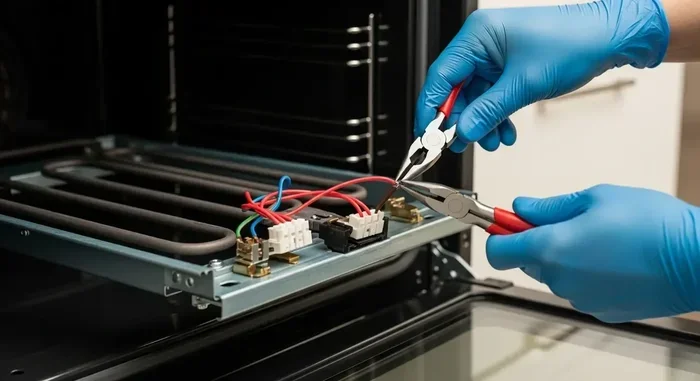
Sometimes the problem is not a part at all. It could be a wiring issue inside the oven. Loose connections, corroded wires, or a blown thermal fuse can all stop your oven from heating.
Electrical problems are more common in older ovens or homes with outdated wiring. A thermal fuse is a safety device that shuts off power if the oven overheats. Once a thermal fuse blows, it usually cannot be reset and needs replacement.
How To Diagnose the Heating Problem
Before you start replacing parts, you need to figure out exactly what is wrong. Diagnosing the problem saves you time and money. Here is a step-by-step approach to finding the root cause.
Step 1: Check the Power Supply
It sounds obvious, but many people skip this step. Make sure your oven is plugged in properly and that the circuit breaker has not tripped. If your oven is hardwired, check the connection at the terminal block for any signs of damage or loose wires.
For gas ovens, make sure the gas supply valve is fully open. A closed valve will prevent the oven from heating even if everything else is working fine.
Step 2: Use an Oven Thermometer
An oven thermometer is one of the best tools for troubleshooting heating issues. Place it inside your oven and set the temperature to 350°F. Wait for the oven to preheat fully, then check the thermometer reading.
If the thermometer shows a temperature that is way off from what you set, you likely have a thermostat or sensor problem. If the oven shows no temperature change at all, the heating element or igniter is probably the culprit.
Step 3: Inspect the Heating Elements
Open your oven and look at both the bake element on the bottom and the broil element on the top. Check for any visible damage like cracks, holes, or blistering. Turn on the oven to bake mode and see if the bottom element glows bright orange.
If the element glows dimly or not at all, it is likely burned out. You can also test the element with a multimeter to check for continuity. No continuity means the element needs to be replaced.
Step 4: Test the Igniter (Gas Ovens Only)
For gas ovens, start the bake cycle and watch the igniter. It should glow brightly within a minute or two. If it glows faintly or takes a very long time to light the gas, the igniter is weak and needs replacement.
A good igniter should draw between 3.0 and 3.6 amps. You can measure this with a clamp meter. If the reading is too low, the igniter is the problem.
Fixing the Bake Element
Replacing a bake element is one of the easiest oven repair jobs you can do yourself. You do not need advanced skills or special tools. Here is how to do it step by step.
First, unplug the oven or turn off the circuit breaker. Safety always comes first. Then, remove the racks and any shields that cover the element. The bake element is usually held in place by two screws or bolts at the back of the oven.
Once you remove the screws, pull the element out gently. You will see two wire connectors behind it. Disconnect them carefully and note which wire goes where. Take the old element to your local appliance parts store or order a replacement online that matches your oven model.
Connect the new element the same way the old one was connected. Secure it with the screws, replace the shield and racks, and turn the power back on. Test the oven to make sure the new element heats up properly.
This fix typically costs between $20 and $60 for the part, plus about 20 minutes of your time. It is one of the most affordable oven repair tasks you can handle on your own.
What To Do When the Broil Element Fails
A failed broil element is just as easy to replace as a bake element. The process is very similar, but the broil element is located at the top of the oven cavity.
Start by disconnecting the power. Remove the racks and the broil element shield if your oven has one. The element is usually held by two screws at the back wall of the oven. Unscrew them, disconnect the wires, and pull the element out.
Install the new element by connecting the wires in the same configuration as the old one. Secure it with the screws, replace the shield and racks, and restore power. Turn on the broil setting and confirm the element glows evenly.
Keep in mind that a broil element that glows only on one side is a sign of a partial failure. Even if it still produces some heat, it will not broil food properly. Replace it as soon as you notice uneven glowing to avoid cooking problems.
Thermostat and Sensor Issues
When the bake and broil elements look fine but the oven still does not heat correctly, the thermostat or temperature sensor is likely the problem. These parts control how much heat the oven produces and when it stops.
Replacing the Oven Thermostat
A faulty thermostat can cause the oven to run too hot or too cold. To replace it, you need to access the back panel of the oven. Remove the screws, disconnect the wires, and pull out the old thermostat.
Install the new thermostat by reversing the steps. Make sure all wire connections are secure. After installation, use an oven thermometer to verify that the temperature is accurate. If the oven still runs hot or cold, the thermostat may not be the only issue.
Cleaning or Replacing the Temperature Sensor
Before replacing the temperature sensor, try cleaning it first. Wipe it down with a damp cloth and a little baking soda paste. Grease and food residue can build up on the sensor and throw off its readings.
If cleaning does not help, you may need to replace the sensor entirely. The sensor is usually held by a screw at the back wall of the oven. Disconnect the wires, remove the old sensor, install the new one, and reconnect the wires. Test the oven to see if the temperature stabilizes.
When To Call a Professional for Oven Repair
Not every oven problem is a DIY fix. Some issues are too complex or dangerous to handle on your own. Knowing when to call a professional can save you from costly mistakes and potential injuries.
You should call a technician if you suspect a problem with the oven control board. The control board is the brain of the oven, and replacing it requires advanced electrical knowledge. If you smell burning insulation or see scorch marks inside the oven, turn it off immediately and call for help.
Also, call a professional if your oven is under warranty. Opening the oven yourself might void the warranty. A licensed technician can perform the repair without risking your coverage. Most oven repair professionals charge between $100 and $300 for a service call, depending on the issue and your location.
Another reason to call a pro is if you are not comfortable working with electricity or gas. Your safety matters more than saving a few dollars. A qualified technician can diagnose and fix the problem quickly and safely.
Preventing Future Oven Heating Problems
The best way to deal with oven heating issues is to prevent them from happening in the first place. A little regular maintenance goes a long way in keeping your oven running smoothly.
Clean your oven regularly to prevent grease and food buildup. Spills inside the oven can drip onto heating elements and cause damage over time. Wipe up spills as soon as the oven cools down, and do a deeper clean every few months.
Avoid using aluminum foil to line the bottom of the oven unless your owner manual says it is okay. Foil can block airflow and trap heat, which damages heating elements and the oven interior. Use a proper baking sheet or oven-safe dish instead.
Check the oven door seal regularly. A worn or damaged gasket lets heat escape, which makes the oven work harder and heat unevenly. If the seal looks cracked or loose, replace it. New gaskets are inexpensive and easy to install.
Finally, do not ignore early warning signs. If your oven starts heating unevenly, taking too long to preheat, or making unusual noises, address the issue right away. Small problems tend to get bigger and more expensive if you wait too long.
Quick Tips for Better Oven Performance
- Always preheat your oven before placing food inside for even cooking results.
- Rotate your pans halfway through baking to avoid hot spots and cold spots.
- Use an oven thermometer to verify that your oven heats to the correct temperature.
- Do not open the oven door too often, as it lets heat escape and affects cooking time.
- Keep the oven vents clear and unobstructed for proper airflow.
- Replace worn racks and trays that may be blocking heat circulation inside the oven.
Common Mistakes People Make When Troubleshooting Oven Heating Issues
When the oven is not heating, it is easy to jump to conclusions. Here are some common mistakes that can waste your time and money.
One big mistake is assuming the entire oven is broken when only one part has failed. For example, if the broil element works but the bake element does not, the problem is the bake element, not the whole oven. Diagnosing the specific part that failed saves you from unnecessary replacements.
Another mistake is buying the wrong replacement part. Always check your oven model number before ordering any parts. Using a part that does not fit or is incompatible can cause further damage and cost you more money.
Some people also forget to reset the oven after a power outage. Many modern ovens have a reset button or need to be unplugged for a few minutes to reset the control board. A simple reset can sometimes solve the heating problem without any repairs at all.
Finally, do not ignore error codes on digital ovens. Modern ovens display error codes that point directly to the problem. Check your owner manual or look up the code online to understand what it means. This can save you hours of guesswork.
Oven Heating Problems by Oven Type
Different types of ovens have different common heating problems. Understanding these differences helps you narrow down the cause faster.
Electric ovens most commonly suffer from burned-out bake or broil elements. They also experience thermostat and sensor failures. Electrical issues like a blown thermal fuse are also common in electric models.
Gas ovens often have igniter problems. A weak igniter will not open the gas valve properly, causing heating failures. Gas ovens can also have clogged burner ports from grease buildup, which leads to uneven flames and poor heating.
Convection ovens have an extra fan and heating element that can fail. If the convection fan is not working, the oven may heat unevenly even if the main elements are fine. Convection ovens also have more parts that can wear out over time, which means more potential points of failure.
Self-cleaning ovens sometimes develop heating issues after a self-clean cycle. The extreme heat during cleaning can stress the elements and sensors. If your oven starts having heating problems after a self-cleaning session, inspect the elements and sensors for damage.
Final Thoughts
Now you know why does my oven not heat properly and what you can do about it. The most common causes are a burned-out bake element, a failed broil element, a bad thermostat, a weak igniter, or a wiring issue. Most of these problems are fixable with basic tools and a replacement part.
Start by diagnosing the problem carefully. Use an oven thermometer, inspect the elements visually, and test the igniter if you have a gas oven. Once you know what is wrong, follow the repair steps outlined in this guide to fix it yourself or call a professional when needed.
Remember, regular maintenance is your best defense against oven heating problems. Keep your oven clean, check the door seal, and address small issues before they become big ones. Your oven will last longer, work better, and cook your food more evenly.
Do not let a broken oven ruin your next meal. Use what you learned here to diagnose the problem, pick the right fix, and get back to cooking with confidence. Your oven is a valuable appliance, and with the right care, it will serve you well for many years to come.
Frequently Asked Questions
Why does my oven not heat up to the right temperature?
This is usually caused by a faulty thermostat, a broken temperature sensor, or a burned-out heating element. Start by using an oven thermometer to check the actual temperature. If the reading is way off from the set temperature, one of these parts is likely the culprit and needs replacement.
How much does it cost to repair an oven that does not heat?
The cost depends on the problem. Replacing a bake element costs $20 to $60 for the part. A thermostat repair runs $150 to $300 including labor. Igniter replacement for gas ovens typically costs $100 to $200. Calling a professional for a diagnostic visit usually costs $100 to $200.
Can I still use my oven if the broil element is not working?
Yes, you can still bake with a broken broil element. The broil element is only used for broiling and finishing dishes. However, you will not be able to use the broil function. You should still replace the element to restore full oven functionality.
How do I know if my oven igniter is bad?
Open the oven door and start a bake cycle. Watch the igniter at the bottom of the oven. If it glows faintly for more than 90 seconds but does not light the gas, the igniter is weak. A healthy igniter should glow brightly and light the gas within 30 to 60 seconds.
What causes an oven to heat unevenly?
Uneven heating is often caused by a failed heating element, a dirty temperature sensor, or a worn door gasket. Food residue on the sensor can give false readings, and a damaged gasket lets heat escape. Cleaning the sensor and checking the door seal are good first steps to fix this problem.
Is it worth repairing an old oven that does not heat properly?
It depends on the age and condition of the oven. If the oven is more than 15 years old and needs multiple repairs, it might be more cost-effective to replace it. New energy-efficient ovens save money on electricity or gas bills over time. However, if the repair is simple and affordable, fixing the old oven makes perfect sense.
=== CONCLUSION ===
Understanding why does my oven not heat properly is the first step toward a quick and effective fix. Whether it is a simple element replacement or a more complex thermostat issue, most oven heating problems are solvable. Use the diagnostic steps in this guide to identify the exact cause, and follow the repair instructions to get your oven back in working order.
Take action today. Do not let a broken oven disrupt your cooking routine. With the right knowledge and a few basic tools, you can save time, money, and a lot of frustration. Your oven deserves proper care, and now you have everything you need to give it that care.