How To Grind Coffee For Keurig And Brew Perfect Cups
Grinding coffee for your Keurig the right way makes a huge difference in taste and brew strength. Using freshly ground beans in a reusable K-Cup gives you richer flavor and more control over every cup. This guide covers everything from choosing the right coffee grinder to dialing in the perfect grind size for your machine.
There is nothing quite like walking into your kitchen and smelling fresh coffee brewing. But if you are using a Keurig machine and relying on pre-ground coffee pods, you might be missing out on a whole world of flavor. How to grind coffee for Keurig is a question that can completely change your morning routine.
When you grind your own beans right before brewing, you unlock flavors and aromas that pre-ground coffee simply cannot match. The grind size you choose plays a huge role in how your coffee tastes. Too coarse, and your cup will be weak and watery. Too fine, and it might taste bitter or clog your machine. Getting it just right is the secret to perfect cups every time.
This guide walks you through everything you need to know. From picking the right coffee grinder to understanding grind sizes, we have you covered. Whether you are a total beginner or a coffee lover looking to level up your Keurig game, you will find practical tips and clear steps to follow.
Key Takeaways
- Right Grind Size Matters: A fine to medium-fine grind works best for Keurig machines to ensure proper extraction.
- Burr Grinders Are Best: They produce consistent particles, which leads to a better brew every time.
- Freshness Is Key: Grinding beans just before brewing preserves flavor and aroma.
- Reusable K-Cups Save Money: They let you use your own freshly ground coffee instead of pre-packaged pods.
- Avoid Common Mistakes: Using the wrong grind size or grinding too much coffee at once can ruin your cup.
- Maintenance Matters: Keeping your Keurig clean, including regular descaling, ensures the best-tasting coffee.
- Experiment and Adjust: Everyone’s taste is different, so don’t be afraid to tweak your grind and brew settings.
📑 Table of Contents
- Why Grind Size Matters for Your Keurig
- Choosing the Best Coffee Grinder for Keurig Users
- Step-by-Step: How to Grind Coffee for Keurig
- Fine Grind vs Medium Grind for Keurig
- Using a Reusable K-Cup with Freshly Ground Coffee
- Common Mistakes When Grinding Coffee for Keurig
- Expert Tips for the Perfect Keurig Brew
- Key Takeaways
- Conclusion
Why Grind Size Matters for Your Keurig
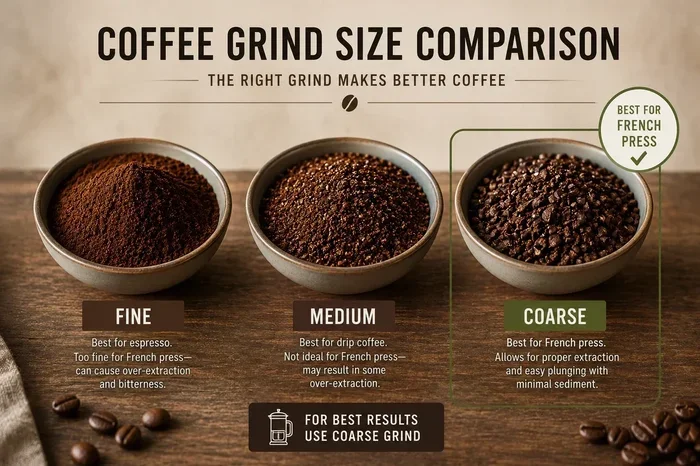
The grind size of your coffee is the single most important factor in how your Keurig brews. Think of it like this. The water flows through the grounds quickly, and the size of those grounds controls how much flavor gets extracted. If the grounds are too large, the water rushes through without pulling out enough flavor. If they are too small, the water gets stuck and over-extracts.
Keurig machines work best with a fine to medium-fine grind. This is similar to the texture of table salt or slightly finer. The water pressure in a Keurig is not very strong compared to an espresso machine. So the grounds need to be small enough to extract properly but not so fine that they block the water flow.
What Happens When Your Grind Is Wrong
Using the wrong grind size can lead to some pretty frustrating results. Here is what you might experience:
- Too coarse: Your coffee tastes weak, sour, or watery. The brew time is too short for proper extraction.
- Too fine: Your coffee tastes bitter or harsh. It might also drip very slowly or clog the reusable K-Cup.
- Inconsistent grind: Some particles are fine and some are coarse. This leads to a mixed taste, with some over-extracted and some under-extracted bits.
Getting the grind consistency right solves most common coffee problems. A burr grinder is the best tool for this job because it crushes beans into evenly sized particles. A blade grinder chops beans unevenly, which often leads to a less satisfying cup.
Choosing the Best Coffee Grinder for Keurig Users
Not all coffee grinders are created equal. When you are grinding coffee for a Keurig, you want a grinder that gives you control and consistency. There are two main types to consider.
Burr Grinders: The Best Choice
A burr grinder uses two rotating surfaces to crush coffee beans into uniform pieces. You can adjust the grind size to match what your Keurig needs. This consistency is what makes burr grinders the top pick for Keurig users.
There are two kinds of burr grinders:
- Flat burr grinders: These use two horizontal discs. They are great for precision and are often found in higher-end models.
- Conical burr grinders: These use a cone-shaped inner burr and a ring-shaped outer burr. They are quieter and still produce very consistent grounds.
Both types work well for grinding coffee for Keurig. The key is to look for a grinder with adjustable settings so you can fine-tune the grind size.
Blade Grinders: A Budget Option
A blade grinder uses a spinning blade to chop the beans. It is cheaper and more common in households. However, it does not produce a consistent grind size. Some pieces will be powder-fine while others remain chunky.
If you only have a blade grinder, here is a tip. Pulse the grinder in short bursts instead of running it continuously. This helps prevent some grounds from becoming too fine. Shake the grinder gently between pulses to redistribute the beans. It is not perfect, but it does improve the results.
Can You Use a Wet Grinder for Coffee?
Some people wonder if they can use a coffee grinder for wet grinding. The short answer is no, not for coffee beans. Wet grinders are designed for things like grinding spices with water or making pastes. Coffee beans need to be dry ground to get the right texture and flavor. Using a wet grinder for coffee beans can damage the machine and ruin the taste of your brew.
Step-by-Step: How to Grind Coffee for Keurig
Now that you know why grind size matters and which grinder to use, let us walk through the actual process. Following these steps will help you get the best results every time.
Step 1: Choose Your Beans
Start with fresh, whole coffee beans. Look for beans that were roasted within the last two to four weeks. The roast level is up to you. Medium roasts work great for Keurig because they balance flavor and acidity. Dark roasts give you a bolder, richer cup. Light roasts are more acidic and bright, which some people love.
Store your beans in an airtight container away from light and heat. Do not keep them in the fridge. Moisture can ruin the flavor. A cool, dark pantry is the best spot.
Step 2: Measure the Right Amount
For one standard Keurig cup, use about two tablespoons of whole beans. This usually grinds down to around 10 to 12 grams of ground coffee. If you like a stronger cup, add an extra half tablespoon. For a weaker cup, use a little less.
Using a kitchen scale is the most accurate way to measure. But if you do not have one, two tablespoons is a reliable starting point.
Step 3: Set Your Grinder to the Right Size
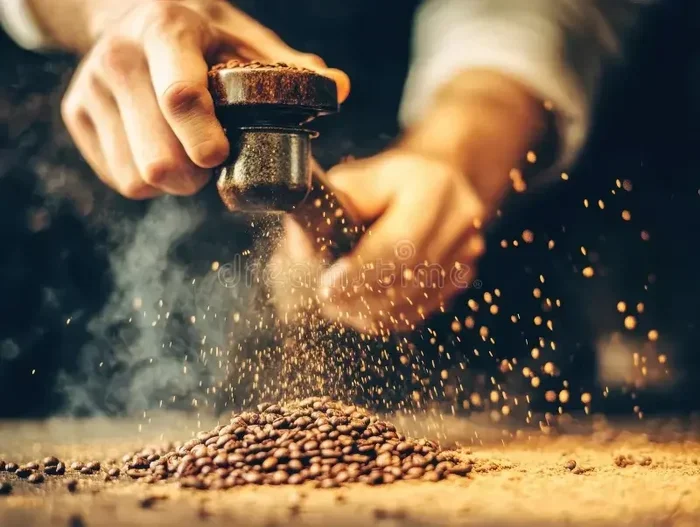
Set your coffee bean grinder to a fine to medium-fine setting. Think of the texture of sand or slightly finer than table salt. If your grinder has numbered settings, start in the middle range and adjust from there.
Here is a simple way to check your grind size:
- Grind a small batch first.
- Look at the grounds closely. They should feel smooth and uniform, not gritty or powdery.
- If they look like coarse sand, go finer.
- If they look like flour, go coarser.
Step 4: Grind Just Before Brewing
This is one of the most important rules of coffee freshness. Grind your beans right before you brew them. Once coffee is ground, it starts to lose its flavor quickly. Within 15 to 30 minutes, a lot of the aromatic oils have already evaporated.
If you grind too far ahead of time, your coffee will taste flat and dull. For the best coffee flavor, always grind right before you hit the brew button on your Keurig machine.
Step 5: Load Your Reusable K-Cup
Place the freshly ground coffee into your reusable K-Cup. Use a filter if your reusable cup came with one. Fill it to the line recommended by the manufacturer. Do not pack the grounds down too tightly. A gentle level is all you need.
Too much coffee or a packed-down cup can slow the water flow and cause over-extraction. This leads to bitter coffee. Keep it light and even.
Step 6: Brew and Enjoy
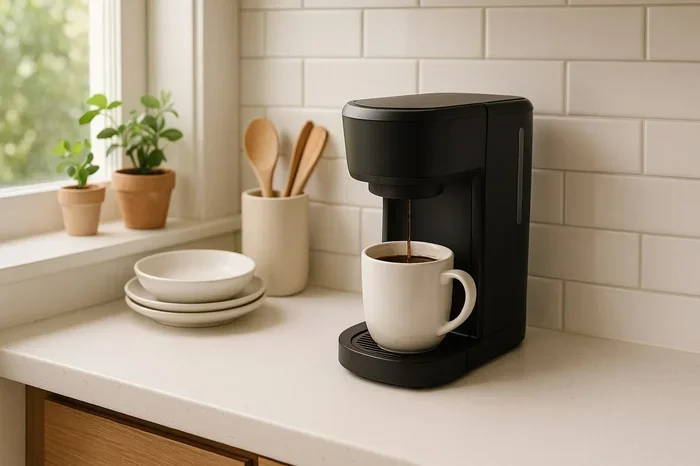
Place the filled reusable K-Cup into your Keurig. Select the smallest cup size setting for the strongest flavor. A larger cup size will dilute the coffee. If you want a bigger serving, simply brew two smaller cups back to back.
Press brew and wait. The whole process takes less than a minute. Pour it into your favorite mug, add any extras you like, and enjoy a cup that tastes far better than anything from a pre-ground pod.
Fine Grind vs Medium Grind for Keurig
The debate between fine grind and medium grind for Keurig comes down to personal preference and your specific machine model. Let us break it down.
| Grind Size | Texture | Best For | Taste Profile |
|---|---|---|---|
| Fine Grind | Like powdered sugar or flour | Strong, bold cups; older Keurig models with weaker pressure | Rich and intense, but can turn bitter if too fine |
| Medium-Fine Grind | Like sand or finer than table salt | Most Keurig models; balanced flavor and extraction | Smooth and well-rounded, the sweet spot for most users |
| Medium Grind | Like coarse sand or sea salt | Newer Keurig models with stronger pressure | Lighter and more nuanced, but can be weak if too coarse |
Most Keurig users do best with a medium-fine grind. It strikes the perfect balance between extraction and flow rate. If your machine is older or has weaker pressure, go a bit finer. If your machine is newer and powerful, a medium grind might work perfectly.
Do not be afraid to experiment. Brew a cup with a slightly finer grind and note the taste. Then try a slightly coarser grind. After a few tries, you will find your sweet spot. This is part of the fun of brewing coffee at home.
Using a Reusable K-Cup with Freshly Ground Coffee
A reusable K-Cup is one of the best investments you can make for your Keurig. It saves you money, reduces waste, and lets you use any coffee you want. Here is how to get the most out of it.
Which Reusable K-Cup Should You Choose?
Look for a reusable K-Cup that has a good seal and a mesh filter. The seal prevents leaks during brewing. The mesh filter should be fine enough to keep grounds from passing through into your cup. Some popular brands include Keurig My K-Cup, Ekobrew, and Simply Organic.
How Much Coffee to Use
Fill the reusable cup to the fill line. Do not overfill. Overfilling causes the water to overflow and bypass the grounds, resulting in weak coffee. Use a level spoonful rather than packing it in.
Cleaning Your Reusable K-Cup
After each use, remove the grounds and rinse the cup with warm water. Do not put it in the dishwasher unless the manufacturer says it is safe. A deep clean once a week with warm soapy water keeps it working well. A clogged filter can affect brew strength and flow rate.
Common Mistakes When Grinding Coffee for Keurig
Even experienced coffee drinkers make mistakes when grinding for a Keurig. Here are the most common ones and how to avoid them.
Using Pre-Ground Coffee from the Store
Pre-ground coffee loses its flavor fast. By the time it reaches your shelf, much of the aroma is gone. Grinding your own beans just before brewing makes a dramatic difference in taste. It is the single easiest upgrade you can make.
Grinding Too Much at Once
Some people grind a whole week’s worth of coffee at once. This is a big mistake. Ground coffee goes stale within hours. Only grind what you will use right away. If you need to store grounds, keep them in an airtight container and use them within 24 hours.
Ignoring Your Keurig Maintenance
A dirty Keurig can ruin even the best ground coffee. Mineral buildup and old coffee oils can affect the taste and performance of your machine. Make sure to decalcify your Keurig coffee maker regularly. This removes calcium and scale buildup that can clog your machine and affect brewing temperature.
Also, run a water-only cycle with a cleaning solution at least once a month. This keeps the internal parts clean and your coffee tasting fresh.
Skipping the Experiment Phase
Every bag of coffee beans is different. The roast level, origin, and freshness all affect how the coffee should be ground. Do not set your grinder once and forget about it. Adjust the grind size based on the beans you are using and how the coffee tastes. Small changes make a big difference.
Expert Tips for the Perfect Keurig Brew
Here are some extra tips from coffee experts that take your Keurig brewing to the next level:
- Use filtered water: The water you use affects the taste just as much as the coffee. Filtered water removes chlorine and other flavors that can interfere with your brew.
- Preheat your mug: Pour hot water into your mug before brewing. This keeps the coffee hot longer and prevents the mug from cooling the brew too quickly.
- Clean your grinder regularly: Coffee oils build up inside the grinder over time. Wipe it down and do a quick grind of plain rice occasionally to absorb excess oils.
- Store beans properly: Keep whole beans in an opaque, airtight container. Oxygen, light, and moisture are the enemies of fresh coffee.
- Descale your Keurig regularly: If you notice your machine is brewing slower or the coffee tastes off, it might be time to descale. Regular maintenance keeps your Keurig machine running at its best.
Key Takeaways
- Grind Size Is Everything: A fine to medium-fine grind gives your Keurig the best extraction and flavor.
- Invest in a Burr Grinder: Consistent grounds mean consistent, delicious cups every time.
- Grind Fresh, Brew Fresh: Always grind your beans right before brewing for maximum flavor.
- Use a Reusable K-Cup: It saves money and lets you control the quality of your coffee completely.
- Maintain Your Machine: Regular cleaning and descaling keeps your Keurig in top shape.
- Experiment and Have Fun: Adjust your grind, brew size, and coffee-to-water ratio until you find your perfect cup.
Conclusion
How to grind coffee for Keurig is simpler than you might think. The key is choosing the right grind size, using a quality coffee grinder, and grinding your beans just before brewing. With these steps, you can turn your Keurig into a machine that produces café-quality coffee right in your own kitchen.
Remember, the journey to the perfect cup is all about experimentation. Try different beans, adjust your grind, and pay attention to how each cup tastes. Over time, you will develop a feel for what works best for you and your Keurig.
Freshly ground coffee is a game changer. It brings out flavors and aromas that pre-ground coffee simply cannot match. So grab some whole beans, fire up your grinder, and start brewing better coffee today. Your taste buds will thank you.
And if you ever run into issues with your machine, remember that regular maintenance goes a long way. Keeping things clean and running smoothly ensures every cup tastes its best. Happy brewing!
Frequently Asked Questions
What grind size is best for a Keurig?
A fine to medium-fine grind works best for most Keurig machines. It is similar to the texture of table salt or slightly finer. This size allows proper extraction without clogging the machine or producing weak coffee.
Can I use pre-ground coffee in my Keurig?
Yes, you can use pre-ground coffee in a Keurig. However, freshly ground beans produce much better flavor and aroma. Pre-ground coffee loses its freshness quickly, so the taste will not be as rich as using beans you grind yourself right before brewing.
How much coffee should I grind for one Keurig cup?
Use about two tablespoons of whole beans for a single cup, which grinds down to roughly 10 to 12 grams. Adjust this amount based on your preferred strength. Use more for a stronger cup and less for a milder one.
Is a blade grinder or burr grinder better for Keurig?
A burr grinder is much better for Keurig brewing. It produces consistent grind sizes, which leads to even extraction and better-tasting coffee. A blade grinder chops beans unevenly, which can result in a mixed and less satisfying cup.
How often should I clean my Keurig?
You should clean your Keurig at least once a month. This includes running a water-only cycle with a descaling solution. Regular cleaning removes mineral buildup and old coffee oils that can affect the taste and performance of your machine.
Can I grind coffee beans in a blender instead of a grinder?
A blender is not ideal for grinding coffee. It does not produce a consistent grind size and can generate too much heat, which damages the coffee oils. A proper coffee grinder gives you much better control and results for Keurig brewing.