How To Make A Coffee Shop Successful And Profitable
Running a successful coffee shop takes more than great coffee. You need a solid business plan, the right location, a standout menu, and smart marketing. This guide covers everything a coffee shop owner needs to know, from startup costs to building a loyal customer base. Follow these steps to turn your coffee shop dream into a profitable reality.
Running a coffee shop is a dream for many people. The smell of fresh espresso, the hum of conversation, and the warmth of a cozy space make it an appealing business. But turning that dream into a thriving, profitable coffee shop takes real work.
The coffee shop industry is growing fast. More people visit coffee shops every year for their daily caffeine fix, social gatherings, and remote work spaces. Yet many coffee shops close within the first few years. The ones that survive and thrive share common strategies.
How To Make A Coffee Shop Successful and profitable is not just about brewing great coffee. It involves planning, smart decisions, and consistent effort. This guide walks you through every key area. Whether you are just starting out or looking to grow an existing shop, these tips will help you build a business that lasts.
Key Takeaways
- Start with a strong business plan: Know your costs, target audience, and unique selling point before opening.
- Location and atmosphere matter: The right spot and inviting design draw in foot traffic and keep customers coming back.
- Menu variety drives revenue: Offer a mix of coffee, food, and specialty drinks to appeal to a wider audience.
- Marketing is essential: Use social media, loyalty programs, and local partnerships to grow your customer base.
- Control costs and boost margins: Track expenses, reduce waste, and optimize operations for long-term profitability.
- Build loyalty through experience: Great service, consistency, and personal touches turn first-time visitors into regulars.
📑 Table of Contents
- Why A Strong Foundation Matters For Your Coffee Shop
- Crafting A Menu That Sells
- Choosing The Right Location And Creating The Perfect Atmosphere
- Marketing Strategies That Actually Work
- Managing Costs And Boosting Profitability
- Building A Loyal Customer Base That Lasts
- Common Mistakes That Hurt Coffee Shop Success
- Final Thoughts On Building A Successful Coffee Shop
Why A Strong Foundation Matters For Your Coffee Shop
Every successful coffee shop starts with a solid foundation. Before you buy equipment or roast your first beans, you need a clear plan. The foundation includes your business model, startup budget, and understanding of your local market.
Know Your Target Customers
Who are you serving? A college town needs different offerings than a business district. Families want a different experience than remote workers. Spend time understanding who lives and works near your potential location.
Ask yourself these questions:
- What age group dominates the area?
- Do people work from home nearby?
- What do customers currently lack in the local coffee scene?
- Are they looking for quick service or a place to linger?
Knowing your audience shapes every decision. From your menu prices to your seating layout, everything should serve your target customer.
Build A Realistic Business Plan
A business plan is not just paperwork. It is your roadmap. It forces you to think through every detail before you spend a dollar. Your plan should include projected coffee shop revenue, expense breakdowns, and a timeline for profitability.
Most coffee shops need several months to break even. Plan for at least six months of operating costs before you expect to turn a profit. This includes rent, payroll, supplies, and marketing. Having a buffer keeps you from panicking during slow months.
Understand Your Startup Costs
Opening a coffee shop requires a significant upfront investment. Coffee shop startup costs vary widely based on location, size, and equipment needs. Here is a rough breakdown:
- Lease deposit and renovations: $10,000 – $50,000
- Coffee equipment (espresso machine, grinders, brewers): $5,000 – $20,000
- Furniture and fixtures: $3,000 – $15,000
- Initial inventory and supplies: $2,000 – $5,000
- Licenses, permits, and insurance: $1,000 – $3,000
- Marketing and branding: $1,000 – $5,000
These numbers can vary a lot. A small kiosk costs far less than a full-service café. Whatever your budget, make every dollar count. Prioritize quality equipment and a clean, welcoming space.
Crafting A Menu That Sells
Your menu is the heart of your coffee shop. It is what brings people in and what keeps them coming back. A well-designed menu balances coffee drinks, food options, and seasonal specials.
Offer More Than Just Coffee
Yes, coffee is your main product. But customers want variety. Adding food items creates additional revenue streams. Think about offering pastries, sandwiches, and snacks. You can even create a signature garlic bread recipe using a quality garlic bread recipe baked in the oven to give your menu a unique twist that sets you apart from competitors.
Food items also increase your average ticket size. A customer who comes in for a latte might also grab a muffin or a sandwich. Those small additions add up over time.
Create Signature Drinks
Standing out in a crowded market requires something unique. Consider creating a signature drink that customers cannot get anywhere else. This could be a seasonal special, a house blend, or a creative fusion drink.
Some popular ideas include:
- Spiced honey latte
- Coconut cold brew
- Lavender cappuccino
- Mocha with a local twist
Signature drinks give customers a reason to choose your shop over the chain down the street. They also create buzz on social media when people share photos.
Keep Your Menu Focused
It is tempting to offer everything under the sun. But a cluttered menu confuses customers and increases waste. Stick to a focused selection of high-quality items. Rotate seasonal specials to keep things fresh without overwhelming your kitchen.
Choosing The Right Location And Creating The Perfect Atmosphere
Location can make or break a coffee shop. Even the best coffee and service will struggle if nobody can find you or feels comfortable staying.
Find A High-Traffic Spot
Look for areas with steady foot traffic. Shopping districts, office parks, and near universities are strong options. But do not just chase traffic. Make sure the area fits your brand and target customers.
Consider these factors when scouting locations:
- Visibility from the street
- Proximity to parking and public transit
- Competition in the area
- Rent affordability
- Foot traffic patterns throughout the day
Sometimes a slightly less expensive spot with great visibility beats a prime location with sky-high rent. Run the numbers carefully before signing a lease.
Design A Space People Love
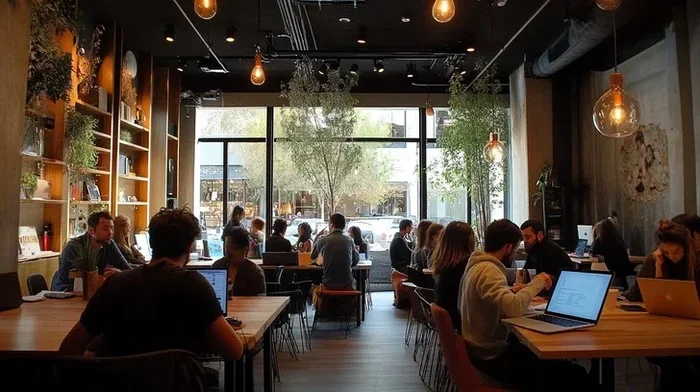
The atmosphere of your coffee shop matters more than you might think. Customers are not just buying coffee. They are buying an experience. A well-designed space encourages people to stay longer and spend more.
Think about these design elements:
- Comfortable seating for different group sizes
- Good lighting that feels warm and inviting
- Free Wi-Fi and power outlets for remote workers
- Clean, well-maintained restrooms
- A layout that flows smoothly from order to pickup
The vibe should feel authentic to your brand. A minimalist modern shop feels very different from a cozy rustic café. Both can succeed. The key is consistency in every detail.
Maintain Your Equipment Properly
Nothing ruins a coffee shop experience like a broken espresso machine or a dirty oven. Regular maintenance keeps your equipment running smoothly and your food tasting great. When you first set up your shop, make sure you follow proper steps for setting up and breaking in a new oven to ensure it performs at its best from day one.
Create a cleaning and maintenance schedule for all your equipment. This includes espresso machines, grinders, ovens, and refrigeration. Well-maintained equipment lasts longer and reduces costly repairs.
Marketing Strategies That Actually Work
Great coffee alone will not fill your seats. You need to actively market your coffee shop to attract and retain customers. The good news is that many effective strategies are low-cost and high-impact.
Build Your Online Presence
Almost everyone checks a business online before visiting. Make sure your coffee shop has a strong digital footprint. Start with these essentials:
- A clean, mobile-friendly website
- Active Google Business Profile
- Engaging social media accounts on Instagram and TikTok
- Positive reviews on Yelp and Google
Post regularly on social media. Share behind-the-scenes content, new menu items, and customer photos. People love feeling connected to the brands they support.
Launch A Loyalty Program
Repeat customers are the backbone of a profitable coffee shop. A loyalty program rewards regulars and encourages them to come back. This does not need to be complicated.
Simple ideas include:
- Buy 10 drinks, get 1 free
- Birthday rewards for registered members
- Exclusive discounts for loyalty members
- A punch card for in-store purchases
Many coffee shop owners use digital loyalty apps that make tracking easy for both staff and customers. The key is to make the program feel rewarding, not confusing.
Partner With The Local Community
Your coffee shop becomes more than a business when it becomes part of the community. Partner with local businesses, schools, and organizations. Host events like open mic nights, art shows, or charity fundraisers.
Local partnerships also expand your reach. A cross-promotion with a nearby bakery or bookstore introduces your shop to a new audience. These relationships build goodwill and drive foot traffic.
Managing Costs And Boosting Profitability
Profit is what keeps your coffee shop alive. Even a shop with great coffee and loyal customers will fail if the money is not managed well. Smart cost control is essential for long-term success.
Track Every Expense
You cannot manage what you do not measure. Use accounting software or even a simple spreadsheet to track every expense. Categorize costs into food, labor, rent, utilities, and marketing. Review these numbers weekly.
Common areas where coffee shops overspend include:
- Excessive food waste from over-ordering ingredients
- Overstaffing during slow hours
- Underpriced menu items
- Unnecessary equipment purchases
Cutting waste alone can boost your margins significantly. Order supplies based on real demand, not guesswork.
Optimize Your Staffing
Labor is usually the second-largest expense for a coffee shop. Schedule staff based on traffic patterns. Have more baristas during the morning rush and fewer staff during slow afternoon hours.
Cross-training employees also helps. When every team member can handle multiple tasks, you need fewer people on the floor during off-peak times. This keeps labor costs lean without sacrificing service quality.
Reduce Food Waste Through Smart Storage
Perishable items like pastries and sandwiches can create significant waste if not managed properly. Store food correctly and rotate inventory using the first-in, first-out method.
If your coffee shop has an oven for reheating or baking, make sure you know how to use it efficiently. Understanding proper oven reheating techniques can help you serve food at the right temperature while minimizing energy waste and preserving food quality.
Consider offering daily specials that use ingredients nearing their expiration date. This reduces waste and gives customers a reason to visit every day.
Building A Loyal Customer Base That Lasts
Acquiring a new customer costs far more than keeping an existing one. Your loyal regulars are your most valuable asset. They spend more, visit more often, and bring friends with them.
Deliver Consistent Quality Every Time
Consistency builds trust. A customer who visits your coffee shop every morning expects the same great taste and service every time. Create standard recipes and train your staff to follow them precisely.
This applies to coffee drinks, food items, and even the customer service experience. When someone knows exactly what to expect, they feel confident coming back.
Get To Know Your Regulars
Small personal touches make a big difference. Learn your regulars’ names and orders. Remember their preferences. A simple “Hey, the usual?” goes a long way in making someone feel valued.
These moments create emotional connections that no competitor can replicate. People return to coffee shops where they feel seen and appreciated.
Ask For And Act On Feedback
Your customers want to feel heard. Create easy ways for them to share feedback. A quick comment card, a QR code linking to a survey, or simply asking at the counter all work well.
When a customer suggests something, take it seriously. If multiple people ask for oat milk or a new pastry option, consider adding it. Showing that you listen and adapt builds trust and loyalty.
Keep Your Shop Clean And Welcoming
Cleanliness is non-negotiable. Wipe down tables, sweep floors, and clean restrooms regularly. A dirty coffee shop drives customers away fast.
Pay attention to the small details too. Fresh flowers, clean windows, and a pleasant scent make a big difference. These touches signal that you care about the experience.
Common Mistakes That Hurt Coffee Shop Success
Even well-intentioned coffee shop owners make mistakes. Learning from others’ missteps can save you time, money, and frustration.
Underestimating Costs
Many first-time owners underestimate how much it really costs to run a coffee shop. Unexpected expenses pop up constantly. Always budget for the unexpected and keep a reserve fund.
Ignoring Online Reviews
Online reviews shape your reputation. A few negative reviews can scare away potential customers. Monitor your reviews on Google, Yelp, and social media. Respond to negative feedback professionally and use it as an opportunity to improve.
Copying Competitors Instead Of Innovating
Watching what works for other coffee shops is smart. But copying them exactly makes you forgettable. Find your own voice, your own style, and your own niche. That is what turns a coffee shop into a destination.
Neglecting Staff Training
Your baristas are the face of your business. Poorly trained staff lead to inconsistent drinks, slow service, and unhappy customers. Invest in thorough training and ongoing development. Happy, skilled employees create happy customers.
Final Thoughts On Building A Successful Coffee Shop
Making a coffee shop successful and profitable is a journey, not a single event. It requires careful planning, consistent execution, and a genuine passion for what you do. From crafting the perfect menu to building a loyal community, every decision you make shapes the future of your business.
Focus on the fundamentals. Serve great coffee, create a welcoming atmosphere, manage your costs wisely, and treat every customer like a regular. The coffee shop owners who thrive are the ones who never stop learning and improving.
The road is not always easy. There will be slow mornings, broken equipment, and tough competition. But with the right mindset and strategies, your coffee shop can become the place everyone loves. Start with a strong foundation, stay adaptable, and never lose sight of what made you want to open your doors in the first place.
Frequently Asked Questions
How much does it cost to start a coffee shop?
Startup costs vary widely but typically range from $20,000 to $300,000 depending on location, size, and equipment. A small kiosk or food truck costs less, while a full-service café requires a bigger investment. Create a detailed budget before you start to avoid surprises.
What makes a coffee shop profitable?
A profitable coffee shop combines great coffee with smart business practices. Key factors include controlling food and labor costs, choosing a high-traffic location, offering a well-designed menu, and building a loyal customer base. Consistency and excellent service also drive repeat business and long-term profits.
How do I attract customers to my new coffee shop?
Start with a strong online presence on social media and Google. Offer opening promotions and loyalty programs to encourage repeat visits. Partner with local businesses and host community events. Word-of-mouth from happy customers is one of the most powerful marketing tools you have.
What should I include in my coffee shop menu?
A well-rounded menu includes espresso drinks, brewed coffee, tea, and a selection of food items like pastries, sandwiches, and snacks. Consider adding seasonal specials and signature drinks to stand out. Keep the menu focused and avoid overcomplicating it.
How do I retain customers long-term?
Focus on consistency in quality and service. Learn your regulars by name, ask for feedback, and show you care. A loyalty program rewards repeat visits. Creating a warm, welcoming atmosphere makes customers feel at home and eager to return.
Is it better to open a coffee shop in a busy area or a quiet neighborhood?
It depends on your concept and target audience. Busy areas bring more foot traffic but come with higher rent and competition. Quiet neighborhoods offer lower costs and a loyal local following. Choose the location that best fits your brand and budget.