How To Make Distilled Water With Coffee Maker At Home
Making distilled water with a coffee maker is a simple, affordable hack that turns your everyday appliance into a water purification tool. You just need a coffee maker, a heat-safe container, and ice to collect pure water through steam distillation. This method removes minerals, contaminants, and impurities, giving you clean water for cooking, drinking, and household use.
Making distilled water at home might sound like a complicated science project, but it is actually much simpler than you think. With a coffee maker you already own, you can turn ordinary tap water into pure, mineral-free water in just a couple of hours. This method uses the same basic principle that large-scale distillers use, just on a smaller scale.
Whether you need pure water for your iron, your aquarium, your car battery, or just for cooking, a coffee maker can do the job. The process relies on steam distillation, where water is heated, turned into steam, and then condensed back into clean liquid form. In this guide, we walk you through every step so you can start making your own homemade distilled water right away.
Key Takeaways
- Easy Process: You can make distilled water at home using just a coffee maker and a few simple supplies.
- Cost-Effective: This method saves money compared to buying distilled water from stores.
- Versatile Uses: Distilled water works great for cooking, cleaning, irons, and appliances.
- Removes Impurities: The steam distillation process eliminates minerals, chemicals, and contaminants from tap water.
- Quick Setup: The entire process takes about one to two hours with minimal effort.
- Safe and Simple: No special equipment or chemical knowledge is needed.
📑 Table of Contents
- Why Make Distilled Water With a Coffee Maker?
- What You Will Need
- Step-by-Step Guide to Making Distilled Water
- Common Mistakes to Avoid
- Uses for Homemade Distilled Water
- How Distilled Water Compares to Filtered Water
- Maintaining Your Coffee Maker After Distillation
- Safety Tips for Distilling Water at Home
- How Often Should You Make Distilled Water?
- Conclusion
Why Make Distilled Water With a Coffee Maker?
You might wonder why you should bother making distilled water at all. After all, tap water is perfectly fine for most things. But there are many situations where pure water makes a real difference. Tap water contains minerals like calcium and magnesium, along with chlorine and other trace contaminants. These can build up over time and cause problems.
Using a coffee maker for this task is a brilliant kitchen appliance hack. You already own the tool, so there is no extra cost. The coffee maker heats water to a high temperature, which is exactly what you need for steam distillation. By redirecting that process, you get clean, purified water without buying expensive equipment.
Benefits of Distilled Water
- Removes minerals: Distilled water has no calcium, magnesium, or other dissolved solids.
- Eliminates chemicals: Chlorine and fluoride are left behind during the distillation process.
- Prevents buildup: Using pure water in appliances like irons and steamers stops mineral deposits.
- Better for cooking: Some recipes taste better with water that has no impurities.
- Great for aquariums: Fish and plants thrive in water with controlled mineral levels.
What You Will Need
Before you start, gather everything you need. The good news is that you probably already have most of these items in your kitchen. You do not need any fancy or expensive equipment.
Supplies List
- A coffee maker (drip-style works best)
- A heat-safe glass or stainless steel bowl
- A lid for the coffee maker reservoir or a baking dish
- Ice cubes or cold water for condensation
- Tap water to start with
- A clean container to store the finished distilled water
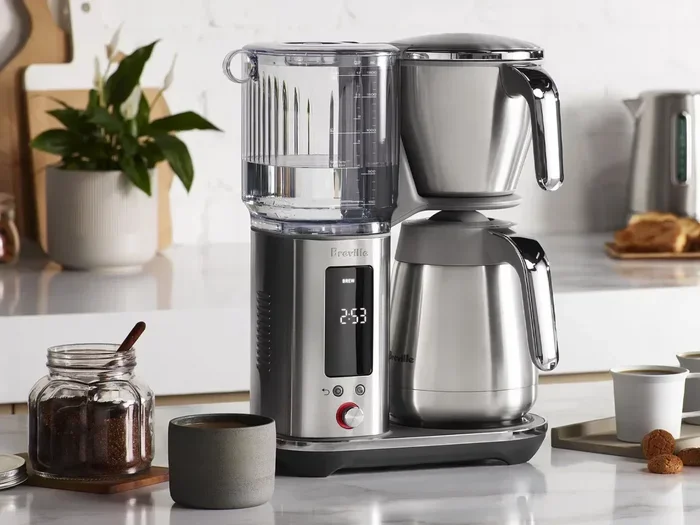
The type of coffee maker matters here. A standard drip coffee maker works perfectly because it heats water to the right temperature. Single-serve pod machines can also work but may produce smaller batches. Avoid using a coffee maker with a built-in water filter for this project, since the filter removes the very impurities you want to separate.
Step-by-Step Guide to Making Distilled Water
Now comes the fun part. Follow these steps carefully, and you will have pure distilled water in no time. The process is straightforward, but paying attention to details makes a big difference in the quality of your result.
Step 1: Prepare Your Coffee Maker
Start by making sure your coffee maker is clean. Run a cycle with just water and no coffee grounds. This removes any leftover coffee oils or residue that could affect the purity of your distilled water. If you have not deep-cleaned your machine in a while, this is a great time to do it. A clean machine produces cleaner water.
Step 2: Set Up the Collection System
Place a heat-safe glass or stainless steel bowl upside down on the coffee maker reservoir lid. This bowl will collect the condensed steam. If your coffee maker lid is not heat-resistant, place a baking dish on top instead. The key is to create a surface where steam can condense and drip down into a collection point.
Next, fill the reservoir with tap water. Do not overfill it. Leave some space so the water does not bubble over during heating. The amount of water you use determines how much distilled water you will get.
Step 3: Add Ice for Condensation
This is the most important part of the process. Place ice cubes on top of the upside-down bowl or baking dish. The cold temperature causes the steam rising from the hot water to condense back into liquid form. As the steam hits the cold surface, it turns back into water droplets and drips into the collection bowl.
You may need to add more ice as the process goes on. Keep a bag of ice nearby so you can refresh it every 20 to 30 minutes. The colder the surface, the faster and more efficiently the condensation happens.
Step 4: Run the Coffee Maker
Turn on your coffee maker and let it run through a full brew cycle. The hot plate at the base will heat the water, creating steam. The steam rises, hits the cold lid or bowl covered in ice, and condenses into pure water. This water drips down into the collection bowl.
One brew cycle typically takes about five to ten minutes. For a larger batch, you can run multiple cycles. Each cycle produces a small amount of distilled water, so be patient. A standard coffee maker usually produces about one to two cups of distilled water per cycle.
Step 5: Collect and Store Your Distilled Water
Once the cycle is complete, carefully remove the collection bowl. Use oven mitts or a towel since it will be warm. Pour the distilled water into a clean, sterilized glass jar or bottle for storage. Seal the container tightly to keep it pure.
Store your distilled water in a cool, dark place. It can last for months if kept in a clean, sealed container. Label the container clearly so everyone in your household knows it is distilled water and not drinking water.
Common Mistakes to Avoid
Making distilled water is simple, but small mistakes can reduce the quality of your result. Here are some common pitfalls to watch out for.
- Using a coffee maker with a built-in filter: The filter removes minerals and impurities you need for the distillation process to work properly.
- Not using enough ice: Without sufficient cold on the collection surface, steam will not condense efficiently.
- Using a plastic bowl: Heat can cause plastic to leach chemicals into your distilled water. Always use glass or stainless steel.
- Overfilling the reservoir: This can cause water to bubble over and mix with your distilled water, reducing purity.
- Skipping the cleaning step: A dirty coffee maker can introduce new contaminants into your water.
Avoiding these mistakes ensures you get the purest possible result every time. Taking a few extra minutes to set up properly saves you from starting over.
Uses for Homemade Distilled Water
Now that you know how to make it, what can you actually do with distilled water? The uses are surprisingly varied. Once you start making your own, you will find plenty of reasons to keep a batch on hand.
Household and Appliance Uses
- Ironing: Distilled water prevents mineral buildup inside steam irons and garment steamers.
- Car batteries: Batteries perform better and last longer with pure water added to the cells.
- Humidifiers: Using distilled water prevents white mineral dust from forming in the air.
- Steam cleaners: Pure water produces cleaner steam without leaving mineral residue.
You can also use distilled water for reheat food in the oven in covered dishes, as it prevents mineral spots on glass cookware. This is especially helpful when you are reheating delicate foods like casseroles or baked pasta.
Cooking and Drinking
Some cooks prefer distilled water for certain recipes. Coffee brewed with distilled water tastes cleaner because there are no mineral flavors competing with the coffee grounds. If you are making baby formula, distilled water provides an extra layer of safety by removing potential contaminants.
However, it is worth noting that distilled water is not ideal for everyday drinking in large amounts. Because it lacks minerals, it can taste flat. It is perfectly safe, but most people prefer mineral water or filtered water for daily consumption.
How Distilled Water Compares to Filtered Water
People often confuse distilled water with filtered water, but they are quite different. Understanding the distinction helps you choose the right type of water for each purpose.
| Feature | Distilled Water | Filtered Water |
|---|---|---|
| Method | Boiling and condensation | Carbon or membrane filtration |
| Minerals Removed | All minerals removed | Most minerals remain |
| Chemicals Removed | Yes, all chemicals removed | Most chemicals removed |
| Purity Level | Very high | Moderate to high |
| Taste | Flat, no flavor | Clean, slight mineral taste |
| Best For | Appliances, labs, aquariums | Drinking, cooking |
Filtered water removes chlorine, sediment, and some heavy metals, but it keeps beneficial minerals. Distilled water removes everything. For most households, both types of water have a place. Use filtered water for drinking and cooking, and save your homemade distilled water for appliances and specialized tasks.
Maintaining Your Coffee Maker After Distillation
After using your coffee maker for distillation, it is important to clean it properly. Residual minerals and impurities from the tap water can build up inside the machine. A quick cleanup keeps your coffee maker in good shape for both brewing coffee and making more distilled water in the future.
Run a cycle with equal parts water and white vinegar. This descales the internal components and removes any mineral deposits. Follow up with two to three plain water cycles to rinse out the vinegar smell. Keeping your machine clean also ensures better-tasting coffee when you switch back from distillation to brewing.
If you also own other kitchen appliances that need regular cleaning, knowing how to clean a Cosori air fryer toaster oven follows the same principle of regular maintenance. Clean appliances last longer and perform better, whether you are making coffee, air-frying food, or distilling water.
Safety Tips for Distilling Water at Home
While the process is safe and simple, a few precautions keep you protected.
- Never leave the coffee maker unattended while it is running for distillation purposes.
- Use heat-resistant gloves when handling hot bowls and lids.
- Keep children and pets away from the hot surfaces during the process.
- Do not touch the hot plate on the coffee maker while it is on.
- Let everything cool down before handling or storing the distilled water.
Taking these simple precautions ensures a safe and smooth experience every time you make distilled water. Safety first always applies, even with simple kitchen projects.
How Often Should You Make Distilled Water?
How much distilled water you need depends on your household. If you use it for ironing only, a batch every two weeks is usually enough. For aquarium owners or those who use it for car batteries, you may need to make it more frequently.
A single coffee maker cycle produces about one to two cups. A full brew cycle with ice replenishment can yield around three to four cups of distilled water. If you need larger quantities, you can run multiple cycles or use a larger coffee maker. Some people dedicate a cheap coffee maker solely to distillation so they do not wear out their daily brewer.
Remember that distilled water does not last forever. It can absorb carbon dioxide from the air over time, which slightly lowers its pH. For best results, use your homemade distilled water within a few weeks of making it.
Conclusion
Making distilled water with a coffee maker is one of the easiest and most practical hacks you can learn. It saves you money, reduces waste from store-bought plastic bottles, and gives you a reliable source of pure water whenever you need it. The process is simple, safe, and works with any standard drip coffee maker you already have in your kitchen.
From ironing and cleaning to cooking and aquarium maintenance, distilled water serves many useful purposes around the home. Once you try it, you will wonder how you ever lived without it. Start with a small batch today and see how easy it really is. You might just make it a regular part of your household routine.
If you ever run into issues with your kitchen appliances, troubleshooting is often straightforward. For example, if your oven is not heating correctly, you can learn how to tell if your oven is not heating properly and fix common problems. Similarly, understanding basic appliance maintenance keeps everything running smoothly, from your coffee maker to your oven.
So grab your coffee maker, some ice, and a clean bowl. You are about to make your own pure, mineral-free distilled water at home. It is easier than you think, and the results are worth every minute of effort.
Frequently Asked Questions
Can any coffee maker be used to make distilled water?
Most standard drip coffee makers work well for this purpose. Single-serve pod machines can also work but produce smaller batches. Avoid coffee makers with built-in water filters, as the filter removes impurities needed for the distillation process.
How long does it take to make distilled water with a coffee maker?
A single brew cycle takes about five to ten minutes. However, the full process including setup and ice replenishment takes roughly one to two hours. The amount of distilled water you produce depends on how many cycles you run and how much ice you use.
Is homemade distilled water safe to drink?
Yes, homemade distilled water is safe to drink. However, it lacks minerals that are beneficial for daily consumption. It is best used for appliances, cooking, and specialized tasks rather than as your primary drinking water source.
How much distilled water can I make in one batch?
A standard coffee maker produces about one to two cups per brew cycle. With multiple cycles and proper ice replenishment, you can collect three to four cups per session. Using a larger coffee maker or running additional cycles increases your yield.
Can I use distilled water in my coffee maker to brew coffee?
Yes, distilled water works well for brewing coffee. It produces a cleaner taste because there are no mineral flavors interfering with the coffee grounds. However, using distilled water regularly in a coffee maker can speed up mineral buildup in other parts of the machine, so periodic descaling is still important.
What is the difference between boiled water and distilled water?
Boiled water is simply water that has been heated to a boiling point to kill bacteria and germs. Distilled water goes through a full steam distillation process that removes minerals, chemicals, and impurities. Distilled water is purer than boiled water and is suitable for more specialized uses.