How To Make Plain Coffee Taste Better Every Morning
Plain coffee doesn’t have to be boring. You can transform a basic cup into a rich, flavorful drink with a few simple tricks. This guide shows you how to make plain coffee taste better using easy add-ins, better brewing methods, and smart temperature tips.
Every morning, you reach for a cup of coffee. It should wake you up and comfort you. But sometimes the plain version tastes flat, bitter, or just plain weak. You are not alone. Many people struggle with a boring morning brew. The good news is that you do not need fancy gadgets or expensive beans to fix it. You can learn how to make plain coffee taste better with a few simple changes. These tips work whether you use a drip machine, a French press, or instant coffee. Let us turn your daily cup into something you actually look forward to.
Coffee is one of the most popular drinks in the world. Yet most people never explore beyond the basic black cup. A little attention to beans, water, and brewing time can unlock a whole new flavor profile. You will taste notes of chocolate, fruit, or nuts that you never knew were there. This guide covers everything from the best add-ins to the ideal water temperature. By the end, you will know exactly how to make plain coffee taste better every single morning.
Key Takeaways
- Use fresh, quality beans: Freshly roasted coffee beans make a huge difference in aroma and taste.
- Add natural sweeteners and spices: Cinnamon, vanilla, and a pinch of salt can balance bitterness without extra sugar.
- Master your brewing method: French press, pour over, and AeroPress each bring out unique flavor notes.
- Get the water temperature right: Brewing between 195°F and 205°F extracts the best flavors without scalding the grounds.
- Clean your equipment regularly: Decalcifying your Keurig and rinsing your French press prevents stale, muted coffee.
- Fix common mistakes quickly: Using too much water, old grounds, or a dirty mug can ruin an otherwise perfect cup.
📑 Table of Contents
Why Plain Coffee Often Tastes Boring
Before we fix the problem, let us understand why plain coffee sometimes disappoints. Coffee is a complex beverage with hundreds of flavor compounds. When those compounds are not extracted properly, the cup tastes thin or harsh. Several common habits lead to this bland result.
First, stale coffee grounds lose their aroma fast. Once roasted, beans start to degrade within two to four weeks. Pre-ground coffee sits on the shelf even longer. Second, water temperature matters a lot. Too hot, and you scorch the grounds, creating bitterness. Too cold, and you under-extract, leaving a sour or weak taste. Third, the ratio of coffee to water is often off. Many people use too much water for the amount of grounds. This dilutes the flavor and makes the coffee taste like brown water.
Finally, dirty equipment can ruin your coffee. Old oils build up in your grinder and brewer. They turn rancid and add a stale taste. Cleaning your gear regularly keeps your coffee fresh. If you use a single-serve machine, you should decalcify your Keurig coffee maker every few months. Mineral buildup blocks heating elements and changes the taste. A clean machine brews a better cup.
The Role of Coffee Beans
Not all beans are created equal. Arabica beans tend to be smoother and sweeter. Robusta beans are stronger but often more bitter. Where the beans were grown also matters. Soil, altitude, and climate create unique flavor notes. When you buy beans from a local roaster, you get a fresher product with a more vibrant taste. Look for a roast date on the bag. Beans that were roasted within the last two weeks are ideal for the best flavor.
The Best Add-Ins to Transform Your Cup
Adding a few simple ingredients can turn boring coffee into a treat. You do not need sugary syrups or artificial creamers. Many natural options boost flavor and add health benefits. Here are the best add-ins to try.
Natural Sweeteners That Work Well
Honey, maple syrup, and coconut sugar are great alternatives to white sugar. Honey adds a floral sweetness that complements dark roasts. Maple syrup gives a warm, earthy note. Use just a teaspoon or less to keep the coffee from becoming too sweet. These sweeteners dissolve best in hot coffee, so add them right after brewing.
Spices for a Warm, Complex Flavor
A pinch of cinnamon is a classic coffee upgrade. It adds sweetness without sugar and brings a cozy aroma. You can sprinkle cinnamon directly into the grounds before brewing. Another option is a tiny pinch of nutmeg or cardamom. These spices create a rich, spiced coffee that feels like a holiday drink any time of year. Vanilla extract is also wonderful. Just a few drops make the coffee smell and taste smoother.
Healthy Fats and Creamers
Adding a small amount of butter or coconut oil creates a creamy texture. This is the basis of “bulletproof” style coffee. The fat slows the caffeine absorption and keeps you full longer. If you prefer a dairy option, a splash of oat milk or almond milk adds a subtle nutty flavor. These creamers blend well and do not curdle in hot coffee. They make your cup feel richer without overpowering the natural taste.
For a fun twist, you can even try brewing coffee using a solar oven made from aluminum foil. This method uses gentle heat to extract flavors slowly, creating a very smooth cup. It is a unique experiment for sunny days.
Brewing Methods That Unlock Deeper Flavor
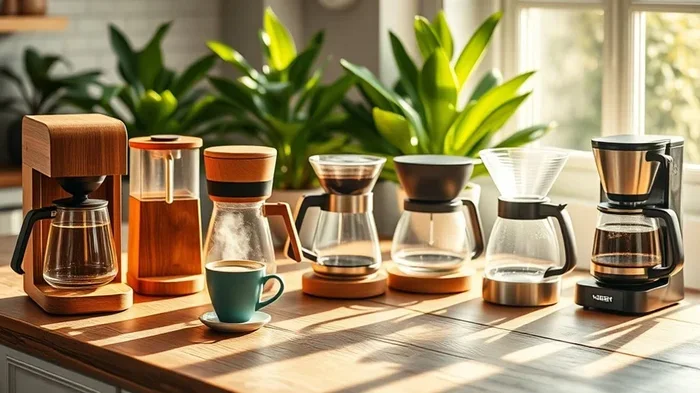
The way you brew coffee has a huge impact on taste. Drip machines are convenient, but they do not always extract the full flavor. Pour over methods give you more control. A French press creates a full-bodied cup with natural oils. An AeroPress makes a clean, bright coffee in under a minute. Each method brings out different notes in the beans.
French Press for Rich, Full-Bodied Coffee
A French press steeps coarse grounds in hot water for four minutes. This long contact time pulls out more oils and flavors. The result is a heavy, robust cup that feels satisfying. To get the best results, use a 1:15 ratio of coffee to water. That means 1 gram of coffee for every 15 grams of water. After steeping, press the plunger slowly and pour immediately. Do not leave the coffee sitting in the press, or it will over-extract and turn bitter.
Pour Over for Clean, Bright Taste
Pour over coffee uses a filter and a slow, steady stream of water. The paper filter removes most oils, giving a cleaner cup. This method highlights the subtle flavors in lighter roasts. You can control the water flow and temperature precisely. Many coffee lovers say pour over reveals notes of fruit or caramel that drip machines miss. It takes a little practice, but the result is worth it.
AeroPress for Quick, Smooth Coffee
The AeroPress is a compact device that uses air pressure to push water through fine grounds. It brews in about one minute. The coffee tastes smooth and low in acidity. You can adjust the steep time and water temperature to suit your preference. It is perfect for people who want a great cup fast. Cleanup is easy too. Just push the plunger and rinse the chamber.
Water Temperature and Ratio Secrets
Water makes up more than 98 percent of your cup of coffee. So the quality and temperature of your water matter just as much as the beans. Using filtered water removes chlorine and other off-flavors. Fresh, cold water heats evenly and produces a cleaner taste.
The ideal brewing temperature is between 195°F and 205°F. Water that boils (212°F) is too hot and will scorch the grounds. If you do not have a thermometer, let boiling water sit for 30 to 45 seconds before pouring. This brings it into the sweet spot. Too cold water (below 195°F) will under-extract the coffee, leaving it sour and weak.
The ratio of coffee to water is the second most important factor. A standard ratio is 1:15 or 1:16. That is 1 gram of coffee for every 15 to 16 grams of water. If your coffee tastes too strong, add a little more water. If it tastes weak, use more grounds next time. Keeping a kitchen scale helps you nail the ratio every time. Consistency is key to a great daily routine.
How to Reheat Coffee Without Ruining It
Sometimes you forget your coffee and it gets cold. Reheating it in the microwave can create hot spots and make the taste flat. A better way is to warm it gently in the oven. If you need to reheat a leftover cup, you can reheat it gently in the oven at a low temperature. This keeps the flavor intact and prevents the burnt taste that microwaves often cause.
Common Mistakes That Ruin Your Morning Brew
Even with good beans and water, simple mistakes can undo your efforts. Here are the most common errors and how to avoid them.
- Using old or stale grounds: Coffee loses its aroma quickly after grinding. Grind your beans just before brewing for the freshest taste.
- Not cleaning your equipment: Oils build up in grinders and brewers. Rinse your French press after every use and deep clean your grinder monthly.
- Wrong grind size: A coarse grind works for French press, but a fine grind is better for espresso or AeroPress. Using the wrong size leads to over- or under-extraction.
- Skipping the bloom: When you pour hot water over grounds, let them sit for 30 seconds. This releases carbon dioxide and allows for even extraction.
- Using tap water with chlorine: Chlorine and minerals can mask the delicate flavors of coffee. Filtered water tastes much cleaner.
Another mistake is adding too much cream or sugar too early. It masks the coffee’s natural character. Try tasting it black first, then adjust add-ins slowly. This helps you appreciate the true flavor of the beans.
Quick Fixes for Instant and Stale Coffee
If you only have instant coffee or old grounds, do not despair. You can still improve the taste. Start by using hotter water than you think. Instant coffee dissolves best at a rolling boil, but let it cool for a few seconds first. Adding a tiny pinch of salt neutralizes bitterness and brings out sweetness. A drop of vanilla extract also helps mask any stale notes. For old pre-ground coffee, use a stronger ratio. Add an extra half scoop of grounds to compensate for lost flavor.
If your coffee maker is not heating properly, the brew will be weak and lukewarm. You can learn how to tell if your oven is not heating properly, but the same principle applies to coffee makers. Check that your machine reaches the right temperature. A faulty heating element will produce subpar coffee every time.
Building a Morning Coffee Routine You Love
The best way to enjoy better coffee is to make it a ritual. Wake up a few minutes earlier so you are not rushing. Measure your beans and water with care. Take a moment to smell the aroma as it brews. This small pause sets a positive tone for the whole day. When you know how to make plain coffee taste better, you stop settling for a mediocre cup.
Experiment with different beans, add-ins, and brewing times. Keep a coffee journal to track what you like best. Maybe you prefer a cinnamon vanilla latte made with oat milk. Or maybe a black pour over with a hint of honey is your perfect cup. There is no single right answer. The goal is to find what makes your morning feel special.
Remember that coffee is a personal experience. What works for your friend might not work for you. Trust your palate and adjust the tips above to fit your taste. With a little attention and practice, your plain coffee will become something you genuinely enjoy. You will start each day with a cup that energizes and delights you.
Final Thoughts on Better Coffee
Making your coffee taste better does not require a big budget or a chemistry degree. Start with fresh beans, clean equipment, and the right water temperature. Add simple natural sweeteners and spices to enhance flavor. Try different brewing methods until you find your favorite. Avoid common pitfalls like stale grounds and dirty machines. Each small change adds up to a dramatically better cup. Now you know exactly how to make plain coffee taste better every morning. Go ahead, brew a fresh cup, and enjoy the difference.
Frequently Asked Questions
Why does my coffee taste bitter?
Bitterness usually comes from over-extraction. This happens when the water is too hot, the brew time is too long, or the grind is too fine. Try lowering the water temperature or shortening the steep time to smooth out the taste.
Can I add salt to coffee to make it taste better?
Yes, a tiny pinch of salt can neutralize bitterness and enhance sweetness. It works especially well with stale or over-extracted coffee. Just use a small amount so the coffee does not taste salty.
What is the best milk to add to coffee?
Oat milk and almond milk are popular choices because they blend smoothly and add a subtle nutty flavor. Whole dairy milk creates a creamy, rich texture. Choose the one that fits your taste and dietary preferences.
How often should I clean my coffee maker?
You should rinse your French press or pour over device after every use. For deeper cleaning, run a vinegar and water solution through a drip machine or Keurig once a month. Decalcify your Keurig every few months to remove mineral buildup.
Does the water I use really affect coffee taste?
Absolutely. Tap water with chlorine or heavy minerals can mask the delicate flavors of coffee. Filtered or spring water produces a cleaner, brighter taste and lets the beans shine through.
Can I use a solar oven to brew coffee?
Yes, you can experiment with a solar oven made from aluminum foil to brew coffee slowly. The gentle heat creates a very smooth and mellow cup. It is a fun and unique method for sunny days.