How To Make Easy Coffee At Home Using Simple Methods
Making easy coffee at home is simpler than you think, and you do not need expensive equipment to get a great cup. Whether you prefer a French press, drip coffee, or cold brew, this guide covers the best easy coffee methods for beginners and busy mornings. You will learn the right ratios, tools, and techniques to brew homemade coffee that rivals your favorite café.
There is something really satisfying about making a great cup of coffee right in your own kitchen. You do not need to be a barista or spend hundreds of dollars on fancy gear. With a few simple tools and a little practice, you can brew easy coffee at home that tastes amazing every single morning.
Maybe you are tired of waiting in long lines at coffee shops. Or perhaps you want to save money while still enjoying a quality cup. Whatever your reason is, this guide will walk you through the simplest and most effective ways to make coffee at home. We will cover everything from basic equipment to the best coffee brewing methods you can start using today.
The beauty of making coffee at home is that you get to control every step. You choose the beans, the grind size, the water temperature, and the brew time. Once you learn the basics, you will never want to go back to store-bought cups again. Let us dive in and explore how simple it really is.
Key Takeaways
- No fancy gear needed: You can make great coffee at home with basic tools like a French press or drip maker.
- Fresh beans matter: Using quality coffee beans and grinding them just before brewing makes a huge difference in flavor.
- Master the ratio: The right coffee to water ratio is the secret to a balanced, delicious cup every time.
- Multiple methods work: Whether you choose pour over coffee, French press, or cold brew, each method has its own charm.
- Avoid common mistakes: Using the wrong water temperature or stale grounds are the top errors home brewers make.
- It saves money: Brewing at home is cheaper than buying coffee daily and gives you full control over your drink.
📑 Table of Contents
- Why Making Coffee At Home Is Worth It
- Essential Tools For Brewing Coffee At Home
- The Best Easy Coffee Methods For Beginners
- How To Choose The Right Coffee Beans And Grounds
- Perfecting Your Coffee To Water Ratio
- Quick Tips For Better Tasting Coffee
- Common Mistakes To Avoid When Making Coffee
- Pairing Your Coffee With Simple Breakfast Treats
- Conclusion
Why Making Coffee At Home Is Worth It
Brewing your own coffee at home has so many benefits that go beyond just saving money. Once you start making your own homemade coffee, you will wonder why you ever spent so much at cafés.
- Save money every single day. A daily coffee shop habit can add up to hundreds of dollars each month. Making coffee at home costs just pennies per cup.
- Full control over flavor. You decide how strong or weak you want your brew. You can adjust the sweetness, creaminess, and strength to match your exact taste.
- It is convenient. No need to drive anywhere or wait in line. Your perfect cup is ready in minutes, right when you need it.
- Health benefits. When you brew at home, you control what goes into your drink. Skip the extra sugar and flavored syrups that can add hidden calories.
- It is a calming routine. Many people find that the morning coffee ritual helps them start the day with a sense of calm and purpose.
Think about your morning coffee routine. It is one of the few moments in the day that is just for you. Making it at home turns that moment into something even more special. You get a quiet, personal experience that sets a positive tone for the rest of your day.
Essential Tools For Brewing Coffee At Home
Before you start brewing, you need a few basic tools. The good news is that you do not need a lot of fancy equipment. Here is what you really need to get started with easy coffee recipes at home.
Fresh Coffee Beans
The foundation of any great cup of best coffee at home starts with fresh beans. Always look for whole beans that were roasted within the last two to four weeks. Buy them in small batches so they stay fresh longer. Store them in an airtight container away from light and heat.
A Good Grinder
Grinding your beans right before brewing is one of the biggest upgrades you can make. A burr grinder gives you a consistent grind size, which leads to better extraction and more flavor. If you do not have a grinder yet, many coffee shops will grind beans for you when you buy them.
Your Brewing Device
Depending on the method you choose, you will need one of the following:
- A drip coffee maker for hands-free, automatic brewing
- A French press for a rich, full-bodied cup
- A pour-over dripper for a clean, bright flavor
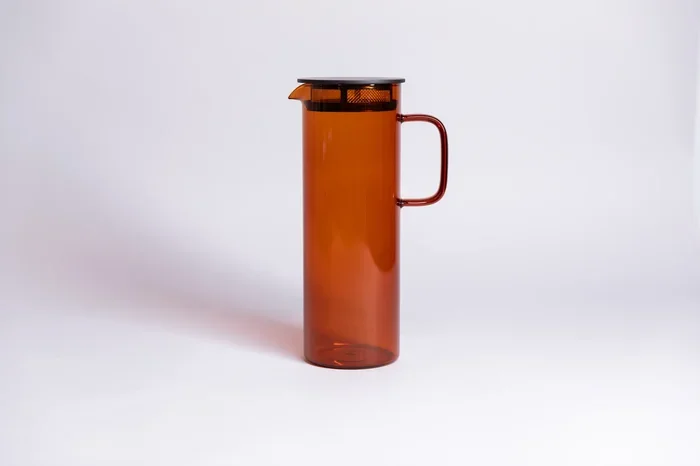
- A cold brew jar or pitcher for smooth, cold coffee
Filtered Water
Water makes up more than 98 percent of your coffee. Using clean, filtered water makes a noticeable difference in taste. Avoid distilled water, as it can make your coffee taste flat. Good water equals great coffee.
The Best Easy Coffee Methods For Beginners
There are many ways to brew coffee, but some methods are much simpler than others. Here are the four easiest and most popular coffee brewing methods you can try right now.
Method 1: Drip Coffee Maker
The drip coffee maker is the most common way people make coffee at home. It is simple, reliable, and perfect for making multiple cups at once. Just add water to the reservoir, place a filter in the basket, add your grounds, and press start.
How to do it:
- Fill the reservoir with cold filtered water.
- Place a paper or reusable filter in the basket.
- Add two tablespoons of ground coffee for every six ounces of water.
- Hit the brew button and wait for your coffee to drip through.
- Pour and enjoy.
This method is ideal for busy mornings when you want a quick and consistent cup. It is the go-to choice for most households, and for good reason.
Method 2: French Press
The French press is one of the most popular coffee maker basics for people who love a rich, full-bodied cup. It uses a simple plunger and mesh filter to extract maximum flavor from the grounds.
How to do it:
- Add coarsely ground coffee to the bottom of the French press.
- Pour hot water over the grounds, making sure they are fully saturated.
- Let it steep for four minutes.
- Slowly press the plunger down.
- Pour immediately and enjoy.
The French press gives you more oils and sediment in your cup, which creates a richer taste. It is a favorite among home coffee lovers who want a deeper, more robust flavor.
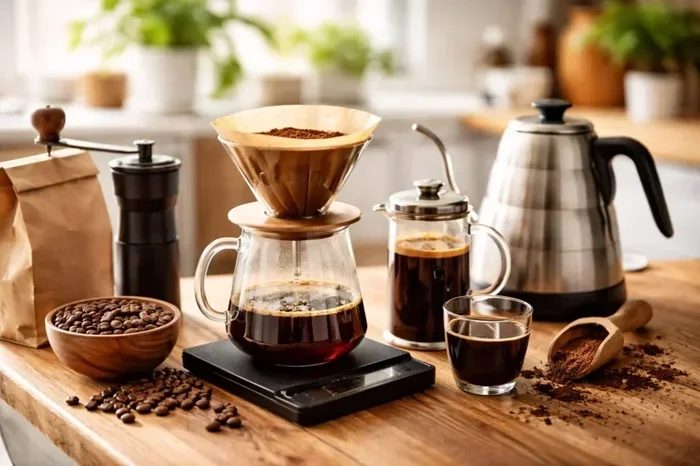
Method 3: Pour Over
Pour over coffee is a bit more hands-on, but the results are worth it. This method gives you a clean, bright cup with well-defined flavors. Many coffee enthusiasts consider it the best way to highlight the unique notes in single-origin beans.
How to do it:
- Place a filter in your pour-over dripper and set it over your mug or carafe.
- Add medium-fine ground coffee to the filter.
- Heat water to between 195 and 205 degrees Fahrenheit.
- Pour a small amount of water over the grounds and let them bloom for 30 seconds.
- Slowly pour the remaining water in a circular motion.
- Wait for the coffee to finish dripping through, then enjoy.
It might take a few tries to get the timing and pouring technique down, but once you do, it becomes a relaxing part of your morning. Think of it as a meditation, not just a task.
Method 4: Cold Brew
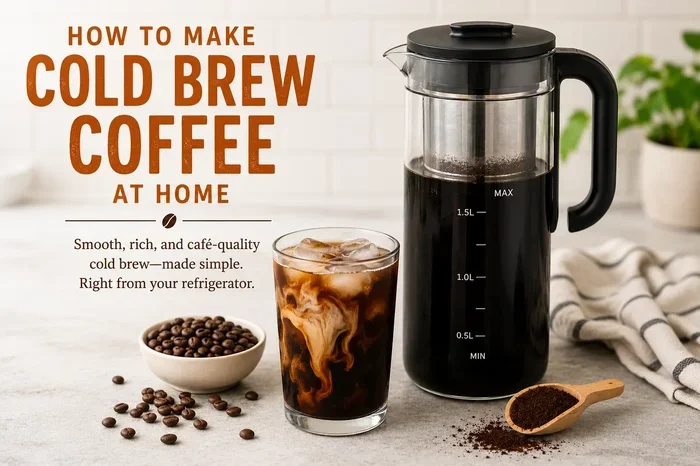
Cold brew coffee is smooth, low in acidity, and perfect for warm days. Unlike hot brewing methods, cold brew uses time instead of heat to extract flavor from the grounds. The result is a naturally sweet and mellow cup of coffee.
How to do it:
- Add coarse ground coffee to a jar or pitcher.
- Pour cold filtered water over the grounds.
- Stir gently and let it sit in the refrigerator for 12 to 24 hours.
- Strain the mixture through a fine mesh or cheesecloth.
- Dilute with water or milk to taste and serve over ice.
Cold brew is incredibly easy because you can make a big batch and store it in the fridge for up to a week. It is perfect for people who want to prepare coffee ahead of time and grab a cup on the go.
How To Choose The Right Coffee Beans And Grounds
Choosing the right beans is one of the most important steps in making great coffee at home. The type of bean, the roast level, and the grind size all affect the final taste of your cup.
Understanding Coffee Bean Types
There are two main types of coffee beans you will find at the store:
- Arabica beans are smooth, mild, and slightly sweet. They are the most popular choice for home brewing and work well with almost every method.
- Robusta beans have a stronger, more bitter taste and contain more caffeine. They are often used in espresso blends and instant coffee.
For beginners, Arabica beans are the best choice because they are more forgiving and easier to brew well.
Roast Levels
The roast level changes the flavor profile of your coffee significantly:
- Light roast preserves the original flavors of the bean, with fruity and floral notes.
- Medium roast offers a balanced flavor with a hint of sweetness and nuttiness.
- Dark roast gives you a bold, smoky, and slightly bitter taste with less acidity.
Pick a roast level based on your personal taste. If you like mild and smooth, go light. If you prefer bold and strong, go dark.
Grind Size Matters
The grind size should match your brewing method for the best results:
| Brewing Method | Grind Size |
|---|---|
| French Press | Coarse |
| Drip Coffee Maker | Medium |
| Pour Over | Medium-Fine |
| Cold Brew | Coarse |
Using the wrong grind size can lead to over-extraction or under-extraction, both of which ruin the taste. When in doubt, invest in a burr grinder that lets you adjust the size precisely.
Perfecting Your Coffee To Water Ratio
The coffee to water ratio is the single most important factor in brewing a balanced cup. Too much coffee makes your drink bitter and strong. Too little makes it weak and watery. Getting the ratio right is the key to perfecting your coffee every time.
The general guideline recommended by most coffee experts is:
- 1 to 2 tablespoons of ground coffee per 6 ounces of water.
- For a milder cup, start with 1 tablespoon.
- For a stronger cup, use 2 tablespoons.
A kitchen scale is the best tool for measuring your coffee and water precisely. Weighing your ingredients removes guesswork and helps you replicate your perfect cup every single time. Most coffee lovers find their sweet spot after a few tries, so do not be afraid to experiment.
Another important factor is water temperature for coffee. The ideal temperature range is between 195 and 205 degrees Fahrenheit. Water that is too hot will over-extract the grounds and create a bitter taste. Water that is too cool will under-extract and leave your coffee tasting flat and sour.
If you do not have a thermometer, simply bring your water to a boil and then let it sit for 30 seconds before pouring. This gives you a safe and effective temperature every time.
Quick Tips For Better Tasting Coffee
Want to take your homemade coffee to the next level? Here are some quick tips that make a big difference:
- Always use fresh water. Stale or old water affects the taste of your coffee. Use cold filtered water every time.
- Preheat your brewing device. Rinse your French press, pour-over dripper, or carafe with hot water before brewing. This keeps the temperature stable during the brew.
- Do not reuse coffee grounds. Used grounds have already released most of their flavor. Fresh grounds every time give you the best results.
- Clean your equipment regularly. Old coffee oils can go rancid and affect the taste of your next brew. Wash your French press, grinder, and dripper after each use.
- Store beans properly. Keep your coffee beans in an airtight container at room temperature. Avoid the freezer, as moisture and odors can damage the beans.
These small habits might seem minor, but they add up to a noticeably better cup of coffee. Consistency is the secret ingredient in great brewing.
Common Mistakes To Avoid When Making Coffee
Even the best coffee brewing tips will not help if you keep making the same errors. Here are the most common mistakes home brewers make and how to fix them.
Using Stale Coffee Grounds
Coffee starts to lose its flavor within 15 to 30 minutes of grinding. Pre-ground coffee from the store can be weeks or even months old by the time you buy it. Always grind your beans just before brewing for the freshest, most flavorful cup.
Using the Wrong Water Temperature
Boiling water is too hot for most brewing methods and will scorch the grounds, creating a bitter taste. Let your water cool slightly after boiling before pouring it over your coffee.
Ignoring the Ratio
Eyeballing your coffee and water leads to inconsistent results. Use a measuring spoon or a kitchen scale to keep your ratios accurate every time.
Not Cleaning Your Equipment
Oil buildup from coffee grounds can go rancid and make your next cup taste off. Clean all your brewing tools thoroughly after each use. A clean setup means a clean, great-tasting cup.
Rushing the Brew Time
Each method has a recommended brew time for a reason. Rushing through the process means under-extracted or over-extracted coffee. Give your coffee the time it needs to develop its full flavor.
Pairing Your Coffee With Simple Breakfast Treats
Making great coffee at home is even more enjoyable when you pair it with a simple breakfast treat. A warm, fresh pastry or a handful of roasted nuts makes your morning coffee ritual feel like a café experience right in your own kitchen.
If you love snacking while you sip, try roasting your own almonds to go with your morning brew. Learning how to roast whole almonds in oven is incredibly easy and gives you a healthy, crunchy companion for your coffee. You can season them with a little salt, cinnamon, or even cocoa powder for an extra flavor boost.
For a heartier morning, consider baking some fresh bread alongside your coffee routine. If you do not have an oven, you can still enjoy warm bread by checking out how to make bread without oven and yeast. It is a simple and satisfying way to round out your morning coffee experience with something warm and homemade.
Another classic pairing is eggs with coffee. If you enjoy a full breakfast, you might want to experiment with baked eggs as part of your morning routine. Learning how long eggs take to bake in the oven helps you time your breakfast perfectly so your eggs and coffee are both ready at the same time.
These small additions turn your simple morning coffee into a complete, enjoyable experience that you will look forward to every day.
Conclusion
Making easy coffee at home is one of the simplest and most rewarding skills you can learn. With just a few basic tools, fresh beans, and the right technique, you can brew a cup of coffee that is every bit as good as what you would get at a café. Whether you choose a drip coffee maker, a French press, a pour-over, or cold brew, each method offers something special and delicious.
The key to great coffee is consistency and attention to detail. Use fresh beans, get the coffee to water ratio right, and pay attention to water temperature. Avoid the common mistakes we covered, and do not be afraid to experiment until you find your perfect cup.
Remember, your morning coffee is your time. Making it at home gives you more control, more savings, and more enjoyment in every sip. Start with one of the methods in this guide, and you will be on your way to better coffee at home starting tomorrow morning. Happy brewing.
Frequently Asked Questions
What is the easiest method to make coffee at home?
The easiest method is using a drip coffee maker. You just add water, add grounds, and press a button. It requires no special skills and produces consistent results every time, making it perfect for beginners who want simple coffee maker basics.
How do I know if my coffee beans are fresh?
Fresh coffee beans have a strong, pleasant aroma and a slight oily sheen on darker roasts. Check the roast date on the bag and try to buy beans that were roasted within the last two to four weeks. Stale beans will smell flat and dull, which directly affects the taste of your homemade coffee.
Can I use tap water to make coffee?
You can, but filtered water produces much better tasting coffee. Tap water often contains chlorine and minerals that can alter the flavor of your brew. Using clean filtered water is one of the simplest coffee brewing tips for improving taste.
How long does cold brew coffee last in the fridge?
Cold brew concentrate can last up to two weeks when stored in the refrigerator in a sealed container. After that, the flavor starts to degrade. It is best to make smaller batches more frequently so you always have fresh, smooth cold brew coffee ready to drink.
What is the best grind size for a French press?
A coarse grind is best for French press coffee. It prevents fine particles from passing through the mesh filter and keeps your cup clean and full-bodied. Using the right grind size is one of the most important coffee brewing tips for getting the best results.
How much coffee should I use per cup?
The standard ratio is one to two tablespoons of ground coffee per six ounces of water. Adjust this based on your personal preference for strength and flavor. Using a kitchen scale to measure your coffee to water ratio helps you achieve consistent, great-tasting results every time.