How To Make Top Sirloin Steak In The Oven Perfectly
Making top sirloin steak in the oven is easier than you think. This guide walks you through every step, from choosing the right cut to pulling it off the heat at perfect doneness. You will learn pro techniques that turn a simple steak into a mouthwatering meal. Whether you are a beginner or a seasoned cook, these methods will elevate your steak game. Follow along and enjoy restaurant-quality steak right in your own kitchen.
There is something deeply satisfying about cooking a great steak in the oven. The gentle, even heat wraps around the meat and transforms a simple piece of beef into something extraordinary. If you have been wondering how to make top sirloin steak in the oven like a pro, you have come to the right place.
Top sirloin is one of the most versatile and affordable cuts of beef available. It is leaner than ribeye or strip steak, which makes it a favorite for health-conscious steak lovers. When cooked correctly, a top sirloin steak can be incredibly juicy and full of beefy flavor. The oven method gives you more control over the internal temperature, which means fewer mistakes and more perfect steaks on your plate.
In this guide, we will cover everything you need to know. From selecting the best cut at the butcher counter to pulling the steak off the heat at exactly the right moment, every detail matters. You will find practical tips, step-by-step instructions, and common mistakes to avoid. By the end, you will feel confident enough to cook a top sirloin steak in the oven that rivals any steakhouse.
Key Takeaways
- Choose the right cut: Look for top sirloin steaks that are at least 1 to 1.5 inches thick for the best oven results.
- Bring steak to room temperature: Letting the steak sit out for 30 to 45 minutes before cooking ensures even cooking throughout.
- Use a meat thermometer: This is the single most important tool for achieving your desired doneness every time.
- Sear before oven roasting: A hot skillet sear creates a flavorful crust that locks in juices.
- Rest your steak: Always let the steak rest for 5 to 10 minutes after cooking to redistribute the juices.
- Reverse sear method works great: Slow oven cooking followed by a quick sear gives you a perfect edge-to-edge doneness.
- Season simply but effectively: Quality salt, pepper, garlic, and a touch of butter go a long way.
📑 Table of Contents
- Why Top Sirloin Steak Is a Great Choice for Oven Cooking
- Tools and Ingredients You Will Need
- How to Prep Your Top Sirloin Steak Like a Pro
- The Step-by-Step Oven Cooking Process
- Checking Doneness and Knowing When to Pull the Steak
- Serving Suggestions and Flavor Variations
- Common Mistakes to Avoid When Cooking Steak in the Oven
- How to Store and Reheat Leftover Steak
- Final Thoughts on Cooking Top Sirloin Steak in the Oven
Why Top Sirloin Steak Is a Great Choice for Oven Cooking
Not all steaks are created equal when it comes to oven cooking. Some cuts are too thin and dry out quickly. Others have so much fat that they shrink and splatter. Top sirloin hits a sweet spot. It is thick enough to hold up to oven heat, lean enough to stay tender, and flavorful enough to satisfy even the pickiest eaters.
Here is why top sirloin steak in the oven is such a winning combination:
- Affordability: Top sirloin costs less than premium cuts like ribeye or filet mignon, making it budget-friendly for everyday meals.
- Lean profile: With less marbling than other cuts, top sirloin is a lighter option that still delivers big beef flavor.
- Consistent thickness: Most top sirloin steaks come in uniform thickness, which promotes even cooking in the oven.
- Versatility: It pairs well with marinades, dry rubs, and compound butters, giving you creative freedom.
- Oven-friendly: The oven’s ambient heat cooks the steak gently, reducing the risk of overcooking compared to grilling.
When you choose the right top sirloin and cook it properly, the results are outstanding. The meat stays moist, the exterior gets a beautiful crust, and every slice reveals a juicy, pink center. It is no wonder that oven-baked steak has become a go-to method for home cooks everywhere.
Top Sirloin vs Other Cuts for Oven Cooking
It helps to understand how top sirloin compares to other popular steak cuts. This way, you can make informed decisions at the meat counter.
| Cut | Fat Content | Best Cooking Method | Oven Suitability |
|---|---|---|---|
| Top Sirloin | Lean | Oven roast, reverse sear | Excellent |
| Ribeye | Well-marbled | Grill, cast iron skillet | Good (can splatter) |
| Filet Mignon | Very lean | Pan sear, oven finish | Good (needs careful timing) |
| Strip Steak | Moderate marbling | Grill, skillet | Fair (thinner cuts dry out) |
| Flank Steak | Very lean | Grill, broil | Poor (too thin for oven) |
As you can see, top sirloin steak in the oven is one of the most reliable choices. It gives you room for error and still produces excellent results. For a detailed oven-baked steak guide, top sirloin should be at the top of your list.
Tools and Ingredients You Will Need
Before you start cooking, make sure you have everything ready. Having the right tools and ingredients on hand makes the process smooth and enjoyable. You do not need anything fancy, but a few key items will make a big difference in the final result.
Essential Tools
- Cast iron skillet or oven-safe pan: This is the best choice for searing your steak before it goes in the oven. Cast iron holds heat beautifully and creates an even crust.
- Meat thermometer: This is non-negotiable. A digital instant-read thermometer takes the guesswork out of cooking. It tells you the exact internal temperature so you can pull the steak at the perfect moment.
- Tongs: You will use tongs to flip the steak safely without piercing the meat and losing juices.
- Wire rack: Placing the steak on a wire rack over a baking sheet allows hot air to circulate around it. This is especially useful for the reverse sear method.
- Aluminum foil: You will need foil to rest the steak after cooking. It keeps the steak warm while the juices redistribute.
- Basting brush: Optional, but handy for applying garlic butter or marinade during cooking.
Key Ingredients
- Top sirloin steak: Look for a cut that is at least 1 inch thick. Thicker steaks (1.5 inches) are even better because they can handle high oven temperatures without drying out.
- Kosher salt or sea salt: Salt is the most important seasoning. It draws out moisture, then reabsorbs it, creating a deeply seasoned steak from edge to edge.
- Freshly ground black pepper: Coarse pepper adds a gentle heat and complements the natural beef flavor.
- Garlic: Fresh garlic cloves or garlic powder adds a savory depth. You can also use garlic butter for extra richness.
- Olive oil or avocado oil: A light coating helps the seasoning adhere and promotes a beautiful sear.
- Fresh herbs (optional): Rosemary and thyme are classic choices that pair wonderfully with beef.
- Butter (optional): A knob of butter basted on the steak during the last few minutes of cooking adds incredible richness and flavor.
With these tools and ingredients ready, you are set up for success. The preparation stage is just as important as the cooking stage, so do not skip it.
How to Prep Your Top Sirloin Steak Like a Pro
Proper preparation is the foundation of a great steak. Many home cooks rush through this step and end up with unevenly cooked or bland results. Taking a few extra minutes to prep your steak correctly will pay off big time.
Step 1: Remove the Steak from the Fridge Early
Take your top sirloin steak out of the refrigerator about 30 to 45 minutes before you plan to cook it. This lets the meat come closer to room temperature. When a cold steak hits a hot oven or skillet, the outside overcooks before the inside has a chance to catch up. A room-temperature steak cooks more evenly from edge to center.
Step 2: Pat It Dry
Use paper towels to thoroughly pat the steak dry on both sides. Moisture is the enemy of a good sear. A dry surface means better browning and a more flavorful crust. Do not skip this step, even if the steak looks dry already. Extra surface moisture creates steam, which prevents the Maillard reaction from happening.
Step 3: Season Generously
Now it is time to season. Apply a generous layer of kosher salt and freshly ground black pepper on both sides. Do not be shy. The salt needs time to penetrate the meat, so seasoning at least 20 to 30 minutes before cooking is ideal. If you are using a steak seasoning blend or a dry rub, apply it at this stage too.
For an extra flavor boost, you can also add:
- A light drizzle of olive oil to help the seasoning stick
- Minced fresh garlic rubbed onto the surface
- A sprinkle of smoked paprika for a subtle smoky flavor
- Dried herbs like oregano or thyme for an aromatic touch
Step 4: Preheat Your Oven
While the steak rests at room temperature and absorbs the seasoning, preheat your oven. The temperature depends on which cooking method you prefer. For a standard oven roast, set it to 400 degrees Fahrenheit. For a slower, more controlled cook, use 275 degrees Fahrenheit for the reverse sear method. Both approaches work beautifully for top sirloin steak in the oven.
The Step-by-Step Oven Cooking Process
Now comes the fun part. Cooking top sirloin steak in the oven is straightforward, but paying attention to the details makes all the difference. Here is the complete process broken down into clear steps.
Method 1: The Classic Sear and Roast
This is the most popular method for cooking top sirloin steak in the oven. It combines a hot skillet sear with gentle oven roasting for a perfect steak every time.
- Heat your cast iron skillet: Place the skillet on the stove over high heat. Let it get ripping hot. You should see a slight shimmer in the air above the pan. Add a thin layer of high smoke-point oil like avocado oil.
- Sear the steak: Carefully place the seasoned steak in the hot skillet. You should hear a loud sizzle immediately. Sear for 2 to 3 minutes on each side without moving it. This builds a deep brown crust that locks in juices.
- Transfer to the oven: Once both sides are seared, move the skillet directly into the preheated oven. Alternatively, transfer the steak to a wire rack set over a baking sheet if your skillet is not oven-safe.
- Cook until desired doneness: Roast for about 6 to 10 minutes depending on the thickness of the steak and your preferred level of doneness. Use a meat thermometer to check the internal temperature.
- Rest the steak: Remove the steak from the oven and let it rest on a cutting board, loosely covered with foil, for at least 5 minutes.
Method 2: The Reverse Sear Method
The reverse sear is a favorite among steak enthusiasts. It involves cooking the steak slowly in the oven first, then finishing with a quick, intense sear in a hot skillet. This method produces an incredibly even doneness from edge to edge.
- Low and slow in the oven: Place the seasoned steak on a wire rack over a baking sheet. Put it in an oven set to 275 degrees Fahrenheit. Cook until the internal temperature reaches about 10 to 15 degrees below your target doneness.
- Remove and rest briefly: Take the steak out of the oven and let it rest for a couple of minutes.
- Sear in a blazing hot skillet: Heat a cast iron skillet with oil until it is smoking hot. Sear the steak for about 1 minute on each side. This creates a stunning crust without overcooking the interior.
- Rest again before serving: Let the steak rest for 5 to 10 minutes before slicing.
The reverse sear method takes a bit longer, but the results are worth the wait. It is especially effective for thicker cuts of top sirloin steak in the oven. If you want edge-to-edge pink perfection, this is the way to go.
Quick Tips for Perfect Searing
- Make sure the skillet is truly hot before adding the steak. A cold pan gives you a gray, steamed exterior instead of a beautiful brown crust.
- Do not overcrowd the pan. Cook one steak at a time if necessary. Overcrowding drops the pan temperature and leads to uneven browning.
- Press the steak gently with tongs during searing. This maximizes contact with the hot surface and promotes even browning.
- Add a sprig of rosemary and a smashed garlic clove to the pan during the final sear. Basting the steak with the infused oil adds incredible flavor.
Checking Doneness and Knowing When to Pull the Steak
Knowing when your top sirloin steak in the oven is done is the skill that separates good cooks from great ones. The only reliable way to check doneness is with a meat thermometer. Guesswork leads to overcooked or undercooked steaks, and nobody wants that.
Internal Temperature Guide for Steak Doneness
Here is a clear reference for pulling your steak off the heat at the right moment. Remember that the temperature will rise by about 5 degrees during resting, so pull the steak a few degrees early.
| Doneness | Pull Temperature | Final Temperature After Resting | Texture |
|---|---|---|---|
| Rare | 120°F | 125°F | Cool red center, very soft |
| Medium Rare | 130°F | 135°F | Warm red center, juicy and tender |
| Medium | 140°F | 145°F | Pink center, firm but still juicy |
| Medium Well | 150°F | 155°F | Slight pink center, firmer texture |
| Well Done | 160°F | 165°F | No pink, very firm |
For most steak lovers, medium rare is the sweet spot. It offers the best balance of juiciness, flavor, and tenderness. A medium-rare top sirloin steak in the oven will have a warm red center that melts in your mouth. That said, the best doneness is ultimately the one you enjoy most.
Why Resting Your Steak Matters
Resting is not optional. It is a critical step that many people overlook. When you pull a steak off the heat, the juices inside are under pressure and concentrated toward the center. If you cut into it immediately, those juices flood out onto the cutting board instead of staying in the meat.
Letting the steak rest for 5 to 10 minutes allows the juices to redistribute throughout the meat. The result is a steak that is juicy and tender in every bite. Loosely tent the steak with aluminum foil during resting. This keeps it warm without trapping too much steam, which would soften the crust you worked so hard to build.
Expert Insight: Chef Michael Smith always tells his students, “The resting period is where the magic happens. A steak that is pulled at the right temperature and rested properly will always outperform one that is cooked a few degrees further but not rested at all.”
Serving Suggestions and Flavor Variations
Once your top sirloin steak in the oven is cooked and rested, it is time to serve it up. A great steak does not need a lot of fuss, but a few thoughtful accompaniments can turn a simple meal into a memorable dining experience.
Classic Serving Ideas
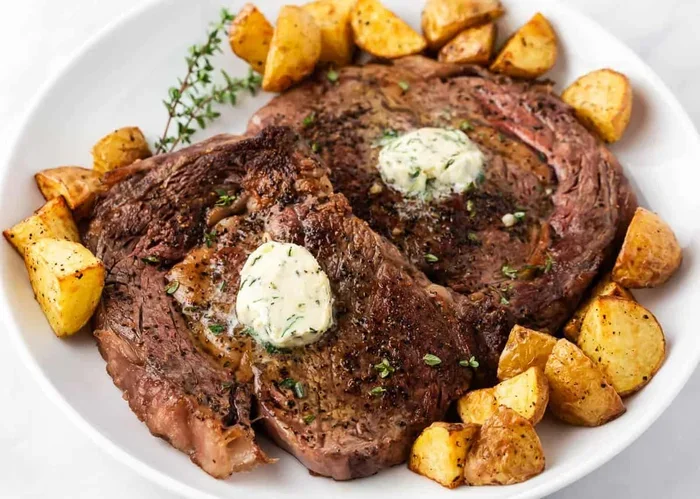
- Simple butter finish: Top the rested steak with a pat of compound butter made from softened butter, minced garlic, fresh parsley, and a pinch of salt. As it melts over the steak, it adds richness and shine.
- Red wine reduction: Deglaze the cast iron skillet with a splash of red wine, add a bit of beef broth, and simmer until the sauce thickens. Pour it over the sliced steak for an elegant touch.
- Roasted vegetables: Pair the steak with roasted asparagus, garlic mashed potatoes, or a crisp garden salad for a complete meal.
- Blue cheese butter: For bold flavors, mix crumbled blue cheese into softened butter and spread it on top of the hot steak. The tangy, creamy combination is irresistible.
Marinade and Rub Variations
While a simple salt and pepper seasoning is classic, experimenting with marinades and rubs adds exciting new dimensions to your top sirloin steak in the oven. Here are a few ideas to try:
- Worcestershire marinade: Combine Worcestershire sauce, olive oil, minced garlic, and a splash of balsamic vinegar. Marinate the steak for 2 to 4 hours before cooking for a deeply savory flavor.
- Southwestern rub: Mix chili powder, cumin, smoked paprika, garlic powder, and a pinch of cayenne pepper. This rub gives the steak a warm, smoky kick that pairs beautifully with grilled corn and black beans.
- Asian-inspired glaze: Use a blend of soy sauce, sesame oil, rice vinegar, and ginger. Brush the glaze on during the last few minutes of cooking for an umami-rich finish.
- Italian herb crust: Combine dried oregano, basil, rosemary, garlic powder, and olive oil. Rub it into the steak and let it sit for an hour before oven cooking for a Mediterranean-inspired flavor.
Feel free to experiment with different flavor profiles. Top sirloin steak in the oven is a forgiving cut that takes well to bold seasonings and marinades. Just remember not to over-marinate. Acidic marinades can break down the meat fibers if left too long, leading to a mushy texture. Aim for 2 to 4 hours for most marinades.
Common Mistakes to Avoid When Cooking Steak in the Oven
Even experienced home cooks make mistakes from time to time. Being aware of common pitfalls helps you avoid them and consistently achieve better results. Here are the most frequent errors people make when cooking top sirloin steak in the oven.
Mistake 1: Starting with a Cold Steak
Placing a fridge-cold steak directly into a hot oven or skillet causes the outside to overcook while the inside remains cold and uneven. Always let the steak come to room temperature before cooking. This simple step makes a noticeable difference in how evenly your steak cooks.
Mistake 2: Skipping the Dry Surface
A wet steak surface steams instead of searing. Pat the steak thoroughly dry with paper towels before seasoning. This small action is the difference between a beautiful brown crust and a sad, gray exterior.
Mistake 3: Not Using a Meat Thermometer
Timing by the clock alone is unreliable. Every oven, every steak, and every starting temperature varies. A meat thermometer takes the guesswork out of cooking and ensures your steak comes out exactly the way you like it. Invest in a good instant-read thermometer and use it every time.
Mistake 4: Cutting Into the Steak Too Soon
It can be tempting to slice into that beautiful steak the moment it comes out of the oven. Resist the urge. Cutting too early releases all those precious juices onto the board instead of staying in the meat. Be patient and let it rest.
Mistake 5: Overcooking Lean Cuts
Top sirloin is leaner than ribeye or strip steak, which means it dries out faster if you cook it too long. Keep a close eye on the internal temperature and pull the steak when it is a few degrees below your target. The resting period will bring it up to the perfect final temperature.
Mistake 6: Using the Wrong Pan
Non-stick pans are not ideal for searing steak. They do not get hot enough to create a proper crust. Cast iron skillets and stainless steel pans are the best choices. They retain heat well and develop a beautiful sear on the steak surface.
Quick Tip: If you do not have a cast iron skillet, any heavy-bottomed oven-safe pan will work. The key is that the pan must be able to handle high heat on the stovetop and then go into the oven without warping.
How to Store and Reheat Leftover Steak
Sometimes you cook more steak than you can eat in one sitting. The good news is that leftover top sirloin steak in the oven can be stored and reheated without sacrificing too much quality. Here is how to do it right.
Storing Cooked Steak
Let the leftover steak cool to room temperature, then store it in an airtight container in the refrigerator. Properly stored cooked steak keeps well for 3 to 4 days. For longer storage, wrap the steak tightly in plastic wrap and aluminum foil, then place it in a freezer-safe bag. Frozen cooked steak stays good for up to 3 months.
Reheating Without Drying It Out
The biggest challenge with reheating steak is keeping it moist. Here are two effective methods:
- Oven method: Place the leftover steak on a wire rack set over a baking sheet. Warm it in an oven set to 250 degrees Fahrenheit for about 10 to 15 minutes. This gentle heat warms the steak without overcooking it.
- Sous vide method: If you have a sous vide machine, seal the steak in a bag and warm it in a water bath at 130 degrees Fahrenheit for about 20 to 30 minutes. This is the most precise method and produces restaurant-quality results.
After reheating, give the steak a quick 30-second sear in a hot skillet to refresh the crust. This small step makes a huge difference in texture and flavor.
Final Thoughts on Cooking Top Sirloin Steak in the Oven
Cooking top sirloin steak in the oven is one of the simplest and most rewarding things you can do in the kitchen. It does not require expensive equipment or years of experience. With the right cut, proper seasoning, and a reliable meat thermometer, you can consistently cook a steak that is juicy, tender, and full of flavor.
Remember the key principles. Bring the steak to room temperature before cooking. Sear it in a hot skillet to build a flavorful crust. Use the oven to finish cooking gently and evenly. Pull the steak at the right temperature using a thermometer. And always let it rest before slicing. These steps work together to create a steak that is truly special.
Whether you are cooking for yourself on a quiet weeknight or preparing a steak dinner for guests, the oven method gives you confidence and consistency. Top sirloin steak in the oven is forgiving, delicious, and endlessly customizable with different seasonings and serving styles. Once you master the basics, you can experiment with marinades, rubs, and finishing sauces to make each steak uniquely yours.
So go ahead. Pick up a beautiful top sirloin steak at your local butcher or grocery store. Follow the steps in this guide. And enjoy the satisfaction of cooking a perfect steak in your own kitchen. You will not regret it. Your taste buds will thank you.
Frequently Asked Questions
Can I cook top sirloin steak in the oven without searing it first?
Yes, you can cook top sirloin steak in the oven without searing, but you will miss out on the flavorful crust that makes steak so enjoyable. The sear creates the Maillard reaction, which adds depth and complexity to the flavor. If you skip the sear, simply season the steak well and roast it at 400 degrees Fahrenheit until it reaches your desired internal temperature.
What is the best oven temperature for cooking top sirloin steak?
The best oven temperature depends on your method. For a standard sear and roast, preheat the oven to 400 degrees Fahrenheit. For the reverse sear method, set the oven to 275 degrees Fahrenheit for a slow, even cook. Both temperatures work well for top sirloin steak in the oven and produce excellent results.
How long should I cook a 1-inch top sirloin steak in the oven?
A 1-inch top sirloin steak typically takes about 8 to 12 minutes total when using the sear and roast method, depending on your oven and desired doneness. For the reverse sear at 275 degrees Fahrenheit, it takes about 20 to 25 minutes to reach the target temperature. Always use a meat thermometer to check the internal temperature rather than relying on time alone.
Should I marinate top sirloin steak before cooking it in the oven?
Marinating is optional but recommended for extra flavor. A simple marinade of olive oil, garlic, soy sauce, and herbs works wonderfully. Marinate the steak for 2 to 4 hours for the best results. Avoid marinating for more than 8 hours, as the acids in the marinade can break down the meat fibers and create a mushy texture.
How do I know when my top sirloin steak is done?
The most reliable way to know when your steak is done is by using a meat thermometer. Insert it into the thickest part of the steak, avoiding the bone or fat. For medium rare, aim for an internal temperature of 130 to 135 degrees Fahrenheit. Remember that the temperature will rise by about 5 degrees during resting, so pull the steak a few degrees before your target.
Can I use a baking sheet instead of a cast iron skillet for oven steak?
Yes, you can place the seasoned steak directly on a baking sheet lined with a wire rack and cook it in the oven. This method works especially well for the reverse sear approach. However, using a cast iron skillet for the initial sear adds a significant flavor boost and a more attractive crust. If you want the best results, use both methods together.
=== CONCLUSION ===
Learning how to make top sirloin steak in the oven perfectly is a skill that will serve you well for years to come. It is a simple yet rewarding process that delivers impressive results every time. From selecting the right cut at the store to pulling it off the heat at the perfect moment, each step plays an important role in the final dish.
Remember to bring your steak to room temperature, season it generously, sear it in a hot skillet, and use a meat thermometer to monitor doneness. Let the steak rest before slicing, and serve it with your favorite accompaniments. These fundamentals apply whether you are cooking a quick weeknight dinner or a special weekend meal.
Top sirloin steak in the oven is one of the most reliable and delicious ways to enjoy beef at home. With the tips and techniques shared in this guide, you have everything you need to cook a steak that is juicy, tender, and full of flavor. So fire up your oven, grab a good steak, and get cooking. You deserve a fantastic meal, and now you have the knowledge to make it happen.