How To Make Non Acidic Coffee Without The Bitterness
Making non acidic coffee is easier than you think. You can enjoy a smooth, gentle cup without the bitterness or stomach discomfort that acidic coffee causes. This guide covers the best beans, brewing methods, and natural additives to help you make non acidic coffee at home. Whether you have acid reflux or just want a smoother taste, these tips will transform your morning routine.
Key Takeaways
- Choose Low-Acid Beans: Dark roasts and cold-grown coffee naturally have lower acid levels and are easier on your stomach.
- Use the Right Brewing Method: Cold brew and French press methods extract less acidity from coffee grounds for a smoother cup.
- Add Natural Alkaline Ingredients: Baking soda, eggshells, and milk can neutralize coffee acid effectively and reduce bitterness.
- Mind Your Water Temperature: Avoid boiling water, as it increases acid extraction from coffee grounds and makes the cup harsher.
- Pair Smart Breakfast Foods: A balanced morning meal with the right sides helps buffer coffee acidity and supports digestion.
📑 Table of Contents
Why Coffee Is Acidic and Why It Matters
Coffee is one of the most popular drinks in the world. Millions of people start their day with a hot cup. But for many, that morning ritual comes with a price. Acidic coffee can cause discomfort, heartburn, and stomach issues. If you have ever felt a burning sensation after drinking your favorite brew, you are not alone.
The non acidic coffee movement has grown a lot in recent years. More people are looking for ways to enjoy their daily cup without the side effects. Understanding why coffee is acidic is the first step toward finding a better solution. Once you know what causes the acid, you can take control of your brew.
What Causes High Acidity in Coffee
Coffee contains several natural acids. Chlorogenic acid, quinic acid, and citric acid are the main ones. These compounds develop during the roasting process and the brewing process. The way coffee is grown, processed, and roasted all affect the final coffee acidity levels in your cup.
Light roasts tend to be more acidic than dark roasts. This is because the shorter roasting time preserves more of the original acids in the bean. The coffee extraction process also plays a big role. Hot water pulls acids out of the grounds quickly, especially when the water is boiling. The hotter the water, the more acid gets extracted.
Your coffee grind size matters too. Finer grinds expose more surface area to water. This means more acid gets extracted in a shorter time. Coarser grinds slow down the extraction and can result in a gentler, smoother cup. Even the type of filter you use changes the acidity. Paper filters trap more oils than metal filters, which can slightly reduce the acid in your final drink.
How Acidic Coffee Affects Your Body
Drinking highly acidic coffee regularly can cause problems. Many people experience acid reflux coffee symptoms after their morning cup. This includes a burning feeling in the chest, an upset stomach, and bloating. Some people also notice nausea or a sour taste in their mouth.
For those with coffee sensitivity stomach issues, acidic drinks can make things worse over time. Conditions like GERD and gastritis can be triggered or worsened by the wrong type of coffee. Even people without these conditions may notice discomfort after drinking several cups throughout the day.
Switching to low acid coffee or learning how to reduce acidity at home can make a big difference. You do not have to give up coffee entirely. You just need to make smarter choices about how you brew and what you add. The goal is a cup that tastes great and feels good in your stomach.
Best Coffee Beans for Non Acidic Coffee
Not all coffee beans are created equal. The type of bean you choose has a huge impact on the final acidity of your cup. If you want to make non acidic coffee, your bean selection matters from the very start. Choosing the right beans is the foundation of a smooth, gentle brew.
Dark Roast vs Light Roast
When it comes to dark roast coffee, the roasting process breaks down more of the natural acids. Dark roasts have a bolder, richer flavor and tend to be smoother on the stomach. The longer roasting time converts chlorogenic acids into other compounds that are less harsh on your digestive system.
Light roast coffee, on the other hand, retains more of its original acidity. The beans are roasted for a shorter time, which keeps more of the bright, fruity, and tangy flavor notes. If you have a sensitive stomach, dark roast is usually the safer bet for non acidic coffee. The flavor is deeper and less sharp.
Here is a quick comparison of roast levels and their effect on acidity:
- Dark Roast: Lower acidity, bolder flavor, smoother on the stomach, less caffeine per scoop.
- Medium Roast: Balanced acidity, a middle ground between bold and bright flavor profiles.
- Light Roast: Higher acidity, brighter flavor, more complex taste notes, more caffeine per scoop.
Bean Origin Matters
The region where coffee beans are grown affects their acid content. Beans from low-altitude areas tend to have less acid than those grown at high elevations. For example, Brazilian and Indonesian beans are known for being naturally lower in acid. They grow in warmer climates and develop fewer of the compounds that cause acidity.
Ethiopian and Kenyan beans, grown at high altitudes, tend to be more acidic. If you are looking for stomach-friendly coffee, consider beans from Brazil, Sumatra, or Mexico. These origins are often recommended for people who want a gentler cup without sacrificing flavor.
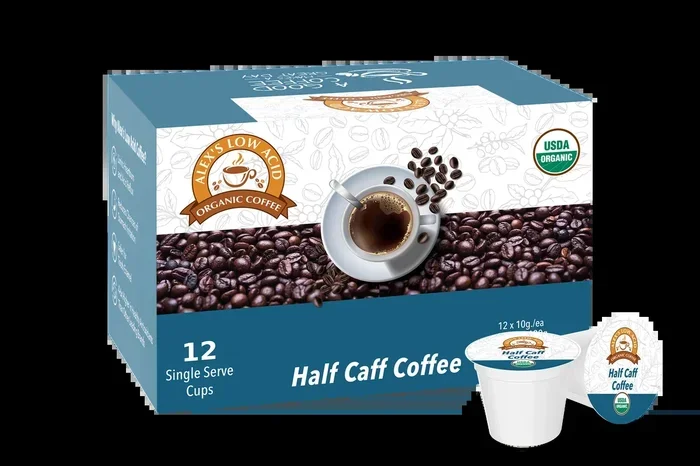
Always look for beans that are labeled as low acid or stomach-friendly. Some roasters specifically process their beans to reduce acidity through special techniques. This is a great shortcut if you do not want to experiment with roast levels and origins on your own. Reading the label can save you a lot of trial and error.
Brewing Methods That Reduce Acidity
How you brew your coffee is just as important as what beans you use. Different coffee brewing methods extract different levels of acid from the grounds. Some methods are naturally better at producing gentle coffee that is easy on your stomach. Changing how you brew can be the single biggest step toward a less acidic cup.
Cold Brew Method
Cold brew is the king of non acidic coffee. This method uses cold or room-temperature water and steeps the grounds for 12 to 24 hours. Because the water is cold, it extracts far fewer acids from the coffee grounds. The extraction happens slowly and gently, which preserves the smooth flavors without pulling out the harsh compounds.
The result is a smooth, naturally sweet concentrate that is much less acidic than hot brewed coffee. Studies have shown that cold brew can be up to 60% less acidic than regular hot coffee. If you want the easiest path to low acid coffee, cold brew is the way to go. It takes a little patience, but the results are worth it.
To make cold brew at home, simply mix coarsely ground coffee with cold water in a jar or pitcher. Use about one cup of grounds for four cups of water. Let it sit in the fridge for at least 12 hours, or up to 24 hours for a stronger concentrate. Strain the mixture through a fine mesh or cheesecloth. You can dilute the concentrate with water or milk to your preferred strength. This base keeps in the fridge for up to two weeks.
French Press Technique
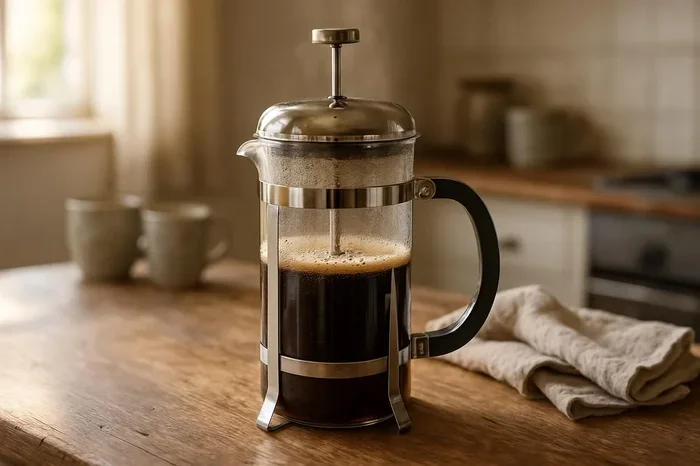
The French press is another great option for making non acidic coffee. This method uses a full immersion technique, where the grounds steep in hot water for about four minutes. The metal filter catches the grounds but allows more oils to pass through compared to paper filters. The shorter brew time compared to drip machines means less acid extraction overall.
Because the extraction time is shorter than drip coffee, the French press tends to produce a cup with slightly lower acidity. The key is to use the right water temperature coffee – not boiling water, but water that is around 200 degrees Fahrenheit. This helps control how much acid is pulled from the grounds. Too hot, and you get a harsh, acidic cup. Just right, and you get a rich, smooth brew.
Use a coarse grind for French press to avoid over-extraction. Let the coffee steep for exactly four minutes, then press the plunger down slowly. Pour immediately so the coffee does not sit on the grounds, which would continue extracting acids.
Pour Over with a Twist
Pour over coffee can be adjusted to reduce acidity. Use a slightly coarser grind than you normally would. This slows down the extraction and prevents too much acid from being pulled out of the grounds. Also, make sure your water is not at a full boil before it hits the coffee. Let it cool for about 30 seconds after boiling.
Some coffee lovers add a small amount of baking soda in coffee during pour over brewing to neutralize acids. This is a simple trick that can transform a sharp, acidic cup into something much smoother. The baking soda raises the pH of the brew slightly, which takes away that biting, harsh edge. Start with a tiny pinch and adjust to your taste.
Natural Additives to Cut Coffee Acidity
You do not need special equipment to make your coffee less acidic. Some simple kitchen ingredients can do the job. These natural additives are easy to find and work surprisingly well at reducing the acid in your morning cup. They are also affordable and take seconds to add to your routine.
Baking Soda Trick
Baking soda is a natural alkaline substance. Adding a small pinch to your coffee can neutralize some of the acids. This is one of the oldest and simplest tricks for making non acidic coffee at home. It costs pennies and works almost immediately.
Start with just a quarter teaspoon of baking soda per cup. Stir it in well until it dissolves completely. You will notice the coffee tastes smoother and less sharp. Be careful not to add too much, as it can make the coffee taste salty or soapy. A little goes a long way with this method.
Many people who suffer from coffee and heartburn swear by this method. It is cheap, fast, and does not change the flavor of your coffee too much. If you are new to this, try it once and adjust the amount to your taste. Some people prefer half a teaspoon, while others are happy with just a pinch.
Eggshell Method
The eggshell coffee method is a traditional trick that has been used for generations. Eggshells are made of calcium carbonate, which is a natural alkaline material. When you add crushed eggshells to your coffee grounds, they help neutralize the acids during brewing. This method was popularized by old-school coffee makers who knew a thing or two about smooth coffee.
To use this method, rinse and dry eggshells from your morning eggs. Crush them into small pieces and add them to your coffee filter or French press along with the grounds. The shells will float on top and act as a natural filter while also reducing acidity. They add a tiny bit of calcium to the brew, which is a nice bonus.
This method works especially well with drip coffee makers and percolators. It is a zero-cost way to make your daily brew gentler on your stomach. Just make sure the eggshells are clean and free of any egg white or yolk before adding them to your coffee grounds.
Milk and Cream Options
Adding milk or cream to your coffee can also help reduce acidity. Dairy products are slightly alkaline, which can neutralize some of the acids in the coffee. Whole milk works best because of its higher fat content, which coats the stomach lining and provides extra protection against acid irritation.
If you are lactose intolerant, plant-based milks like oat milk and almond milk are good alternatives. Oat milk is naturally creamy and has a neutral pH that can help balance out the acidity in your cup. Coconut milk is another option that adds richness while being gentle on the stomach.
Just keep in mind that adding milk changes the flavor profile of your coffee. Some people love the creamier taste, while others prefer the clean bite of black coffee. Experiment to find what works best for you. You might find that a splash of oat milk is all you need to make your non acidic coffee taste perfect.
Daily Habits for a Gentler Cup
Making non acidic coffee is not just about beans and brewing. Your daily habits also play a big role in how your coffee affects you. Small changes in when, how much, and what you pair with your coffee can make a noticeable difference. Think of it as building a morning routine that supports your stomach and your taste buds.
When and How Much to Drink
Drinking coffee on an empty stomach can increase the irritation caused by acids. Try to have your coffee after breakfast rather than first thing in the morning. Eating food helps buffer the acid and protects your stomach lining. A simple breakfast of toast and fruit can make a big difference.
Limiting your intake to one or two cups a day can also help. More than that, and the cumulative effect of acids can start to bother your stomach. Pay attention to how your body responds and adjust accordingly. Some people find that switching to one cup of non acidic coffee and drinking water for the second cup solves their problems entirely.
If you like to reheat your coffee later in the day, be careful. Reheating coffee can increase the concentration of quinic acid, which makes it more bitter and acidic. It is better to brew a fresh cup when you are ready to drink. If you must reheat, do so gently on the stovetop rather than in the microwave. A gentle warm keeps the flavor closer to fresh.
Pairing Coffee with Food
What you eat with your coffee matters more than you might think. A balanced breakfast can help neutralize the effects of coffee acidity. Foods that are slightly alkaline or high in fiber are great choices. They work alongside your coffee to create a more comfortable morning experience.
For a classic breakfast pairing, try making a warm garlic bread with garlic powder alongside your coffee. The bread helps absorb some of the acid and provides a satisfying base for your morning meal. It is simple to make and pairs wonderfully with a smooth cup of low-acid brew. The garlic adds a savory flavor that complements the richness of coffee perfectly.
Nuts are another excellent snack to have with your coffee. Roasted whole almonds are a great choice. They are naturally alkaline and high in healthy fats. A handful of almonds alongside your coffee can help balance the acidity and keep you full longer. They also add a satisfying crunch that makes your morning feel more indulgent.
If you prefer a heartier breakfast, consider making fresh bread from scratch. You can easily prepare bread without oven and yeast using simple ingredients on your stovetop. Fresh warm bread with butter and a cup of smooth, low-acid coffee makes for a comforting and stomach-friendly morning routine. There is something deeply satisfying about starting your day with a homemade meal and a gentle cup of coffee.
Common Mistakes That Increase Coffee Acidity
Sometimes the things we do unknowingly make our coffee more acidic. Avoiding these common mistakes can help you enjoy a smoother, gentler cup every single day. Once you know what to avoid, it is easy to steer clear of these pitfalls.
Using boiling water is a big mistake. Water that is at a full rolling boil extracts more acids from the grounds. Let your water cool for about 30 seconds after boiling before pouring it over your coffee. The ideal temperature is between 195 and 205 degrees Fahrenheit. This small adjustment can noticeably improve the smoothness of your brew.
Steeping coffee too long also increases acidity. Whether you use a French press or a drip machine, over-extraction pulls out more acids. Stick to recommended brew times for the best results. Four minutes is the sweet spot for French press. For drip coffee, follow your machine guidelines and do not let the coffee sit on the heat plate too long.
Using very fine grounds can backfire. Fine grinds increase the surface area and lead to more acid extraction. If you are making non acidic coffee, opt for a medium to coarse grind size. A coarser grind gives you more control over the extraction and results in a cleaner, smoother cup.
Skipping the filter can also be a problem. Paper filters trap more of the oils and compounds that contribute to acidity. If you use a French press or metal filter, consider using a paper liner to reduce acid levels. This simple swap can make a surprising difference in how your coffee affects your stomach.
Reheating old coffee concentrates the acids and makes the drink harsher and more bitter. Always brew fresh coffee when possible. If you must reheat, do so gently on the stovetop rather than in the microwave. Freshly brewed coffee simply tastes better and is easier on your digestive system.
Conclusion
Making non acidic coffee does not require expensive equipment or hard-to-find ingredients. With the right beans, the right brewing method, and a few simple additions, you can enjoy a smooth, bitter-free cup every morning. Dark roasts, cold brew, and natural additives like baking soda and eggshells are your best friends in this journey. Each of these methods is simple and effective.
Pay attention to your daily habits too. What you eat with your coffee, when you drink it, and how much you consume all matter. Small adjustments can lead to big improvements in how your stomach feels after your morning cup. You do not need to overhaul your entire routine. Start with one change and build from there.
The goal is simple. You deserve to enjoy your coffee without discomfort. Use the tips in this guide to find your perfect cup of non acidic coffee. Your stomach will thank you, and your taste buds will love the smoother flavor. There is no reason to suffer through every morning cup when better options are so easy to try.
Start experimenting today. Try one new method at a time and see what works best for you. Soon, making non acidic coffee without bitterness will become second nature. Here is to a gentler, happier morning cup that gives you all the energy and none of the discomfort!
Frequently Asked Questions
Can I Make Non Acidic Coffee Using Instant Coffee?
Instant coffee tends to be higher in acidity than freshly brewed coffee. However, you can still reduce its acid levels by adding baking soda or milk. Choosing cold-brewed instant coffee mixtures can also help lower the overall acidity of your cup significantly.
Is Cold Brew Coffee Really Less Acidic Than Hot Coffee?
Yes, cold brew is significantly less acidic. The cold water extraction process pulls out fewer acids from the coffee grounds. Studies suggest cold brew can be up to 60% less acidic than traditional hot brewed coffee, making it one of the best choices for non acidic coffee.
Does Adding Butter to Coffee Reduce Acidity?
Butter can help coat the stomach lining and reduce irritation from coffee acids. While it does not chemically neutralize the acids, many people find that butter-based coffee drinks like bulletproof coffee are easier on their stomach than black coffee.
What Is the Best Water Temperature for Low-Acid Coffee?
The ideal water temperature is between 195 and 205 degrees Fahrenheit. Water that is too hot extracts more acids from the grounds. Letting your boiling water cool for about 30 seconds before brewing helps you achieve a smoother, less acidic cup every time.
Can People with GERD Drink Non Acidic Coffee?
Many people with GERD find that low-acid coffee is much easier to tolerate. Cold brew and dark roasts are especially helpful. However, everyone is different, so it is best to start with small amounts and see how your body responds before making it a regular habit.
How Long Does Cold Brew Coffee Stay Fresh in the Fridge?
Cold brew concentrate can stay fresh in the refrigerator for up to two weeks. Diluted cold brew should be consumed within two to three days for the best flavor. Always store your cold brew in a sealed container to keep it fresh and clean.