How To Make Tasty Coffee At Home With These Easy Steps
Making tasty coffee at home is easier than you think. With the right beans, proper grinding, and the right brewing method, you can brew café-quality coffee in your own kitchen. This guide covers everything from choosing beans to mastering your favorite brewing technique.
Key Takeaways
- Fresh, quality beans make all the difference: Start with freshly roasted, whole beans for the best flavor.
- Grind size matters: Match your grind to your brewing method for optimal extraction and taste.
- Water temperature is critical: The ideal range is between 195°F and 205°F for the perfect brew.
- Clean your equipment regularly: Just like you would decalcify a Keurig coffee maker, regular cleaning prevents buildup and keeps your coffee tasting fresh.
- Experiment with different methods: French press, pour over, and drip brewing each bring out unique flavors.
- Ratio is key: A standard 1:15 or 1:16 coffee-to-water ratio delivers a balanced, flavorful cup.
📑 Table of Contents
Why Homemade Coffee Tastes So Much Better
There is something special about a cup of homemade coffee that just hits different. Maybe it is the warmth of your favorite mug. Maybe it is the ritual of making it just the way you like it. Or maybe it is the fact that you have full control over every single step.
When you brew at home, you decide the beans, the grind, the water, and the timing. No one rushes you. No one hands you a burnt, bitter cup that has been sitting on a hot plate for an hour. Making tasty coffee at home means every sip is exactly what you want it to be.
Plus, let us be honest. Buying coffee every single morning adds up fast. A $5 latte a day? That is over $150 a month. Brewing great coffee at home costs a fraction of that and tastes far better once you get the hang of it.
The secret is not expensive gear or fancy techniques. It is understanding a few simple principles and sticking to them. This guide will walk you through every step so you can brew a truly delicious cup every single morning.
Choosing the Best Coffee Beans
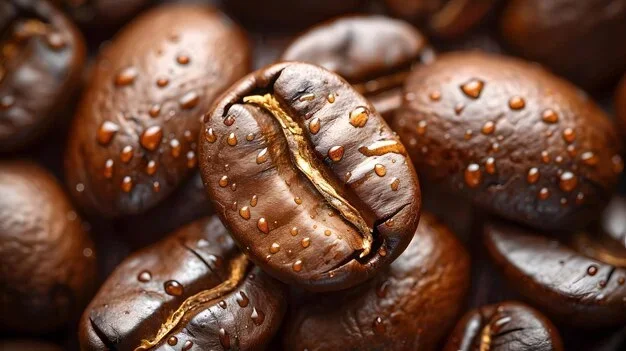
The foundation of any great cup of coffee starts long before you hit the brew button. It starts with the beans. Choosing quality coffee beans is the single most important thing you can do to improve your home brewing.
Whole Beans vs. Pre-Ground
Always buy whole beans whenever possible. Once coffee is ground, it starts to lose its flavor rapidly. Within 15 to 30 minutes of grinding, a significant amount of aromatic compounds begin to evaporate. That means pre-ground coffee, even sealed bags from the store, simply cannot match the freshness of beans you grind right before brewing.
Think of it like bread. A freshly baked loaf tastes nothing like something that has been sitting on a shelf for days. The same principle applies to coffee grounds.
Understanding Roast Levels
Coffee beans come in different roast levels, and each one brings a unique flavor profile to your cup.
- Light roast: Bright, acidic, and fruity. These beans retain more of their original origin flavors. Great for pour over and drip brewing.
- Medium roast: Balanced with a mix of acidity and sweetness. This is the most popular roast level and works well for almost any method.
- Dark roast: Bold, smoky, and low in acidity. Perfect for French press and espresso-based drinks.
Where to Buy Your Beans
Look for local roasters or specialty coffee shops. Freshly roasted beans from a reputable source will always beat anything sitting on a grocery store shelf for weeks. Many roasters now sell beans online with roast dates clearly printed on the bag. Aim for beans roasted within the last two to four weeks for the best coffee flavor.
Essential Equipment for Brewing Great Coffee
You do not need a fancy espresso machine to make delicious coffee at home. But you do need a few key pieces of coffee equipment to get consistent, great results.
A Good Burr Grinder
This is the one piece of gear worth investing in. A burr grinder gives you a consistent grind size, which is critical for even extraction. Blade grinders chop beans unevenly, creating a mix of fine dust and coarse chunks. That inconsistency leads to bitter, uneven coffee.
A basic burr grinder costs between 30 and 60 dollars. That is a small price to pay for a massive upgrade in taste. Your grind coffee experience will change completely with a quality burr grinder.
A Reliable Kettle
Water temperature plays a huge role in coffee brewing. Boiling water (212°F) is too hot and will scorch your grounds, creating a bitter taste. Water that is too cool will under-extract and leave your coffee tasting flat and sour.
The sweet spot is between 195°F and 205°F. A gooseneck kettle with a temperature control makes this easy. You can set your exact temperature and pour with precision. Even a simple kettle with a thermometer works well to get started.
Your Brewing Device
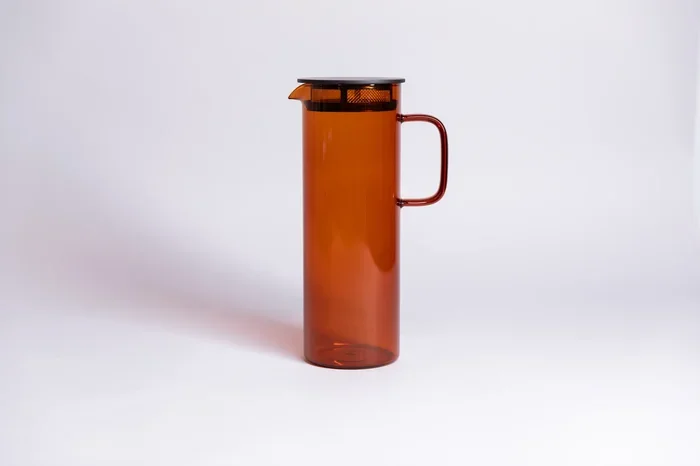
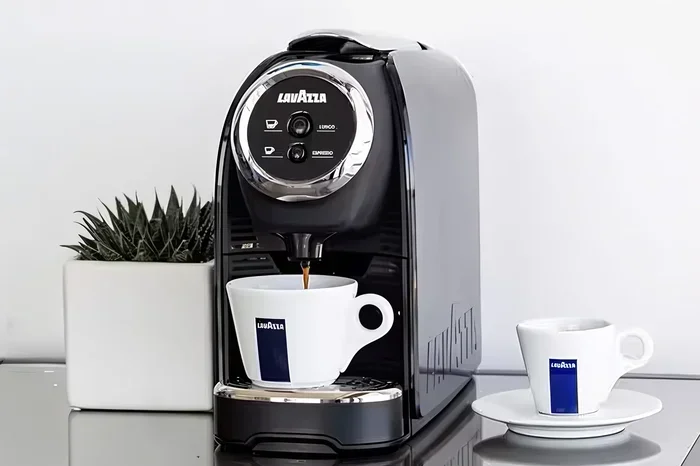
Your brewing device depends on your personal taste and how much time you have. We will cover the most popular methods in detail below. For now, know that a French press, pour over dripper, or drip coffee maker can all produce excellent results when used correctly.
The Step-by-Step Brewing Process
Once you have your beans, grinder, kettle, and brewer ready, the actual process is simple. But the details matter. Follow these steps to brew tasty coffee at home every time.
Step 1: Measure Your Coffee
A standard coffee ratio is 1 gram of coffee to 15 to 16 grams of water. For a typical 12-ounce cup, that is about 21 grams of coffee and 340 grams of water. A kitchen scale is your best friend here. Scoops and tablespoons are inconsistent because the size of your grounds can vary.
Step 2: Grind Your Beans
Grind your beans just before brewing. The grind size should match your brewing method:
- Coarse: French press, cold brew
- Medium: Drip coffee maker, pour over
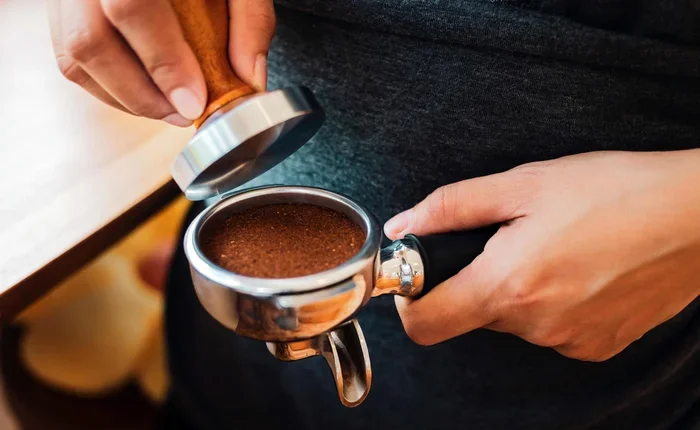
- Fine: Espresso, AeroPress
Getting the grind size right is one of the biggest secrets to great coffee extraction. Too fine and your coffee will be over-extracted and bitter. Too coarse and it will be under-extracted and sour.
Step 3: Heat Your Water
Heat your water to between 195°F and 205°F. If you do not have a temperature-controlled kettle, simply boil your water and let it sit for 30 to 45 seconds. This brings it right into the ideal range for brewing coffee.
Step 4: Bloom Your Grounds
Before you start the full brew, pour just enough hot water to saturate the grounds. Wait 30 to 45 seconds. You will see the coffee puff up and release gases. This is called blooming, and it helps release carbon dioxide so your coffee can extract evenly.
Step 5: Brew and Serve
Continue pouring or brewing according to your method. Once brewing is complete, serve your coffee immediately. Coffee that sits on heat for too long develops a burnt, bitter taste. If you are not drinking it right away, transfer it to a thermal carafe.
Popular Brewing Methods to Try at Home
One of the best things about making coffee at home is experimenting with different methods. Each one brings out different notes and flavors in your beans. Here are the most popular methods for home brewing.
French Press
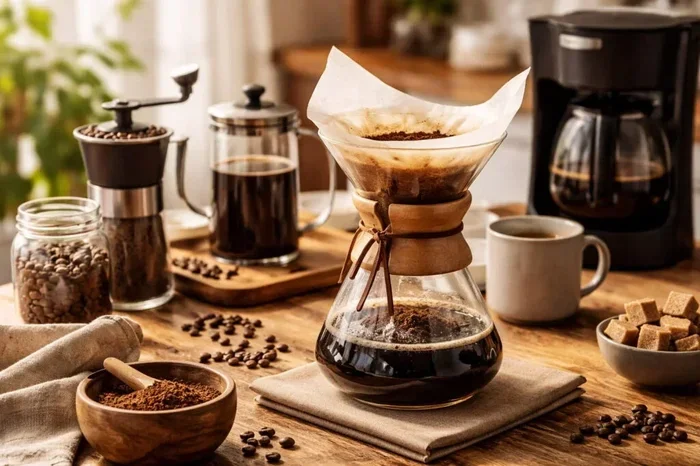
The French press is one of the simplest and most forgiving methods. You add coarse grounds, pour hot water, wait four minutes, and press the plunger down. The result is a full-bodied, rich cup with natural oils and sediments that give it a bold character.
French press coffee is perfect for people who like a heavier, more robust flavor. It is also very easy to clean and requires no filters. Just be sure to use a coarse grind to avoid clogging the filter.
Pour Over
Pour over brewing gives you the most control over every variable. You slowly pour hot water over grounds in a filter, and the coffee drips into your cup below. This method produces a clean, bright cup that highlights the subtle flavors and notes in your beans.
Pour over takes a bit more practice, but the results are worth it. It is the method of choice for many home coffee enthusiasts and baristas alike. A gooseneck kettle and a paper filter are all you need to get started.
Drip Coffee Maker
The drip coffee maker is the most convenient option for most people. It is fast, easy, and produces multiple cups at once. While it may not offer the same level of control as pour over or French press, a good drip machine can still make very tasty coffee.
Just make sure you use a clean machine with a proper filter. Regular maintenance keeps your coffee tasting fresh and prevents any off-flavors from old oils or mineral buildup.
AeroPress
The AeroPress is a compact, versatile device that uses air pressure to push water through coffee grounds. It produces a smooth, clean cup in about one to two minutes. It is portable, easy to clean, and great for travel or small kitchens.
Many coffee lovers love the AeroPress because it is so forgiving and easy to experiment with. You can adjust the grind size, water temperature, and brew time to create endless variations.
Common Mistakes That Ruin Your Coffee
Even with great beans, a few simple mistakes can ruin your cup. Here are the most common errors people make when brewing coffee at home and how to avoid them.
Using the Wrong Water
Coffee is 98 percent water. If your water tastes bad, your coffee will taste bad. Use filtered or spring water for the best results. Avoid distilled water, which lacks minerals that help extract flavor. And never use water that has been sitting in the kettle for hours.
Ignoring Your Equipment
Dirty equipment is one of the biggest flavor killers. Old coffee oils build up inside your grinder and brewer, turning your fresh beans rancid. Just like you would decalcify a Keurig coffee maker to remove mineral deposits, you should regularly clean all your coffee equipment with warm water and mild soap.
For deeper cleaning of other kitchen appliances that might share your workspace, keeping things sanitary matters too. For example, you might occasionally deep clean a Cosori air fryer toaster oven if it sits near your coffee station, as cooking odors can sometimes affect the taste of nearby open coffee beans.
Storing Beans Improperly
Oxygen, light, heat, and moisture are the enemies of coffee beans. Store them in an airtight container in a cool, dark place. Do not keep them in the freezer, as condensation can introduce moisture. A small bag with a one-way valve is ideal for keeping beans fresh for up to two weeks.
Using the Wrong Grind Size
This mistake is more common than you might think. Using a fine grind for a French press creates muddy, bitter coffee. Using a coarse grind for espresso results in weak, under-extracted shots. Always match your grind size to your brewing method. When in doubt, slightly coarser is usually safer than slightly finer.
Rushing the Process
Good coffee takes patience. Rushing the bloom, pouring water too fast, or pulling the French press plunger too early all affect the final result. Slow down, pay attention, and enjoy the process. Part of what makes making tasty coffee at home so rewarding is the ritual itself.
Expert Tips for the Perfect Cup
Once you have the basics down, these expert tips will take your home coffee to the next level.
- Keep a coffee journal: Write down your beans, grind size, water temperature, and ratio for each brew. This helps you reproduce your favorite cup every time.
- Fresh is always better: Buy beans in small batches and use them within two to four weeks of the roast date.
- Preheat your brewer: Rinse your French press or pour over with hot water before brewing. This keeps the temperature stable during the brew.
- Taste your coffee as it cools: Coffee changes flavor as it cools. What tastes bitter hot might taste perfectly balanced at room temperature.
- Experiment with ratios: Try adjusting your coffee-to-water ratio by small amounts until you find your perfect balance.
- Invest in a scale: A digital scale with 0.1 gram precision removes all guesswork from your brewing process.
Remember, making great coffee at home is a journey, not a destination. Every batch teaches you something new about your taste and your technique. Keep experimenting, keep tasting, and most importantly, keep enjoying the process.
Whether you prefer a quick drip coffee on busy mornings or a slow, meditative pour over on weekends, the principles remain the same. Use fresh beans, grind them right, heat your water properly, and pay attention to the details. Making tasty coffee at home is one of the simplest and most rewarding skills you can develop.
Start with one method, master it, and then branch out. Before long, you will not need to buy coffee shop drinks anymore. Your kitchen will be your favorite café, and every morning will start with a cup that is truly yours.
So go ahead. Grab some fresh beans, fire up your grinder, and make yourself the best cup of coffee you have ever had at home. You will not regret it.
Frequently Asked Questions
What type of coffee beans are best for making tasty coffee at home?
Freshly roasted whole beans from a local roaster or specialty coffee brand are the best choice. Look for beans roasted within the last two to four weeks. Medium roasts offer a balanced flavor that works well for most brewing methods, while light and dark roasts bring out more specific flavor profiles.
How do I know if my water temperature is right for brewing coffee?
The ideal water temperature for brewing coffee is between 195°F and 205°F. If you do not have a temperature-controlled kettle, simply boil your water and let it sit for 30 to 45 seconds. This brings it right into the sweet spot for optimal extraction without scorching the grounds.
Can I use pre-ground coffee, or should I grind my own?
While pre-ground coffee is convenient, whole beans ground just before brewing produce significantly better flavor. If you must use pre-ground, buy small quantities and store them in an airtight container. However, investing in a basic burr grinder will dramatically improve the taste of your home-brewed coffee.
What is the best coffee-to-water ratio for brewing?
A standard ratio is 1 gram of coffee to 15 to 16 grams of water. For a typical 12-ounce cup, use about 21 grams of coffee and 340 grams of water. Using a kitchen scale ensures consistency, and you can always adjust the ratio slightly to match your personal taste preferences.
How do I clean my coffee maker properly?
Rinse removable parts with warm water after each use and wash them with mild soap weekly. For machines that build up mineral deposits, run a cycle with equal parts water and white vinegar once a month. Regular cleaning prevents old oils from going rancid and keeps your coffee tasting fresh and clean.
How long does brewed coffee last?
Brewed coffee is best enjoyed within 15 to 20 minutes of brewing. After that, it starts to lose its flavor and aromatic qualities. If you need to save it, pour it into a thermal carafe to keep it warm without burning the coffee. Avoid reheating coffee, as this creates a flat, bitter taste.
=== CONCLUSION ===
Making tasty coffee at home is one of the simplest upgrades you can make to your daily routine. With the right beans, a good grinder, proper water temperature, and a little practice, you can brew coffee that rivals your favorite café. Start with the basics, follow the steps in this guide, and do not be afraid to experiment.
The beauty of home brewing is that it is entirely yours. You control every variable, every flavor, and every cup. So take your time, enjoy the process, and savor every sip. Your perfect cup of coffee is waiting for you in your own kitchen.