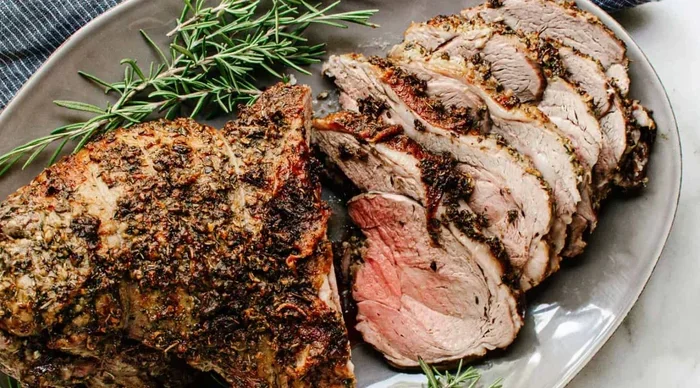
How To Roast Lamb In Oven For Juicy Perfect Results
Learning how to roast lamb in oven is easier than you think. This guide covers everything from choosing the right cut to nailing the perfect internal temperature. You will get a juicy, flavorful lamb roast that will impress everyone at your table.
Key Takeaways
- Pick the right cut: lamb shoulder, leg, or rack each roast differently and suit different needs.
- Season early: a good marinade or dry rub transforms plain lamb into something amazing.
- Use a meat thermometer: this is the single most important tool for perfect lamb roast results.
- Rest your lamb: letting the roast rest ensures juicy, tender slices every time.
- Low and slow works wonders: slow roast lamb stays moist and develops deep flavor.
- Avoid common mistakes: skipping the rest, overcooking, and not seasoning enough are the top errors.
📑 Table of Contents
- Why Oven Roasted Lamb Is a Showstopper
- Choosing the Right Cut of Lamb for Roasting
- Seasoning and Preparing Your Lamb Roast
- Oven Temperature and Cooking Time Guide
- Resting and Serving Your Roast Lamb
- Common Mistakes When Roasting Lamb and How to Avoid Them
- Expert Tips for the Perfect Lamb Roast in Oven
- Conclusion
Why Oven Roasted Lamb Is a Showstopper
Few things fill a kitchen with a better aroma than roast lamb in oven. The smell of herbs, garlic, and slow-rendering lamb fat fills every room. It makes the whole house feel warm and inviting.
Roasting lamb in the oven gives you control. You set the temperature. You decide the cook time. You can adjust as you go. Unlike grilling or smoking, the oven method is forgiving and consistent.
Whether you are cooking for a family Sunday dinner or a special holiday meal, oven roasted lamb always delivers. It looks impressive on the table but is surprisingly simple to prepare. Even beginners can achieve restaurant-quality results at home.
The secret lies in understanding a few basics. Temperature, timing, and seasoning make all the difference. Once you master these, you will never order lamb at a restaurant again. This guide walks you through every step of how to roast lamb in oven with confidence.
Let us start with the most important decision: which cut of lamb to choose.
Choosing the Right Cut of Lamb for Roasting
Not all lamb cuts are the same. Each one behaves differently in the oven. Picking the right cut sets you up for success before you even turn on the stove.
Lamb Shoulder Roast
The lamb shoulder roast is a budget-friendly favorite. It has lots of connective tissue and fat. This makes it perfect for slow cooking. When you roast it low and slow, the fat melts away. The meat becomes tender and falls off the bone.
Lamb shoulder is ideal for shredded lamb or pulled lamb. It feeds a crowd easily. A 4 to 5 pound shoulder roast serves about 8 to 10 people. This cut is forgiving, so it is great for first-timers learning how to roast lamb in oven.
Lamb Leg Roast
The lamb leg roast is the classic centerpiece. It is leaner than the shoulder but still has plenty of flavor. A boneless leg is easier to carve. A bone-in leg looks stunning on the table and adds extra flavor during roasting.
Lamb leg roasts typically weigh between 5 and 8 pounds. They cook faster than shoulder cuts. This cut works well for both traditional roasts and modern recipes. It is the go-to choice for a formal dinner or holiday feast.
Lamb Rack Roast
The lamb rack roast is the most elegant option. It comes from the rib section. The bones create a beautiful crown shape when trimmed and tied. This cut is lean and cooks quickly.
A lamb rack serves 2 to 4 people. It is perfect for smaller gatherings or intimate dinners. The rack roasts at a higher temperature for a shorter time. It gives you a crispy exterior and tender, juicy meat inside.
Quick Comparison of Lamb Cuts
| Cut | Weight | Serves | Cook Time | Best For |
|---|---|---|---|---|
| Lamb Shoulder | 4-5 lbs | 8-10 | 3-4 hours | Shredded lamb, casual gatherings |
| Lamb Leg | 5-8 lbs | 8-12 | 1.5-2.5 hours | Formal dinners, holiday meals |
| Lamb Rack | 1.5-2 lbs | 2-4 | 25-40 minutes | Small gatherings, elegant presentation |
Seasoning and Preparing Your Lamb Roast
Great seasoning is what separates a good lamb roast from a great one. Lamb seasoning can be simple or elaborate. Both approaches work beautifully when done right.
Dry Rub vs Marinade
A dry rub is fast and easy. You mix herbs, spices, salt, and oil. Then you rub it all over the lamb. Let it sit for at least 30 minutes. Overnight is even better. The salt draws out moisture and helps the flavors penetrate deep.
A lamb marinade adds more moisture and flavor. Olive oil, garlic, lemon juice, and fresh herbs work wonders. Marinate for 2 to 12 hours. The acid in lemon tenderizes the meat gently. This method is perfect for leaner cuts like the leg or rack.
Essential Herbs and Aromatics
Fresh herbs make a huge difference in oven roasted lamb. Rosemary is the classic pairing. It stands up to the rich flavor of lamb. Thyme adds a subtle earthiness. Oregano brings a warm, Mediterranean feel.
Garlic is non-negotiable. Whole cloves pressed into the meat release flavor slowly during roasting. Onion slices tucked under the skin add sweetness. A little Dijon mustard as a base layer creates a beautiful crust.
Quick Tips for Seasoning Lamb
- Salt the lamb at least 1 hour before roasting, or even the night before.
- Let the lamb come to room temperature for 30 minutes before cooking.
- Pat the surface dry before applying any rub or marinade.
- Do not skip the fat. Lamb fat renders during cooking and keeps the meat moist.
- Fresh herbs always taste better than dried for a lamb roast recipe.
Oven Temperature and Cooking Time Guide
This is where how to roast lamb in oven really comes together. Getting the temperature right determines whether your lamb is juicy or dry. Timing matters just as much.
Best Oven Temperatures for Lamb
For a lamb shoulder roast, set your oven to 325°F. The low temperature breaks down tough connective tissue slowly. This creates fall-apart tenderness over 3 to 4 hours.
For a lamb leg roast, use 350°F. This moderate heat cooks the meat evenly. A 5 to 6 pound leg roast takes about 1.5 to 2 hours at this temperature.
For a lamb rack roast, go higher at 400°F. The short cook time of 25 to 40 minutes benefits from the intense heat. It creates a beautiful golden crust while keeping the inside pink and juicy.
Internal Temperature Guide for Lamb
Using a meat thermometer is the only reliable way to know your lamb is done. The internal temperature tells the real story. Here is what you need to know:
- Rare: 120°F to 125°F – very red and cool in the center
- Medium Rare: 130°F to 135°F – pink and juicy, the most popular choice
- Medium: 140°F to 145°F – pink in the center, slightly firmer
- Well Done: 155°F and above – gray throughout, can be dry
Most people prefer medium rare lamb. It is the sweet spot for flavor and juiciness. The meat is tender with a beautiful pink center. Always pull the lamb off the heat 5 degrees before your target temp. The temperature will rise during resting.
How Long to Roast Lamb in Oven
Cooking time depends on the cut and weight. Here is a general guide for how to roast lamb in oven:
- Lamb shoulder: 3 to 4 hours at 325°F for a 4 to 5 pound roast
- Lamb leg: 1.5 to 2.5 hours at 350°F for a 5 to 7 pound roast
- Lamb rack: 25 to 40 minutes at 400°F for a 1.5 to 2 pound rack
These are approximate times. Always use a meat thermometer. Every oven runs slightly differently. The internal temperature is your true guide to perfect results.
Slow Roast Lamb Method
The slow roast lamb method is a game changer. Set your oven to 275°F for an even slower cook. This works beautifully for shoulder cuts. The low heat renders fat gently over many hours.
Slow roasting gives you incredibly tender meat. The flavor deepens and concentrates. This method is perfect for busy days. You prep the lamb in the morning and come home to a ready roast. It is one of the easiest ways to achieve juicy lamb every single time.
Resting and Serving Your Roast Lamb
People often skip this step, but resting is critical. Lamb resting time allows the juices to redistribute throughout the meat. If you cut too soon, all those juices run out onto the cutting board.
How Long to Rest Lamb
Let your roast lamb rest for at least 15 to 20 minutes. A large shoulder roast needs closer to 30 minutes. Cover it loosely with aluminum foil. This keeps the heat in without trapping steam, which would make the crust soggy.
During resting, the internal temperature rises by 5 to 10 degrees. This carryover cooking finishes the job gently. Plan your timing accordingly so the lamb is ready when you sit down to eat.
Carving Tips for Beautiful Slices
Use a sharp carving knife. A dull knife tears the meat instead of slicing it cleanly. For a leg roast, cut against the grain in thin slices. For a shoulder, pull the meat apart along the natural seams.
A lamb rack is easiest to carve by slicing between the ribs. Serve each rib as an individual portion. This looks elegant and is simple to do.
Making the Best Lamb Pan Juices
Do not throw away the roast lamb juices in the pan. These are pure gold. Pour them through a fine strainer into a gravy boat. Skim off excess fat from the surface.
You can also make a quick pan gravy. Place the roasting pan on the stovetop over medium heat. Add a splash of beef or lamb broth. Whisk in a little flour or cornstarch. Stir until thickened. Season with salt and pepper. This simple gravy elevates the entire meal.
Serving Suggestions for Roast Lamb
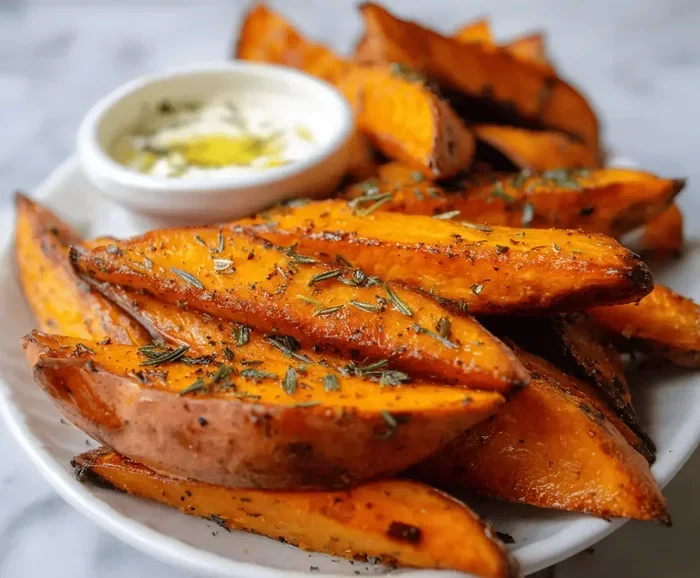
- Roasted potatoes and seasonal vegetables
- Mint sauce or chimichurri for dipping
- A fresh green salad with lemon vinaigrette
- Crusty bread to soak up the pan juices
- Grilled or roasted asparagus
- Garlic mashed potatoes
Common Mistakes When Roasting Lamb and How to Avoid Them
Even experienced cooks make mistakes with oven roasted lamb. Knowing what to avoid saves you from dry, tough results.
Mistake 1: Not Bringing Lamb to Room Temperature
Cold lamb going into a hot oven cooks unevenly. The outside overcooks while the center stays raw. Take the lamb out of the fridge 30 to 60 minutes before roasting. This small step makes a big difference in how to roast lamb in oven successfully.
Mistake 2: Skipping the Meat Thermometer
Relying on time alone is risky. Ovens vary. Lamb thickness varies. A meat thermometer removes all guesswork. It is the one tool that guarantees perfect results every time. Get a good instant-read thermometer and use it without fail.
Mistake 3: Overcooking the Lamb
This is the most common error. People leave lamb in the oven too long. The meat dries out quickly once it passes medium well. Pull the lamb early and let carryover cooking finish the job. You will be rewarded with juicy, tender slices.
Mistake 4: Not Seasoning Enough
Lamb has a strong, distinctive flavor. It needs bold seasoning to shine. Many beginners are too timid with salt and herbs. Be generous. A well-seasoned lamb roast recipe tastes infinitely better than a bland one.
Mistake 5: Cutting Into the Lamb Too Soon
We have all been tempted to cut into a beautiful roast as soon as it comes out of the oven. Resist the urge. The lamb resting time is essential. Cutting too early releases all the juices. Your roast will be dry and less flavorful.
Mistake 6: Using the Wrong Pan
A flimsy, thin roasting pan creates uneven cooking. Invest in a heavy-duty roast lamb pan. A roasting rack elevates the lamb and allows hot air to circulate. This promotes even browning and crispy edges.
Expert Tips for the Perfect Lamb Roast in Oven
Here are some insider tips that take your oven roasted lamb from good to outstanding.
Score the fat. Use a sharp knife to make shallow cuts in the lamb fat. This helps the fat render evenly. It also lets your seasoning penetrate deeper into the meat.
Sear before roasting. For larger cuts, sear all sides in a hot skillet before transferring to the oven. This creates a flavorful crust through the Maillard reaction. It adds depth and complexity to the final dish.
Add stock to the pan. Pour a cup of lamb or beef broth into the bottom of the roasting pan. This creates steam that keeps the meat moist. It also gives you a richer base for pan gravy.
Let the lamb finish at room temp. After resting, do not reheat the lamb. Serve it at room temperature or slightly warm. This is the ideal way to enjoy juicy lamb at its best.
Experiment with global flavors. Lamb pairs beautifully with cuisines from around the world. Try a Middle Eastern spice blend with cumin and coriander. Or go Greek with oregano, lemon, and olive oil. A Moroccan approach with cinnamon and apricots is also delicious.
Save leftovers wisely. Leftover oven roasted lamb makes incredible sandwiches, salads, and soups. Store it in the fridge for up to 3 days. Reheat gently in a skillet with a splash of broth to keep it moist.
Conclusion
How to roast lamb in oven is a skill anyone can learn. With the right cut, proper seasoning, correct temperature, and enough patience, you will achieve incredible results. The oven method gives you complete control and consistent, reliable outcomes every time.
Remember to choose the right cut for your occasion. Season generously and let the flavors penetrate. Use a meat thermometer to hit the perfect internal temperature. And always let your lamb rest before carving. These simple steps transform a basic lamb roast recipe into a showstopping meal.
Oven roasted lamb is one of the most rewarding dishes you can make at home. It fills your kitchen with incredible aromas and delivers a meal your whole family will love. Start with a shoulder roast if you are new to this. Move on to a leg or rack as your confidence grows. Each cut teaches you something new about how to roast lamb in oven.
Now it is your turn. Pick up a beautiful lamb roast this weekend. Follow the steps in this guide. And prepare to be amazed by what you can create in your own kitchen. The perfect juicy lamb roast is waiting for you.
Frequently Asked Questions
What is the best temperature to roast lamb in the oven?
The best temperature depends on the cut. Shoulder roasts do well at 325°F for slow, even cooking. Leg roasts work great at 350°F for a balanced approach. Rack roasts benefit from 400°F for a shorter, high-heat cook. Always use a meat thermometer to check the internal temperature.
How long does it take to roast a 5 pound lamb leg in the oven?
A 5 pound lamb leg roast takes approximately 1.5 to 2 hours at 350°F. The exact time depends on your oven and whether the roast is bone-in or boneless. Check the internal temperature regularly. Pull the lamb at 130°F to 135°F for a perfect medium rare result.
Should I cover my lamb with foil while roasting?
Generally, no. Leaving the lamb uncovered allows the outside to brown and develop a crispy crust. Some cooks cover the lamb loosely with foil during the last 30 minutes if it is browning too quickly. This is a personal preference based on your oven and the specific cut you are cooking.
How do I know when lamb is done without a thermometer?
A meat thermometer is the most reliable method. Without one, you can use the touch test. Press the center of the lamb with your finger. Rare feels soft and squishy. Medium rare feels firm but springy. Well done feels very firm. However, this method is less accurate and takes practice to master.
Can I roast frozen lamb in the oven?
It is not recommended. Roasting frozen lamb leads to uneven cooking. The outside may overcook while the center stays frozen. Always thaw your lamb in the refrigerator for 24 to 48 hours before roasting. This ensures even cooking and better oven roasted lamb results.
What goes best with roast lamb?
Classic pairings include roasted potatoes, garlic bread, grilled vegetables, and a fresh salad. Mint sauce, chimichurri, or a yogurt-based sauce complement lamb beautifully. A glass of red wine like a Cabernet Sauvignon or Syrah pairs wonderfully with roast lamb in oven for a complete meal experience.