Over The Oven Microwave Buying Guide for Your Kitchen
An over the oven microwave saves space and adds convenience to any kitchen. This buying guide walks you through everything you need to know, from key features and types to installation tips and top models. You will learn how to pick the right over the oven microwave for your cooking needs and budget.
An over the oven microwave is one of the smartest upgrades you can make in your kitchen. Instead of wasting precious counter space, you mount the microwave right above your range or oven. This setup keeps your kitchen tidy and gives you quick access to your microwave every time you cook.
But with so many options on the market, choosing the right one can feel overwhelming. How much power do you really need? What size fits your kitchen? And which features are actually worth paying for? This guide answers all those questions and more. By the end, you will feel confident picking the perfect over the oven microwave for your home.
We will cover everything from basic specs to pro installation tips. Whether you are a first-time buyer or replacing an old unit, you will find practical advice here. Let us dive in and make your kitchen upgrade a breeze.
Key Takeaways
- Space-Saving Design: An over the oven microwave frees up valuable countertop space in your kitchen.
- Multiple Functions: Many models include convection cooking, sensor heating, and built-in exhaust fans.
- Right Size Matters: Measure your oven height and cabinet space before buying an over the oven microwave.
- Wattage Affects Performance: Higher wattage means faster and more even cooking results.
- Installation Varies: Some models need professional help, while others are easy to install yourself.
- Price Range Is Wide: You can find quality over the oven microwaves from under $200 to over $600.
- Ventilation Is Key: Choose a model with a strong exhaust system if you cook often on the stove.
📑 Table of Contents
- What Is an Over The Oven Microwave?
- Key Features to Look For
- Types of Over The Oven Microwaves
- Pros and Cons of Over The Oven Microwaves
- How to Install an Over The Oven Microwave
- Top Brands and Models to Consider
- How to Choose the Right One for Your Kitchen
- Common Mistakes to Avoid
- Maintenance Tips for Your Over The Oven Microwave
- Cost Breakdown: What to Expect
- Final Thoughts
What Is an Over The Oven Microwave?
An over the oven microwave is a microwave that mounts above your cooking range or wall oven. It sits on top of your stove, saving you floor and counter space. Most models double as a ventilation hood, pulling smoke and cooking odors out of your kitchen.
This type of microwave oven combo is especially popular in smaller kitchens. Apartments, condos, and townhouses often benefit the most from this setup. But even large kitchens can use the extra counter space an over the oven microwave provides.
You might also hear people call these units “over the range microwaves” or “OTR microwaves.” They all mean the same thing. The key difference between an over the oven microwave and a countertop microwave is the mounting. A countertop model sits on your kitchen counter, while an over the oven model installs above your stove.
How Does It Work?
An over the oven microwave works just like a regular microwave. It uses microwave radiation to heat and cook food quickly. The difference is in the installation. You bolt the unit to the wall or cabinetry above your oven.
Most models come with a built-in exhaust fan. When you cook on the stove, you can turn on the fan to pull away steam, smoke, and grease. Some units vent externally through a duct, while others recirculate air through a filter. External venting works much better for removing odors.
Key Features to Look For
Not all over the oven microwaves are created equal. Some come packed with features, while others keep things basic. Knowing what to look for helps you avoid buyer’s remorse. Here are the most important features to consider.
Wattage and Cooking Power
Microwave wattage is one of the first things you should check. Higher wattage means faster cooking. Most over the oven microwaves range from 900 to 1200 watts. A unit with at least 1000 watts handles most cooking tasks well.
Lower wattage models work fine for reheating leftovers and making popcorn. But if you plan to cook full meals in the microwave, go for higher power. Cooking power also affects how evenly your food heats up. A 1200-watt microwave will heat food more consistently than an 800-watt model.
Size and Capacity
Size matters a lot when it comes to an over the oven microwave. You need enough interior space for your favorite dishes. Most models offer between 1.0 and 2.2 cubic feet of capacity. A 1.5 cubic foot unit fits most standard dinner plates easily.
Before you shop, measure the space above your oven. You need clearance between the top of your stove and the bottom of your cabinets. A typical microwave installation requires at least 13 to 16 inches of vertical space. If your cabinets are too low, you may need to adjust them or choose a compact model.
Ventilation and Exhaust System
The exhaust fan is what sets an over the oven microwave apart from a countertop model. When you fry, boil, or sauté on the stove, the fan pulls away excess steam and odors.
Look for a model with at least 300 CFM (cubic feet per minute) of ventilation power. A higher CFM rating means stronger airflow. If you do a lot of cooking that produces smoke or steam, aim for 400 CFM or more. Some models include charcoal filters for recirculating air, while others need a duct to the outside.
Sensor Cooking and Presets
Modern over the oven microwave units come with smart features. Sensor cooking uses moisture sensors to detect when your food is done. This takes the guesswork out of reheating and defrosting.
Many models also include preset buttons for common tasks. You might find settings for popcorn, potatoes, beverages, and frozen dinners. These presets make the microwave much easier to use, especially for beginners. Some premium models even offer smart home connectivity and app controls.
Turntable vs. Flatbed
Most microwaves use a rotating turntable to heat food evenly. This is the round glass plate you see inside the microwave. A flatbed design removes the turntable and uses a different heating mechanism instead.
Flatbed microwaves are easier to clean because there is no removable plate. They also offer more interior space since there is no spinning disc in the way. However, flatbed models tend to cost more. Both designs work well for an over the oven setup.
Types of Over The Oven Microwaves
When you start shopping, you will notice different types of over the oven microwaves. Each type has its own strengths. Understanding the differences helps you make the best choice for your kitchen.
Over the Range vs. Over the Counter
An over the range microwave mounts directly above your stovetop. It serves as both a microwave and a ventilation hood. This is the most common type and works great for most kitchens.
An over the counter microwave sits on a shelf or cabinet above the counter but not necessarily above the stove. These are ideal if you do not want a ventilation hood or if your stove is in a different location. You get the space-saving benefits without the exhaust function.
Microwave with Convection
A microwave with convection adds a heating element and fan inside the unit. This lets you brown, roast, and bake in addition to microwaving. Convection over the oven microwaves are incredibly versatile.
You can use a convection microwave to roast a chicken, bake cookies, or crisp pizza. It essentially replaces your full-size oven for smaller meals. These models cost more than standard microwaves, but the extra cooking ability is worth it for many home cooks.
Compact vs. Full-Size Models
Compact over the oven microwaves have a smaller interior, usually around 0.8 to 1.2 cubic feet. They work well for reheating and light cooking. These are great for tiny kitchens or secondary homes.
Full-size models offer 1.5 cubic feet or more of space. They can handle larger dishes, multiple plates, and even small turkeys. If you cook for a family, a full-size over the oven microwave is the better choice.
Pros and Cons of Over The Oven Microwaves
Every kitchen appliance has its strengths and weaknesses. An over the oven microwave is no different. Let us look at the real-world pros and cons so you can decide if it is right for you.
Advantages
- Saves counter space: Mounting the microwave above the oven frees up your prep area. This is the biggest benefit for most kitchens.
- Built-in ventilation: Most models include an exhaust fan that removes cooking odors and steam from your kitchen.
- Easy to access: The microwave sits at a convenient height while you cook on the stove.
- Cleaner look: Without a bulky microwave on the counter, your kitchen looks more open and organized.
- Multifunctional: Many models combine microwaving, exhaust fan, and even convection cooking in one unit.
Disadvantages
- Installation can be tricky: Mounting the unit requires secure brackets and proper electrical wiring. Some setups need a professional installer.
- Height can be an issue: Taller users may bump their heads on the microwave door when reaching up.
- Harder to clean: The unit is mounted high up, so wiping down the exterior and grease filter requires a step stool.
- Limited mobility: Once installed, the microwave stays in place. You cannot easily move it to a different location.
- Noise from the exhaust fan: Some models can be loud when the fan is on high speed.
How to Install an Over The Oven Microwave
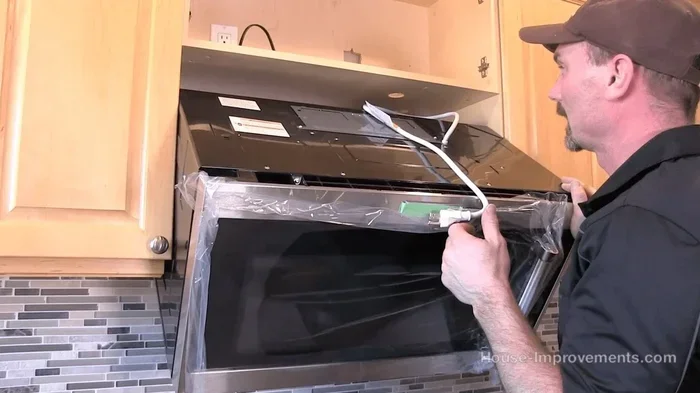
Installing an over the oven microwave is a project many homeowners can tackle themselves. But it helps to understand the process before you start. Proper installation ensures safety and peak performance.
What You Will Need
Before you begin, gather your tools and supplies. You will need a drill, screwdriver, level, stud finder, and the mounting bracket that comes with the unit. Most models include all the hardware you need. Check the manufacturer’s instructions for any specific requirements.
You should also verify your electrical setup. Most over the oven microwaves need a dedicated 120-volt circuit. If your kitchen does not have one, you may need to hire an electrician to install it. Never plug a microwave into an extension cord or power strip.
Step-by-Step Installation
- Find the studs: Use a stud finder to locate the wall studs above your oven. The mounting bracket must attach to solid wood or drywall anchors rated for the microwave’s weight.
- Mark the height: Most manufacturers recommend the bottom of the microwave be 54 inches above the floor. Adjust based on your height and comfort.
- Attach the bracket: Secure the mounting bracket to the wall using the provided screws. Use a level to make sure it is straight.
- Slide the unit on: Carefully lift the microwave and hook it onto the bracket. Have a helper for this step, as these units can be heavy.
- Connect the wiring: If the unit hardwires into your kitchen electrical system, follow the wiring diagram in the manual. Plug-in models simply need to be inserted into the outlet.
- Test the unit: Turn on the microwave and exhaust fan. Check for any unusual noises or vibrations. Make sure the door opens and closes smoothly.
When to Hire a Professional
If you are not comfortable working with electrical wiring, hire a professional. A licensed electrician can handle the wiring safely. Some appliance stores also offer installation services for an additional fee. It is always better to be safe than sorry when dealing with electricity and heavy appliances.
Top Brands and Models to Consider
The market is full of over the oven microwave options. Some brands stand out for quality, reliability, and value. Here are a few names to keep on your radar.
Panasonic is known for powerful microwaves with excellent sensor cooking. Their over the oven models often include inverter technology for even heating. Samsung offers sleek designs with smart features and strong exhaust performance. LG microwaves are reliable and come with good warranties. Whirlpool is a trusted name that delivers solid performance at reasonable microwave prices.
When comparing models, look at the warranty length, customer reviews, and available features. A good over the oven microwave should last 7 to 10 years with proper care. Spending a little more on a reputable brand often pays off in the long run.
How to Choose the Right One for Your Kitchen
Choosing the right over the oven microwave comes down to your specific needs. Think about your cooking habits, kitchen size, and budget before you buy. Here are some tips to guide your decision.
First, measure your available space. Know the height, width, and depth of the area above your oven. Bring these measurements with you when you shop. Second, think about what you will use the microwave for most often. If you mostly reheat leftovers, a basic model works fine. If you cook complex meals, look for a microwave with convection and sensor cooking.
Third, set a budget. Over the oven microwave prices range from about $150 to $700. Settle on a price range before you start browsing so you do not get tempted by features you do not need. Finally, read customer reviews. Real user experiences give you insight into durability, noise levels, and everyday performance.
Also consider the kitchen appliance aesthetic. Many brands offer matching finishes like stainless steel, black stainless, and white. A cohesive look makes your kitchen feel more put together. Do not forget to factor in the cost of any accessories you might need, such as a replacement grease filter or a higher-output electrical outlet.
Common Mistakes to Avoid
Even experienced shoppers can make mistakes when buying an over the oven microwave. Here are some common pitfalls to watch out for.
- Skipping measurements: Not measuring the space above your oven can lead to a unit that does not fit. Always measure before you buy.
- Ignoring ventilation needs: A weak exhaust fan will not do a good job removing cooking odors. Check the CFM rating carefully.
- Choosing the wrong wattage: A low-wattage microwave will take longer to cook and may not heat food evenly.
- Forgetting about clearance: The microwave needs proper clearance from the stove and cabinets for safe operation and airflow.
- Overlooking the warranty: A longer warranty protects you from unexpected repair costs. Do not buy a unit with a very short warranty period.
- Not considering cleaning: Some models have removable filters and easy-to-wipe interiors. These save you time and effort over the long run.
Maintenance Tips for Your Over The Oven Microwave
Taking care of your over the oven microwave keeps it running smoothly for years. Regular maintenance also prevents odors and ensures safe operation.
Clean the interior at least once a week. Wipe down the walls and turntable with a damp cloth after any spills. The exterior can be wiped with a mild cleaner and soft cloth. For the exhaust fan, remove and clean the grease filter every one to three months. Soak the filter in warm soapy water to dissolve built-up grease.
If your model has a charcoal filter, replace it every 6 to 12 months. Charcoal filters cannot be washed and must be replaced. Check your user manual for the recommended replacement schedule. Also, run the exhaust fan for a few minutes after cooking to clear out residual steam and odors.
Descale the microwave interior monthly if you use it frequently. A mixture of water and vinegar in a microwave-safe bowl works great for this. Heat the solution for a few minutes, then wipe the interior clean. This simple step prevents buildup and keeps your microwave smelling fresh.
Cost Breakdown: What to Expect
The microwave price for an over the oven unit varies widely based on features and brand. Here is a rough breakdown of what you can expect.
- Budget models ($150-$250): Basic features, lower wattage, smaller capacity. Great for simple reheating and defrosting tasks.
- Mid-range models ($250-$450): Better wattage, sensor cooking, and decent exhaust power. This is the sweet spot for most households.
- Premium models ($450-$700+): Convection cooking, smart features, high CFM ventilation, and premium build quality. Ideal for serious home cooks.
Keep in mind that installation costs are separate from the purchase price. Professional installation typically runs between $100 and $300 depending on your location and electrical setup. If you install the unit yourself, you save on labor but need to ensure the electrical work is done safely.
Final Thoughts
An over the oven microwave is a practical and space-saving addition to any kitchen. It combines the convenience of a microwave with the functionality of a ventilation hood. Whether you choose a basic model or a premium convection unit, the right microwave above your oven will make your daily cooking routine easier and more efficient.
Take your time when shopping. Measure your space, compare features, read reviews, and set a realistic budget. The over the oven microwave buying guide above gives you everything you need to make a confident decision. Your new microwave will earn its place in your kitchen the moment you start using it.
Start your search today and transform the way your kitchen works. A well-chosen over the oven microwave is one of those upgrades that you will appreciate every single day for years to come.
Frequently Asked Questions
What is the difference between an over the oven microwave and a countertop microwave?
An over the oven microwave mounts above your stove or oven, saving counter space. A countertop microwave sits on your kitchen counter. Over the oven models also typically include a built-in exhaust fan for ventilation, which countertop units do not have.
What size over the oven microwave do I need?
Measure the space above your oven before buying. Most kitchens need at least 13 to 16 inches of vertical clearance. For capacity, 1.5 cubic feet fits most families well. Compact models work for individuals or couples, while larger families should aim for 2.0 cubic feet or more.
Can I install an over the oven microwave myself?
Yes, many homeowners install these units themselves if they are comfortable with basic tools and electrical wiring. You need a stud finder, drill, and a helper to lift the unit. If you are unsure about any electrical work, hire a licensed professional for safety.
How much does an over the oven microwave cost?
Prices range from about $150 for basic models to over $700 for premium convection units. The average homeowner spends between $250 and $450 for a quality mid-range model. Installation costs are extra if you hire a professional.
Do over the oven microwaves need external venting?
Some models vent externally through a duct to the outside, which works best for removing odors and grease. Others recirculate air through a charcoal filter. External venting is more effective, but recirculating models are easier to install since they do not require ductwork.
How often should I clean the grease filter on my over the oven microwave?
Clean the grease filter every one to three months depending on how often you cook. If you fry or sauté frequently, check the filter more often. Soak it in warm soapy water to remove built-up grease, and replace charcoal filters every 6 to 12 months.
=== CONCLUSION ===
Choosing the right over the oven microwave comes down to understanding your kitchen and your cooking habits. This guide has covered everything from key features and types to installation steps and maintenance tips. With the right information, you can confidently pick a unit that fits your space, your budget, and your lifestyle.
Remember to measure your space, compare wattage and capacity, and prioritize features that match how you actually cook. A well-chosen over the oven microwave makes your kitchen more efficient, more organized, and more enjoyable to use every day.