How To Cook Thin Cut Beef Short Ribs In Oven Like A Pro
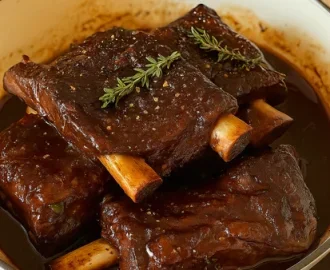
Cooking thin cut beef short ribs in the oven is easier than you think and delivers restaurant-quality results. This guide walks you through choosing the right cut, seasoning it well, and using the perfect oven temperature for tender, juicy ribs. You will master the low and slow method that turns tough cuts into fall-off-the-bone tender perfection.
Thin cut beef short ribs oven recipes have taken home cooking to a whole new level. Thin cut beef short ribs cook faster than traditional thick cuts, making them perfect for a weeknight dinner that feels special. When you cook thin cut beef short ribs in oven, you get all the rich, deep flavor of a long braise without spending half the day in the kitchen. This method uses steady, gentle heat to break down the connective tissue and create meat that is tender, juicy, and full of flavor. By the end of this guide, you will know exactly how to achieve restaurant-quality ribs right in your own kitchen.
There is something magical about beef short ribs coming out of the oven. The kitchen fills with a rich, savory aroma, and the meat practically begs to be eaten. Whether you are a seasoned home cook or just starting out, learning how to prepare this cut will level up your cooking skills.
Thin cut beef short ribs are a fantastic choice because they cook faster and absorb flavors beautifully. They also cost less than their thicker counterparts, making them a smart pick for feeding a crowd. In this article, we will cover everything you need to know to cook them to perfection.
Key Takeaways
- Low and slow cooking wins: A temperature of 300°F to 325°F breaks down collagen for tender ribs.
- Dry the meat first: Patting ribs dry before seasoning creates a better crust.
- Use a meat thermometer: Pull ribs at 200°F to 205°F for the juiciest result.
- Rest before cutting: A 10-minute rest keeps all those juices inside the meat.
- Braising liquid matters: Broth, wine, or beer adds deep flavor during cooking.
- Season generously: A bold dry rub transforms simple ribs into a memorable meal.
📑 Table of Contents
- Why Thin Cut Beef Short Ribs Are Perfect for Oven Cooking
- Choosing and Preparing Your Thin Cut Beef Short Ribs
- The Best Oven Temperature and Cooking Time
- Seasoning Your Thin Cut Beef Short Ribs for Maximum Flavor
- Step-by-Step Guide to Cooking Thin Cut Beef Short Ribs in Oven
- Expert Tips for Juicy, Fall-Off-the-Bone Results
- Serving and Pairing Your Oven-Braised Ribs
- Storing and Reheating Leftover Ribs
- Conclusion
Why Thin Cut Beef Short Ribs Are Perfect for Oven Cooking
The Beauty of Thin Cut Ribs
Thin cut beef short ribs offer a lot of advantages over thicker cuts. They cook in about half the time, which means you can have a hearty meal on the table without planning days ahead. The thinner profile also means more surface area for seasoning and caramelization.
When you cook thin cut beef short ribs in oven, the heat penetrates more evenly. This reduces the risk of undercooked centers or overcooked edges. The result is consistent tenderness from edge to center. Plus, thin cuts are more forgiving, which makes them ideal for beginners who are still building their confidence.
Oven Braising vs. Other Methods
Oven braising is one of the best ways to cook beef short ribs. It uses indirect, surround heat that cooks the meat gently from all sides. This is different from stovetop braising, where you only heat from the bottom. Here is a quick comparison of popular cooking methods for thin cut beef short ribs:
| Method | Cooking Time | Ease of Use | Flavor Level | Best For |
|---|---|---|---|---|
| Oven Braising | 1 to 2 hours | Very Easy | Rich and Deep | Weeknight dinners, meal prep |
| Stovetop Braising | 1 to 2 hours | Moderate | Rich and Deep | Smaller batches, quick meals |
| Slow Cooker | 6 to 8 hours | Very Easy | Deep and Melty | Set-it-and-forget-it meals |
| Grill or Smoker | 3 to 5 hours | Advanced | Smoky and Bold | Outdoor gatherings, BBQ lovers |
As you can see, oven braising hits the sweet spot between flavor and convenience. It gives you the rich taste of a long braise in a fraction of the time. For oven-braised beef ribs, there is simply no easier method that delivers better results.
Choosing and Preparing Your Thin Cut Beef Short Ribs
What to Look for at the Butcher
Selecting the right ribs makes a huge difference in your final dish. Look for thin cut beef short ribs that are bright red with a thin layer of white fat. The meat should feel firm but slightly moist. Avoid ribs that look gray or dry, as that is a sign they have been sitting too long.
You can choose between bone-in and boneless options. Bone-in ribs have more flavor because the bone adds richness to the braising liquid. Boneless ribs cook faster and are easier to slice and serve. Both work great for oven cooking, so pick whichever suits your needs.
Prepping the Ribs for Cooking
Proper preparation starts before you even turn on the oven. Follow these steps to get your ribs ready:
- Remove the ribs from packaging and pat them completely dry with paper towels. Moisture is the enemy of a good sear.
- Trim excess fat if the layer is thicker than a quarter inch. Leave a thin layer for flavor and juiciness.
- Season generously with your dry rub at least 30 minutes before cooking, or overnight for deeper flavor penetration.
- Bring the ribs to room temperature about 20 minutes before they go in the oven. Cold meat cooks unevenly.
This simple prep work ensures even cooking and better browning. It is the foundation of a great beef braise, and it only takes a few minutes.
The Best Oven Temperature and Cooking Time
Ideal Temperature Range
The sweet spot for cooking thin cut beef short ribs in oven is between 300°F and 325°F. This low temperature allows the collagen in the meat to break down slowly without drying out the muscle fibers. Higher temperatures may seem tempting, but they can toughen the meat before the connective tissue has a chance to melt away.
Patience is your best friend here. Low and slow cooking is the golden rule for oven-braised ribs. The extra time at a lower temperature is what transforms a tough cut into something incredibly tender and delicious.
How Long to Cook Thin Cut Ribs
Because thin cut ribs are, well, thin, they cook much faster than traditional short ribs. Here is a general guide for your oven ribs recipe:
- Bone-in thin cut ribs: 1.5 to 2 hours at 325°F
- Boneless thin cut ribs: 1 to 1.5 hours at 325°F
- Very thin cut ribs (under 1 inch): 45 minutes to 1 hour at 300°F
Always use a meat thermometer to check doneness. The internal temperature should reach 200°F to 205°F for the most tender results. This is when the collagen has fully broken down into gelatin, giving you that fall-off-the-bone texture you are aiming for.
Seasoning Your Thin Cut Beef Short Ribs for Maximum Flavor
Building a Great Dry Rub
A good dry rub is the foundation of amazing oven-braised ribs. You do not need a long list of ingredients. Here is a simple yet powerful rib seasoning blend:
- 2 tablespoons kosher salt
- 1 tablespoon black pepper
- 1 tablespoon smoked paprika
- 1 teaspoon garlic powder
- 1 teaspoon onion powder
- 1 teaspoon brown sugar
- 1/2 teaspoon cumin
Mix these together and store in a jar. This rib seasoning blend works beautifully on any beef short ribs oven recipe. The brown sugar adds a touch of sweetness that caramelizes beautifully in the oven, creating a gorgeous crust on the outside of the meat.
Marinade and Braising Liquid Options
While a dry rub adds a great crust, the braising liquid adds moisture and depth. Here are some excellent options for your beef cooking tips arsenal:
- Beef broth: Classic and reliable. It enhances the natural beef flavor without competing with it.
- Red wine: Adds richness and a subtle fruity depth that pairs beautifully with beef.
- Beer: Gives a slightly malty, complex flavor profile that works especially well with thicker cuts.
- Tomato paste and broth: Creates a savory, slightly sweet sauce that is perfect for serving over mashed potatoes.
You can also add aromatics like onions, garlic, bay leaves, and thyme to your braising liquid. These beef cooking tips make a big difference in the final taste. The aromatics infuse the liquid, which then penetrates the meat during the braising process.
Step-by-Step Guide to Cooking Thin Cut Beef Short Ribs in Oven
Step 1: Preheat and Prep
Preheat your oven to 325°F. While the oven is warming up, place a Dutch oven or heavy oven-safe pot on the stove. Add a small amount of oil and let it heat up. A Dutch oven is the best tool for this job because its heavy walls distribute heat evenly and trap moisture inside.
Step 2: Sear the Ribs
This is the step that many people skip, but it makes a huge difference. Sear the thin cut beef short ribs on all sides until you get a deep brown crust. This process, called the Maillard reaction, creates complex flavors and beautiful caramelized edges that make your dish look and taste incredible.
Work in batches if needed. You do not want to crowd the pot, or the meat will steam instead of sear. Give each piece plenty of space so it can develop that gorgeous brown crust on every side.
Step 3: Add Aromatics and Braising Liquid
Once the ribs are seared, remove them and set them aside. In the same pot, add chopped onions, carrots, and celery. Cook for about 3 to 4 minutes until they soften and start to turn golden. Add your braising liquid and scrape up any browned bits from the bottom of the pot. Those bits are packed with flavor.
Step 4: Braise in the Oven
Return the ribs to the pot and add enough braising liquid to come about halfway up the meat. Cover the pot tightly with a lid or aluminum foil. Place it in the preheated oven.
Cook for the recommended time based on the thickness of your ribs. Check the internal temperature with a meat thermometer to ensure you hit that sweet spot of 200°F to 205°F. The meat should be fork-tender and practically falling off the bone.
Step 5: Rest and Serve
Remove the pot from the oven and let the ribs rest for at least 10 minutes. This resting meat step is crucial. It allows the juices to redistribute throughout the meat, making every bite moist and flavorful. Cutting too early releases all those juices onto the cutting board instead of staying in the meat.
Serve the ribs with the braising liquid spooned over the top. You can also reduce the liquid on the stovetop into a rich, glossy sauce. Simply simmer it for a few minutes until it thickens slightly, then pour it over the ribs.
Expert Tips for Juicy, Fall-Off-the-Bone Results
The Science Behind Tender Ribs
Understanding why ribs become tender helps you control the process. Thin cut beef short ribs contain a lot of collagen, a tough protein that connects muscle fibers. When you cook collagen slowly at low temperatures, it breaks down into gelatin. This gelatin gives the meat a silky, melt-in-your-mouth texture that is the hallmark of great braised ribs.
This is why low and slow cooking is so important. Rushing the process with high heat toughens the collagen instead of melting it. The transformation from tough to tender is truly a science, and the oven gives you the perfect environment for it to happen.
Quick Tips for Perfection
Here are some beef cooking tips that separate good ribs from great ones:
- Do not skip the sear: It builds the flavor foundation and adds texture.
- Keep the lid on tight: Trapped moisture keeps the meat juicy throughout cooking.
- Use a Dutch oven: Its heavy construction distributes heat evenly and retains moisture.
- Let the ribs rest: Resting is not optional. Always give the meat at least 10 minutes before cutting.
- Save the braising liquid: It makes an incredible sauce or gravy that elevates the entire dish.
- Cook in batches: Overcrowding leads to steaming instead of browning, which robs you of flavor.
Common Mistakes to Avoid
Even experienced cooks can make mistakes when preparing oven-braised beef ribs. Here are the most common ones to watch out for:
- Cooking at too high a temperature: This dries out the meat before the collagen can break down properly.
- Skipping the sear: You lose an entire layer of deep, savory flavor that makes the dish special.
- Not enough braising liquid: The ribs can dry out if the liquid evaporates too much during cooking.
- Cutting too soon: Resting is not optional. Always let the meat rest for at least 10 minutes.
- Using a thin baking dish: A heavy pot like a Dutch oven works much better than a flimsy pan for even heat.
Avoiding these mistakes will dramatically improve your results every time you cook thin cut beef short ribs in oven. The good news is that once you know what to avoid, it is easy to get it right every single time.
Serving and Pairing Your Oven-Braised Ribs
Best Side Dishes
Thin cut beef short ribs pair wonderfully with a variety of sides. Here are some ideas that complement the rich, savory flavor:
- Creamy mashed potatoes: The classic pairing. The creamy texture balances the rich, hearty meat perfectly.
- Crispy roasted vegetables: Carrots, parsnips, and Brussels sprouts add color, crunch, and a touch of sweetness.
- Buttery egg noodles: They soak up the braising liquid beautifully and make every bite delicious.
- Crusty bread: Perfect for mopping up every last drop of that incredible sauce.
- Creamed spinach: The earthy flavor and creamy texture pair wonderfully with rich beef.
Sauce and Garnish Ideas
The braising liquid from your thin cut beef short ribs oven recipe is a goldmine. Strain it and simmer it on the stovetop to reduce and concentrate the flavors. Add a knob of butter at the end for a glossy, restaurant-quality finish.
For a Korean-inspired twist, serve the ribs with a drizzle of gochujang and toasted sesame seeds. For a classic American approach, a splash of barbecue sauce mixed into the braising liquid adds a sweet, smoky kick. The possibilities are endless, and each variation brings its own unique character to the dish.
Storing and Reheating Leftover Ribs
How to Store Cooked Ribs
Leftover beef short ribs taste even better the next day. Store them in an airtight container in the refrigerator for up to 4 days. The braising liquid keeps the meat moist during storage, so you do not have to worry about the ribs drying out.
You can also freeze cooked ribs for up to 3 months. Wrap them tightly in plastic wrap and then in aluminum foil. Thaw overnight in the refrigerator before reheating. This makes thin cut beef short ribs a great option for meal prep throughout the week.
Best Ways to Reheat
Reheating properly is key to maintaining that tender texture. Here are the best methods for bringing your leftovers back to life:
- Oven method: Place ribs in a baking dish, add a splash of broth, cover with foil, and heat at 300°F for 20 to 25 minutes. This is the best method for maintaining texture.
- Stovetop method: Warm ribs gently in their braising liquid over low heat. This keeps everything moist and flavorful.
- Slow cooker method: Add ribs and a splash of broth to the slow cooker on low for 1 to 2 hours. Great for a hassle-free reheating option.
Avoid microwaving if possible, as it can dry out the meat unevenly and ruin the texture you worked so hard to achieve. A little extra time on the stove or in the oven makes all the difference.
Conclusion
Cooking thin cut beef short ribs in oven is one of the most rewarding things you can do in the kitchen. The process is simple, the results are impressive, and the flavors are unbeatable. From choosing the right cut to nailing the perfect oven temperature, every step matters and contributes to the final dish.
Remember to be patient, season generously, and never skip the sear. With the tips and techniques in this guide, you will create fall-off-the-bone tender ribs that will have everyone asking for seconds. So fire up your oven, grab some thin cut beef short ribs, and get cooking. Your next unforgettable meal is just a few steps away.
Frequently Asked Questions
Can I use thin cut beef short ribs for a keto or low-carb diet?
Thin cut beef short ribs are naturally low in carbohydrates and high in protein and healthy fats. Just skip the brown sugar in your rub and use a sugar-free alternative. The braising liquid with broth and vegetables makes a delicious, keto-friendly meal without any hidden carbs.
How do I know when my thin cut ribs are done?
The best way to tell is by using a meat thermometer. Insert it into the thickest part of the meat. When the internal temperature reaches 200°F to 205°F, the collagen has broken down and the ribs are tender. You can also check by inserting a fork. If it slides in and out with almost no resistance, your ribs are ready.
Can I cook thin cut beef short ribs in oven in a single layer?
Yes, and you should. Arrange the thin cut beef short ribs in a single layer in your Dutch oven or baking dish. Overlapping the ribs traps steam and prevents even browning. If you have more ribs than fit in one layer, cook them in batches or use a larger pot for the best results.
What is the difference between thin cut and regular beef short ribs?
Thin cut beef short ribs are sliced to about half an inch thick, while regular short ribs are typically one to two inches thick. Thin cuts cook significantly faster and are great for weeknight meals. Regular cuts require longer cooking times but have a more dramatic bone-in presentation. Both deliver excellent flavor when cooked properly.
Can I add barbecue sauce during cooking?
You can, but it is better to add it toward the end of cooking or as a finishing sauce. Barbecue sauce contains sugar, which can burn at high temperatures over long cooking times. Add it in the last 15 to 20 minutes of cooking, or brush it on after the ribs come out of the oven. This way you get a sweet, sticky glaze without any burning.
What wine pairs best with oven-braised beef short ribs?
A full-bodied red wine pairs beautifully with braised beef ribs. Cabernet Sauvignon, Malbec, or a bold Merlot all work well. If you are cooking with wine, use the same variety in your braising liquid for a cohesive flavor profile. For a non-alcoholic option, beef broth with a splash of balsamic vinegar gives a similar depth and richness.