Self Cleaning Ovens How Do They Work Step By Step Guide
Self Cleaning Ovens How Do They Work by using intense heat or steam to dissolve baked-on grime. The pyrolytic cycle burns food spills into ash at extreme temperatures, while steam cleaning uses water vapor for a gentler clean. This guide walks you through the entire process, safety steps, and post-cleaning care so your oven stays spotless with minimal effort.
Key Takeaways
- Pyrolytic cleaning uses extreme heat: The oven heats up to 900°F, turning food residue into easy-to-wipe ash without chemicals.
- Steam cleaning is a lower-temperature option: It uses water and heat to loosen grime, making it ideal for light messes and sensitive cookware.
- Safety is critical during the cycle: The door locks automatically, and proper ventilation prevents smoke and odor from filling your home.
- Regular maintenance extends the self-cleaning feature: Wiping spills immediately and using oven liners reduces the need for intense heat cycles.
- Never use abrasive cleaners during self-cleaning: The high heat can cause toxic fumes from residues, so only water or steam is involved.
- Energy consumption is higher for pyrolytic cycles: Expect the oven to use more electricity or gas during a 2–4 hour cleaning session.
- Both methods leave minimal residue: After the cycle, a damp cloth removes the remaining ash or water spots quickly.
📑 Table of Contents
What Is a Self-Cleaning Oven?
A self-cleaning oven is a modern kitchen appliance that removes baked-on food and grease without manual scrubbing. Instead of harsh chemical sprays, it relies on high heat or steam to break down residue. This feature saves time and keeps the oven interior free from stubborn stains. Many homeowners love the convenience of starting a cycle and coming back to a clean oven.
The technology has been around for decades, but today’s models are smarter and more energy-efficient. They lock the door during the cleaning process for safety. You will find both electric and gas versions with this built-in function. Understanding how the system works helps you use it correctly and avoid common mistakes.
How It Differs from Traditional Ovens
Traditional ovens require you to remove racks, apply degreaser, and scrub with a sponge. Self-cleaning ovens have a special enamel interior that resists staining. The walls and floor are designed to withstand extreme temperatures during the cleaning cycle. This means the oven itself becomes the cleaning agent. No extra tools or chemicals are needed for routine maintenance.
Self Cleaning Ovens How Do They Work: The Pyrolytic Process
The most common self-cleaning method is pyrolytic cleaning. It uses a heat burst that raises the internal temperature to around 900°F. At this extreme heat, organic matter like food spills and grease turns into ash. The process breaks down carbon-based residues into a fine, powdery substance. You can then wipe it away with a damp cloth.
The High-Heat Combustion
During pyrolysis, the oven element heats the cavity evenly. The door locks automatically to prevent accidental opening. This safety feature protects you from burns and contains any smoke. The cycle usually runs for 2 to 4 hours depending on the level of dirt. The oven uses a significant amount of energy, but it eliminates the need for chemical cleaners.
What Happens to the Grease and Food
Grease and food particles undergo thermal decomposition. The high heat vaporizes moisture and burns off fats. What remains is a light gray ash that is non-toxic and easy to remove. Some ovens have a catalytic liner that absorbs grease over time, but pyrolytic cleaning provides a deeper clean. The entire process is odorless if the oven is clean, but light smoke may appear if there is heavy residue.
Steam Cleaning: A Gentler Alternative
Not all self-cleaning ovens use extreme heat. Steam cleaning offers a lower-temperature method that is perfect for light messes. It uses water vapor to loosen baked-on food without the intense energy consumption. This method is faster and safer for everyday maintenance.
How Steam Cleaning Works
You add a cup of water to the oven floor or a special tray. The oven then heats to around 250°F, turning the water into steam. The steam softens grease and food residue, making it easy to wipe away. The cycle typically lasts 20 to 30 minutes. It is ideal for spills that you notice right after cooking.
Comparing Pyrolytic vs. Steam Cleaning
Each method has its place in oven care. Pyrolytic cleaning is best for baked-on, stubborn grime that has been left for days. Steam cleaning works well for fresh spills and light soil. Below is a quick comparison of the two approaches.
| Feature | Pyrolytic Cleaning | Steam Cleaning |
|---|---|---|
| Temperature | Up to 900°F | Around 250°F |
| Cycle Time | 2–4 hours | 20–30 minutes |
| Energy Use | High | Low |
| Best For | Heavy, baked-on residue | Light spills and fresh messes |
| Door Lock | Yes, automatic | Usually not locked |
| Odor | Minimal if oven is clean | No odor |
| Residue | Dry ash | Wet steam and loose grime |
Step-by-Step: Running a Self-Cleaning Cycle
Starting the self-cleaning function is simple, but preparation is key. Follow these steps to ensure a safe and effective cleaning session.
Preparing Your Oven
- Remove all oven racks, trays, and thermometers. These parts should be cleaned separately.
- Take out any loose food particles or visible debris. A quick vacuum or brush helps.
- Wipe up large spills with a damp cloth. Do not use soap or abrasive cleaners.
- Ensure the oven interior is completely dry before starting the cycle.
Starting the Cycle
- Close the oven door firmly until it locks. You will hear a click or see a lock indicator.
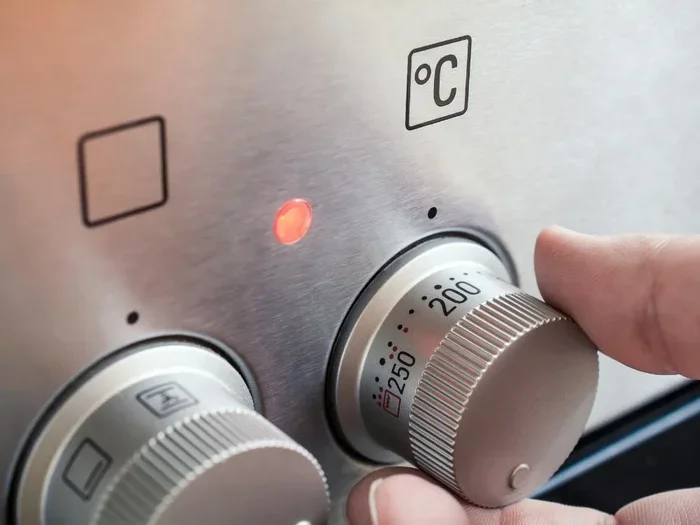
- Select the self-cleaning mode on the control panel. Some ovens have a pyrolytic option and a steam option.
- Set the cleaning time if prompted. Heavier soil requires a longer cycle.
- Press start and allow the oven to heat up. The lock mechanism will engage automatically.
- Do not open the door during the cycle. The high temperatures are dangerous and will interrupt the process.
Post-Cleaning Care
- Wait for the oven to cool down completely. The door will unlock automatically when safe.
- Open the door in a well-ventilated area to release any remaining odor.
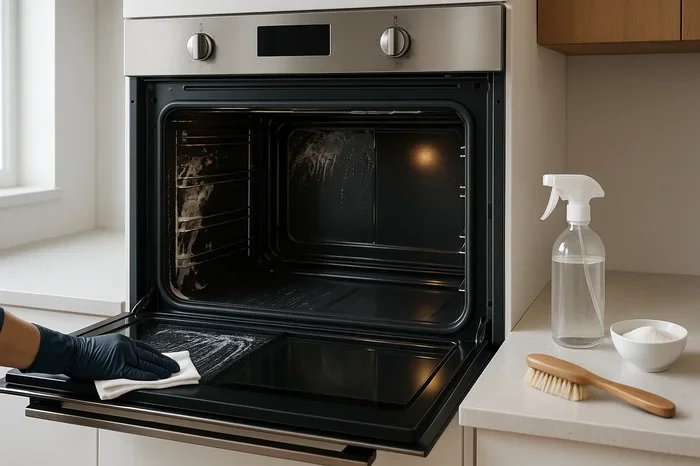
- Use a damp microfiber cloth to wipe away the ash or residue.
- Replace the oven racks and give them a quick wash if needed.
- Run a rinse cycle with a bowl of water to remove any final traces of ash.
Safety Precautions You Must Follow
Self-cleaning ovens are safe when used correctly, but the extreme heat demands respect. The door lock is a critical safety feature that prevents access during the cycle. You should never try to force the door open while the oven is hot. The interior can reach temperatures that cause severe burns instantly.
Ventilation and Smoke
During pyrolytic cleaning, the oven may produce some smoke and odor. This is normal, especially if there is heavy grease buildup. Turn on your kitchen exhaust fan or open a window. The smoke detector might activate if the oven is very dirty. Keeping the oven clean between cycles reduces smoke significantly.
Electrical and Gas Safety
Ensure the oven is on a stable, level surface. Do not use the self-cleaning function on a gas oven if the igniter or gas line is faulty. Electric ovens draw a lot of power during the cycle, so avoid using other high-wattage appliances on the same circuit. If you smell gas, turn off the oven immediately and contact a professional.
Protecting the Oven Interior
The special enamel coating on self-cleaning ovens can be damaged by harsh chemicals. Never use oven cleaner sprays inside the cavity during a self-cleaning cycle. The heat will cause toxic fumes to release. Stick to water or steam for any post-cycle cleaning. If you have removable parts, wash them by hand with mild dish soap.
Maintaining Your Oven After Cleaning
A self-cleaning cycle does the heavy lifting, but regular care keeps your oven in top shape. Making small habits part of your cooking routine reduces the need for intense heat cleaning. The goal is to prevent large, baked-on spills that require a full pyrolytic cycle.
Regular Wipe-Downs
After every cooking session, let the oven cool slightly and wipe the interior with a damp cloth. This removes loose crumbs and fresh spills before they harden. Use a non-abrasive sponge to avoid scratching the enamel. A quick wipe takes less than two minutes and saves hours of deep cleaning later.
Using Oven Liners and Trays
Place an oven liner on the bottom rack to catch drips and crumbs. These heat-resistant mats are easy to remove and clean. You can also line the broiler tray with aluminum foil, but never cover the oven floor with foil because it blocks heat and affects the self-cleaning sensor. Clean the liner or foil regularly to prevent grease buildup.
Deep Cleaning Tips
If you notice stubborn spots between cycles, use a paste of baking soda and water. Apply it to the stain, let it sit for 15 minutes, and wipe with a damp cloth. For steam cleaning ovens, you can add a tablespoon of white vinegar to the water bowl to cut through grease. Avoid using steel wool or scouring pads inside the oven cavity.
Common Mistakes to Avoid
Even with a self-cleaning oven, people make errors that reduce its efficiency or damage the appliance. Knowing what not to do is just as important as knowing the process.
- Forgetting to remove racks: The extreme heat can warp or discolor metal racks. Always take them out before starting the cycle.
- Using chemical cleaners during pyrolysis: The heat vaporizes these chemicals, creating toxic fumes that can damage the oven and harm your health.
- Interrupting the cycle: Opening the door early releases heat and can crack the oven door seal. Let the cycle complete fully.
- Ignoring the door lock: If the door does not lock properly, do not start the cycle. This indicates a malfunction that needs repair.
- Running the cycle too often: Frequent pyrolytic cleaning wears down the enamel over time. Reserve it for heavy soil and use steam or wiping for light messes.
- Not ventilating the kitchen: Smoke and odor can set off alarms and leave a lingering smell. Always use the range hood or open a window.
Conclusion
Self Cleaning Ovens How Do They Work is a straightforward process that combines extreme heat or steam with smart safety features. The pyrolytic method burns away baked-on grime into ash, while steam cleaning uses gentle vapor for everyday spills. By following the step-by-step guide and respecting the safety precautions, you can keep your oven spotless with minimal effort. Regular maintenance between cycles extends the life of your appliance and reduces the need for harsh chemicals. Embrace the convenience of a self-cleaning oven and enjoy more time for cooking and less time scrubbing.
Frequently Asked Questions
Can I leave the house while the self-cleaning cycle is running?
It is best to stay home and monitor the oven. The cycle produces heat and some smoke, and you need to be ready to ventilate the area. If you must leave, ensure the kitchen is well-ventilated and check your smoke detector.
How often should I use the self-cleaning function?
Most households only need a pyrolytic cycle every 3 to 6 months. Light steam cleaning can be done weekly for fresh spills. Overusing the high-heat cycle can wear down the oven’s interior over time.
Is the ash left after cleaning safe to touch?
Yes, the ash is non-toxic and made of carbonized food particles. However, wait for the oven to cool completely before wiping it out. Use a damp cloth to avoid spreading the fine dust.
Can I clean the oven racks in the self-cleaning cycle?
No, always remove racks before starting the cycle. The extreme heat can warp or discolor them. Wash racks separately by hand or in the sink with warm soapy water.
What causes the self-cleaning cycle to stop early?
The oven may stop if the door lock sensor detects an issue or if the temperature exceeds safe limits. Check that nothing is blocking the door seal and that the oven is level. If the problem persists, consult the manufacturer’s manual or a technician.
Does steam cleaning use a lot of electricity?
No, steam cleaning uses very little energy compared to pyrolytic cleaning. It heats a small amount of water to produce vapor, so it is an efficient and eco-friendly option for routine maintenance.