How Long To Cook Steelhead Fillet In The Oven Perfectly
Cooking steelhead fillet in the oven is easy when you know the right time and temperature. This guide shows you exactly how long to cook steelhead fillet in the oven for moist, flavorful results. You will learn the best oven temp, timing tips, and simple seasoning ideas that make every fillet turn out great.
There is something truly special about how long to cook steelhead fillet in the oven when you get it just right. The fillet comes out moist, flaky, and full of flavor. Whether you are a beginner in the kitchen or a seasoned home cook, nailing the time and temperature makes all the difference.
Steelhead trout is a fantastic fish. It looks like salmon but has a milder, more delicate taste. Many people love it because it is healthy, packed with omega-3 fatty acids, and incredibly versatile. Baking it in the oven is one of the simplest and most reliable ways to prepare it.
In this guide, we will walk you through everything you need to know. You will learn the exact cooking time, the best oven temperature, and easy seasoning ideas. By the end, you will feel confident enough to bake steelhead like a pro. Let us dive in and make your next fillet absolutely perfect.
Key Takeaways
- Perfect Temperature: Bake steelhead fillet at 400°F for the best balance of crispy skin and moist, flaky flesh.
- Timing Is Key: Most steelhead fillets cook in 12 to 18 minutes depending on thickness.
- Internal Temp Matters: The fish is done when it reaches 145°F internally.
- Simple Seasoning Works Best: Olive oil, lemon, garlic, and fresh herbs keep the natural flavor front and center.
- Pat Dry Before Baking: Removing moisture from the surface helps achieve crispy, golden skin.
- Rest the Fish: Letting the fillet rest for 3 minutes after baking keeps juices locked in.
📑 Table of Contents
- Why Oven-Baked Steelhead Is a Great Choice
- How Long To Cook Steelhead Fillet In The Oven
- Best Oven Temperature for Steelhead Fillet
- Step-by-Step Guide to Baking Steelhead Fillet
- Common Mistakes to Avoid When Baking Steelhead
- Flavor Variations and Serving Ideas
- How to Tell When Steelhead Fillet Is Done
- Health Benefits of Eating Steelhead
- Expert Tips for Perfect Steelhead Every Time
- Storing and Reheating Leftover Steelhead
- Frequently Asked Questions
- Conclusion
Why Oven-Baked Steelhead Is a Great Choice
Baking steelhead in the oven has many advantages. It is a hands-off method that lets you focus on other things while dinner cooks. Unlike pan-frying, you do not need to watch the fish constantly or worry about flipping it.
Here are some reasons why oven-baked steelhead is a favorite among home cooks:
- Easy cleanup: You use one sheet pan, and that is it.
- Even cooking: The oven surrounds the fish with consistent heat.
- Healthy cooking: No extra oil or butter needed for a great result.
- Minimal effort: Season it, place it in the oven, and wait.
- Great for meal prep: You can bake several fillets at once for the whole family.
Oven-baked fish is also a go-to for healthy weeknight dinners. It pairs well with vegetables, rice, and salads. The method works beautifully whether you are cooking a single fillet or feeding a crowd.
How Long To Cook Steelhead Fillet In The Oven
The most common question is always about timing. How long to cook steelhead fillet in the oven depends on a few factors. The thickness of the fillet, whether the skin is on or off, and your oven all play a role.
Here is a general guide for baking steelhead fillet:
- Thin fillets (less than 1 inch): 10 to 12 minutes at 400°F.
- Medium fillets (1 to 1.5 inches): 12 to 15 minutes at 400°F.
- Thick fillets (over 1.5 inches): 15 to 20 minutes at 400°F.
These times are a great starting point. But always use a meat thermometer to check doneness. The internal temperature should reach 145°F at the thickest part. The fish should also flake easily with a fork and look opaque throughout.
Does Skin-On vs. Skin-Off Change the Time?
Yes, it does. Skin-on fillets take a little longer because the skin acts as a barrier. The skin also helps the fillet hold its shape during baking. If you prefer crispy skin, start with the skin side down for most of the cooking time.
Skin-off fillets cook faster since the heat reaches the flesh directly. They also tend to dry out more quickly, so keep a close eye on them. If you are unsure, check the fillet a couple of minutes before the suggested time.
What About Frozen Steelhead Fillets?
If you are baking frozen steelhead, the cooking time increases. You will need to add about 5 to 8 extra minutes. It is best to thaw the fillet slightly first for more even cooking. Place it in the fridge the night before, or run it under cold water for 15 minutes before seasoning and baking.
Best Oven Temperature for Steelhead Fillet
The sweet spot for baking steelhead fillet is 400°F. This temperature cooks the fish quickly without drying it out. It also helps the skin get crispy if you are using skin-on fillets.
Some people prefer 375°F for a gentler cook. This lower temperature works well for thicker fillets that need more time. The fish stays extra moist at this setting, but the skin may not get as crispy.
Here is a quick comparison of the two most popular temperatures:
| Temperature | Best For | Cooking Time (1-inch fillet) | Result |
|---|---|---|---|
| 400°F | Crispy skin, faster cook | 12 to 15 minutes | Golden, flaky, slightly firm |
| 375°F | Extra moist, gentle cook | 15 to 18 minutes | Very tender, soft texture |
For most home cooks, 400°F is the go-to choice. It strikes the perfect balance between speed and flavor. The fillet cooks evenly, and the outside gets a lovely light crisp without burning.
Step-by-Step Guide to Baking Steelhead Fillet
Now let us walk through the process step by step. Following these simple instructions will give you consistent, delicious results every single time.
Step 1: Prep the Fillet
Start by removing the fillet from the refrigerator about 10 minutes before cooking. Letting it come to room temperature helps it cook more evenly. Pat the fillet dry with paper towels. This step is crucial for getting crispy skin.
If the fillet has bones, use clean tweezers or pliers to pull them out. Run your fingers along the flesh to feel for any small pin bones. This small effort makes a big difference in the eating experience.
Step 2: Season Simply
Less is more when it comes to seasoning steelhead. The fish has a delicate flavor that shines with minimal seasoning. Here are some simple ideas:
- Olive oil, salt, pepper, and a squeeze of fresh lemon.
- Garlic powder, paprika, and a drizzle of melted butter.
- Fresh dill, lemon zest, and a pinch of cumin.
- Everything bagel seasoning for a fun, savory twist.
Brush a thin layer of olive oil on the top of the fillet. Then sprinkle your chosen seasonings evenly. Do not overdo it. The goal is to enhance the natural taste of the fish, not mask it.
Step 3: Place on the Pan
Line a sheet pan with parchment paper or aluminum foil. This makes cleanup a breeze. Place the fillet skin-side down if you want crispy skin. If you prefer softer skin, place it skin-side up.
Leave a little space between fillets if you are baking more than one. Air needs to circulate around each piece for even cooking. Crowding the pan leads to uneven results and steamed fish instead of baked.
Step 4: Bake and Monitor
Put the pan in the preheated oven on the center rack. Set a timer for the recommended time based on your fillet thickness. Avoid opening the oven door too often, as this lets heat escape and can affect cooking time.
Start checking the fillet a few minutes before the timer goes off. Use a meat thermometer to check the internal temperature. The fish is done when it reaches 145°F and flakes apart gently with a fork.
Step 5: Rest and Serve
Take the fillet out of the oven and let it rest for 2 to 3 minutes. This resting period allows the juices to redistribute throughout the fillet. The result is a moister, more flavorful piece of fish.
Serve the steelhead with your favorite sides. Roasted vegetables, lemon rice, or a fresh salad all make excellent companions. A squeeze of fresh lemon on top right before serving adds brightness and depth.
Common Mistakes to Avoid When Baking Steelhead
Even simple recipes have pitfalls. Knowing what to avoid will save you from dry, overcooked, or bland fillets. Here are the most common mistakes people make:
Overcooking the Fish
This is the number one mistake. Steelhead fillet dries out quickly once it passes the ideal internal temperature. The fish continues to cook for a minute or two after you remove it from the oven. Pull it out when it is just slightly underdone and let the residual heat finish the job.
Skipping the Dry Step
If you do not pat the fillet dry before seasoning and baking, the skin will not get crispy. Moisture on the surface creates steam, which prevents browning. Take the extra 30 seconds to dry the fish thoroughly. Your taste buds will thank you.
Using Too Much Seasoning
Heavy spice blends can overwhelm the delicate flavor of steelhead. The fish has a natural taste that is worth preserving. Stick to simple seasonings and let the quality of the fish speak for itself. A little salt, pepper, and fresh herbs go a long way.
Not Preheating the Oven
Putting the fillet in a cold oven leads to uneven cooking. The fish spends too long in the temperature rise zone, which can make it mushy. Always preheat your oven to the target temperature before placing the fish inside.
Flavor Variations and Serving Ideas
Once you master the basic method, you can get creative with flavors. How long to cook steelhead fillet in the oven stays the same, but the seasonings can change completely. Here are some delicious variations to try:
Lemon Herb Steelhead
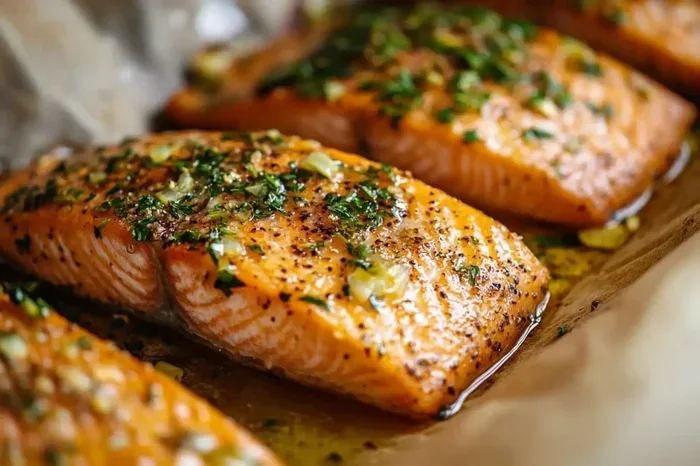
Mix fresh chopped dill, parsley, and chives with olive oil and lemon juice. Spread this mixture over the fillet before baking. The herbs infuse the fish with a bright, fresh flavor that pairs perfectly with the mild taste of steelhead.
Asian-Inspired Glaze
Whisk together soy sauce, honey, sesame oil, and a splash of rice vinegar. Brush this glaze over the fillet during the last 5 minutes of baking. Top with sesame seeds and sliced green onions right after it comes out of the oven.
Mediterranean Style
Top the fillet with sliced tomatoes, Kalamata olives, capers, and a drizzle of olive oil. Add a sprinkle of oregano and bake as usual. Serve with crusty bread and a simple green salad for a complete Mediterranean meal.
Honey Mustard Crust
Combine whole grain mustard, honey, and a pinch of smoked paprika. Spread this on top of the fillet before it goes in the oven. The result is a sweet and tangy crust that adds a beautiful golden color to the finished dish.
These flavor variations work with the same cooking times and temperatures. The key is to keep the oven at 400°F and adjust the seasoning to your taste. Experiment with different combinations to find your favorite.
How to Tell When Steelhead Fillet Is Done
Knowing when your oven-baked steelhead is perfectly done is an essential skill. It takes a bit of practice, but a few visual and tactile cues make it easy.
First, look at the color. Fully cooked steelhead turns from translucent to opaque white or light pink. The flesh should look solid all the way through, with no translucent or raw-looking areas.
Second, use the fork test. Gently press the top of the fillet with a fork. If the fish flakes apart in clean, separate pieces, it is done. If it still feels firm and resists flaking, give it another minute or two.
Third, and most reliably, use a meat thermometer. Insert it into the thickest part of the fillet at an angle. When the reading hits 145°F, the fish is safe and perfectly cooked. This method takes all the guesswork out of the process.
Remember that the fish will continue to cook slightly after you remove it from the oven. This carryover cooking can raise the internal temperature by 2 to 5 degrees. Pulling the fillet out at 140°F is a safe bet for a juicy result.
Health Benefits of Eating Steelhead
Beyond its wonderful taste, steelhead is packed with health benefits. It is one of the best sources of omega-3 fatty acids, which support heart health, brain function, and reduce inflammation. Eating fish like steelhead two to three times a week is recommended by most nutritionists.
Steelhead is also an excellent source of high-quality protein. A single fillet provides a substantial amount of protein with relatively few calories. This makes it a great choice for anyone watching their weight or trying to build lean muscle.
The fish is rich in vitamins and minerals too. It contains vitamin D, vitamin B12, selenium, and potassium. These nutrients play important roles in bone health, energy production, and immune function. Baking steelhead in the oven preserves these nutrients better than frying or grilling.
Because oven-baking uses little to no added fat, it is one of the healthiest cooking methods available. You get all the nutritional benefits of the fish without extra calories from oils or butter. It is a guilt-free dinner option the whole family can enjoy.
Expert Tips for Perfect Steelhead Every Time
Here are some pro tips that elevate your oven-baked steelhead from good to outstanding:
- Buy quality fish: Fresh steelhead from a reputable source makes a noticeable difference in flavor and texture.
- Uniform thickness: If the fillet is uneven, fold the thin end under itself so it cooks at the same rate as the thick end.
- Add a splash of liquid to the pan: A tablespoon of white wine or broth on the pan creates steam that keeps the fish moist.
- Use a wire rack: Placing the fillet on a wire rack over the sheet pan allows air to circulate underneath for even crispiness.
- Season just before baking: Salt draws moisture from the fish. Adding seasoning right before it goes in the oven keeps the surface dry and the skin crispy.
- Let the fish rest: Do not skip the resting step. It makes a noticeable difference in juiciness.
These small adjustments add up to a big improvement in your final dish. Once you make them part of your routine, you will never go back to mediocre baked fish again.
Storing and Reheating Leftover Steelhead
If you have leftovers, store them properly to enjoy them the next day. Place cooked steelhead in an airtight container and refrigerate within two hours. It will keep well in the fridge for up to 2 days.
Reheating is the tricky part. The microwave can dry out fish quickly. A better method is to reheat in the oven at 275°F for about 10 minutes. Cover the fillet loosely with foil to trap moisture. This gentle reheating keeps the fish tender and flavorful.
You can also flake leftover steelhead into salads, sandwiches, or pasta dishes. Cold steelhead works wonderfully in fish tacos or on top of a grain bowl. Get creative with your leftovers and reduce food waste at the same time.
Frequently Asked Questions
Can you overcook steelhead fillet in the oven?
Yes, overcooking is the most common mistake. Steelhead dries out quickly once it passes 145°F internally. To avoid this, pull the fillet out when it reaches 140°F and let carryover heat finish the cooking. Always check a few minutes before the suggested time ends.
What temperature should steelhead fillet be when cooked?
The USDA recommends an internal temperature of 145°F for all fish, including steelhead. At this temperature, the fish is safe to eat and has a firm, flaky texture. Using a meat thermometer is the most reliable way to check doneness.
Is steelhead the same as salmon?
Steelhead and salmon are related but different fish. Steelhead is technically a type of rainbow trout that migrates to the ocean, similar to salmon. The flavor is milder and more delicate than most salmon varieties. They can often be used interchangeably in recipes, but steelhead is generally leaner and lighter in color.
Can you bake steelhead fillet with the skin on?
Absolutely. Skin-on fillets are great for oven baking. The skin protects the flesh and helps the fillet hold its shape. Place the fillet skin-side down for crispy skin. Start with a hot oven at 400°F and cook for the recommended time based on thickness.
How do you keep steelhead fillet moist in the oven?
Pat the fillet dry before seasoning, do not overcook it, and let it rest after baking. Brushing the top with a thin layer of olive oil or melted butter also helps retain moisture. Using a wire rack instead of placing the fillet directly on the pan allows heat to circulate evenly and prevents steaming.
Can you cook steelhead fillet from frozen in the oven?
Yes, but you will need to increase the cooking time by about 5 to 8 minutes. It works best if you thaw the fillet partially first. Run it under cold water for 15 minutes or let it sit in the fridge overnight. This ensures more even cooking and better texture.
Conclusion
How long to cook steelhead fillet in the oven is a question with a straightforward answer once you understand the basics. A 400°F oven, 12 to 20 minutes of baking time, and an internal temperature of 145°F will give you perfectly cooked steelhead every time. The key is to pay attention to thickness, keep an eye on the fish, and use a meat thermometer for accuracy.
Baking steelhead in the oven is one of the easiest and healthiest ways to prepare this delicious fish. With simple seasoning, basic equipment, and the tips in this guide, you can serve restaurant-quality fillets at home. The mild, delicate flavor of steelhead makes it a crowd-pleaser for all ages.
Now it is your turn. Head to the kitchen, grab a fresh steelhead fillet, and put these steps into action. You will be amazed at how easy and rewarding oven-baked steelhead can be. Once you nail the technique, you will make it a regular part of your dinner rotation. Happy cooking!