How Long To Put Shrimp In Oven For Juicy Delicious Results
Want perfectly cooked shrimp? How Long To Put Shrimp In Oven depends on size and temperature. This guide covers exact cooking times, temperatures, and tips for juicy, oven-baked shrimp every time. You’ll learn how to avoid overcooking and get restaurant-quality results at home.
Baking shrimp in the oven is one of the easiest ways to cook seafood at home. It requires almost no prep, minimal cleanup, and delivers juicy, flavorful results every time. Yet so many home cooks ask the same question: how long to put shrimp in oven? The answer isn’t always the same, because shrimp size, whether they are frozen, and your oven temperature all play a role.
This guide walks you through everything you need to know. You’ll learn the exact cooking times, the best oven temperature, and the simple tricks that keep shrimp tender instead of rubbery. By the end, you’ll feel confident enough to whip up a sheet pan of oven-baked shrimp for dinner tonight.
Whether you’re feeding a crowd or just making a quick weeknight meal, knowing the right cooking time is the difference between perfect shrimp and a disappointing plate. Let’s dive in and take the guesswork out of your next shrimp recipe.
Key Takeaways
- Quick Answer: Most shrimp bake in 10 to 15 minutes at 400°F, depending on size.
- Size Matters: Small shrimp take less time, while jumbo shrimp need up to 20 minutes.
- Always Pat Dry: Moisture is the enemy of a good sear and crispy edges.
- Use a Thermometer: Shrimp are done when they reach 145°F internally and turn opaque.
- Don’t Overcrowd: Spread shrimp in a single layer on a sheet pan for even cooking.
- Thaw First: Cooking from frozen adds extra time and can lead to uneven results.
- Store Safely: Leftover oven-baked shrimp keep for 3 days in the fridge and reheat well in the oven.
📑 Table of Contents
How Long To Put Shrimp In Oven: The Quick Answer
The short answer is 10 to 15 minutes at 400°F for thawed, medium-sized shrimp. But that number changes based on a few key factors. How long to put shrimp in oven really comes down to the size of the shrimp, whether they are raw or already cooked, and how you like them prepared.
Here is a simple rule of thumb. Small shrimp (under 15 count per pound) need about 8 to 10 minutes. Medium shrimp (16 to 20 count) take 10 to 12 minutes. Large shrimp (21 to 25 count) need 12 to 15 minutes. And jumbo shrimp (under 21 count) can take up to 20 minutes. If you are cooking frozen shrimp, add about 2 to 3 extra minutes to the total time.
Quick Tip: Always pat shrimp dry with paper towels before seasoning. This removes surface moisture and helps the shrimp brown better in the oven.
The visual cues are just as important as the clock. Shrimp are done when they turn pink and opaque, and they curl into a loose C shape. If they curl tightly into an O shape, they are likely overcooked and will be tough.
What Affects Cooking Time?
Several things change the total cooking time for oven-baked shrimp. The first is shrimp size, which we covered above. The second is starting temperature. Room temperature shrimp cook more evenly than straight-from-the-fridge shrimp. The third is whether you use a single layer or stack them. Crowded shrimp steam instead of roast, which adds time and reduces crispness.
Another factor is the type of pan you use. A dark, nonstick sheet pan absorbs more heat and can cook shrimp faster than a light-colored aluminum pan. And if you add a sauce or glaze, the extra moisture can add a minute or two to the bake.
The Golden Rule for Perfect Shrimp
The golden rule is simple: watch the shrimp, not just the timer. Check them at the 8-minute mark if they are small, and at the 10-minute mark if they are medium. Use a quick-read thermometer if you have one. The internal shrimp temperature should reach 145°F. Once they hit that temperature, pull them out immediately. The carryover heat will continue to cook them just a little more.
Choosing the Right Shrimp and Prep Work
Not all shrimp are the same, and picking the right one sets you up for success. The shrimp size you choose directly affects how long to put shrimp in oven. Fresh shrimp is ideal, but frozen raw shrimp works just as well if you thaw it properly. Avoid pre-cooked shrimp for this method, because they only need to be heated through, not cooked from raw.
Fresh vs. Frozen Shrimp
Fresh shrimp should smell like the ocean, not fishy. If you buy frozen shrimp, look for IQF (individually quick frozen) bags. These freeze each shrimp separately, which preserves texture better than block-frozen shrimp. When you buy frozen shrimp, plan to thaw them before baking. Thawing ensures even cooking and reduces the total cooking time.
Quick Tip: Thaw shrimp overnight in the fridge, or place them in a sealed bag and submerge in cold water for 30 minutes. Never use warm or hot water to thaw shrimp, as it starts to cook the outer layer.
Deveining and Seasoning
Most shrimp you buy are already deveined, but it is worth checking. The vein is the digestive tract, and while it is safe to eat, it can have a gritty texture. If your shrimp still have the vein, use a small knife to make a shallow cut along the back and pull it out. This step takes a few minutes but makes a big difference in the final shrimp recipe.
Seasoning is where you can get creative. A simple mix of olive oil, minced garlic, salt, and black pepper is a classic base. For a bolder flavor, add smoked paprika, cumin, and a squeeze of lemon juice. Toss the shrimp gently in a bowl until they are evenly coated. Let them sit for 5 to 10 minutes while the oven preheats. This short rest allows the seasoning to stick and start to penetrate the shrimp.
Expert Insight: Many chefs let seasoned shrimp rest at room temperature for 10 minutes before baking. This brings them closer to the oven temperature, which reduces the total bake time and promotes more even cooking.
Oven Temperature and Timing Guide
The standard oven temperature for baking shrimp is 400°F. This high heat cooks the shrimp quickly, seals in juices, and creates a light sear on the edges. You can bake shrimp at 375°F if you prefer a gentler cook, but it will add a few minutes to the total time. For most home cooks, 400°F is the sweet spot for juicy, oven-baked shrimp.
Here is a detailed look at how shrimp size and starting state affect the total time. Use this as your go-to reference when planning a shrimp recipe.
| Shrimp Size | Count Per Pound | Thawed or Frozen | Oven Temp | Bake Time | Internal Temp |
|---|---|---|---|---|---|
| Small | Under 15 | Thawed | 400°F | 8–10 min | 145°F |
| Medium | 16–20 | Thawed | 400°F | 10–12 min | 145°F |
| Large | 21–25 | Thawed | 400°F | 12–15 min | 145°F |
| Jumbo | Under 21 | Thawed | 400°F | 15–20 min | 145°F |
| Any Size | — | Frozen | 400°F | Add 2–3 min | 145°F |
These times assume a single layer of shrimp on a parchment-lined sheet pan. If you stack shrimp or use a deep dish, the time will increase because the heat cannot reach the bottom layer easily.
Quick Tip: Use a meat thermometer to check the internal shrimp temperature. Insert the probe into the thickest part of the largest shrimp. Once it hits 145°F, remove the pan from the oven immediately.
Visual Cues That Tell You Shrimp Are Done
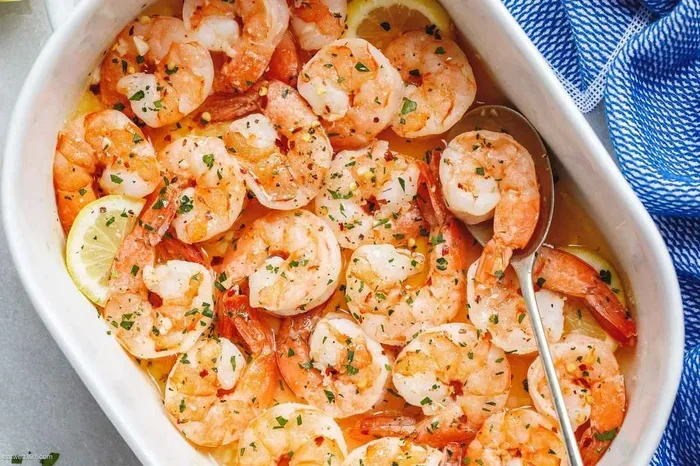
The best oven-baked shrimp look like a beautiful pink-and-orange treasure. When they are done, the flesh turns opaque white with a hint of pink. The shrimp will curl into a loose C shape. If they curl tightly into an O, they have been cooking too long. The texture should be firm but still slightly springy to the touch. If you press a shrimp with your finger, it should bounce back, not feel mushy or hard.
Common Mistake: Relying only on the timer and not checking the shrimp. Ovens vary, and the exact cooking time can shift by a minute or two. Start checking a couple of minutes before the minimum time listed in the table.
Expert Insight: Many home cooks overcook shrimp by 2 to 3 minutes because they leave them in the oven too long. Set a timer for 8 minutes if you are baking medium shrimp, and then check every 60 seconds after that. A few extra seconds can turn perfect shrimp into tough, rubbery bites.
Pro Tips for Juicy, Flavorful Oven-Baked Shrimp
Getting the timing right is only half the battle. How you prepare the shrimp before they hit the oven makes a huge difference in flavor and texture. These pro tips will elevate your shrimp recipe from good to restaurant-quality.
The Best Fats and Oils
Olive oil is the most common choice for oven-baked shrimp. It has a medium smoke point and a fruity flavor that complements seafood. For a richer taste, use melted butter mixed with a little olive oil. The butter adds a creamy richness that pairs well with garlic and herbs. Avoid using too much fat. A light coating of about 1 tablespoon of oil per pound of shrimp is enough to prevent sticking and help the seasoning adhere.
Quick Tip: Toss shrimp in oil first, then add dry seasonings. The oil acts as a glue, so the spices stick better and distribute more evenly.
Seasoning and Marinades
Simple seasonings work best for oven-baked shrimp. Salt, black pepper, garlic powder, and smoked paprika create a savory, slightly smoky flavor. If you want a bolder profile, try a quick marinade of olive oil, lemon juice, minced garlic, and a pinch of red pepper flakes. Marinate the shrimp for 10 to 15 minutes. Do not marinate for more than 30 minutes, because the acid in the lemon juice can start to break down the shrimp protein and make them mushy.
For a Thai-inspired twist, use fish sauce, a touch of sugar, and lime zest. For a Mediterranean flavor, add dried oregano, thyme, and a sprinkle of grated parmesan cheese right before the shrimp finish baking.
Avoid Overcrowding the Pan
One of the biggest mistakes is crowding the sheet pan. When shrimp touch or overlap, they steam instead of roasting. This leads to pale, soggy shrimp instead of the slightly crisp, caramelized edges you want. Use a large sheet pan or two smaller pans. Spread the shrimp in a single layer with a little space between each piece. This allows hot air to circulate around every shrimp, reducing the total cooking time and ensuring even browning.
Common Mistake: Drowning shrimp in oil or marinade. A light drizzle is all you need. Too much liquid creates steam, which prevents the shrimp from getting a nice sear in the oven.
Expert Insight: Line your baking sheet with parchment paper or a silicone mat. This prevents the shrimp from sticking and makes cleanup a breeze. If you want extra crispiness, use a wire rack set over the sheet pan. The rack lets hot air flow underneath the shrimp, giving them an all-over golden finish.
Common Mistakes That Ruin Oven-Baked Shrimp
Even with the right timing, a few simple errors can ruin a batch of oven-baked shrimp. Knowing what to avoid will save you from tough, dry, or bland results.
Overcooking the Shrimp
Overcooking is the number one enemy of shrimp. Shrimp cook very quickly, and the window between perfectly done and overdone is tiny. When shrimp go from 145°F to 155°F, they lose a significant amount of moisture. The result is a rubbery, chewy texture that no amount of sauce can fix. Always set a timer, and check the shrimp a minute or two before the recommended time is up.
Quick Tip: Remove the pan from the oven when the shrimp still look slightly underdone in the very center. They will continue to cook on the hot sheet pan for another minute or two. This carryover cooking is your friend.
Skipping the Pat-Dry Step
Moisture on the surface of the shrimp creates steam in the oven, which prevents browning and crisping. After thawing, place the shrimp on a clean kitchen towel and pat them thoroughly dry. This step takes just 30 seconds, but it makes a big difference in texture. Dry shrimp will develop a light sear and a slightly caramelized edge, which adds a layer of flavor that you simply cannot get from steamed shrimp.
Using the Wrong Pan
A deep baking dish or a dark, nonstick pan with high sides traps steam and slows down cooking. The best pan for oven-baked shrimp is a large, rimmed sheet pan or a flat baking sheet. The low sides allow heat to reach the shrimp from all angles. If you only have a deep dish, spread the shrimp in a single layer and avoid piling them on top of each other.
Common Mistake: Using a glass or ceramic dish instead of a metal sheet pan. Glass and ceramic heat more slowly and can lead to uneven cooking. A light-colored aluminum sheet pan is the best choice for quick, even roasting.
Serving, Storing, and Reheating Leftovers
Once your oven-baked shrimp are done, you have several delicious options for serving them. They make a great main dish over pasta, rice, or a bed of greens. You can also serve them as an appetizer on skewers, or chop them up and toss them into a fresh salad or taco filling. The versatility of shrimp recipe ideas is one of the best things about cooking shrimp in the oven.
Serving Ideas
For a quick weeknight dinner, serve oven-baked shrimp over linguine with a squeeze of lemon and fresh parsley. For a fun appetizer, place the shrimp on small skewers and serve with a dipping sauce made from Greek yogurt, lemon juice, and dill. You can also add them to a shrimp tacos bar with avocado, cabbage slaw, and a drizzle of chipotle mayo. The possibilities are endless.
How to Store Cooked Shrimp
Let the shrimp cool to room temperature within two hours of cooking. Then place them in an airtight container and store them in the refrigerator. Cooked shrimp keep for up to 3 days. Do not leave them at room temperature for longer, as seafood can spoil quickly in the danger zone between 40°F and 140°F.
Quick Tip: Store leftover shrimp separately from any sauces or sides. This keeps the shrimp from getting soggy and helps them reheat more evenly.
Reheating Without Drying Out
The microwave is the worst way to reheat leftover oven-baked shrimp. It heats them unevenly and turns the texture rubbery. Instead, use your oven. Spread the shrimp on a sheet pan and warm them at 300°F for about 5 minutes. Check them at the 3-minute mark. You want them just heated through, not overcooked again. A light spritz of water or a drizzle of olive oil before reheating can help keep them moist.
Common Mistake: Reheating shrimp in a covered dish, which traps steam and makes them soggy. Always reheat shrimp in an open pan so the heat can circulate freely.
Expert Insight: Leftover shrimp are perfect for cold dishes. Toss them into a shrimp cocktail, a seafood pasta salad, or a chilled avocado soup. They hold their flavor well and add a protein boost to any meal without needing additional cooking.
Final Thoughts
Now you know exactly how long to put shrimp in oven for juicy, delicious results. The key is to pay attention to shrimp size, start with thawed shrimp when possible, and keep a close eye on the clock. Most batches of oven-baked shrimp are done in 10 to 15 minutes at 400°F, but always use visual cues and an internal temperature of 145°F as your final guide.
Remember the simple steps: pat the shrimp dry, season them well, spread them in a single layer, and bake at a high temperature. Avoid the common pitfalls of overcrowding the pan and overcooking the shrimp, and you will have a perfect shrimp recipe every single time.
Oven-baked shrimp is a dish that works for a casual Tuesday dinner or a weekend dinner party. It is fast, it is forgiving, and it is incredibly delicious. Once you master the cooking time and temperature, you will never go back to overcooked, rubbery shrimp again. So preheat your oven, line a sheet pan, and get ready to enjoy some of the best seafood you have ever made at home.
With these tips and times in your kitchen arsenal, you are fully equipped to bake shrimp perfectly. Try this method tonight, and taste the difference that a little attention to time and temperature makes. Happy cooking!
Frequently Asked Questions
Can you put raw shrimp in the oven?
Yes, raw shrimp is the best choice for oven-baked shrimp. Raw shrimp cooks through in the oven and turns pink and opaque. Just make sure to thaw them first if they are frozen, and pat them dry before seasoning.
What temperature should shrimp be cooked to?
The safe internal temperature for cooked shrimp is 145°F. Use a quick-read meat thermometer inserted into the thickest part of the shrimp to check. Once it reaches 145°F, remove the shrimp from the oven immediately.
How do you know when shrimp is done in the oven?
Shrimp are done when they turn pink and opaque, and they curl into a loose C shape. If they curl tightly into an O, they are likely overcooked. The texture should be firm but still slightly springy, not rubbery or mushy.
Can you bake frozen shrimp without thawing?
You can, but it is not recommended. Frozen shrimp will take longer to bake, usually adding 2 to 3 extra minutes, and the outside may overcook before the inside is done. Thawing in the fridge overnight gives the best, most even results.
Is it better to bake shrimp with or without the shell?
Most people bake shrimp without the shell because it shortens the cooking time and makes them easier to eat. However, baking shrimp in the shell keeps them more moist and adds a subtle smoky flavor. If you bake them in the shell, add a few extra minutes to the total time.
How long does leftover baked shrimp last in the fridge?
Cooked leftover shrimp stored in an airtight container will keep in the refrigerator for up to 3 days. Reheat them gently in the oven at 300°F for about 5 minutes to avoid drying them out or turning them rubbery.