Average Size of Leg of Lamb in Kgs and What to Expect
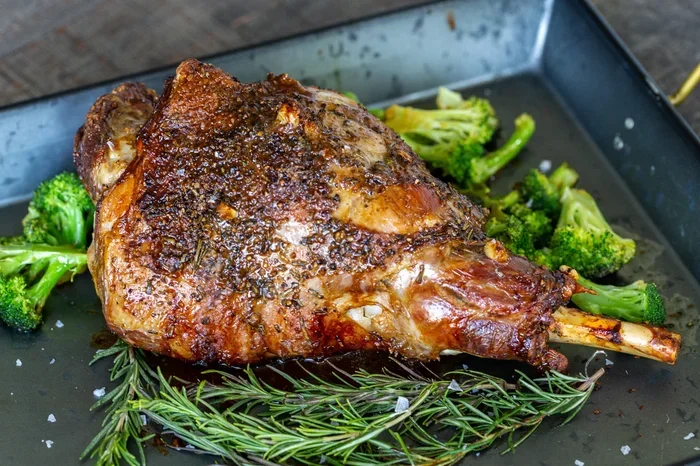
The average leg of lamb weighs between 2.3 and 4.5 kg, with most whole legs falling around 3.2 kg. A bone-in leg gives you more flavor and juiciness, while a boneless leg is easier to carve and stuff. Plan for about 200 to 250 grams of lamb per person to make sure everyone gets a generous serving.
Buying a leg of lamb can feel confusing. You stand in the meat aisle and wonder how big this cut really is. What does the weight even mean for your dinner party? Whether you are planning a Sunday roast or a holiday feast, knowing the average size of leg of lamb in kgs helps you make the right choice. This guide walks you through everything you need to know about lamb leg sizes, what to expect, and how to pick the perfect one for your kitchen.
The average leg of lamb weight varies quite a bit. A whole bone-in leg usually sits between 2.3 and 4.5 kg. A boneless leg tends to be a bit lighter, often around 2 to 3.5 kg. These numbers depend on the breed of the lamb, its age, and how the butcher prepared the cut. Understanding these basics saves you from buying too much or too little meat. Let us dive deeper into what you should know before your next trip to the butcher shop.
Key Takeaways
- Average weight: A whole leg of lamb typically weighs between 2.3 and 4.5 kg.
- Bone-in vs boneless: Bone-in legs weigh more due to the bone but offer richer flavor.
- Serving size: Plan for 200 to 250 grams of lamb per person for a main course.
- Buying tip: Always check with your butcher for the exact weight before purchasing.
- Cooking method matters: Slow roasting at low heat keeps leg of lamb moist and tender.
- Leftovers are great: Cooked lamb stores well and makes excellent sandwiches and salads the next day.
📑 Table of Contents
- What Is the Average Size of a Leg of Lamb in Kgs?
- Bone-In vs. Boneless Leg of Lamb
- How Much Lamb Do You Need Per Person?
- What to Look for When Buying a Leg of Lamb
- How to Prepare and Cook Your Leg of Lamb
- Common Mistakes to Avoid When Buying and Cooking Lamb
- Final Thoughts on the Average Size of Leg of Lamb in Kgs
What Is the Average Size of a Leg of Lamb in Kgs?
The average size of leg of lamb in kgs is something every home cook should understand. A full leg of lamb is one of the largest cuts you can buy from a sheep. It comes from the hind leg of the animal. This cut is prized for its rich flavor and tender meat when cooked properly.
Most supermarkets carry legs of lamb that weigh between 2.3 and 4.5 kg. However, the exact leg of lamb weight can differ based on several factors. Here is a quick look at what influences the size:
- Breed of the lamb: Larger breeds like Suffolk or Dorset produce bigger legs.
- Age of the animal: Older lambs have larger cuts than younger ones.
- Bone-in vs. boneless: Bone-in legs include the weight of the bone, making them heavier.
- Butcher trimming: Some butchers remove more fat and silverskin, reducing the weight.
- Regional differences: Lamb sizes vary by country and farming practices.
A typical bone-in leg of lamb from a standard breed weighs about 3.2 kg on average. This is the size you will most commonly find in grocery stores. If you buy a boneless leg of lamb, expect it to be around 2.5 to 3 kg. The bone itself can weigh anywhere from 300 to 600 grams, depending on how much meat clings to it.
Why Does the Weight Matter?
The weight of your lamb leg directly affects your cooking plan. A larger leg needs more time in the oven. It also serves more people. If you buy a 4.5 kg leg for a dinner of four, you will have plenty of leftovers. On the other hand, a 2.3 kg leg might not be enough for a family gathering of eight. Knowing the leg of lamb weight helps you plan your menu, your cooking time, and your budget.
When you shop for lamb, always ask the butcher about the exact weight. Many stores label the weight on the package, but this is not always accurate. A quick check can save you from surprises when you get home. If you are unsure, go for a mid-range size around 3 kg. This works well for most families and dinner parties.
Bone-In vs. Boneless Leg of Lamb
One of the biggest decisions you will make is whether to buy a bone-in or boneless leg. Both cuts come from the same part of the animal, but they behave very differently in the kitchen. Understanding the differences helps you pick the right one for your recipe and your skill level.
Bone-In Leg of Lamb
A bone-in leg of lamb is the traditional choice for many cooks. The bone runs through the center of the cut, and it adds several benefits:
- More flavor: The bone imparts a richer, deeper taste into the meat as it cooks.
- Better presentation: A bone-in leg looks impressive on the table, especially for holiday meals.
- Moisture retention: The bone helps keep the meat juicy during long cooking times.
- Natural shape: The bone gives the roast a sturdy shape that is easy to tie and season.
However, bone-in legs come with a downside. They weigh more because of the bone. This means you pay for weight that you will not eat. The bone also makes carving more difficult, especially if you are new to cooking lamb. If you want to try a bone-in roast, check out our guide on how to cook a boneless lamb roast in the oven for tips that also apply to bone-in cuts.
Boneless Leg of Lamb
A boneless leg of lamb is a great choice for beginners. Without the bone, the cut is easier to handle and carve. Here are the main advantages:
- Easier to carve: You can slice the meat evenly without fighting around a bone.
- More usable meat: You get a higher percentage of edible meat per kilogram.
- Great for stuffing: Boneless legs are perfect for rolling and stuffing with herbs and garlic.
- Faster cooking: Without the bone, heat penetrates the meat more evenly and quickly.
Boneless legs do have one drawback. They can dry out faster than bone-in cuts if you are not careful. To keep a boneless roast moist, cook it low and slow. For detailed guidance on oven roasting, see our article on how to roast lamb in oven for step-by-step instructions that work beautifully with boneless cuts.
Weight Comparison Table
| Cut Type | Average Weight (kg) | Edible Meat Weight (kg) | Best For |
|---|---|---|---|
| Bone-In Leg | 2.3 – 4.5 | 1.7 – 3.2 | Impressive roasts, holiday dinners |
| Boneless Leg | 2.0 – 3.5 | 1.8 – 3.3 | Easy carving, stuffing, weeknight meals |
| Half Leg (Bone-In) | 1.2 – 2.0 | 0.9 – 1.6 | Small families, 2-4 people |
| Half Leg (Boneless) | 1.0 – 1.8 | 0.9 – 1.7 | Quick weeknight dinners |
As you can see from the table, boneless legs give you slightly more usable meat. But bone-in legs deliver more flavor and a classic presentation. Choose based on your priorities and the size of your gathering.
How Much Lamb Do You Need Per Person?
Planning the right amount of lamb per person is essential. Too little, and your guests go home hungry. Too much, and you waste money on leftovers that may not get eaten. The general rule is simple: plan for 200 to 250 grams of raw lamb per person for a main course.
This estimate accounts for bone weight and cooking loss. Lamb shrinks by about 15 to 20 percent during cooking. So if you serve four people, you need roughly 1 to 1.2 kg of raw lamb. For a bone-in leg, the math works out nicely because the bone adds weight that does not count toward servings.
Here is a quick guide to help you decide:
- 2 people: Buy a half leg or a small whole leg (1.5 – 2.3 kg).
- 4 people: A whole leg of 2.5 – 3.5 kg works perfectly.
- 6 people: Go for a 3.5 – 4.0 kg leg to be safe.
- 8 or more people: Consider buying two smaller legs instead of one large one.
Keep in mind that lamb is rich and flavorful. Most people eat smaller portions than they would with chicken or beef. A 250-gram serving is usually more than enough, especially if you serve side dishes like roasted vegetables, potatoes, or a fresh salad. If you are planning a buffet-style meal, you can drop the per-person amount slightly to about 180 grams.
Also think about what else you are serving. If lamb is the star of the show, stick with 250 grams per person. If it is one of several dishes, 180 to 200 grams is plenty. Leftover lamb makes amazing sandwiches, salads, and soups the next day, so do not stress too much about having extra.
What to Look for When Buying a Leg of Lamb
Not all legs of lamb are created equal. When you go to buy one, there are several things you should check to make sure you get the best quality cut for your money.
Check the Color and Fat
A good leg of lamb has a pink to light red color. The fat should be white and firm, not yellow or soft. Yellow fat can indicate an older animal or a different diet, which affects the taste. Look for a thin layer of fat over the meat. Too much fat means you will spend more time trimming. Too little fat can lead to a dry roast.
Feel the Meat
When you touch the lamb, it should feel firm but slightly moist. Avoid cuts that look dry or have a slimy texture. The meat should bounce back when you press it gently. If it leaves an indentation, the lamb may be past its prime.
Ask About the Source
Good butchers love to talk about their meat. Ask where the lamb was raised. Was it grass-fed or grain-fed? Grass-fed lamb tends to be leaner with a slightly gamey flavor. Grain-fed lamb is milder and often more marbled. Both are excellent, but they cook a bit differently. Grass-fed legs may need a little more attention to stay moist during cooking.
Consider the Cooking Method
Think about how you plan to cook your lamb before you buy it. If you want to slow roast the leg, a bone-in cut works best because the bone protects the meat from drying out. If you plan to grill or pan-sear a smaller portion, a boneless half leg might be the better choice. For low and slow cooking methods, check out our tips on what temp to slow cook roast in oven to get perfectly tender results every time.
How to Prepare and Cook Your Leg of Lamb
Once you have your leg of lamb home, the next step is preparation and cooking. How you handle the meat before it goes in the oven makes a big difference in the final result.
Trimming and Seasoning
Start by trimming any thick pockets of fat from the lamb. Leave a thin layer of about 5 millimeters. This layer bastes the meat as it cooks and adds flavor. Next, use a sharp knife to make small slits all over the surface. Push garlic cloves, rosemary sprigs, or thyme into these slits. This technique infuses the meat with flavor from the inside out.
Season generously with salt and pepper. Some cooks also add cumin, paprika, or oregano for extra depth. Let the seasoned lamb sit in the fridge for at least 2 hours, or overnight if you have time. This resting period allows the flavors to penetrate the meat deeply.
Cooking Times and Temperatures
The cooking method you choose depends on the size of your leg and how much time you have. Here are the most popular approaches:
- Slow roast (low heat): Cook at 140 to 160 degrees Celsius for 3 to 4 hours. This method produces incredibly tender meat that falls off the bone.
- Medium roast (moderate heat): Cook at 180 to 200 degrees Celsius for 1.5 to 2.5 hours. This gives you a nice crust on the outside while keeping the inside juicy.
- High heat start: Start at 220 degrees Celsius for 20 minutes to get a crispy crust, then reduce to 160 degrees Celsius for the rest of the cooking time.
Use a meat thermometer to check the internal temperature. For medium-rare, aim for 60 to 63 degrees Celsius. For medium, target 68 to 71 degrees Celsius. Let the lamb rest for at least 15 minutes after cooking. This allows the juices to redistribute, making every slice moist and flavorful.
If you are cooking a smaller cut like lamb shanks alongside your roast, the timing will differ. For shanks, a longer, slower cook works best. You can find detailed timing in our guide on how long to cook lamb shanks in oven.
Resting and Carving
Resting is the step most people skip, but it is the most important. When you take the lamb out of the oven, tent it loosely with aluminum foil and let it sit for 15 to 20 minutes. The internal temperature will rise by a few degrees during this time, and the juices will settle back into the meat.
For bone-in legs, carve by slicing along the bone. For boneless legs, slice against the grain for the most tender result. Serve with the juices spooned over the top. A simple gravy made from the pan drippings elevates the whole dish.
Common Mistakes to Avoid When Buying and Cooking Lamb
Even experienced cooks make mistakes with lamb. Here are the most common errors and how to avoid them.
Buying the Wrong Size
The biggest mistake is buying a leg that is too small or too large for your group. Always count your guests and do the math before you shop. If you are unsure, it is better to buy a slightly larger leg than you need. Leftover lamb is never a bad thing.
Skipping the Rest
Cutting into lamb right after it comes out of the oven releases all the juices onto the cutting board. Your meat ends up dry and less flavorful. Always rest your roast for at least 15 minutes. This simple step makes a huge difference in the final result.
Overcooking the Lamb
Lamb dries out quickly if you cook it too long. Use a meat thermometer and pull the roast out when it is 3 to 5 degrees below your target temperature. The carryover cooking will bring it up to the right level during the resting period. Overcooked lamb becomes tough and loses its wonderful flavor.
Not Letting the Lamb Come to Room Temperature
Never put a cold lamb roast straight into a hot oven. Take it out of the fridge 30 to 60 minutes before cooking. This allows the meat to cook more evenly and reduces the total cooking time. It also helps the outside develop a better crust.
Ignoring the Bone Weight
When calculating how much lamb to buy, remember that the bone does not count as edible meat. A 4 kg bone-in leg might only yield about 3 kg of meat. Factor this in when planning your portions, especially if you are cooking for a large group.
Using the Wrong Cut for the Recipe
Not every recipe works with every cut of lamb. A braise or stew needs tougher, smaller cuts like shanks or shoulder. A show-stopping roast needs a full leg. Using the wrong cut leads to disappointing results. Always match your cut to your cooking method for the best outcome.
Final Thoughts on the Average Size of Leg of Lamb in Kgs
The average size of leg of lamb in kgs is a starting point, not a fixed rule. Most whole legs fall between 2.3 and 4.5 kg, with 3.2 kg being the most common size. Whether you choose a bone-in or boneless cut depends on your cooking goals, your skill level, and the number of people you are feeding.
Remember to plan for 200 to 250 grams per person, check the quality of the meat before buying, and always let your roast rest after cooking. These simple steps will help you serve a delicious, tender leg of lamb that your family and friends will rave about. Lamb is a rewarding cut to cook, and once you master the basics, you will find it becomes a regular part of your dinner rotation.
Do not be afraid to experiment with different seasonings and cooking methods. Try a herb crust one week and a spice rub the next. Each time you cook a leg of lamb, you will learn something new. The more you cook with it, the more confident you will become. Grab a leg of lamb this weekend, follow these tips, and enjoy a meal that is truly special.
Frequently Asked Questions
What is the average weight of a whole leg of lamb?
A whole bone-in leg of lamb typically weighs between 2.3 and 4.5 kg, with most averaging around 3.2 kg. Boneless legs usually weigh between 2.0 and 3.5 kg. The exact weight depends on the breed, age, and how the butcher prepared the cut.
How many people does a leg of lamb feed?
A standard leg of lamb weighing 3 to 3.5 kg can feed about 4 to 6 people comfortably. Plan for 200 to 250 grams of raw lamb per person. If you are serving other main dishes, you can reduce this to about 180 grams per person.
Should I buy bone-in or boneless leg of lamb?
Bone-in legs offer more flavor and a classic presentation but are harder to carve. Boneless legs are easier to handle and give you more usable meat. Choose bone-in for a show-stopping roast and boneless for convenience and easy slicing.
How long does it take to cook a leg of lamb?
Cooking time depends on the size of the leg and the temperature. A 3 kg leg roasted at 180 degrees Celsius takes about 2 to 2.5 hours. Slow roasting at 140 degrees Celsius takes 3 to 4 hours. Always use a meat thermometer to check for doneness.
Can I freeze a leg of lamb?
Yes, you can freeze a raw leg of lamb for up to 6 months. Wrap it tightly in plastic wrap and aluminum foil, or place it in a heavy-duty freezer bag. Thaw it in the fridge for 24 to 48 hours before cooking for the best results.
What is the best internal temperature for leg of lamb?
For medium-rare, aim for an internal temperature of 60 to 63 degrees Celsius. For medium, target 68 to 71 degrees Celsius. Remember that the temperature will rise by a few degrees during the resting period, so pull the lamb out slightly below your target.