What To Put Salmon On In Oven To Get Perfect Results
Discover the best surfaces and liners to put salmon on in oven for perfect results. Whether you use parchment paper, foil, or a baking rack, your choice affects texture, cleanup, and flavor. This guide covers every option with simple tips so your salmon comes out moist and delicious every single time.
Key Takeaways
- Parchment paper is the top pick: It keeps salmon from sticking and makes cleanup a breeze.
- Aluminum foil works too: It traps moisture for extra-juicy fish but can make the bottom soft.
- A wire rack gives crispy skin: Air circulates underneath for even cooking and crisp texture.
- Temperature matters a lot: Bake at 400°F for the best balance of crispy outside and tender inside.
- Add a liner even on a baking sheet: It prevents sticking and simplifies cleanup.
- Rest your salmon after baking: Let it sit for 3-5 minutes for juicier results.
📑 Table of Contents
What To Put Salmon On In Oven For Perfect Results
Baking salmon in the oven is one of the easiest ways to cook a healthy and delicious meal. But here is the thing most people overlook. What you put the salmon on matters just as much as the seasoning or the temperature. The surface you choose affects how the fish cooks, how the skin turns out, and how much cleanup you face afterward.
If you have ever ended up with a stuck-on, dry, or unevenly cooked piece of fish, the problem might be your baking surface. This guide walks you through every option for what to put salmon on in oven. You will learn about parchment paper, foil, wire racks, baking sheets, and more. By the end, you will know exactly which setup gives you the best results every time.
Let us keep it simple. We are going to cover the pros and cons of each option, share practical tips, and help you avoid common mistakes. No guesswork. No stress. Just straightforward advice that works in your kitchen tonight.
Why Your Baking Surface Matters
Some people think it does not matter what you put salmon on. They just toss the fillet on a pan and hope for the best. But the surface you choose plays a real role in the final result.
Here is why it matters. The right surface controls heat distribution. It affects how the skin crisps up. It determines whether the fish sticks or slides right off. And it changes how much grease and oil ends up on your pan. A good setup also makes cleanup faster and easier. That alone is worth paying attention to.
Think of it this way. You would not bake a cake without a pan. The same logic applies to salmon. The surface you choose is the foundation for a great dish.
The Best Liners and Surfaces for Baking Salmon
Now let us get into the good stuff. Here are the most popular options for what to put salmon on in oven. Each one has its strengths, so you can pick what works best for you.
Parchment Paper: The Top Choice for Most Cooks
Parchment paper is the go-to for home cooks who want easy, fuss-free salmon. It is heat-safe up to about 425°F, which covers most baking recipes perfectly. The silicone coating makes it naturally nonstick, so your salmon releases cleanly every time.
Here is why parchment paper wins so many fans. It creates a gentle barrier between the fish and the pan. This prevents sticking without adding extra fat. It also absorbs some of the moisture released during cooking, which helps the skin get crispy. And cleanup takes seconds. Just toss the paper and wash the pan.
Quick tip: Cut a piece of parchment to fit your baking sheet. Place the salmon on top, season it, and bake. That is all there is to it. Parchment paper is also eco-friendly if you choose unbleached options. It is a simple win-win.
Aluminum Foil: Great for Moisture Retention
Aluminum foil is another popular choice when people ask what to put salmon on in oven. It creates a sealed environment that traps steam. This keeps the fish incredibly moist and tender.
Foil works especially well if you like your salmon buttery and soft. You can wrap the fish loosely in foil with herbs, lemon slices, and a little butter. The steam circulates inside and cooks the fish gently. This method is almost foolproof for avoiding dry salmon.
But there is a tradeoff. Foil can make the skin soggy because it traps too much moisture. If you love crispy skin, foil might not be your best bet. It also sticks more than parchment paper, especially if the fish has a high fat content.
Wire Rack Over a Baking Sheet: For Crispy Skin
If crispy salmon skin is your goal, a wire rack is your best friend. Placing the salmon on a rack set over a baking sheet allows hot air to circulate all around the fish. This means the top and bottom cook evenly.
The result is skin that is golden, crunchy, and delicious. The flesh stays moist and flaky on the inside. A wire rack also lets excess grease drip away, giving you a lighter final dish.
Here is a pro tip. Brush the skin with a thin layer of oil before baking. This helps it crisp up faster and more evenly. A wire rack does require a bit more setup than parchment paper, but the texture you get is worth the extra step.
Baking Sheet Alone: Simple But Risky
Using a bare baking sheet is the simplest option. You just place the salmon directly on the pan and bake. It works in a pinch, and many people do it every day.
However, bare baking sheets come with risks. Salmon skin and flesh can stick to the metal, especially if the pan is not perfectly clean or seasoned. Cleanup becomes harder, and you might lose pieces of fish stuck to the surface.
If you go this route, make sure your baking sheet is in good condition. A well-seasoned or nonstick sheet works better. You can also add a thin layer of oil to the pan before placing the salmon. But honestly, even a quick layer of parchment paper makes a big difference.
Silicone Baking Mats: A Reusable Alternative
Silicone baking mats are growing in popularity, and for good reason. They are reusable, nonstick, and heat-safe up to very high temperatures. They work great as a surface for baking salmon in oven.
These mats create a similar effect to parchment paper. They prevent sticking and make cleanup a snap. The main advantage is that you can use them hundreds of times, which saves money and reduces waste over time.
One thing to watch for. Make sure the mat lies flat on the baking sheet. If it bunches up or slides around, the salmon might cook unevenly. A good-quality silicone mat stays in place and gives you consistent results every time.
Comparison Table: Which Surface Is Right for You?
| Surface | Best For | Crispy Skin | Easy Cleanup | Moisture Level |
|---|---|---|---|---|
| Parchment Paper | Everyday baking | Good | Excellent | Balanced |
| Aluminum Foil | Moist, tender fish | Poor | Good | High |
| Wire Rack | Crispy skin lovers | Excellent | Good | Medium |
| Bare Baking Sheet | Quick and simple | Fair | Poor | Medium |
| Silicone Mat | Reusable option | Good | Excellent | Balanced |
As you can see, each surface has its strengths. Parchment paper and silicone mats are the easiest to work with. Foil is ideal for moist results. A wire rack gives you the crispiest skin. Choose based on what you value most in your salmon.
How To Prepare Salmon Before Baking
Now that you know what to put salmon on, let us talk about preparation. How you prep the fish before it hits the oven makes a big difference in the final result.
Pat the Salmon Dry
This is the single most important step most people skip. Take your salmon fillet and pat it completely dry with paper towels. Moisture on the surface creates steam, which prevents the skin from crisping up. A dry surface leads to better texture and a nicer sear in the oven.
Do this even if you are using parchment paper or foil. The drier the surface, the crispier the result. It takes just ten seconds and makes a real difference.
Season Simply but Effectively
Salmon is flavorful on its own, so you do not need a complicated seasoning. A little olive oil, salt, and pepper go a long way. If you want more flavor, add minced garlic, fresh dill, or a squeeze of lemon juice.
Some people like to add a glaze. A mix of honey, soy sauce, and maple syrup creates a sweet and savory finish. Brush it on during the last few minutes of baking to avoid burning. Keep it simple and let the quality of the fish shine through.
Bring the Salmon to Room Temperature
Take the salmon out of the fridge about 15 minutes before baking. This lets it come closer to room temperature. The fish then cooks more evenly from edge to center. Cold fish going into a hot oven often leads to uneven cooking, with the outside overdone and the center still cold.
This small step is one of the best-kept secrets for restaurant-quality salmon at home. It takes almost no effort but pays off big time.
Oven Temperature and Timing for Perfect Salmon
Getting the temperature right is crucial when baking salmon. Too hot and the outside dries out before the inside is cooked. Too low and the fish takes forever and turns mushy.
Recommended Temperature: 400°F
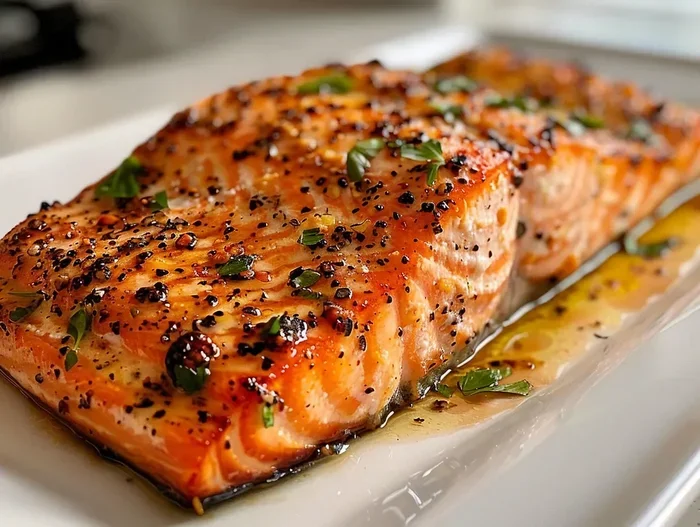
Most chefs and home cooks agree that 400°F is the sweet spot for baking salmon in oven. This temperature cooks the fish quickly enough to keep it moist while still allowing the skin to crisp up. A typical fillet takes about 12 to 15 minutes at this temperature.
If your fillet is thicker, you may need an extra few minutes. Use a meat thermometer to check the internal temperature. The FDA recommends 145°F at the thickest point. But many chefs prefer to pull the salmon at 135°F for a slightly translucent, buttery center.
How Long To Bake Salmon
Baking time depends on the thickness of the fillet and the oven temperature. Here is a quick guide:
- Thin fillets (half-inch thick): 8 to 10 minutes at 400°F
- Standard fillets (three-quarter inch): 12 to 15 minutes at 400°F
- Thick center-cut pieces: 15 to 18 minutes at 400°F
- Whole side of salmon: 20 to 25 minutes at 400°F
Start checking the fish a couple of minutes early. You can always bake it a little longer, but you cannot undo an overcooked fillet. Look for the flesh to turn opaque and flake easily with a fork. That is your signal that it is done.
Common Mistakes To Avoid When Baking Salmon
Even experienced cooks make mistakes when baking salmon. Here are the most common ones and how to avoid them.
Skipping the Liner
Placing salmon directly on a bare pan is asking for trouble. The fish sticks, the skin tears, and cleanup becomes a nightmare. Always use parchment paper, foil, or a silicone mat. It takes five extra seconds and saves you a lot of frustration.
Overcrowding the Pan
If you are baking multiple fillets, give them space. Overcrowding traps steam and creates uneven cooking. Each fillet should have room to breathe. Use two baking sheets if you need to cook a large batch. The extra effort is worth the better results.
Opening the Oven Door Too Often
Every time you open the oven door, you lose heat and temperature drops. This can cause the salmon to cook unevenly. Resist the urge to peek too often. Set a timer and trust the process. Check the fish only once or twice near the end of cooking.
Using Too Much Oil or Butter
A little fat helps with crisping and flavor. But too much oil creates a greasy, soggy result. Use just enough to lightly coat the surface of the fish. A teaspoon or two is usually plenty for a standard fillet.
Expert Tips for Restaurant-Quality Salmon
Want to take your oven-baked salmon to the next level? These expert tips make a noticeable difference.
Score the Skin
Use a sharp knife to make shallow cuts through the skin before baking. This helps the heat penetrate evenly and prevents the fillet from curling up during cooking. It also gives you beautiful presentation pieces.
Add Aromatics Underneath
Place thin slices of lemon, fresh herbs, or garlic cloves under the salmon before baking. As they heat up, they release aromatic steam that infuses the fish with extra flavor. This works especially well with foil or parchment paper setups.
Let It Rest After Baking
Just like steak, salmon benefits from a short rest after coming out of the oven. Let it sit for 3 to 5 minutes before serving. This allows the juices to redistribute throughout the fillet. The result is a moister, more flavorful piece of fish.
Use the Broiler for a Finishing Touch
If you want extra-crispy skin or a caramelized glaze, switch your oven to broil for the last 1 to 2 minutes. Watch it carefully because broiling happens fast. This trick adds a beautiful golden finish that looks and tastes amazing.
Frequently Asked Questions
Can I bake salmon directly on the oven rack without a pan?
Yes, you can place salmon directly on the oven rack for a crispy result. The air circulates fully around the fish, which helps the skin get extra crunchy. Line the rack below with foil to catch drips and make cleanup easier. Just be careful when placing the fillet so it does not fall through.
Is it better to bake salmon with skin on or skin off?
Baking salmon with the skin on is generally better for oven cooking. The skin acts as a natural protective layer and keeps the flesh moist. It also crisps up beautifully when baked on a wire rack or with parchment paper. If you prefer skinless salmon, use parchment paper to prevent the fillet from sticking to the pan.
How do I know when salmon is done in the oven?
The easiest way is to use a meat thermometer. Salmon is done at 145°F internally. But many people prefer to pull it at 135°F for a slightly translucent center that continues cooking after removal. You can also check by gently pressing the top of the fillet. It should feel firm but still give slightly. The flesh should also flake apart easily with a fork.
Can I reuse parchment paper when baking salmon?
It is best to use fresh parchment paper each time. After baking, the paper absorbs grease and may have food residue stuck to it. Reusing it can affect the nonstick performance and may cause the salmon to stick on the second use. Parchment paper is inexpensive, so using a fresh sheet each time ensures the best results.
What temperature should I bake salmon at for the juiciest result?
400°F is the ideal temperature for juicy baked salmon. It cooks the fish fast enough to retain moisture while still allowing the skin to crisp. If you find your salmon drying out, try lowering the temperature to 375°F and extending the baking time slightly. The lower heat cooks the fish more gently and reduces the risk of drying out.
Should I wrap salmon in foil or use parchment paper?
Choose foil if you want moist, tender salmon with a steamed texture. Choose parchment paper if you prefer crispy skin and easier cleanup. Each option works well, but they produce different results. For most home cooks, parchment paper is the more versatile and convenient choice for everyday baking.
Final Thoughts
Getting great salmon out of your oven is easier than you think. The secret starts with what to put salmon on in oven. Whether you choose parchment paper, foil, a wire rack, or a silicone mat, each option has its place in the kitchen. The key is matching your surface to the result you want.
If you love crispy skin, go with a wire rack. If you want easy cleanup, reach for parchment paper. If you prefer moist, tender fish, wrap it gently in foil. And if you want the best of both worlds, try a silicone baking mat.
Pair your surface choice with the right temperature, proper seasoning, and a little patience. Your salmon will turn out perfectly every time. Start with these tips today and you will never go back to guessing again. Happy baking, and enjoy every bite of that beautiful, juicy salmon.