How Long To Cook Ham In A Dutch Oven For Tender Results
Learning how long to cook ham in a Dutch oven is the key to achieving tender, juicy meat every time. A Dutch oven traps heat and moisture perfectly, making it ideal for both bone-in and boneless ham. Whether you prefer a slow, low-temperature roast or a faster high-heat approach, this guide covers everything you need. You will discover exact cooking times, internal temperatures, and simple glazing tips that elevate your ham game. With the right Dutch oven ham recipe, dinner becomes effortless and delicious.
There is something truly special about a perfectly cooked ham. The aroma alone can fill your entire home with warmth and comfort. If you have been searching for the best way to cook ham, you are in the right place. How long to cook ham in a Dutch oven is a question many home cooks ask, and the answer is simpler than you think.
A Dutch oven is one of the most versatile tools in any kitchen. It distributes heat evenly and locks in moisture like nothing else. This means your ham stays juicy and tender from edge to center. Whether you are preparing a holiday feast or a weeknight family dinner, mastering this technique will serve you well. Let us dive into everything you need to know about cooking ham in a Dutch oven.
Key Takeaways
- Cooking Time: A general rule is 15-20 minutes per pound at 325°F for a tender ham.
- Temperature Matters: Always aim for an internal temperature of 140°F for fully cooked ham and 145°F for fresh ham.
- Bone-In vs. Boneless: Bone-in hams take slightly longer but offer more flavor and moisture.
- Glazing Adds Magic: Apply your glaze in the last 20-30 minutes to prevent burning.
- Resting Is Essential: Let your ham rest for 10-15 minutes after cooking for juicier slices.
- Dutch Oven Size: Choose a 6-quart or larger Dutch oven for most whole hams.
- Low and Slow Wins: Lower temperatures over longer periods yield the most tender results.
📑 Table of Contents
- Why Cook Ham In A Dutch Oven?
- How Long To Cook Ham In A Dutch Oven
- Step By Step Dutch Oven Ham Recipe
- Internal Temperature Guide For Ham
- Tips For The Most Tender Ham
- Common Mistakes To Avoid When Cooking Ham
- Delicious Glaze Ideas For Your Dutch Oven Ham
- Storing And Reheating Leftover Ham
- Expert Insights On Cooking Ham In A Dutch Oven
- Key Takeaways
- Frequently Asked Questions
- Conclusion
Why Cook Ham In A Dutch Oven?
You might wonder why a Dutch oven is the go-to choice for cooking ham. The answer lies in its design. A heavy cast iron or enameled pot retains heat beautifully. It creates a sealed environment that circulates moisture around the meat. This natural braising effect keeps your ham moist and flavorful.
Unlike a standard baking pan, a Dutch oven prevents your ham from drying out. The thick walls absorb heat and release it slowly. This gentle, consistent cooking process is exactly what tender ham needs. You also get a beautiful sear on the outside before you even start the slow cooking phase.
Another great reason is convenience. Dutch ovens work on stovetops, in ovens, and even over campfires. You can sear, braise, and roast all in one pot. Less cleanup means more time enjoying your meal. For anyone who loves Dutch oven recipes, this is a no-brainer.
Best Dutch Oven Size For Ham
Choosing the right size Dutch oven matters more than you might think. A pot that is too small will not fit your ham comfortably. A pot that is too large lets the ham dry out because there is not enough moisture trapped inside.
- 6-Quart Dutch Oven: Perfect for most bone-in hams weighing 8-12 pounds.
- 8-Quart Dutch Oven: Ideal for larger hams or bone-in hams over 12 pounds.
- 5-Quart Dutch Oven: Works well for smaller boneless hams under 6 pounds.
Always make sure your ham fits comfortably with at least two inches of space around it. This allows hot air to circulate and cook the meat evenly. If you are unsure, go up a size. Your ham will thank you.
How Long To Cook Ham In A Dutch Oven
The cooking time for ham depends on several factors. The type of ham, the weight, and your chosen temperature all play a role. Here is a general guide to help you plan your cooking schedule.
General Cooking Time Guidelines
For a fully cooked spiral ham or cured ham, plan for about 15 to 20 minutes per pound. This is at a temperature of 325°F. A bone-in ham on the heavier side might need closer to 20 minutes per pound. A lighter boneless ham could be done in 15 minutes per pound.
For fresh, uncooked ham, you need more time. Plan for 20 to 25 minutes per pound at 325°F. Fresh ham is raw pork and needs to reach a safe internal temperature of 145°F. Always use a meat thermometer to check doneness.
Here is a quick reference table for ham cooking time in a Dutch oven:
| Ham Type | Weight | Time Per Pound | Approximate Total Time |
|---|---|---|---|
| Fully Cooked Bone-In | 8 lbs | 18 min | 2 hours 24 min |
| Fully Cooked Boneless | 5 lbs | 15 min | 1 hour 15 min |
| Fresh Bone-In | 10 lbs | 22 min | 3 hours 40 min |
| Fresh Boneless | 6 lbs | 20 min | 2 hours |
These times are guidelines. Every oven is slightly different. Always rely on internal temperature rather than time alone. This is the single most important tip for perfect ham.
Bone-In vs. Boneless Ham Cooking Times
Bone-in hams generally take a bit longer to cook. The bone acts as an insulator, which means the meat around it heats up more slowly. But bone-in ham also has more flavor and tends to stay juicier during cooking.
Boneless ham cooks faster because there is no bone blocking heat penetration. It is also easier to slice and serve. However, boneless ham can dry out more quickly if you are not careful. Wrapping it in foil partway through cooking helps retain moisture.
For the best results with bone-in ham, add 30 minutes to your estimated cooking time. For boneless ham, check it 15 minutes before the estimated finish time. This prevents overcooking and keeps your meat tender.
Step By Step Dutch Oven Ham Recipe
Now let us walk through the actual process. Cooking ham in a Dutch oven is straightforward, but a few details make all the difference. Follow these steps for the best results every time.
Step 1: Prepare Your Ham
Start by removing your ham from the refrigerator about 30 minutes before cooking. Letting it come to room temperature helps it cook more evenly. Remove any packaging and rinse the ham under cold water. Pat it dry with paper towels.
If your ham has a thick layer of fat, you can score it. Use a sharp knife to cut shallow diamonds across the surface. This helps the glaze penetrate the meat and creates a beautiful presentation. Score about a quarter inch deep into the fat layer.
Step 2: Preheat And Sear
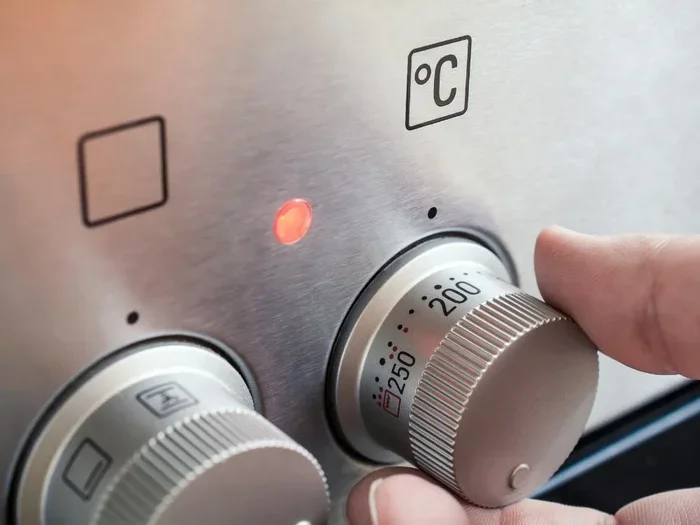
Preheat your oven to 325°F. Place your Dutch oven on the stovetop over medium heat. Add a tablespoon of oil or butter. Once it is hot, place the ham inside, fat side down. Let it sear for about 3 to 4 minutes. This creates a flavorful crust on the bottom.
Flip the ham and sear the other side for another 3 minutes. This step is optional but highly recommended. It adds depth of flavor that you cannot get from skipping it. The sear locks in juices and gives your ham a gorgeous golden color.
Step 3: Add Liquid And Cover
After searing, add about one cup of liquid to the bottom of the Dutch oven. You can use apple cider, chicken broth, or even cola. The liquid creates steam that keeps the ham moist during cooking. Place the lid on your Dutch oven.
Transfer the pot to your preheated oven. Cook according to the time guidelines above. Resist the urge to open the lid too often. Every time you lift the lid, you lose heat and moisture. Trust the process and let the Dutch oven do its work.
Step 4: Apply The Glaze
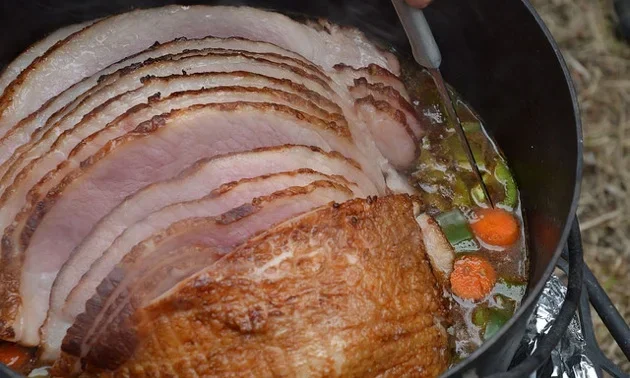
About 20 to 30 minutes before the ham is done, remove the lid. Brush your glaze generously over the entire surface. Popular glaze options include brown sugar and honey, mustard and brown sugar, or pineapple juice and cloves.
Return the ham to the oven uncovered. This allows the glaze to caramelize and form a sticky, delicious coating. The last 20 to 30 minutes of uncovered cooking are what give your ham that restaurant-quality finish.
Step 5: Rest And Serve
Once the ham reaches the right internal temperature, remove it from the oven. Let it rest for at least 10 to 15 minutes before slicing. This allows the juices to redistribute throughout the meat. Skipping this step can result in dry ham.
Tent the ham loosely with foil while it rests. Save the cooking juices from the Dutch oven. You can drizzle them over the slices for extra flavor. Your oven ham is now ready to serve and impress your guests.
Internal Temperature Guide For Ham
Temperature is the most reliable indicator of doneness. Time estimates can vary based on your specific oven and ham size. A good meat thermometer removes all the guesswork from the equation.
Safe Temperatures For Different Ham Types
- Fully Cooked Ham: Heat to 140°F. This is a reheating process. The ham is already cooked and just needs to be warmed through.
- Fresh Ham (Raw): Cook to 145°F. This is the USDA safe temperature for fresh pork.
- Country Ham: These are typically very salty and need soaking first. Cook to 145°F after preparation.
- Smoked Ham: Reheat to 140°F. Most smoked hams are fully cooked and just need warming.
Insert your thermometer into the thickest part of the ham. Avoid touching the bone, as it reads hotter than the surrounding meat. For spiral hams, check multiple sections because the thin parts can overcook quickly.
What Happens If You Overcook Ham?
Overcooked ham becomes dry and tough. The proteins in the meat squeeze out moisture when heated too long. This is why sticking to time guidelines and using a thermometer is so important. If your ham is already cooked, it only needs to be heated, not cooked further.
If you notice your ham drying out, you can add a splash of broth to the Dutch oven and cover it again. This creates steam and helps rescue the moisture level. It is much easier to prevent overcooking than to fix it, so stay attentive.
Tips For The Most Tender Ham
Everyone wants a tender, melt-in-your-mouth ham. These simple tips will help you achieve exactly that. They are easy to follow and make a noticeable difference in your final result.
Use A Slow Low Temperature
Cooking your ham at a lower temperature for a longer time is the secret to tenderness. Some cooks prefer 275°F for extra gentle cooking. This slow approach breaks down the connective tissues in the meat. The result is ham that practically falls apart when you touch it.
If you have the time, try the low-and-slow method. It adds about 30 minutes to your cooking time but delivers incredible results. Your home will smell amazing for hours while the ham slowly roasts to perfection.
Keep The Liquid Level Consistent
Check the liquid level in your Dutch oven halfway through cooking. If it has evaporated significantly, add more broth or water. The steam created by this liquid is what keeps your ham moist from the inside out.
Some cooks like to place a rack at the bottom of the Dutch oven. This lifts the ham above the liquid and allows steam to surround it evenly. This technique works especially well for larger bone-in hams.
Glaze At The Right Time
Applying your glaze too early is a common mistake. The sugars in glazes burn quickly at high temperatures. Wait until the last 20 to 30 minutes to add your glaze. This gives it time to caramelize without turning black and bitter.
You can also apply the glaze in two rounds. Brush on half at the one-hour mark and the other half at the 20-minute mark. This creates a beautifully layered glaze with varying thickness and sweetness.
Let It Rest Before Slicing
Resting your ham after cooking is non-negotiable. When you cut into hot meat immediately, the juices run out onto your cutting board instead of staying in the meat. Ten to fifteen minutes of rest makes a dramatic difference in juiciness.
Cover the ham loosely with foil during resting. This keeps it warm while allowing the steam to settle back into the meat. Your slices will be noticeably more succulent and flavorful.
Common Mistakes To Avoid When Cooking Ham
Even experienced cooks can make mistakes when preparing ham. Knowing what to avoid saves you time, money, and disappointment. Here are the most common errors and how to prevent them.
Skipping The Thermometer
Relying only on cooking time is a risky habit. Ovens vary, hams vary, and altitude affects cooking. A simple instant-read thermometer takes the guesswork out entirely. It costs very little and prevents overcooking every single time.
Using Too High A Temperature
Some people crank the oven to 400°F thinking it will cook faster. This is a mistake. High heat dries out ham quickly. Stick to 325°F for most recipes. If you want to go lower, 275°F works beautifully for a more tender result.
Not Scoring The Fat
Skipping the scoring step means your glaze sits on top and does not penetrate the meat. Scoring creates channels for flavor to reach deep into the ham. It also allows excess fat to render out during cooking, reducing greasiness.
Opening The Lid Too Often
Every time you open the Dutch oven lid, you lose heat and steam. This extends cooking time and can dry out your ham. Trust the process and only open the lid when it is time to check the glaze or temperature.
Forgetting To Let The Ham Rest
Cutting into ham immediately after removing it from the oven is a wasted opportunity. The resting period allows juices to settle and redistribute. Ten minutes of patience leads to a much better eating experience.
Delicious Glaze Ideas For Your Dutch Oven Ham
The glaze is what takes your ham from good to unforgettable. There are countless combinations to try. Here are a few favorites that pair beautifully with any Dutch oven ham recipe.
- Classic Brown Sugar: Mix brown sugar, mustard, and a splash of pineapple juice. Spread it over the ham during the last 30 minutes.
- Honey Maple: Combine honey, pure maple syrup, and a pinch of cinnamon. This creates a rich, sweet caramelized coating.
- Savory Herb: Use olive oil, minced garlic, rosemary, and thyme for a more sophisticated flavor profile.
- Pineapple Bourbon: Reduce pineapple juice with a splash of bourbon and brown sugar for a smoky, tangy glaze.
Apply your chosen glaze in at least two coats. This builds up layers of flavor and creates a beautiful glossy finish. The first coat melts into the meat, and the second coat caramelizes on top for that perfect crust.
Storing And Reheating Leftover Ham
Cooked ham keeps well in the refrigerator for up to 5 days. Store it in an airtight container or wrap it tightly in plastic wrap. You can also freeze leftover ham for up to 3 months. Wrap it in freezer-safe paper and then in foil for best results.
To reheat leftover ham, place it in your Dutch oven with a splash of broth. Cover and heat at 275°F for about 10 to 15 minutes. This gentle reheating method prevents the ham from drying out. You will not even notice it is a leftover.
Leftover ham also works wonderfully in soups, casseroles, and sandwiches. The flavor actually improves after a day in the fridge as the spices meld together. Do not hesitate to get creative with your leftovers.
Expert Insights On Cooking Ham In A Dutch Oven
Professional chefs and cooking instructors agree on a few key principles when it comes to cooking ham in a Dutch oven. These insights come from years of experience and can elevate your cooking significantly.
Chef Maria Torres, a seasoned culinary instructor, always emphasizes the importance of searing. She says, “The sear builds a flavor foundation that no amount of glazing can replicate. It is the first step to a truly great ham.” This simple step adds a depth of savory flavor that makes a noticeable difference in the final dish.
Another expert tip comes from food scientist James Chen. He explains that the even heat distribution of a Dutch oven reduces the risk of hot spots. “This means your ham cooks uniformly from all sides,” he says. “You get consistent texture throughout, which is harder to achieve in a thin baking pan.”
These professional insights reinforce what home cooks have known for generations. The Dutch oven is a timeless tool that produces exceptional results. Whether you are a beginner or a seasoned cook, this method will consistently deliver tender ham that impresses everyone at the table.
Key Takeaways
- Cooking Time: Plan for 15-20 minutes per pound at 325°F for fully cooked ham, and 20-25 minutes per pound for fresh ham.
- Internal Temperature: Use a meat thermometer. Fully cooked ham should reach 140°F, and fresh ham should reach 145°F.
- Bone-In Ham: Takes slightly longer than boneless but offers more flavor and moisture retention.
- Glaze Timing: Apply your glaze during the last 20-30 minutes of cooking to prevent burning.
- Resting Period: Always let your ham rest for 10-15 minutes after cooking for the juiciest slices.
- Dutch Oven Size: Choose a pot that gives your ham at least two inches of clearance on all sides.
- Low and Slow: Lower temperatures over longer periods yield the most tender and flavorful results.
Frequently Asked Questions
Can I cook a frozen ham in a Dutch oven?
Yes, you can cook a frozen ham in a Dutch oven, but it will take significantly longer. Plan for about 50% more cooking time than you would for a thawed ham. It is best to thaw your ham overnight in the refrigerator for more even cooking. Thawing helps the ham cook consistently from edge to center.
What temperature should I cook ham in a Dutch oven?
The recommended temperature for cooking ham in a Dutch oven is 325°F. This moderate heat allows the ham to cook evenly without drying out. For a more tender result, you can lower the temperature to 275°F and extend the cooking time. Always use a meat thermometer to check that the internal temperature reaches 140°F for fully cooked ham.
How do I know when my ham is done?
The most reliable way to know your ham is done is by checking the internal temperature with a meat thermometer. Fully cooked ham should reach 140°F, while fresh ham needs to reach 145°F. The meat should also pull away slightly from the bone, and the juices should run clear when you pierce the thickest part.
Should I cover my ham while cooking in a Dutch oven?
Yes, cover your ham for most of the cooking time. The lid traps moisture and creates a steaming effect that keeps the ham juicy. Remove the lid for the last 20 to 30 minutes to allow the glaze to caramelize. This covered-then-uncovered method gives you the best of both worlds.
How long does it take to cook a 10-pound ham in a Dutch oven?
A 10-pound fully cooked ham typically takes about 3 to 3.5 hours at 325°F. This translates to roughly 18 to 20 minutes per pound. Bone-in hams at this weight may take the full 20 minutes per pound. Always verify doneness with a meat thermometer rather than relying solely on time estimates.
Can I use a Dutch oven on the stovetop to cook ham?
Yes, you can sear your ham on the stovetop before transferring it to the oven. This initial sear adds flavor and creates a beautiful crust. Most Dutch ovens are stovetop-safe and oven-safe, making them perfect for this two-step cooking process. Just make sure your Dutch oven is rated for oven use at 325°F or higher.
Conclusion
Cooking ham in a Dutch oven is one of the most rewarding things you can do in the kitchen. The process is simple, the results are incredible, and the aroma alone makes it all worthwhile. Now that you know how long to cook ham in a Dutch oven, you can confidently prepare ham for any occasion.
Remember to use a meat thermometer, let your ham rest before slicing, and choose a glaze that suits your taste. These small efforts make a huge difference in the final dish. Whether you are cooking a spiral ham for Easter, a fresh ham for a family gathering, or leftover ham for a cozy weeknight meal, your Dutch oven will deliver every time.
Start with the tips and techniques in this guide, and you will be well on your way to cooking ham that is juicy, tender, and full of flavor. Your family and guests will keep coming back for more. Happy cooking, and enjoy every delicious bite of your perfectly roasted ham.