Can You Put Aluminum Foil Directly On Oven Rack Safely
Yes, you can put aluminum foil directly on the oven rack, but there are important safety rules to follow. Placing foil on the rack can help catch drips, reflect heat, and make cleanup easier. However, blocking airflow or touching heating elements can cause oven damage, uneven cooking, or even fire hazards. This guide covers everything you need to know about using foil on oven racks safely and the best alternatives.
Have you ever stood in front of your oven, holding a sheet of shiny aluminum foil, wondering if it is safe to place it directly on the rack? You are not alone. This is one of the most common kitchen questions home cooks ask. The short answer is yes. But the full answer comes with some important caveats. Using foil on your oven rack can be helpful. It can also be risky if you do it wrong. This article breaks down everything you need to know about putting foil on oven racks. You will learn the safe ways, the dangers to avoid, and better alternatives.
Many people use aluminum foil to line their oven racks. They do it to catch food drips. They do it to make cleanup faster. Some use it to wrap food for roasting. But not all foil-on-rack methods are equal. Some practices can damage your oven. Others can affect how your food cooks. Understanding the right way to use foil in your oven matters. It keeps your food safe. It protects your appliance. And it saves you from costly repairs. Let us dive into the details.
Key Takeaways
- It is generally safe: You can place aluminum foil directly on the oven rack for specific purposes like catching drips and reflecting heat.
- Never block airflow: Covering the entire rack with foil restricts heat circulation and leads to uneven cooking.
- Keep distance from heating elements: Foil touching the top or bottom heating elements can cause sparking or fire.
- Use the right type: Standard household aluminum foil works best. Avoid heavy-duty foil for lining unless needed for specific tasks.
- Alternatives exist: Parchment paper, silicone baking mats, and disposable aluminum pans offer safer and easier options.
- Temperature matters: Avoid using foil at very high temperatures (above 400°F) for extended periods.
- Clean-up becomes easier: Foil on the rack catches spills and saves you from scrubbing the oven bottom.
📑 Table of Contents
- Can You Put Aluminum Foil Directly On Oven Rack?
- Risks of Putting Foil Directly On the Oven Rack
- Safe Guidelines for Using Foil on Oven Racks
- Comparison: Foil vs. Alternatives for Oven Rack Lining
- Best Practices for Different Cooking Methods
- Does Oven Type Matter?
- Environmental and Health Considerations
- How to Clean Your Oven After Using Foil
- Conclusion
Can You Put Aluminum Foil Directly On Oven Rack?
The short answer is yes. You can place aluminum foil directly on the oven rack. But the longer answer is more nuanced. It depends on what you are trying to achieve. It depends on how you position the foil. And it depends on what type of oven you have. Understanding these factors helps you use foil safely and effectively.
Aluminum foil is a thin sheet of aluminum metal. It is heat resistant up to very high temperatures. Standard foil can handle temperatures up to 400 to 450 degrees Fahrenheit. Heavy-duty foil can handle even more. This makes it a popular choice for oven use. People use it for lining. They use it for wrapping. They use it for covering dishes. Each use case has its own safety considerations.
When you place foil directly on the oven rack, it acts as a catch tray. It catches drips and crumbs. It prevents food residue from sticking to the bottom of your oven. This makes cleaning much easier. It also reflects heat back toward the food. This can help with even cooking in some cases. But there are limits. And knowing those limits is crucial for kitchen safety.
Why People Use Foil on Oven Racks
There are several reasons home cooks reach for aluminum foil. Understanding these reasons helps you decide if this method works for your situation.
- Catching drips and spills: When you roast meat or bake something that drips, foil catches everything. This keeps your oven clean.
- Easy cleanup: After cooking, you simply remove the foil. No scrubbing the oven bottom. No soaking racks. Just toss the foil and you are done.
- Heat reflection: Foil reflects heat. This can help foods cook more evenly, especially on the bottom.
- Protecting food from burning: Foil can shield delicate foods from direct heat. This prevents over-browning or burning.
- Wrapping food for roasting: Many recipes call for wrapping vegetables or meats in foil. This traps moisture and flavors.
When It Is Safe to Put Foil on the Rack
There are specific situations where placing foil on the oven rack is perfectly safe. Here are the most common scenarios.
- Roasting meat: Placing foil on the rack below your roast catches dripping juices. It prevents smoke and makes cleanup a breeze.
- Baking cookies or pastries: A foil-lined rack can catch overflow and drips from baked goods.
- Cooking foods that stick: Some foods stick badly to racks. Foil prevents this and makes removal easy.
- Broiling with a catch tray: When broiling, foil catches everything that falls. This is especially useful for fatty meats.
Expert Insight
According to appliance experts, the safest way to use foil on an oven rack is as a loose cover or a partial liner. Do not wrap the entire rack tightly. Leave gaps for air to flow. This ensures your oven works as designed while still catching drips and spills.
Risks of Putting Foil Directly On the Oven Rack
While foil on the oven rack has its benefits, there are real risks. Understanding these dangers helps you avoid accidents. Safety should always come first in the kitchen.
Blocking Airflow and Heat Circulation
Your oven relies on airflow to cook food evenly. When you cover the entire rack with foil, you block this airflow. Heat cannot circulate properly. This leads to uneven cooking. Some parts of your food may burn while others stay raw. It also forces your oven to work harder. This uses more energy and can strain the heating elements over time.
Blocked airflow is one of the most common mistakes people make. They lay a flat sheet of foil across the entire rack. This creates a barrier. Hot air gets trapped above the foil. It cannot move freely. The result is soggy bottoms on baked goods. Unevenly cooked roasts. And longer cooking times.
Touching Heating Elements
This is one of the biggest dangers. If foil touches the heating elements, it can cause sparking. The aluminum reacts with the electrical heat. This can lead to small fires. In gas ovens, foil can block the flame ports. This disrupts the burner’s performance. It can also cause uneven flames that damage your cookware.
Always make sure foil stays away from the top and bottom heating elements. Keep at least a few inches of clearance. This simple step prevents most foil-related oven accidents.
Foil Sticking to Food
When foil touches food directly, it can stick. This is especially true with acidic foods like tomatoes or citrus. The acid reacts with the aluminum. It can cause tiny pieces of foil to peel off and stick to your food. Not only does this affect the taste. It can also be a choking hazard. Nobody wants to bite into a piece of foil.
Chemical Leaching Concerns
Some studies have raised concerns about aluminum leaching into food. When foil is exposed to high heat, especially with acidic or salty foods, small amounts of aluminum can transfer. While the amounts are generally considered safe, people with kidney issues or aluminum sensitivities should be cautious. Using foil for short cooking times reduces this risk significantly.
Safe Guidelines for Using Foil on Oven Racks
Now that you know the risks, let us talk about how to use foil safely. Following these guidelines keeps you and your family safe. It also gets the best results from your cooking.
Step-by-Step: How to Properly Place Foil on the Rack
- Choose the right foil: Use standard aluminum foil. Heavy-duty foil is fine for specific tasks but can be too rigid for loose lining.
- Cut a sheet larger than the rack: This gives you room to shape the foil around the rack edges.
- Create a loose drape: Do not wrap the foil tightly around the rack. Leave it loose so air can flow underneath.
- Leave gaps on the sides: Allow at least one to two inches of open space on each side for airflow.
- Do not cover the entire surface: Only cover the center portion where drips will fall.
- Keep foil away from heating elements: Maintain a safe distance from the top and bottom elements.
- Remove after cooking: Do not leave foil in the oven during self-cleaning cycles. The extreme heat can damage the foil and the oven.
Quick Tips for Foil Use
- Use foil only for lining purposes: Do not use foil to wrap the entire rack. This restricts airflow and creates safety hazards.
- Shiny side up or down does not matter: Despite popular belief, the shiny side has no effect on cooking performance.
- Dispose of foil after use: Foil is single-use for oven lining. Reusing it reduces its effectiveness and can leave residue.
- Check your oven manual: Some oven manufacturers explicitly advise against using foil on racks. Always check first.
- Use oven mitts: Foil gets very hot. Always use protective gloves when removing it from the oven.
Common Mistakes to Avoid
- Lining the entire oven bottom with foil: This blocks airflow from the bottom element and can cause overheating.
- Using foil at extreme temperatures: Avoid sustained temperatures above 400 degrees Fahrenheit with standard foil.
- Wrapping foil tightly around the rack: This creates a sealed barrier that traps heat unevenly.
- Letting foil touch the walls or elements: Even small contact points can cause sparking or discoloration.
- Using foil in a convection oven: Convection ovens rely on fan-driven airflow. Foil can disrupt this and cause uneven cooking or fan damage.
Comparison: Foil vs. Alternatives for Oven Rack Lining
There are several alternatives to using aluminum foil on oven racks. Each has its own pros and cons. Let us compare them side by side.
| Method | Safety | Ease of Use | Cleanup | Heat Distribution | Cost |
|---|---|---|---|---|---|
| Aluminum Foil | Moderate (if used correctly) | Easy | Very Easy | Can block airflow | Low |
| Parchment Paper | High (up to 450°F) | Easy | Very Easy | Good | Low to Medium |
| Silicone Baking Mat | Very High | Easy | Easy | Excellent | Medium (reusable) |
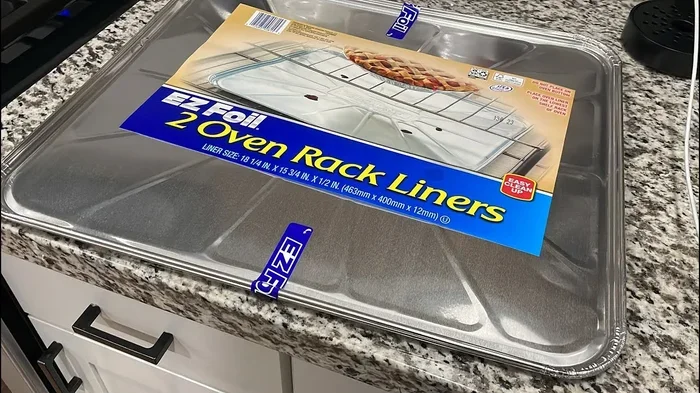
| Disposable Aluminum Pan | High | Easy | Easy | Good | Low |
| No Liner (bare rack) | Safest | No prep | Harder | Best | Free |
Each option serves a different purpose. Parchment paper is great for baking because it allows airflow and prevents sticking. Silicone mats are reusable and eco-friendly. Disposable aluminum pans work well for catching drips during roasting. The bare rack gives the best heat distribution but requires more cleaning effort.
Best Practices for Different Cooking Methods
Roasting Meats
When roasting meat, placing foil on the rack below is a smart move. It catches all the juices and drippings. This prevents smoke and keeps your oven clean. Shape the foil loosely into a tray-like form. Do not press it flat against the rack. Leave some room for air to pass through. After cooking, simply lift the foil and discard it. The cleanup takes seconds.
Baking Cookies and Pastries
For baking, parchment paper is usually a better choice than foil. Parchment allows heat to circulate evenly around the cookies. Foil can create hot spots that lead to uneven browning. If you must use foil, make sure it is loose and does not cover the entire rack. This preserves the airflow your cookies need for even baking.
Broiling
Broiling uses intense top-down heat. Placing foil on the lower rack to catch drips works well here. The foil protects the oven bottom from charred food residue. Keep the foil loose and away from the top heating element. Broiling times are short, so foil exposure is minimal. This makes it one of the safer uses for foil on oven racks.
Reheating Leftovers
When reheating food, foil can help keep things moist. Wrap leftovers loosely in foil before placing them on the rack. The foil reflects heat back toward the food. This warms food evenly without drying it out. Just make sure the foil does not touch the heating elements.
Does Oven Type Matter?
Yes, the type of oven you have matters. Different oven designs handle foil differently. Let us look at the most common types.
Conventional Electric Ovens
Standard electric ovens handle foil well. The heating elements are usually at the top and bottom. As long as you keep foil away from these elements, you are safe. Conventional ovens use static heat. Foil can actually help reflect heat in these ovens. Just remember to keep airflow in mind.
Convection Ovens
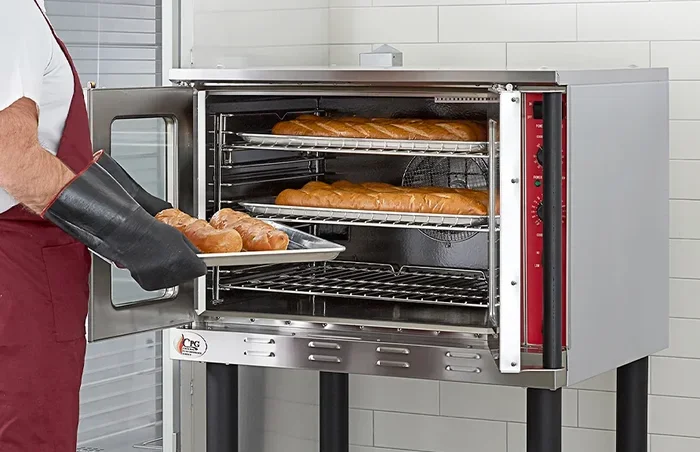
Convection ovens use a fan to circulate hot air. This fan is essential for even cooking. Placing foil inside a convection oven can disrupt the airflow. It can block the fan or create turbulence. This leads to uneven cooking results. Many manufacturers recommend avoiding foil in convection ovens altogether. If you must use it, keep it minimal and never block the fan opening.
Gas Ovens
Gas ovens have open flame burners. Foil can block the gas ports on these burners. This disrupts the flame pattern. An uneven flame can cause hot spots. It can also be a safety hazard. Never place foil over or near gas burner ports. If you need to catch drips, use a disposable aluminum pan instead.
Key Takeaways
- Conventional ovens: Foil works well when used properly and kept away from elements.
- Convection ovens: Avoid foil or use it very sparingly to prevent airflow disruption.
- Gas ovens: Never place foil near burner ports or flame areas.
Environmental and Health Considerations
Using aluminum foil in the oven raises some environmental and health questions. Let us look at both sides.
From an environmental standpoint, aluminum foil is recyclable. However, food-contaminated foil often ends up in landfills. It does not break down easily. If you use foil frequently, consider switching to reusable silicone mats. These last for years and produce far less waste.
Health-wise, aluminum exposure from cooking has been studied extensively. The amounts that leach into food are generally small. Most health organizations consider them safe. However, if you cook with foil every day, especially with acidic foods, you may want to reduce your use. Alternatives like parchment paper and silicone mats eliminate this concern entirely.
How to Clean Your Oven After Using Foil
Even with foil, your oven may still need occasional cleaning. Here are some quick tips.
- Remove foil immediately after cooking: Do not leave it in the oven while it cools. This prevents residue from bonding to the oven surface.
- Wipe the rack with a damp cloth: Even with foil, some residue may transfer. A quick wipe keeps racks clean.
- Use oven cleaner for stubborn spots: If food has baked onto the oven bottom despite foil, a commercial oven cleaner helps.
- Try a baking soda paste: Mix baking soda with water to form a paste. Apply it to tough spots and let it sit for 30 minutes. Wipe clean with a damp cloth.
- Run a self-clean cycle sparingly: Never use foil during self-cleaning. The extreme heat can melt foil and damage the oven interior.
Conclusion
So, can you put aluminum foil directly on the oven rack? Yes, you can. It is a common and generally safe practice when done correctly. The key is to use foil loosely. Keep it away from heating elements. Do not cover the entire rack. And always follow your oven manufacturer’s guidelines.
Foil on the oven rack is a great tool for catching drips. It makes cleanup faster and easier. It can also help with heat reflection for certain cooking tasks. But it is not the only option. Parchment paper, silicone mats, and disposable aluminum pans all offer great alternatives.
The most important thing is to cook safely. Understand the risks. Follow the guidelines. And always use your best judgment. With the right approach, aluminum foil becomes a helpful kitchen companion rather than a hazard. Next time you preheat your oven, you will know exactly how to use foil safely and effectively.
Remember, the goal is to enjoy your cooking. Keep things simple. Keep things safe. And keep your oven running at its best for years to come.
Frequently Asked Questions
Is it safe to put aluminum foil on the bottom of the oven?
It is generally not recommended to line the bottom of the oven with foil. This can block airflow and cause overheating. It can also trap heat against the oven floor, potentially damaging the interior. Use a disposable aluminum pan on the lowest rack instead if you need to catch drips.
What temperature can aluminum foil withstand in the oven?
Standard aluminum foil can handle temperatures up to 400 to 450 degrees Fahrenheit. Heavy-duty foil may withstand slightly higher temperatures. However, it is best to avoid sustained high heat above 400 degrees. Always check your oven manual for specific guidance on foil use.
Can you put aluminum foil on the oven rack when broiling?
Yes, you can place foil on the lower rack when broiling. This catches drips and prevents smoke. Just make sure the foil stays away from the top heating element. Keep it loose and never let it touch the element directly.
Will aluminum foil ruin my oven rack?
Foil will not ruin your oven rack if used properly. However, leaving foil on the rack for extended periods or at high temperatures can cause discoloration or residue buildup. Remove the foil after each use and clean the rack regularly to maintain its condition.
Can you reuse aluminum foil that has been on the oven rack?
It is best to use fresh foil each time. Reused foil may have residue that can transfer to your food. It also loses some of its effectiveness as a liner. For best results and food safety, use a new sheet of foil for each cooking session.
What is the best alternative to aluminum foil for oven rack lining?
Parchment paper is the most popular alternative. It is safe up to 450 degrees and allows good airflow. Silicone baking mats are another excellent option. They are reusable, eco-friendly, and provide even heat distribution. Both alternatives are safer and more convenient than foil for most cooking tasks.