How To Cook Rib Eye Steaks In The Oven Like A Champion
Cooking rib eye steaks in the oven is one of the simplest ways to get restaurant-quality results at home. This guide walks you through every step, from choosing the perfect cut to nailing the ideal internal steak temperature. You’ll learn proven oven steak recipes, essential prep tips, and the best methods for a juicy, tender steak every single time.
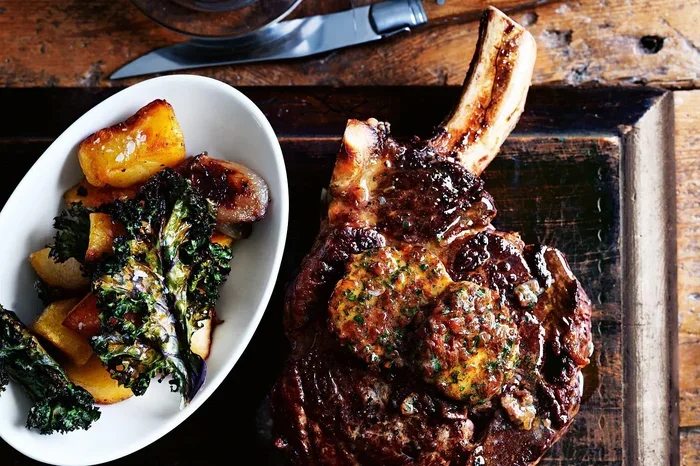
There’s something deeply satisfying about pulling a perfectly cooked rib eye steak out of the oven. The aroma fills the kitchen, the outside has a gorgeous golden-brown crust, and the inside is juicy and tender. It’s the kind of meal that makes you feel like a champion chef, even if you’re standing in your pajamas at home.
If you’ve been wondering how to cook rib eye steaks in the oven like a champion, this guide is for you. I’ll walk you through every single step with clear, practical advice. No fancy equipment needed. No confusing jargon. Just straightforward techniques that deliver juicy, flavorful steak every time you fire up the oven.
Cooking rib eye steaks in the oven gives you a huge advantage over the stovetop. The oven surrounds the meat with consistent, even heat. There are no hot spots to worry about. You get a beautifully seared exterior and a perfectly pink interior without standing over a hot pan flipping steaks every few seconds.
Whether you’re planning a special steak dinner for two or cooking for a crowd, the oven method is your best friend. It’s forgiving, it’s reliable, and once you master the basics, you can adjust times and temperatures to suit your personal taste. Let’s dive into everything you need to know.
Key Takeaways
- Choose the Right Thickness: A 1.5 to 2-inch rib eye steak cooks more evenly in the oven and gives you better control over steak doneness.
- Bring Steak to Room Temperature: Letting your beef steak sit out for 30 to 45 minutes before cooking ensures even cooking throughout.
- Use a Meat Thermometer: This is the single most important tool for hitting the perfect internal steak temperature every time.
- Rest Your Steak: Giving your steak resting time of at least 5 to 10 minutes keeps all those delicious steak juices inside.
- Sear Before or After: Both the reverse sear and traditional sear methods work great for oven-cooked ribeye steak.
- Season Simply: Quality salt, pepper, garlic, and a touch of butter create an incredible steak seasoning blend.
- Oven Temperature Matters: 275°F for low-and-slow or 450°F for a faster cook — both deliver excellent results when done right.
📑 Table of Contents
- Why Oven-Cooked Rib Eye Steaks Are Worth It
- Choosing the Best Rib Eye Steak for Oven Cooking
- Essential Prep Work and Seasoning
- The Best Oven Methods for Perfect Steak
- Resting and Serving Your Steak Like a Pro
- Common Mistakes to Avoid When Cooking Steak in the Oven
- Expert Insights for Next-Level Oven Steak
- Final Thoughts
Why Oven-Cooked Rib Eye Steaks Are Worth It
The oven method for cooking beef steak has been around for a long time, and for good reason. It produces consistently excellent results that are hard to replicate with other methods. Here’s why so many home cooks and professional chefs swear by it.
Even Heat Distribution
When you cook a ribeye steak on the stovetop, the heat comes from below only. That creates a gradient where the bottom is more cooked than the top. The oven solves this problem completely. The hot air wraps around the entire piece of meat, cooking it evenly on all sides.
This means you get a uniform steak doneness from edge to edge. No more overcooked edges with a raw center. No more flipping and praying. The oven does the work for you.
Better Control Over Doneness
One of the biggest challenges with stovetop cooking is timing. A seared steak can go from perfect to overdone in under a minute. The oven gives you a wider window of control. You set the temperature, put the steak in, and monitor it with a meat thermometer.
This is especially helpful for thicker cuts. A 2-inch rib eye steak can be tricky on the stovetop because the outside burns before the inside reaches the right temperature. In the oven, the gentle heat penetrates evenly, giving you a much better result.
Less Stress, More Flavor
Let’s be honest. Cooking steak on the stovetop can feel stressful. You’re managing heat, timing, and flipping all at once. The oven method takes a lot of that pressure away. You can prep your steak seasoning, get everything ready, and then just pop the steak in and wait.
And here’s the best part. The oven method actually enhances flavor. The low heat slowly renders the fat in the rib eye steak, creating a richer taste. The steak crust that forms on the outside locks in all those steak juices and gives you that irresistible caramelized flavor.
Choosing the Best Rib Eye Steak for Oven Cooking
The foundation of a great oven steak recipe starts with picking the right cut. Not all rib eye steaks are created equal, and your choice will make a big difference in the final result.
Thickness Is Everything
For oven cooking, thickness matters more than almost anything else. Look for steaks that are at least 1.5 inches thick. The sweet spot is between 1.5 and 2 inches. Thinner steaks tend to overcook in the oven, while thicker ones give you room to work with.
When you buy a rib eye steak, check the thickness before you purchase. Butchers often have thicker cuts available if you ask. A thicker steak also means more steak juice and a more satisfying eating experience.
Marbling and Color
Look for rib eye steak with good marbling. Those thin white lines of fat running through the meat are what give rib eye its signature rich flavor. When the steak cooks, this fat melts and bastes the meat from the inside out.
The color should be a deep reddish-pink. Avoid steaks that look brown or gray, as this usually means they’ve been sitting too long. Fresh beef steak with bright color will always taste better and have a better texture after cooking.
Bone-In vs. Boneless
Both bone-in and boneless ribeye steak work great in the oven. Bone-in steaks have a slight edge in flavor because the bone radiates heat and adds a deeper, more complex taste during cooking.
Boneless steaks are easier to cut and eat, and they tend to cook a bit more evenly. For beginners, a boneless rib eye steak about 1.5 to 2 inches thick is the easiest choice. You can always experiment with bone-in cuts once you’ve nailed the basics.
Essential Prep Work and Seasoning
Great oven-baked steak starts long before the steak hits the oven rack. The prep work and seasoning are just as important as the cooking itself. Here’s how to set yourself up for success.
Bring the Steak to Room Temperature
This is the step most people skip, and it makes a huge difference. Take your rib eye steak out of the fridge 30 to 45 minutes before cooking. Let it sit on the counter uncovered.
When a cold steak goes straight into a hot oven, the outside cooks much faster than the inside. By bringing it to room temperature first, you get more even cooking from edge to edge. The steak cooking temperature rises gradually and consistently, which is exactly what you want.
Simple but Effective Seasoning
You don’t need a complicated steak marinade for oven-cooked rib eye. In fact, simple seasoning lets the natural flavor of the beef shine. Here’s what works beautifully:
- Kosher salt — about 1 teaspoon per side, applied 40 minutes before cooking
- Freshly cracked black pepper — generous amount on both sides
- Garlic powder — a light sprinkle for extra depth
- Smoked paprika — optional, adds a subtle smokiness
Apply the salt first and let it sit. The salt draws out moisture, dissolves, and then gets reabsorbed into the meat. This creates a beautifully seasoned crust and a juicy interior. Add the pepper and other spices right before cooking so they don’t burn.
Optional: A Quick Steak Marinade
If you want to experiment, a simple steak marinade with olive oil, minced garlic, fresh rosemary, and a splash of soy sauce adds incredible depth. Marinate the steak for 30 minutes to 2 hours. Just don’t go longer than 4 hours, or the acid in the marinade can change the texture of the meat.
Pat the steak dry before seasoning if you’ve used a marinade. Surface moisture prevents a good steak crust from forming, so always start with a dry surface.
The Best Oven Methods for Perfect Steak
There are two main approaches for cooking rib eye steaks in the oven. Both produce excellent results, but they work differently. Let’s look at each one so you can choose the method that fits your style.
Method 1: The Reverse Sear
The reverse sear is my favorite method for oven-cooked rib eye steak. You cook the steak low and slow in the oven first, then finish with a hot sear on the stovetop. This gives you the most even doneness and an incredible crust.
Here’s how it works. Preheat your oven to 275°F. Place your seasoned rib eye steak on a wire rack set over a baking sheet. The wire rack is important because it allows air to circulate around the steak, cooking it evenly on all sides.
Cook the steak in the oven until it reaches about 10 to 15 degrees below your target internal temperature. For a medium-rare oven-baked steak, that means pulling it out at around 115°F to 120°F. Use your meat thermometer to check.
Then, heat a cast iron skillet over high heat with a bit of oil. Sear the steak for 60 to 90 seconds per side. You’ll hear that beautiful sizzle and watch the steak crust form instantly. Let the steak rest for at least 5 minutes before slicing.
Method 2: The High-Heat Oven Sear
This method is faster and works well for steaks that are 1.5 inches thick or less. Preheat your oven to 450°F. Season your ribeye steak as described above.
Place the steak directly on a wire rack or in an oven-safe skillet. Cook for about 10 to 15 minutes, flipping halfway through, until the internal steak temperature is 5 degrees below your target. For medium-rare, pull it out at 130°F.
The high heat creates a nice crust on the outside without needing a separate stovetop sear. This method is great when you want dinner on the table in under 20 minutes.
Which Method Should You Choose?
The reverse sear gives you more precision and a better crust, but it takes longer. The high-heat method is faster and simpler. For a special steak dinner where you want to impress, go with the reverse sear. For a quick weeknight meal, the high-heat method wins.
Both methods produce a tender, juicy rib eye steak with a beautiful steak crust. The key is using a meat thermometer and not relying on time alone. Every oven is different, and every steak is a slightly different thickness.
Oven Temperature and Time Guide
Here’s a quick reference for cooking rib eye steaks in the oven using the reverse sear method at 275°F:
- 1-inch thick steak: 15 to 18 minutes for medium-rare
- 1.5-inch thick steak: 20 to 25 minutes for medium-rare
- 2-inch thick steak: 25 to 30 minutes for medium-rare
- 2.5-inch thick steak: 30 to 35 minutes for medium-rare
These times are approximate. Always use a meat thermometer to check the internal steak temperature. The steak will continue to rise a few degrees after you take it out of the oven, which is called carryover cooking.
Understanding Steak Doneness Temperatures
Knowing your target temperatures is essential for cooking beef steak perfectly every time. Here’s a quick guide to steak doneness temperatures for rib eye steak:
- Rare: 120°F to 125°F internal temperature
- Medium-Rare: 130°F to 135°F internal temperature
- Medium: 140°F to 145°F internal temperature
- Medium-Well: 150°F to 155°F internal temperature
- Well-Done: 160°F and above
Most steak lovers prefer medium-rare because it offers the best balance of flavor and juiciness. The steak juice stays locked inside, and the meat has a beautiful pink center. Remember, pull the steak 5 degrees below your target because the temperature will rise during the resting period.
Resting and Serving Your Steak Like a Pro
You’ve cooked the steak. The oven-baked steak looks perfect. But before you cut into it, there’s one more critical step: resting. Skipping this step is the most common mistake home cooks make.
Why Resting Matters
When a rib eye steak is cooking, the heat pushes the juices toward the center. If you cut into it immediately, all those steak juices run out onto the cutting board instead of staying in the meat. The result is a dry, less flavorful steak.
By letting the steak rest, the juices redistribute throughout the meat. When you finally take that first bite, every fiber is succulent and full of flavor. The steak resting time matters just as much as the cooking time.
How Long to Rest Your Steak
Let your ribeye steak rest for at least 5 to 10 minutes after cooking. Place it on a warm plate and tent it loosely with aluminum foil. The foil keeps the steak warm without trapping too much steam, which could soften the steak crust.
For thicker steaks that were cooked using the reverse sear, give them a full 10 minutes. The longer the steak cooked, the more time it needs to rest. Think of it as the steak catching its breath before the big moment.
Slicing and Serving Tips
When you’re ready to serve, use a sharp knife and slice against the grain. The grain is the direction of the muscle fibers in the meat. Cutting against it shortens those fibers and makes each bite more tender.
Serve your seared steak with a little flaky salt on top. This adds a final burst of flavor and a pleasant crunch. Pair it with simple sides like roasted vegetables, garlic mashed potatoes, or a fresh green salad. The steak is the star of the show, so let it shine.
Quick Tips for the Perfect Steak Dinner
- Warm your plates in the oven for 5 minutes before serving
- Add a pat of butter to the resting steak for extra richness
- Slice against the grain for maximum tenderness
- Use a sharp knife — dull knives tear the meat instead of cutting cleanly
- Serve immediately after slicing for the best texture and temperature
Common Mistakes to Avoid When Cooking Steak in the Oven
Even experienced cooks make mistakes. Knowing what to avoid will save you from a disappointing rib eye steak and help you improve faster.
Skipping the Room Temperature Step
This is the number one mistake people make. Putting a cold steak straight from the fridge into a hot oven creates a huge temperature gap. The outside overcooks while the inside struggles to catch up. Always give your beef steak time to come to room temperature first.
Not Using a Meat Thermometer
guessing doneness by time alone is a recipe for inconsistency. Every oven runs differently, and every steak varies in thickness. A meat thermometer takes the guesswork out completely. It’s the difference between a mediocre steak and a perfect one.
Overcooking the Steak
It’s easy to go a few minutes too far, especially with the high-heat method. Remember that carryover cooking adds 5 to 10 degrees after you pull the steak out. If you want medium-rare, pull the steak at 125°F to 130°F. That extra patience pays off with a juicier result.
Cutting Into the Steak Too Soon
We’ve all done it. The steak looks amazing, and you want to dig in right away. But cutting too early releases all those precious steak juices. Be patient. Let the steak rest, and you’ll be rewarded with a much better eating experience.
Using the Wrong Pan or Rack
For the reverse sear, always use a wire rack. Placing the steak directly on a baking sheet traps moisture underneath and prevents a good crust from forming. A cast iron skillet works great for the final sear, but don’t skip the wire rack for the oven portion.
Over-Salting or Using Too Much Oil
Salt is essential, but too much can draw out too much moisture and make the surface soggy. A moderate amount of salt applied in advance works best. As for oil, you only need a thin coating for the sear. Too much oil can cause flare-ups and uneven cooking.
Ignoring the Steak’s Natural Flavor
A great rib eye steak doesn’t need a lot of fancy ingredients to shine. Keep the seasoning simple and let the quality of the meat speak for itself. Overcomplicating your steak seasoning can mask the natural flavor of the beef.
Expert Insights for Next-Level Oven Steak
Once you’ve mastered the basics, these expert tips will take your oven steak recipe to the next level.
Dry Brine for Extra Flavor
Dry brining means salting the steak and letting it rest uncovered in the fridge for 12 to 24 hours before cooking. The salt draws out moisture, dissolves, and then gets reabsorbed. This seasons the steak deeply and creates a drier surface that browns better in the oven.
Add Fresh Herbs During the Sear
When you sear your rib eye steak in the cast iron skillet, add sprigs of fresh rosemary and thyme to the hot oil. The herbs sizzle and infuse the oil with aromatic flavor that transfers to the steak. This simple trick adds a restaurant-quality depth of flavor.
Finish with Compound Butter
After your steak rests, place a spoonful of compound butter on top. Mix softened butter with minced garlic, fresh parsley, and a pinch of salt. As it melts over the hot steak, it adds richness and a glossy finish that looks and tastes incredible.
Experiment with Different Wood Pellets for Smoking
If you want to add a subtle smoky flavor, try adding a few wood pellets or a chunk of wood chips to a foil packet in the oven during the low-and-slow phase. Hickory and cherry wood pair beautifully with rib eye steak.
Final Thoughts
Cooking rib eye steaks in the oven is one of the most rewarding skills you can develop in the kitchen. It’s forgiving, it’s consistent, and it delivers results that rival any steakhouse. The key is to pay attention to the details — thickness, temperature, seasoning, and resting time.
Start with the reverse sear method if you want the best results. Use a meat thermometer to track your internal steak temperature. Let the steak rest properly. And most importantly, enjoy the process. Cooking a great rib eye steak is not just about the food — it’s about the experience of creating something delicious.
Now that you know how to cook rib eye steaks in the oven like a champion, it’s time to put this knowledge into practice. Pick up a quality ribeye steak from your local butcher, fire up the oven, and see the difference for yourself. You’ll never go back to takeout again.
The beauty of this method is that it works every time. Whether it’s your first steak dinner or your fiftieth, the oven method gives you confidence and consistency. Master these techniques, and you’ll have the skills to cook a perfect rib eye steak for any occasion, any day of the week.
So go ahead. Season that steak, preheat the oven, and enjoy the process. A perfectly cooked rib eye steak fresh from your oven is one of life’s simple pleasures, and now you know exactly how to make it happen.
Frequently Asked Questions
What is the best oven temperature for cooking rib eye steak?
For the reverse sear method, 275°F is the ideal oven temperature for steak. For a faster cook, 450°F works well for thinner cuts. The low temperature gives you more control and more even cooking, which is why most experts recommend 275°F for the best results.
How long should I cook a 2-inch rib eye steak in the oven?
Using the reverse sear method at 275°F, a 2-inch thick rib eye steak takes about 25 to 30 minutes. However, always use a meat thermometer to check the internal steak temperature. Pull the steak when it’s 10 to 15 degrees below your target doneness temperature.
Should I sear the steak before or after putting it in the oven?
Both methods work, but the reverse sear (oven first, then stovetop sear) is generally recommended for oven cooking. This approach gives you the most even doneness throughout the steak. The final hot sear adds the beautiful steak crust and caramelized flavor without overcooking the interior.
How long should I rest my steak after cooking?
Let your ribeye steak rest for at least 5 to 10 minutes after cooking. Thicker steaks need closer to 10 minutes. During this steak resting time, the juices redistribute throughout the meat, making every bite more flavorful and juicy. Use a warm plate and tent loosely with foil.
Can I use a frozen rib eye steak in the oven?
It’s best to thaw your beef steak before cooking for the most even results. If you cook from frozen, the outside will overcook before the inside thaws. If you must cook from frozen, use a lower oven temperature and increase the cooking time significantly, checking the internal steak temperature frequently with a meat thermometer.
What is the best way to check if my steak is done?
The most reliable way is to use a meat thermometer inserted into the thickest part of the steak. For medium-rare, aim for 130°F to 135°F internal steak temperature. Avoid pressing the steak with your finger as a doneness test — it’s less accurate and can compress the meat, releasing valuable steak juice.
=== CONCLUSION ===
Learning how to cook rib eye steaks in the oven is a game-changer for any home cook. The oven method gives you even heat, better control, and consistently delicious results. From choosing the right cut to nailing the perfect steak doneness, every step matters.
Remember the key principles: bring your steak to room temperature, season simply but effectively, use the right oven temperature, monitor the internal steak temperature with a meat thermometer, and always let your steak rest before serving. These habits transform good steak into great steak.
Now it’s your turn. Fire up the oven, grab a quality rib eye steak, and put these techniques to work. You’ll be amazed at how easy it is to create a restaurant-quality meal right in your own kitchen. Happy cooking, and enjoy every bite of that perfect oven-baked steak.