How To Make A Cold Press Coffee Perfectly Every Time
Making cold press coffee at home is simple, rewarding, and produces the smoothest cup you will ever taste. This guide walks you through everything from choosing the right coffee grounds to nailing the perfect steeping time. You will learn the ideal coffee to water ratio, common mistakes to avoid, and pro tips for creamy cold brew every single time. Whether you are a beginner or a seasoned coffee lover, this method delivers consistent, bold flavor with low acidity.
There is nothing quite like a glass of ice-cold cold press coffee on a warm afternoon. It is smooth, refreshing, and packed with rich coffee flavor that hot brewing just cannot match. If you have been curious about making your own cold brew coffee at home, you are in the right place. This guide covers everything you need to know, from ingredients and equipment to step-by-step instructions and pro tips.
Cold press coffee has taken the coffee world by storm, and for good reason. It tastes less bitter, has lower acidity, and delivers a clean, creamy caffeine boost. The best part? You do not need any fancy equipment. A few simple ingredients and a little patience are all it takes. By the end of this article, you will know exactly how to make cold press coffee perfectly every time.
Whether you are new to cold brewed coffee or looking to refine your method, this guide has you covered. We will walk through the science behind the process, the tools you need, and the common pitfalls that trip up beginners. Let us dive in and start brewing.
Key Takeaways
- Cold press coffee uses cold water and long steeping to create a smooth, low-acidity brew that is perfect for hot days.
- The ideal coffee to water ratio is 1:4 for concentrate or 1:8 for ready-to-drink cold brew.
- Coarse grind size is essential for proper extraction and easy filtration.
- Steeping time should be 12 to 24 hours at room temperature or in the fridge.
- Proper storage keeps cold brew fresh for up to two weeks in the refrigerator.
- Avoid common mistakes like using fine grinds or steeping too long to get the best flavor.
- Experiment with ratios and steeping times to find your perfect cup of cold brewed coffee.
📑 Table of Contents
What Is Cold Press Coffee and Why It Is Worth Making
Cold press coffee, also known as cold brew, is a method of extracting coffee flavor using cold or room-temperature water over an extended period. Unlike hot brewing, which uses heat to pull flavors out quickly, cold press coffee relies on time to achieve a slow, gentle coffee extraction. This process results in a smoother, less acidic cup that many coffee lovers prefer.
The Difference Between Cold Press and Hot Brew
When you brew coffee with hot water, the heat extracts acids and oils quickly. This can lead to a brighter, more bitter flavor. Cold brewed coffee, on the other hand, extracts fewer acids and produces a naturally sweeter taste. The coffee flavor is often described as clean, mellow, and slightly chocolatey.
Here is a quick comparison of the two methods:
- Hot brew: Fast extraction, higher acidity, more bitter notes, ready in minutes.
- Cold press: Slow extraction, lower acidity, smoother taste, takes 12 to 24 hours.
The difference in taste is significant. If you have ever found hot coffee too harsh on your stomach, cold press coffee might be the answer. The low acidity makes it gentler on the digestive system while still delivering a satisfying caffeine kick.
Why People Love Cold Brew
People love cold brew coffee for many reasons. First, it is incredibly versatile. You can drink it straight over ice, mix it with milk for a creamy cold brew, or use it as a base for coffee cocktails. Second, it lasts a long time in the fridge, so you can batch brew and enjoy it all week.
Third, the smooth flavor profile means you often do not need to add sugar or sweeteners. The natural sweetness of the coffee comes through, making it a healthier option for those watching their sugar intake. And finally, making cold press coffee at home saves money compared to buying it from coffee shops every day.
What You Will Need to Make Cold Press Coffee
One of the best things about cold press coffee is how simple the equipment is. You do not need a special machine or expensive gear. Here is what you will need to get started.
Essential Equipment
- Coarse ground coffee: A coarse grind is essential for cold brewing. It allows water to flow through evenly and prevents over-extraction.
- Cold water: Filtered water works best for the cleanest flavor.
- A large mason jar or pitcher: A glass jar with a lid works perfectly for steeping.
- A coffee filter or fine mesh strainer: You need something to separate the grounds from the liquid after steeping.
- A secondary filter (optional): A paper coffee filter can help remove fine particles for an extra-smooth result.
When setting up your kitchen for cold brew, make sure your equipment is clean and ready. Just like when you get a new piece of kitchen gear, you want to start fresh. If you are setting up a new kitchen space, check out what to do when you get a new oven to make sure your entire setup is optimized for cooking and brewing.
Choosing the Right Coffee Beans
The beans you choose matter a lot for cold press coffee. Medium to dark roasts tend to work best because they bring out chocolatey, nutty notes that shine in cold extraction. Light roasts can also work, but they may taste more fruity or floral, which not everyone enjoys in a cold brew.
Buy whole beans and grind them yourself just before brewing. Pre-ground coffee can lose flavor quickly, and the grind size may not be coarse enough for cold brewing. A coarse grind should look and feel like rough sea salt. This size allows for proper coffee extraction without clogging your filter.
The Perfect Coffee to Water Ratio
Getting the coffee to water ratio right is the single most important factor in making great cold press coffee. Too much coffee and your brew will be overly strong and bitter. Too little, and it will taste weak and watery.
Measuring Your Ingredients
For a standard batch of cold brewed coffee, start with this ratio:
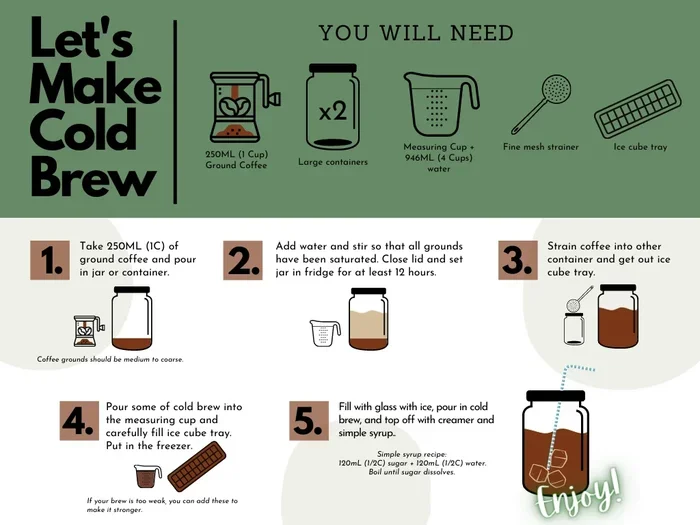
- 1 cup of coarse coffee grounds to 4 cups of cold water for a concentrate.
- 1 cup of coffee grounds to 8 cups of cold water for ready-to-drink cold brew.
The concentrate method is popular because it lets you dilute the brew to your preferred strength. You can add water, milk, or ice to taste. This also means your cold brew concentrate lasts longer in the fridge.
Use a kitchen scale for the most accurate measurements. Scoops can be inconsistent, and precision matters when you are aiming for the perfect cup of smooth coffee every time.
Adjusting for Strength and Taste
Not everyone loves the same coffee strength. If you prefer a milder cup, add more water. If you like it bold and intense, use more grounds or steep a little longer. The beauty of making cold press coffee at home is that you control every variable.
Keep notes on each batch you make. Write down the ratio, steeping time, and how the flavor turned out. Over time, you will find your perfect formula for creamy cold brew that suits your taste exactly.
Step-by-Step Cold Brew Process
Now that you have your ingredients and equipment ready, let us walk through the actual process of making cold press coffee. Follow these steps carefully, and you will be rewarded with a delicious batch of cold brewed coffee.
Step 1: Grind Your Coffee
Start by grinding your coffee beans to a coarse consistency. If you do not have a burr grinder, you can ask your local coffee shop to grind beans for cold brew. They usually know the right setting. Place the coarse grind coffee into your mason jar or pitcher.
Make sure your grinder is clean before use. Just as you would maintain other kitchen equipment, keeping your tools in good shape ensures the best results. For example, if you notice issues with your oven, learning how to tell if your oven is not heating properly can help you troubleshoot other kitchen appliances too.
Step 2: Combine and Steep
Pour the cold water over the coffee grounds. Stir gently with a spoon to make sure all the grounds are fully saturated. Cover the jar with a lid and place it in the refrigerator or at room temperature.
The steeping time is where the magic happens. Let the mixture sit for 12 to 24 hours. Shorter steeping times (12 to 14 hours) produce a lighter, more balanced flavor. Longer steeping times (18 to 24 hours) create a stronger, more intense brew.
Room temperature steeping tends to extract flavors faster. Refrigerated steeping is slower but produces a cleaner taste. Choose the method that fits your schedule and taste preference.
Step 3: Strain and Filter
After the steeping time is up, it is time to separate the grounds from the liquid. Place a coffee filter or fine mesh strainer over a clean bowl or pitcher. Slowly pour the mixture through the filter.
Do not rush this step. Letting the liquid drip through naturally produces a cleaner result. If you want an ultra-smooth finish, filter the brew a second time through a fresh paper coffee filter. This removes any remaining fine particles and gives you that silky smooth coffee texture.
Step 4: Store and Serve
Transfer your finished cold press coffee to a clean glass jar or bottle with a tight lid. Store it in the refrigerator. Properly stored, your cold brew concentrate will stay fresh for up to two weeks.
When serving, pour the concentrate over ice and add water, milk, or your favorite creamer. You can also heat it up if you prefer warm cold brew. Simply dilute with hot water for a unique twist on traditional coffee.
Common Mistakes and How to Avoid Them
Even with the best intentions, mistakes can happen when making cold press coffee. Here are the most common errors and how to avoid them.
Using the Wrong Grind Size
This is the number one mistake people make. Using a fine grind for cold brewing leads to over-extraction and a bitter, muddy taste. Fine grounds also clog filters and make straining a nightmare. Always use a coarse grind for the best results.
Think of it like this: coarse grounds are like large rocks that let water flow through easily, while fine grounds are like sand that blocks everything. The right grind size ensures proper coffee extraction and a clean, smooth cup.
Steeping Too Long or Too Short
Steeping time matters a lot. If you steep for too short a time, the coffee will taste weak and watery. If you steep for too long, it can become overly bitter and harsh. Stick to the 12 to 24 hour window and adjust based on your taste.
Temperature also affects steeping. Cold water in the fridge takes longer to extract flavor than room temperature water. If you are steeping at room temperature, 12 hours is usually enough. In the fridge, aim for 18 to 24 hours.
Using Low-Quality Coffee
Cold brewing highlights the natural flavors of the beans, so using low-quality or stale coffee will result in a flat, uninteresting cup. Invest in fresh, quality beans from a reputable roaster. The difference in coffee flavor is noticeable immediately.
Tips for Making Cold Press Coffee Every Time
Once you have the basics down, these tips will help you elevate your cold press coffee game and achieve consistent, delicious results.
Quick Tips for Better Flavor
- Shake the jar halfway through steeping to agitate the grounds and promote even extraction.
- Use filtered water for the cleanest taste. Tap water can introduce unwanted flavors.
- Experiment with coffee beans from different regions to discover new flavor profiles.
- Add a pinch of salt to the grounds before steeping to reduce bitterness.
- Keep your coffee grounds fresh by storing them in an airtight container away from light.
Expert Insights on Cold Brew
Professional baristas often share a few secrets for the best cold brewed coffee. One tip is to bloom the grounds before steeping. Simply wet the grounds and let them sit for 30 seconds before adding the rest of the water. This helps release CO2 and promotes a more even extraction.
Another pro tip is to use a 1:4 ratio for concentrate and dilute to taste. This gives you maximum flexibility. You can make your brew stronger or weaker depending on the day, without having to start a new batch each time.
Also, do not underestimate the power of good filtration. A two-stage filtering process using both a mesh strainer and a paper coffee filter produces the cleanest, smoothest cold press coffee. It takes a little extra time but makes a noticeable difference in the final cup.
How to Store and Serve Your Cold Brew
Proper storage is key to keeping your cold press coffee fresh and flavorful. Once you have brewed your batch, transfer it to an airtight container and place it in the refrigerator.
Your cold brew concentrate will last up to two weeks in the fridge. After that, the flavor starts to degrade and can taste flat or stale. For the best experience, try to finish your batch within 10 days.
When it comes to serving, the options are endless. Here are some popular ways to enjoy your smooth coffee:
- Over ice: Pour concentrate over ice and add cold water or milk.
- With cream: Mix in oat milk, almond milk, or regular cream for a rich, creamy cold brew.
- With sweetener: Add honey, simple syrup, or vanilla extract for a sweeter drink.
- Heated: Dilute concentrate with hot water for a warm, low-acidity coffee.
- In cocktails: Use cold brew as a base for coffee cocktails or mixed drinks.
Just like maintaining your kitchen equipment, proper care and storage make a big difference. Keeping your brewing tools clean and your coffee stored correctly ensures every batch tastes great. And speaking of kitchen maintenance, if you ever need to replace or reattach a part, knowing how to put an oven door back on can be a handy skill for any home cook.
Conclusion
Making cold press coffee at home is easier than you might think. With just a few simple ingredients, the right coffee to water ratio, and a little patience, you can enjoy smooth, low-acidity, delicious cold brew coffee any time you want. The process is forgiving, customizable, and incredibly rewarding.
Remember to use a coarse grind, steep for 12 to 24 hours, and filter your brew thoroughly for the best results. Avoid common mistakes like using fine grinds or stale beans, and experiment with ratios until you find your perfect cup. Once you start making cold press coffee at home, you will never go back to store-bought cold brew again.
Now that you have all the knowledge and tools, it is time to put them into action. Brew your first batch today and taste the difference that proper coffee extraction makes. Your taste buds will thank you.
Frequently Asked Questions
What is the difference between cold press coffee and cold brew coffee?
The terms are essentially interchangeable. Both refer to coffee brewed with cold or room-temperature water over a long steeping period. Some people use “cold press” to describe the specific method of pressing grounds out, while “cold brew” refers to the overall brewing process. The result is the same: a smooth, low-acidity, refreshing coffee drink.
How long does cold press coffee last in the fridge?
Your cold brew concentrate stays fresh for up to two weeks when stored in an airtight container in the refrigerator. For the best flavor, try to consume it within 10 days. After that, the taste may start to dull and lose its vibrant coffee flavor.
Can I use regular ground coffee for cold brew?
You can, but the results will not be as good. Regular pre-ground coffee is usually ground too finely for cold brewing, which leads to over-extraction and a bitter taste. Always use a coarse grind for the smoothest, cleanest cold press coffee. If you must use pre-ground, choose a coarse grind setting if available.
How much caffeine does cold press coffee contain?
Cold brewed coffee generally has a higher caffeine content than hot-brewed coffee because of the high coffee to water ratio used in concentrate form. However, since you typically dilute cold brew before drinking, the final caffeine level depends on how much water or milk you add. If you are sensitive to caffeine, start with a smaller serving and adjust to your comfort level.
Can I make cold press coffee at room temperature instead of in the fridge?
Yes, you can. Room temperature steeping usually takes 12 to 16 hours, while refrigerated steeping takes 18 to 24 hours. Room temperature brewing extracts flavors faster, but it can also extract more acidity. Many people prefer the cleaner taste of refrigerated steeping for their cold press coffee.
Do I need special equipment to make cold press coffee?
No special equipment is needed at all. All you really need is a mason jar, coarse coffee grounds, cold water, and a coffee filter or strainer. You do not need an expensive coffee maker or cold brew system. The simplicity of the process is part of what makes cold press coffee so popular among home brewers.