How Does Coffee Affect Blood Test Accuracy and Fasting
Drinking coffee before a blood test can seriously skew your results, affecting glucose levels, cholesterol readings, and hydration markers. Most doctors recommend fasting for 8 to 12 hours before a blood draw, and coffee even without sugar can interfere with accuracy. This guide covers exactly how coffee impacts different blood panels, what you can and cannot consume, and how to prepare properly for reliable lab outcomes.
You wake up early for a blood test. Your stomach is empty. But your mind reaches for that comforting morning cup of coffee. Before you pour, you pause. Can you drink it? Will it mess up your results? These are smart questions, and they matter more than most people realize.
How does coffee affect blood test accuracy? The answer is more involved than a simple yes or no. Coffee contains caffeine and other compounds that interact with your body in ways that can change your lab results. From blood sugar levels to cholesterol readings, that morning brew might be quietly undermining your health data. Let us break down exactly what happens and what you should do instead.
Blood tests are one of the most common diagnostic tools in modern medicine. Doctors rely on them to check everything from cholesterol levels to blood sugar levels. But these tests only work well when your body is in a resting, baseline state. Coffee disrupts that baseline, and many people do not realize the extent of the interference.
Key Takeaways
- Coffee alters blood glucose readings: Even black coffee can spike your blood sugar levels temporarily, leading to inaccurate fasting glucose tests.
- Fasting requirements are strict: Most blood panels require an 8 to 12 hour fasting window, and coffee breaks that fast.
- Caffeine affects blood pressure and heart rate: These changes can distort cardiovascular markers in your blood work.
- Dehydration is a hidden risk: Coffee is a diuretic, and dehydration can concentrate your blood and skew lab values.
- Not all blood tests are affected the same way: Some panels are more sensitive to coffee than others, so always ask your doctor.
- Water is your best friend before a blood draw: Staying hydrated with plain water helps ensure accurate and easy blood collection.
📑 Table of Contents
Why Fasting Matters Before a Blood Test
Fasting before a blood test is standard practice for many panels. The goal is simple. You want your body in a neutral, uninfluenced state. Food and drink both introduce substances into your bloodstream that can shift your numbers. That is why most labs ask you to avoid eating or drinking for 8 to 12 hours before your draw.
What Does Fasting Actually Mean?
Fasting means no food and no caloric beverages. Water is usually fine. But coffee, even black coffee without sugar or cream, is not just water. It contains bioactive compounds that your body responds to. So when you sip coffee before a test, you are technically breaking your fast.
Think of it this way. When you check if your oven is not heating properly, you need it to be at a stable, neutral state before testing. Your body works the same way. You want a clean baseline, and coffee introduces variables that cloud the picture.
Common Blood Tests That Require Fasting
Not every blood test requires fasting. But the ones that do are among the most frequently ordered. Here is a quick list:
- Fasting Blood Glucose Test: Measures your blood sugar after an overnight fast. Essential for diagnosing diabetes and prediabetes.
- Lipid Panel: Checks cholesterol and triglyceride levels. Food and coffee can both affect these numbers.
- Basic Metabolic Panel: Evaluates electrolytes, kidney function, and blood sugar. Even small changes matter here.
- Iron Panel: Coffee can reduce iron absorption, which directly impacts these results.
Each of these tests depends on a stable metabolic state. Coffee, with its caffeine and acidic compounds, pushes your body out of that state. The result? Numbers that do not truly reflect your health.
How Coffee Affects Blood Sugar Levels
This is one of the biggest concerns with coffee and blood tests. Caffeine has a direct, measurable effect on blood glucose. Studies show that caffeine can temporarily raise blood sugar levels by reducing insulin sensitivity. That means your cells do not respond to insulin as efficiently, and glucose stays in your bloodstream longer than it should.
The Caffeine and Insulin Connection
When you drink coffee, caffeine triggers the release of stress hormones like adrenaline. These hormones tell your liver to release stored glucose. At the same time, they make your cells more resistant to insulin. The combined effect is a temporary spike in blood sugar. For a fasting glucose test, this spike can push your numbers into the prediabetic range even if you are perfectly healthy.
Imagine you are timing how long it takes to cook Costco salmon in the oven. If you open the oven door every few minutes, the temperature drops and the cooking time changes. Coffee does something similar to your blood sugar. It disrupts the natural fasting state and gives your lab results a false reading.
How Much Coffee Is Too Much?
Even a single cup of black coffee can affect your fasting glucose. The effect varies from person to person based on caffeine tolerance, body weight, and metabolic health. But as a general rule, avoid all coffee for at least 8 to 12 hours before your blood draw. If you are a habitual coffee drinker, this can be tough, but it is worth it for accurate results.
Coffee and Cholesterol Readings
Coffee does more than affect blood sugar. It also influences your cholesterol levels, and this surprises many people. The reason lies in a group of compounds called diterpenes, specifically cafestol and kahweol. These natural substances in coffee can raise your LDL cholesterol and triglycerides.
Why Unfiltered Coffee Is Worse
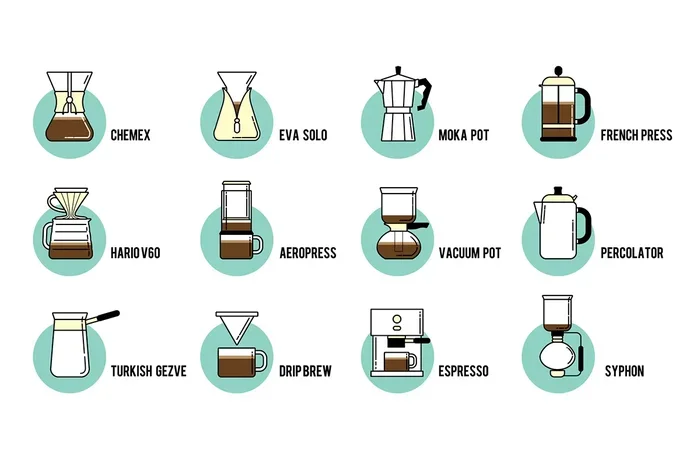
If you use a French press or a Turkish coffee maker, you are getting more cafestol and kahweol because these methods do not filter out the compounds. Paper filters in drip coffee makers remove most of them. But even filtered coffee contains some diterpenes, and for a fasting lipid panel, every bit counts.
When you compare how long different cooking methods take, like how long it takes to cook ribs in the oven versus a slow cooker, the variables change the outcome significantly. Similarly, how you brew your coffee changes how much it affects your cholesterol readings. Unfiltered coffee has a stronger impact on lipid panels than filtered coffee.
The Timing Factor
Here is something important. The effect of coffee on cholesterol is not instant. It builds over time with regular consumption. However, for a single blood test, the compounds from one or two cups can still show up in your lipid panel, especially if you drank coffee close to your test time. Always err on the side of caution and skip the coffee on test day.
Does Coffee Affect Blood Pressure Readings?
Yes, it does. Caffeine is a vasoconstrictor, meaning it narrows your blood vessels temporarily. This can raise your blood pressure by several points. If your blood test includes a cardiovascular panel or if your doctor is checking for hypertension, coffee can give you a false high reading.
Short-Term vs. Long-Term Effects
The blood pressure spike from coffee is usually short term, lasting about 30 to 60 minutes. But if you drink coffee right before your appointment, that spike will be captured in your readings. For people who already have borderline high blood pressure, this can lead to a misdiagnosis or unnecessary treatment.
Think about how much faster an air fryer cooks compared to a regular oven. The time difference is significant, and the results are different too. Coffee creates a similar kind of difference in your blood pressure readings. It accelerates and distorts what your body would naturally show without the stimulant.
What About Decaf Coffee?
Decaf coffee has much less caffeine, but it is not completely caffeine free. A typical cup of decaf contains about 2 to 5 milligrams of caffeine, compared to 80 to 100 milligrams in regular coffee. While the amount is small, some doctors still recommend avoiding decaf before a blood test to be safe. Additionally, decaf still contains the acidic compounds and diterpenes that can affect your results.
Dehydration and Coffee: The Hidden Risk
Coffee is a mild diuretic, which means it makes you urinate more frequently. Over time, this can lead to dehydration, especially if you are not drinking enough water alongside your coffee. Dehydration affects your blood in ways that can skew lab results.
How Dehydration Changes Your Blood
When you are dehydrated, your blood volume decreases. This concentrates your blood, making your electrolyte levels, kidney markers, and other values appear higher than they actually are. Your hematocrit levels can also rise, which might falsely suggest a condition you do not have.
Imagine trying to bake bread without checking how long you need to bake bread in the oven. If you do not follow the timing and hydration needs of the dough, the result is off. Your body works the same way. Proper hydration keeps your blood at a natural concentration, and skipping coffee on test day helps you stay balanced.
What Should You Drink Before a Blood Test?
Plain water is your best option. It keeps you hydrated, makes your veins easier to find, and does not introduce any substances that could affect your results. Drink plenty of water in the hours leading up to your appointment. Clear water is the only beverage you should consume during your fasting window.
Tips for a Successful Blood Test Morning
Preparing for a blood test does not have to be stressful. With a few simple steps, you can ensure your results are accurate and your experience is smooth.
Plan Your Morning Routine
Schedule your blood test for the morning if possible. This way, most of your fasting hours happen while you sleep. When you wake up, skip the coffee and reach for a glass of water instead. Bring a coffee thermos with you to enjoy after your draw, as a reward for sticking to the fast.
Know What Is and Is Not Allowed
Here is a quick list of what you can and cannot have before a fasting blood test:
- Allowed: Plain water, small sips of water with medication (ask your doctor first).
- Not Allowed: Coffee, tea, juice, soda, milk, alcohol, and any caloric beverages.
- Not Allowed: Chewing gum, smoking, or vaping, as these can also affect your results.
Communicate With Your Doctor
If you are unsure about what to avoid, ask your healthcare provider. They can give you specific instructions based on the type of blood test you are getting. Some tests are less sensitive to coffee than others, and your doctor can help you understand the fasting requirements for your specific panel.
What If You Accidentally Drink Coffee?
Accidents happen. If you sip coffee before your blood test, do not panic. Tell the lab technician or your doctor about it. They can note the intake on your requisition form and interpret your results accordingly. In many cases, the test can still be repeated if the results seem off. Honest communication is always the best policy.
Common Mistakes People Make Before Blood Tests
Even well-meaning people make mistakes that affect their blood test results. Here are some of the most common ones to avoid:
- Thinking black coffee is fine: It is not. Black coffee still contains caffeine and other compounds that affect your blood.
- Drinking coffee the night before: The effects of caffeine can linger for hours. Avoid coffee the evening before your test too.
- Not drinking enough water: Dehydration from coffee or insufficient water intake can concentrate your blood and skew results.
- Assuming all tests require the same fasting: Some tests need 8 hours, others need 12. Always confirm with your lab.
- Ignoring medication instructions: Some medications interact with coffee or require you to take them with food. Ask your doctor about timing.
The Bottom Line
How does coffee affect blood test results? The short answer is that coffee can significantly impact the accuracy of many common blood panels. From blood sugar and cholesterol to hydration markers and blood pressure, caffeine and other coffee compounds introduce variables that distort your true health picture.
The best approach is simple. Skip the coffee before your blood test. Stick to plain water, follow your doctor’s fasting instructions to the letter, and communicate openly about anything you consumed. Your lab results will be more accurate, your doctor will make better-informed decisions, and you will have peace of mind knowing your data is reliable.
Your health deserves accurate information. And accurate information starts with proper preparation. So next time you have a blood test scheduled, put the coffee down, pick up the water, and give your body the fair chance it needs to show you the truth.
Frequently Asked Questions
Can I drink black coffee before a fasting blood test?
No. Even black coffee without sugar or cream contains caffeine and other compounds that can affect your blood sugar, cholesterol, and hydration levels. Most labs require you to avoid all coffee during your fasting window.
How long before a blood test should I stop drinking coffee?
Stop drinking coffee at least 8 to 12 hours before your blood draw. If your test is in the morning, skip your evening coffee the night before and your morning coffee on test day.
Does decaf coffee affect blood test results?
Decaf coffee has much less caffeine but still contains trace amounts and other compounds like diterpenes. To be safe, avoid decaf coffee before a fasting blood test as well.
Can coffee affect a cholesterol blood test?
Yes. Coffee contains cafestol and kahweol, which can raise LDL cholesterol and triglyceride levels. These compounds are more concentrated in unfiltered coffee like French press or Turkish coffee.
What happens if I accidentally drink coffee before my blood test?
Tell the lab technician or your doctor. They can note the coffee intake and may repeat the test if the results appear inaccurate. Do not try to hide it, as this could lead to wrong diagnoses.
Can I drink water before a fasting blood test?
Yes. Plain water is not only allowed but encouraged. Staying hydrated makes your veins easier to access and helps ensure accurate blood collection. Avoid all other beverages during the fasting window.