How To Make Instant Coffee Less Bitter And Delicious
Making instant coffee less bitter is easier than you think. With a few simple changes to your water temperature, coffee choice, and additives, you can transform a harsh cup into something smooth and enjoyable. These proven tips work every time and need no special equipment.
There is nothing worse than taking a sip of your morning instant coffee less bitter dream only to be hit with a harsh, bitter taste. You wanted a quick pick-me-up, not a punishment. Whether you are a coffee lover who relies on instant coffee every single morning or someone who is just trying to make the best of a quick coffee fix, bitter coffee can ruin your whole day.
The good news is that fixing bitter instant coffee does not require expensive gear or fancy skills. A few small changes in how you prepare your cup can make a huge difference. In this guide, we will walk you through simple, proven methods to make instant coffee less bitter and more delicious. You will learn why coffee turns bitter in the first place, what water temperature to use, which additives actually work, and the common mistakes that ruin your cup. By the end, you will know exactly how to get a smooth, rich coffee flavor every single time.
Millions of people start their day with instant coffee. It is fast, easy, and affordable. But the bitter taste that sometimes comes with it drives many people away. The truth is, most of the time, the bitterness comes from how the coffee is prepared, not the coffee itself. Once you understand the basics of coffee brewing with instant coffee, you can fix the problem in minutes. Let us dive into the details and help you enjoy every sip.
Key Takeaways
- Use slightly cooler water: Boiling water makes coffee bitter. Let it sit for 30 seconds before pouring.
- Choose high-quality instant coffee: Not all brands are the same. Look for freeze-dried options for better flavor.
- Add a pinch of salt: Salt neutralizes bitterness better than sugar in many cases.
- Try milk or cream: Dairy softens harsh flavors and creates a smoother cup.
- Stir properly and do not over-stir: Gentle mixing helps dissolve coffee evenly without releasing more bitter compounds.
- Store your coffee correctly: Moisture and heat degrade instant coffee and make it taste worse.
📑 Table of Contents
Why Does Instant Coffee Taste Bitter?
Before we fix the problem, it helps to understand what causes it. Bitterness in instant coffee is not random. It happens for specific reasons, and once you know them, you can avoid them easily.
The Role of Coffee Compounds
Coffee beans contain hundreds of natural compounds. Some taste sweet. Some taste sour. Others taste bitter. When coffee is processed and dried into instant granules, the balance of these compounds shifts. The bitter compounds become more prominent, especially if the coffee is low quality or old. This is why coffee quality matters so much. Cheap instant coffee often has more bitter compounds than premium brands.
How Water Temperature Affects Bitterness
Water temperature plays a huge role in how your coffee tastes. Using boiling water is the number one mistake people make. When you pour boiling water over instant coffee, it over-extracts the compounds. This releases more bitter flavors and masks the natural sweetness of the coffee grounds. Think of it like How To Fix Oven Temperature — too much heat ruins the final result, whether you are cooking or brewing coffee.
Why Stirring Too Much Makes Things Worse
Stirring your coffee too vigorously or for too long can also increase bitterness. When you over-stir, you break down more of the coffee particles. This releases extra bitter compounds into your cup. A gentle stir is all you need to dissolve the coffee evenly. The goal is a smooth coffee drink, not a science experiment.
How To Make Instant Coffee Less Bitter: Simple Methods
Now that you know why coffee turns bitter, let us look at the practical steps you can take. These methods are easy to follow and do not require any special tools. Each one targets a different cause of bitterness.
Method 1: Adjust Your Water Temperature
This is the single most effective change you can make. Instead of using boiling water, let your kettle cool for about 30 to 60 seconds before pouring. The ideal temperature for instant coffee is between 195°F and 205°F (90°C to 96°C). If you do not have a thermometer, just wait until the steam stops coming off the water in a strong stream. It should still feel hot but not be actively boiling.
Here is a quick way to remember this: boil the water, then wait. That is it. This one simple habit will make your morning coffee taste noticeably better. Many coffee lovers swear by this method because it is so easy and effective.
Method 2: Use Less Coffee or More Water
Sometimes bitterness comes from using too much coffee for the amount of water. Try reducing the amount of instant coffee by a quarter teaspoon. You can also add an extra ounce of hot water to dilute the mixture slightly. This does not make your coffee weak — it just softens the harsh edges. Think of it as finding the right balance, much like how you would adjust a recipe when making bread without oven and yeast — small changes make a big difference in the final result.
Method 3: Add a Pinch of Salt
This might sound strange, but a tiny pinch of salt works wonders for cutting bitterness. Salt blocks the taste receptors that detect bitter flavors. You do not need much — just a small pinch, about 1/8 of a teaspoon. Stir it in and you will notice the difference immediately. The salt does not make your coffee taste salty. It just makes the coffee flavor cleaner and smoother.
This is one of the best-kept coffee hacks among baristas and home brewers alike. It is cheap, fast, and incredibly effective. Give it a try next time your cup tastes too harsh.
Method 4: Add Milk, Cream, or a Non-Dairy Alternative
Dairy products are natural bitterness fighters. Milk, cream, or even a splash of half-and-half coats your tongue and softens harsh flavors. If you prefer creamy coffee, this is the method for you. Oat milk, almond milk, and coconut milk also work well if you are avoiding dairy.
The fat content in milk helps neutralize bitter compounds. Even a small splash can transform a harsh cup into something smooth and enjoyable. Try different options to find what works best for your taste. Some people prefer the lightness of a splash of cream, while others like a full cup of latte-style coffee drink.
Method 5: Sweeten It the Right Way
Sugar can help mask bitterness, but it is not the only option. Honey, maple syrup, or even a drop of vanilla extract can add sweetness without making your coffee taste like dessert. Natural sweeteners often blend better with the rich coffee taste of instant coffee.
Start with a small amount and adjust to your liking. The goal is to balance the bitterness, not to make your coffee overly sweet. A little goes a long way, and you will be surprised how much smoother your cup tastes with just a touch of sweetness.
Choosing the Right Instant Coffee for a Smoother Cup
Not all instant coffee is created equal. The brand, type, and quality of your instant coffee can make a huge difference in how bitter it tastes. If you have tried all the brewing tips above and your coffee still tastes harsh, the problem might be the coffee itself.
Freeze-Dried vs. Spray-Dried Instant Coffee
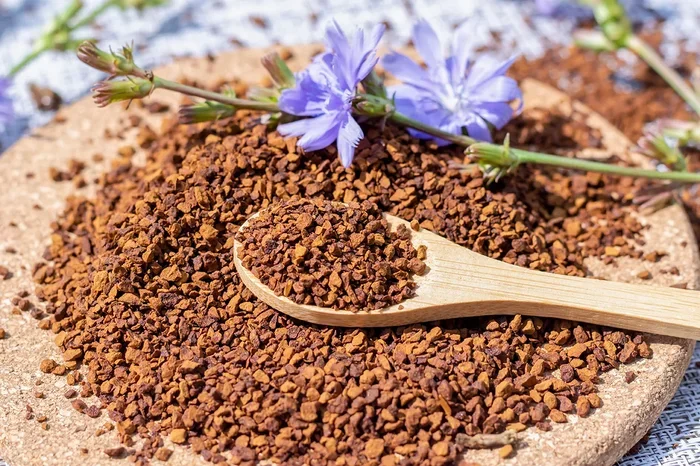
There are two main types of instant coffee: freeze-dried and spray-dried. Freeze-dried instant coffee tends to have a smoother, more natural coffee flavor. It is made by freezing the coffee extract and then drying it in a vacuum. This process preserves more of the original coffee taste and reduces bitterness.
Spray-dried instant coffee is made by spraying liquid coffee into hot air. This process is faster and cheaper, but it can result in a more bitter, harsher taste. If you want to make instant coffee less bitter, look for freeze-dried options. They cost a bit more, but the taste difference is worth it.
Read the Label and Check the Roast
Light roast and medium roast instant coffees tend to be less bitter than dark roast. Dark roast coffee has more roasted, smoky flavors that can come across as bitter. If you are sensitive to bitterness, try a medium roast or a blend labeled “smooth” or “mild.”
Also, check the ingredient list. Some instant coffee products contain added flavors or fillers that can affect taste. Pure instant coffee without additives usually gives you more control over the final flavor. A cleaner ingredient list often means a cleaner, less bitter coffee taste.
Consider the Brand and Origin
The origin of the coffee beans matters too. Brazilian and Colombian beans are often used in instant coffee and tend to have a naturally smoother profile. Some brands specialize in low-acid or smooth blends specifically designed for people who find regular instant coffee too bitter. Do some research, read reviews, and try a few brands until you find one that works for you.
Brewing Techniques for a Better Cup of Coffee
How you prepare your instant coffee matters just as much as what you put in it. Small changes in your technique can lead to big improvements in flavor. Let us look at the best practices for brewing a smooth cup.
Start with Clean, Fresh Water
This might sound obvious, but the water you use makes a big difference. Filtered water tastes better than tap water because it removes chlorine and other minerals that can affect flavor. Fresh water also means no stale tastes that can make your coffee seem more bitter than it actually is.
If your tap water has a strong taste or smell, switch to filtered or bottled water for your coffee. You will notice the difference right away. Clean water equals clean coffee flavor.
The Right Way to Stir
Stirring is an important step, but there is a right way to do it. Use a spoon and stir gently in a circular motion. About 10 to 15 stirs should be enough to dissolve the coffee completely. Over-stirring breaks down more coffee particles and releases bitter compounds.
Think of it this way: you want the coffee to dissolve, not to break apart. A light touch gives you the best results. Once the coffee is fully dissolved, stop stirring and enjoy your cup.
Let It Sit for a Moment
After you pour the hot water and stir, let the coffee sit for about 30 seconds before you drink it. This allows the flavors to settle and the temperature to drop slightly. It also gives the coffee time to fully dissolve and mix with the water. Rushing this step can lead to an uneven, bitter cup.
If you are in a hurry, even 15 seconds of patience can help. Just a brief pause makes a noticeable difference in how smooth your morning coffee tastes.
Pair Your Coffee with the Right Food
What you eat with your coffee can change how you perceive its bitterness. Foods with natural sweetness or fat can balance out a harsh cup. For example, a slice of garlic bread made with garlic powder in the oven pairs wonderfully with coffee because the buttery, slightly sweet bread offsets the bitterness. Nuts and pastries also work well.
If you enjoy snacking while you drink your coffee, choose foods with some fat or sweetness. This creates a more balanced taste experience and makes even a strong cup of coffee feel smoother and more enjoyable.
Common Mistakes That Make Instant Coffee Bitter
Sometimes the problem is not what you do — it is what you stop doing. Here are the most common mistakes that lead to bitter instant coffee and how to avoid them.
Using Water That Is Too Hot
We already mentioned this, but it deserves repeating. Boiling water is the enemy of smooth instant coffee. It extracts too many bitter compounds and scorches the coffee flavor. Always let your water cool for at least 30 seconds before using it.
Using Old or Stale Instant Coffee
Instant coffee does not last forever. Over time, exposure to air, moisture, and heat degrades the quality and increases bitterness. Check the expiration date on your jar and store it in a cool, dry place. If your coffee has been open for more than a few months, it might be time to replace it.
Proper storage matters. Keep your instant coffee in a sealed container away from heat and moisture. This is similar to how you would store anything else in your kitchen — whether it is learning how to roast whole almonds in oven and storing them properly, or keeping your coffee fresh. The principle is the same: protect your food from heat, air, and moisture.
Skipping the Milk or Cream
Some people drink their instant coffee black because they think it is healthier or more authentic. But if bitterness is your problem, adding a splash of milk or cream is not a weakness — it is a solution. The fat and protein in dairy neutralize bitter compounds and create a smoother, more balanced cup.
If you are avoiding dairy, try oat milk or almond milk. These plant-based options also contain fats and proteins that help reduce bitterness. Find what works for you and use it without guilt.
Not Cleaning Your Mug or Equipment
Old coffee residue and oils can build up in your mug and make your fresh coffee taste stale or bitter. Always rinse your mug with hot water before making a new cup. If you use a spoon or a stirrer, make sure it is clean too. This simple habit keeps your coffee tasting fresh and clean every time.
Quick Tips for the Perfect Cup of Instant Coffee
Want a quick checklist to remember everything? Here are some fast tips you can use every single day to make instant coffee less bitter and more delicious.
- Wait 30 to 60 seconds after boiling water before pouring it over your coffee.
- Use a pinch of salt — it is the fastest way to reduce bitterness.
- Choose freeze-dried instant coffee for a smoother, more natural taste.
- Add milk or cream to soften harsh flavors and create a creamy texture.
- Stir gently for 10 to 15 seconds — no need to overdo it.
- Store your coffee in a sealed container in a cool, dry place.
- Rinse your mug before each use to avoid stale residue.
- Try a natural sweetener like honey or a drop of vanilla for extra smoothness.
These tips are simple, but they work. You do not need to try all of them at once. Start with one or two changes and see how your coffee tastes. Then add more as you go. Soon, you will have a personal routine that produces a smooth, delicious cup every single morning.
Remember, making great coffee is about small, consistent improvements. Just like learning how to use oven to reheat food properly to get the best results, getting the perfect cup of coffee takes a little practice and attention to detail. But once you find your sweet spot, you will never go back to bitter, harsh coffee again.
The journey to better coffee starts with one simple change. Pick one tip from this guide and try it tomorrow morning. You will be surprised at how much difference it makes. And once you taste the difference between bitter coffee and smooth, delicious coffee, you will never settle for less again.
Your morning coffee fix should be something you look forward to, not something you dread. With these tips, you have everything you need to make instant coffee less bitter and more enjoyable. So go ahead, make yourself a cup, and savor every sip of that smooth, rich coffee drink you deserve.
Conclusion
Making instant coffee less bitter is not complicated. It comes down to a few simple choices: the right water temperature, the right amount of coffee, the right additives, and the right brewing technique. When you pay attention to these details, you can turn even the most basic instant coffee into a smooth, flavorful cup that you actually enjoy.
Start with the water temperature. Let it cool before pouring. Add a pinch of salt or a splash of milk. Choose a quality freeze-dried brand. Store your coffee properly. And clean your mug before each use. These small steps add up to a big improvement in taste.
The best part is, none of these changes require extra time or money. They are easy to implement starting today. So the next time you make your morning coffee, try one of these tips and notice the difference. Your taste buds will thank you. Here is to a smoother, more delicious cup of coffee every single morning.
Frequently Asked Questions
Why does my instant coffee taste so bitter even with hot water?
Boiling water is the most common cause of bitter instant coffee. Water that is too hot over-extracts the coffee compounds and brings out harsh, bitter flavors. Let your kettle cool for 30 to 60 seconds before pouring, and you will notice an immediate improvement in taste.
Can I use cold water to make instant coffee less bitter?
Yes, cold water works and produces a smoother cup because it extracts fewer bitter compounds. However, instant coffee dissolves best in hot water, so you may need to stir longer or let it sit for a few minutes. Cold brew-style instant coffee is a great option if you prefer a mild, less bitter flavor.
Does adding salt to coffee really reduce bitterness?
Yes, it does. Salt blocks the taste receptors that detect bitterness on your tongue. A small pinch of salt, about 1/8 of a teaspoon, is enough to neutralize harsh flavors without making your coffee taste salty. This is a well-known trick used by baristas and coffee experts around the world.
What is the best type of instant coffee for reducing bitterness?
Freeze-dried instant coffee generally tastes smoother and less bitter than spray-dried varieties. Look for medium roast or light roast options labeled “smooth” or “mild.” Higher quality brands with fewer additives also tend to produce a less bitter cup. Reading labels and trying different brands can help you find your perfect match.
How long should I stir my instant coffee for the best flavor?
About 10 to 15 gentle stirs are usually enough to dissolve instant coffee completely. Over-stirring breaks down more coffee particles and can release extra bitter compounds. Stir in a circular motion, stop once the coffee is fully dissolved, and enjoy your smooth cup.
Can I reheat leftover coffee without making it more bitter?
Reheating coffee can intensify bitterness because it further breaks down the compounds. If you need to reheat, do so gently on low heat and add a splash of fresh hot water or milk to refresh the flavor. For best results, make only what you plan to drink right away. If you are interested in learning more about reheating food properly, check out our guide on how to use oven to reheat food for helpful tips.