How Come Coffee Makes Me Sleepy And What To Do About It
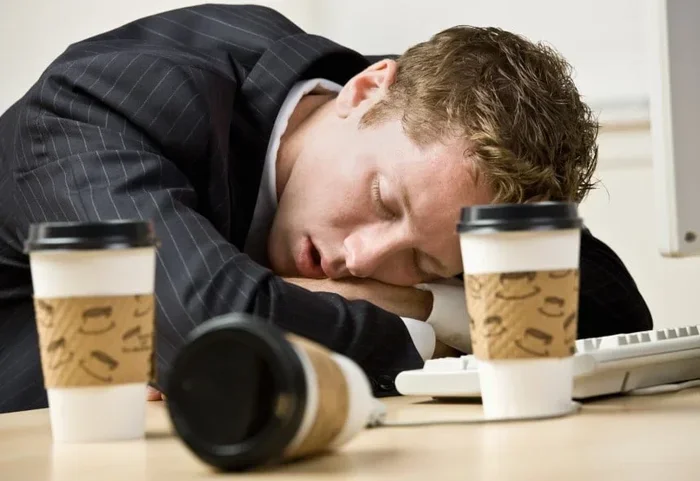
Coffee is supposed to wake you up, but for many people, it does the opposite. The reason coffee makes you sleepy comes down to how caffeine interacts with your brain chemistry, adenosine receptors, and daily habits. Understanding why coffee makes you sleepy is the first step toward fixing the problem and regaining your energy.
You pour your morning cup of coffee, take a sip, and instead of feeling awake, you feel like taking a nap. Sound familiar? You are not alone. Many people ask the same question every day: how come coffee makes me sleepy? It seems backwards. Coffee is supposed to be the ultimate wake-up drink. Yet somehow, it leaves some people feeling more tired than before they took a sip.
The truth is, there are several real reasons why coffee makes you sleepy. It is not just in your head. From the way caffeine interacts with your brain to what you add to your cup, many factors play a role. In this article, we will explore the science behind caffeine fatigue and give you practical steps to fix the problem. Whether you drink one cup a day or five, you will find answers here.
Let us break down the surprising reasons your favorite morning drink might be working against you. And more importantly, let us talk about what you can do about it.
Key Takeaways
- Caffeine blocks adenosine temporarily: The sleepy feeling returns once caffeine wears off, often harder than before.
- Dehydration plays a big role: Coffee is a diuretic that can leave you feeling drained and tired.
- Additives matter: Sugar and cream can cause blood sugar crashes that make you feel even sleepier.
- Tolerance builds over time: Regular coffee drinkers may need more caffeine to feel the same alertness.
- Quality and preparation count: How you brew and grind your coffee affects how your body responds to it.
- Small habit changes work: Staying hydrated, eating balanced meals, and timing your coffee can reduce sleepiness.
📑 Table of Contents
Why Does Coffee Make You Sleepy?
The relationship between coffee and sleepiness is more complex than most people realize. Caffeine is a stimulant, so it should keep you awake. But the human body is full of surprises. Sometimes the very thing that is supposed to energize you ends up doing the opposite.
Understanding why coffee makes you tired starts with knowing how caffeine works inside your brain. It is not just about feeling “pumped up.” There is a chemical process happening every time you take a sip.
The Adenosine Connection
Your brain produces a chemical called adenosine throughout the day. As adenosine builds up, it binds to receptors in your brain and makes you feel sleepy. This is your body’s natural way of telling you it is time to rest.
Caffeine works by blocking these adenosine receptors. It does not stop adenosine from being produced. It just stops your brain from receiving the “tired” signals. So for a while, you feel alert and awake.
But here is the catch. When the caffeine wears off, all that built-up adenosine rushes to the receptors at once. This creates a caffeine crash that can leave you feeling even sleepier than before you drank your coffee. This is one of the main reasons coffee makes you sleepy a few hours after your morning cup.
Why Am I Sleepy After Coffee?
If you have ever wondered, “Why am I sleepy after coffee?” the answer is likely tied to this adenosine rebound effect. The more caffeine you consume, the more adenosine receptors your brain creates over time. This means you need more coffee to get the same effect. And when the caffeine wears off, the crash hits harder.
This cycle is also known as caffeine tolerance. It explains why some people feel like coffee is not working anymore. Their bodies have adapted. The coffee tiredness they experience after the caffeine wears off becomes stronger over time.
The Science Behind Caffeine and Sleepiness
The science behind caffeine and sleepiness goes beyond just adenosine. Several other biological processes contribute to why coffee can make you feel drowsy. Let us look at the key mechanisms at play.
Cortisol and Your Energy Levels
Your body produces a hormone called cortisol, which helps regulate your energy and wakefulness. Cortisol levels naturally peak in the morning, which is why most people feel most alert around 8 or 9 a.m.
When you drink coffee during this peak cortisol time, caffeine competes with your body’s natural rhythm. Instead of boosting your alertness, the coffee may not do much at all. Some research even suggests that drinking coffee during high-cortisol periods can disrupt your natural energy cycle, leading to more fatigue later in the day.
Blood Sugar Spikes and Crashes
Many people add sugar, flavored creamers, or sweet syrups to their coffee. These additives cause a rapid spike in blood sugar. Your body responds by releasing insulin to bring those levels back down.
The result? A blood sugar crash that leaves you feeling tired, sluggish, and craving more coffee. This is why coffee makes you sleepy even when the caffeine itself should be keeping you awake. The crash from the sugar overrides the stimulant effect.
Dehydration and Coffee
Coffee is a mild diuretic, which means it makes you urinate more frequently. Over time, this can lead to dehydration if you are not drinking enough water alongside your coffee.
Dehydration causes many symptoms that mimic tiredness. You feel foggy, sluggish, and low on energy. So sometimes the coffee fatigue you experience is not from the caffeine at all. It is from the lack of water. This is a very common reason people ask, “Why does coffee make me sleepy?”
Common Reasons Coffee Makes You Tired
Now that we have covered the science, let us look at the most common reasons why coffee makes you tired in real life. These are the everyday habits and factors that contribute to caffeine fatigue.
You Drink Coffee on an Empty Stomach
Drinking coffee on an empty stomach can cause your blood acid levels to rise. This can lead to discomfort, nausea, and a drop in energy. Without food to slow down caffeine absorption, the effects hit your system too fast and wear off too quickly.
When the caffeine wears off fast, you experience a sharper crash. Eating a balanced meal before or with your coffee can help slow down absorption and keep your energy more stable.
Your Coffee Quality Is Low
Not all coffee is created equal. Cheap, low-quality coffee beans may contain higher levels of impurities or be more heavily processed. These factors can affect how your body responds to the caffeine.
High-quality, freshly roasted beans tend to provide a smoother energy boost without the harsh crash. If you have been drinking low-quality coffee for a long time, switching to a better brand might make a noticeable difference in how coffee affects your sleepiness.
You Have Built Up a Caffeine Addiction
Regular coffee drinkers often develop a caffeine addiction without even realizing it. Your body adjusts to the daily dose of caffeine, and when you do not get it, you experience withdrawal symptoms like headaches, irritability, and tiredness.
Even when you do drink coffee, the tolerance means you need more to feel the same effect. This creates a cycle where you keep drinking more coffee just to stay “normal,” but you still feel tired overall. Caffeine withdrawal is real, and it is one of the hidden reasons coffee makes you sleepy.
You Are Sensitive to Caffeine
Some people are naturally more sensitive to caffeine than others. This sensitivity is often genetic. If you find that even one cup of coffee makes you feel jittery and then exhausted, you might be a slow caffeine metabolizer.
Your liver processes caffeine at different speeds depending on your genetics. Slow metabolizers feel the effects of caffeine for longer, but they also experience the crash more intensely. If this sounds like you, switching to decaf coffee or reducing your intake might be the best solution.
Your Coffee Preparation Method Matters
How you prepare your coffee can affect how it impacts your energy levels. The method you use changes the caffeine content, flavor profile, and how your body absorbs it.
For example, if you use a coffee grinder, the grind size and method matter. Some grinding techniques work better for certain brewing methods. If you are curious about different grinding approaches, you might want to explore whether your grinder is suitable for various methods, such as understanding can a coffee grinder be used for wet grinding, which affects extraction and flavor.
Also, regular maintenance of your coffee equipment matters. A dirty coffee maker can affect the taste and quality of your brew. If you use a Keurig, learning how do you decalcify a Keurig coffee maker can help ensure you are getting the best possible cup every time, which may reduce the need to drink more cups and worsen caffeine fatigue.
How To Fix Coffee-Related Sleepiness
The good news is that you do not have to give up coffee entirely. There are simple, effective changes you can make to enjoy your coffee without the sleepiness and tiredness. Here is what you can do starting today.
Stay Hydrated Throughout the Day
Since coffee can dehydrate you, make a habit of drinking a glass of water with every cup of coffee. Aim for at least eight glasses of water a day. Proper hydration helps your body process caffeine more efficiently and reduces the fatigue that comes from dehydration.
Eat Before You Drink Coffee
Never drink coffee on an empty stomach. Eat a balanced meal with protein, healthy fats, and complex carbohydrates first. Food slows down caffeine absorption and prevents the sharp blood sugar spikes and crashes that contribute to coffee tiredness.
Time Your Coffee Wisely
Instead of drinking coffee the moment you wake up, wait about 90 minutes. This allows your natural cortisol levels to do their job first. By the time you have your first cup, your cortisol is starting to dip, and caffeine can give you a real boost.
Also, avoid drinking coffee after 2 p.m. Caffeine has a half-life of about five to six hours. If you drink coffee too late in the day, it can interfere with your sleep quality at night, making you even more tired the next morning.
Reduce Sugar and Cream
Cut back on the sugar and flavored creamers in your coffee. These additives cause blood sugar crashes that make you feel sleepy. Try drinking your coffee black or with a small amount of milk. If you need sweetness, use a natural sweetener like honey in moderation.
Consider Switching to Decaf or Half-Caf
If you are sensitive to caffeine or have built up a high tolerance, consider switching to decaf coffee for part of the day. Decaf still has a small amount of caffeine, but it is much lower than regular coffee. This can help break the cycle of caffeine tolerance and reduce the crash you feel later.
Improve Your Overall Sleep Habits
Sometimes the real issue is not the coffee at all. If you are not getting enough quality sleep at night, no amount of coffee will fix the problem. Aim for seven to nine hours of sleep per night. Good sleep hygiene includes keeping a consistent bedtime, avoiding screens before bed, and creating a dark, cool sleeping environment.
When your body is well-rested, you may find that you need less coffee to feel alert. This breaks the dependency cycle and helps you enjoy coffee as a pleasant morning ritual rather than a crutch for exhaustion.
When To See A Doctor About Coffee-Related Fatigue
Most of the time, coffee-related sleepiness is harmless and fixable with simple habit changes. However, there are situations where constant tiredness after drinking coffee might signal a deeper issue.
If you experience any of the following, it is worth talking to a healthcare professional:
- Extreme exhaustion even after cutting back on caffeine
- Persistent headaches that do not go away
- Heart palpitations or anxiety after drinking coffee
- Difficulty sleeping even when you avoid coffee in the afternoon
- Feeling tired all the time regardless of how much coffee you drink
These symptoms could indicate an underlying condition like adrenal fatigue, thyroid issues, or a sleep disorder. A doctor can run tests and help you understand what is really going on with your energy levels.
Remember, coffee is a tool. It should enhance your day, not drain it. If your daily cup is doing more harm than good, it is time to reassess your relationship with caffeine.
Final Thoughts
The next time you find yourself asking, “Why does coffee make me sleepy?” you will know the answer. It is not magic. It is science, habits, and the way your unique body responds to caffeine.
From adenosine rebound to dehydration, blood sugar crashes to caffeine tolerance, there are many reasons coffee makes you tired. The good news is that most of these causes are within your control. Small changes to when you drink coffee, what you add to it, and how you take care of your body can make a huge difference.
You do not have to quit coffee to feel more energized. You just need to understand how it works and work with your body instead of against it. Try the tips in this article, pay attention to how your body responds, and find the balance that works for you. A morning cup of coffee should wake you up, not put you to sleep.
Frequently Asked Questions
Why does coffee make me sleepy immediately?
Coffee can make you feel sleepy right away if you have built up a high tolerance to caffeine. When caffeine wears off quickly, the adenosine rebound effect hits hard, making you feel more tired than before. Other factors like dehydration, low-quality beans, or adding too much sugar can also cause an immediate energy crash.
Is it normal to feel tired after drinking coffee?
Yes, it is more common than most people think. The caffeine in coffee blocks adenosine receptors temporarily, and when the caffeine wears off, the accumulated adenosine floods your brain, causing a crash. Dehydration, blood sugar spikes from additives, and drinking coffee on an empty stomach can all make this tiredness worse.
Can decaf coffee make you sleepy?
Decaf coffee has very little caffeine, so it is unlikely to cause a caffeine crash. However, if you are sensitive to even small amounts of caffeine, decaf might still affect your sleep quality. Also, the warm drink itself can signal your body to relax, which may make you feel drowsy, especially in the evening.
How long does caffeine keep you awake?
Caffeine typically keeps you awake for three to five hours, depending on your metabolism and tolerance. However, caffeine has a half-life of five to six hours, meaning half of it is still in your system after that time. This is why drinking coffee too late in the day can disrupt your sleep and make you tired the next morning.
What should I do if coffee makes me sleepy every time?
Start by checking your habits. Drink water alongside your coffee, eat a balanced meal before drinking it, and avoid adding too much sugar. Try timing your coffee for mid-morning instead of right after waking up. If the problem persists, consider reducing your intake or switching to decaf. Your body might also be telling you that you need better sleep at night.
Does the type of coffee affect how sleepy you feel?
Yes, the type of coffee matters. Light roast coffee actually has slightly more caffeine than dark roast. Cold brew tends to be smoother and less acidic, which may reduce the crash. The quality of the beans, how fresh they are, and how you brew them all affect how your body responds. Poor-quality or stale beans can contribute to more fatigue and a harsher energy crash.
=== CONCLUSION ===
Coffee makes you sleepy for a variety of reasons, and understanding them is the first step toward fixing the problem. Whether it is adenosine rebound, dehydration, blood sugar crashes, or caffeine tolerance, each cause has a practical solution. You do not need to give up your favorite morning drink. You just need to be smarter about how, when, and what you add to it.
Start with one or two changes from this article and build from there. Stay hydrated, eat well, time your coffee wisely, and pay attention to how your body responds. Soon, you will enjoy all the benefits of coffee without the unwanted sleepiness. Your energy, your focus, and your mornings will thank you.