How To Clean Cuisinart Coffee Maker 12 Cup The Easy Way
Keeping your Cuisinart 12-cup coffee maker clean ensures better-tasting coffee and extends the life of your machine. This guide walks you through descaling, deep cleaning, and daily maintenance in simple, easy-to-follow steps. You will learn exactly how to clean every part of your coffee maker using household items like vinegar and water.
There is nothing better than waking up to the smell of fresh coffee from your Cuisinart coffee maker. But over time, mineral deposits, coffee oils, and residue can build up inside your machine. This affects the taste of your coffee and can even slow down your brewer. That is why knowing how to clean Cuisinart coffee maker 12 cup models properly is so important.
Whether you have had your machine for years or just unboxed it, this guide covers everything you need. We will walk you through each step using simple household items. No fancy products or complicated tools needed. By the end, your machine will look and work like new again.
A clean coffee maker also means better health. Old coffee grounds and mineral deposits can harbor bacteria if left unchecked. Regular maintenance keeps your morning cup safe and delicious. Let us dive into the easiest way to give your Cuisinart a thorough cleaning.
Key Takeaways
- Descale monthly: Running a vinegar and water solution through your machine removes mineral buildup and keeps your coffee tasting fresh.
- Clean the coffee pot and filter basket regularly: These parts collect coffee oils and residue that affect flavor.
- Use the right cleaning supplies: White vinegar, warm soapy water, and a soft cloth are all you need for most cleaning tasks.
- Follow a simple routine: A few minutes of maintenance each week saves you from tough buildup later.
- Never use harsh chemicals: Stick to mild cleaners and vinegar to protect your machine’s internal components.
- Rinse thoroughly after cleaning: Running plain water cycles removes any cleaning taste or smell before you brew again.
📑 Table of Contents
- Why Regular Cleaning Matters For Your Coffee Maker
- What You Need To Clean Your Cuisinart 12-Cup Machine
- Step-by-Step Guide To Clean Cuisinart Coffee Maker 12 Cup
- How Often Should You Clean Your Cuisinart Coffee Maker
- Common Mistakes People Make When Cleaning Coffee Makers
- Expert Tips For Keeping Your Cuisinart In Top Shape
- When To Replace Parts Instead Of Cleaning
- Final Thoughts On Cleaning Your Cuisinart 12-Cup Coffee Maker
Why Regular Cleaning Matters For Your Coffee Maker
Many people forget about cleaning their coffee maker until something goes wrong. Maybe the coffee tastes off or the machine takes longer to brew. These are clear signs that your machine needs attention. Regular cleaning does more than just improve taste. It also keeps your coffee maker running efficiently for years.
When water heats up inside your machine, minerals from the water stick to the internal parts. This is called coffee maker descaling buildup. Over weeks and months, this layer gets thicker. It can clog tubes and reduce heating efficiency. Your coffee might come out lukewarm or taste metallic.
Coffee oils also build up in the filter basket and carafe. These oils go rancid over time. They create a stale, bitter flavor that no amount of good beans can fix. Cleaning these parts regularly prevents that unpleasant taste. It also removes coffee residue that can attract mold or bacteria.
Think of your coffee maker like a car engine. You would not skip oil changes forever and expect it to run well. Your machine needs the same basic care. A little effort goes a long way toward keeping your morning routine smooth and enjoyable.
What You Need To Clean Your Cuisinart 12-Cup Machine
Before you start, gather a few simple supplies. You probably already have most of these in your kitchen. Here is what you will need for a thorough cleaning session:
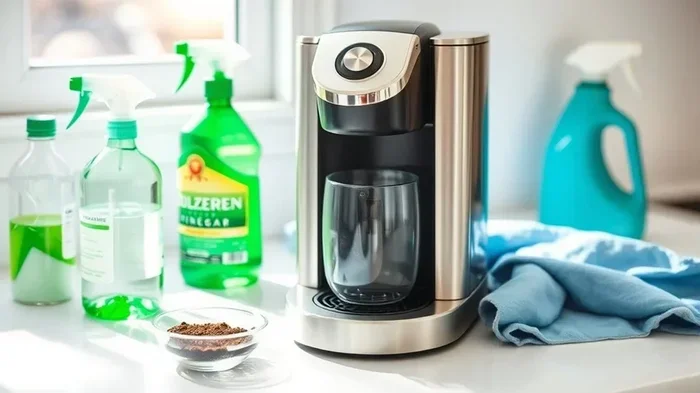
- White distilled vinegar – This is the star of descaling. It dissolves mineral buildup safely and naturally.
- Warm water – You will use this for mixing the cleaning solution and rinsing.
- Mild dish soap – For washing removable parts like the carafe and filter basket.
- A soft sponge or cloth – To wipe down surfaces without scratching them.
- A small brush – An old toothbrush works great for scrubbing hard-to-reach spots.
- Dry towel – For drying parts after washing.
That is all you need. No harsh chemicals. No expensive specialty products. White vinegar and warm soapy water handle almost everything. If you want a stronger coffee maker cleaning solution, you can also use a store-bought descaler. But vinegar works just as well for most households.
Step-by-Step Guide To Clean Cuisinart Coffee Maker 12 Cup
Now let us get into the actual cleaning process. Follow these steps in order for the best results. Each part of your machine gets the attention it deserves.
Step One: Clean The Water Reservoir
Start by removing the water reservoir from the back of the machine. Most Cuisinart 12-cup models have a reservoir that lifts right off. Check your user manual if you are unsure. Once removed, wash it with warm soapy water and a soft sponge.
Pay attention to the inside walls. You may see a white or chalky film. That is mineral buildup from hard water. Use your soft brush to gently scrub it away. Rinse the reservoir thoroughly with clean water. Make sure no soap residue remains. Soap left behind can affect the taste of your next pot of coffee.
Wipe the outside of the reservoir with a damp cloth. Dry it completely before placing it back on the machine. This simple step removes surface dust and keeps your machine looking clean.
Step Two: Descale The Internal System
This is the most important part of the entire process. Descaling removes the mineral deposits inside the tubing and heating element. Without this step, buildup can seriously damage your machine over time.
Here is how to do it:
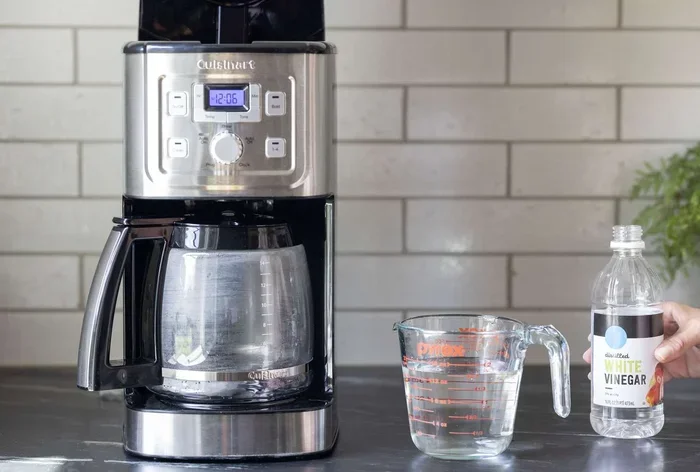
- Fill the water reservoir halfway with white distilled vinegar.
- Fill the rest of the way with warm water.
- Place a clean mug or carafe on the heating plate.
- Turn on the machine and run a full brew cycle.
- Let the machine sit for 30 minutes after the cycle finishes.
- Run two more cycles with plain water only.
The vinegar breaks down the mineral deposits during the brew cycle. The 30-minute rest lets it work on tough buildup. The two rinse cycles flush out any remaining vinegar taste. Your coffee will taste clean and fresh after this step.
If your machine has a cleaning indicator light, this is the perfect time to reset it. Check your manual for the reset process. Most Cuisinart models have a simple button combination to clear the light.
Step Three: Clean The Coffee Pot And Lid
The glass carafe and lid collect a lot of coffee oils and stains. These can make your coffee taste stale even after a clean brew cycle. Remove the lid from the carafe and wash both pieces separately.
Use warm soapy water and a soft sponge for the carafe. For stubborn coffee stains inside the pot, try this trick: add a teaspoon of baking soda and warm water. Let it sit for 15 minutes, then scrub gently. The baking soda acts as a natural abrasive that removes stains without scratching the glass.
For the lid, pay attention to the filter screen and any small crevices. Use your toothbrush to scrub away trapped coffee grounds and oils. Rinse everything well and dry with a clean towel. A spotless carafe means your coffee looks and tastes its best.
Step Four: Clean The Filter Basket And Permanent Filter
The filter basket holds the coffee grounds during brewing. It accumulates oils and fine particles that can go rancid. Remove the filter basket from the machine and wash it with warm soapy water.
If your Cuisinart uses a permanent mesh filter, soak it in warm soapy water for 10 minutes. Then use your brush to clean the mesh thoroughly. Coffee oils cling to metal filters more than paper ones. Regular soaking keeps them working properly.
For disposable paper filters, simply toss them after each use. But the basket itself still needs washing. Check the hinge and locking mechanism on the basket. Make sure it moves freely and latches properly. A sticky basket can cause brewing problems.
Step Five: Wipe Down The Exterior
Do not forget the outside of your machine. A quick wipe down keeps it looking great and removes surface grime. Use a damp cloth with a drop of mild dish soap. Wipe the housing, control panel, and warming plate.
For the warming plate, let it cool completely before cleaning. Coffee spills can bake onto the plate and become hard to remove. A paste of baking soda and water works wonders on baked-on stains. Apply it, let it sit for a few minutes, then wipe clean.
Never use abrasive cleaners or steel wool on the exterior. These can scratch the finish and make your machine look worn. A soft cloth is all you need for a shiny, clean exterior.
How Often Should You Clean Your Cuisinart Coffee Maker
Now that you know the steps, the next question is how often to do them. A cleaning schedule keeps your machine in top shape without being overwhelming.
- Daily: Rinse the carafe and filter basket after each use. Throw away used paper filters. Wipe any spilled coffee from the warming plate.
- Weekly: Wash all removable parts with warm soapy water. Wipe down the exterior and control panel.
- Monthly: Run a full descaling cycle with vinegar and water. This is the key step for coffee maker maintenance.
- Every 3-6 months: Do a deep clean of all parts including the water reservoir interior and hard-to-reach areas.
The frequency depends on how often you use your machine and how hard your water is. If you live in an area with hard water, you may need to descale more often. Look for signs like slower brewing times or a white film inside the reservoir. These tell you it is time for another cleaning session.
Common Mistakes People Make When Cleaning Coffee Makers
Even with good intentions, people sometimes make cleaning mistakes. These can damage your machine or leave it less clean than before. Here are the most common ones to avoid:
- Using harsh chemicals: Bleach and strong detergents can damage internal seals and leave toxic residues. Stick to vinegar and mild soap.
- Skipping the rinse cycles: After descaling, always run at least two full water cycles. Vinegar left behind will affect the taste of your coffee.
- Putting the carafe in the dishwasher: Some Cuisinart carafes are dishwasher safe, but others are not. Check your manual first. Dishwashers can cloud glass over time.
- Ignoring the water filter: If your Cuisinart has a charcoal water filter, replace it every 60 days. A clogged filter affects water flow and coffee taste.
- Not cleaning the carafe lid thoroughly: The lid’s filter screen traps oils and grounds. Neglecting it means stale flavors transfer to your next brew.
Avoiding these mistakes keeps your cleaning efforts effective. It also protects your investment in a quality coffee maker.
Expert Tips For Keeping Your Cuisinart In Top Shape
Beyond the basic cleaning steps, a few expert tips can make a big difference. These small habits keep your machine running at peak performance.
Use filtered water in your reservoir. Hard water is the number one cause of mineral buildup. Filtered water reduces scale formation significantly. Your machine will need less frequent descaling as a result.
Do not leave coffee sitting in the carafe for hours. Brewed coffee left on the warming plate turns bitter and can leave sticky residue. Pour your coffee into a thermos if you are not drinking it right away.
Run a plain water cycle once a week. This flushes out any remaining coffee oils and keeps the internal system fresh. It takes only a few minutes and makes a noticeable difference in taste.
Store your machine with the lid off. This allows air to circulate and prevents moisture buildup inside. Moisture encourages mold growth and can cause unpleasant odors over time.
Check your user manual for model-specific instructions. While this guide covers the general process, your specific Cuisinart model may have unique features or parts. The manual provides the most accurate guidance for your machine.
These tips pair perfectly with your regular cleaning routine. They take minimal time but deliver long-lasting results. Your morning coffee will always taste its best when you take care of the machine properly.
When To Replace Parts Instead Of Cleaning
Sometimes cleaning is not enough. Worn parts affect performance and can even pose safety risks. Knowing when to replace parts saves you from frustration and potential damage to your machine.
Watch for these signs that a part needs replacing:
- The carafe has deep scratches or chips that cannot be cleaned away.
- The filter basket hinge is broken or does not latch securely.
- The water reservoir cracks or leaks during brewing.
- The charcoal water filter looks discolored even after soaking.
- The heating plate no longer maintains a consistent temperature.
Replacement parts for Cuisinart machines are widely available online and at most kitchen supply stores. Using genuine Cuisinart parts ensures the best fit and performance. Regular inspection helps you catch worn parts before they cause bigger problems.
Final Thoughts On Cleaning Your Cuisinart 12-Cup Coffee Maker
Learning how to clean Cuisinart coffee maker 12 cup models is one of the simplest ways to improve your daily coffee experience. A clean machine brews better coffee, lasts longer, and stays hygienic for your family. The process is straightforward and requires only common household items.
Set a cleaning schedule and stick to it. Monthly descaling, weekly part washing, and daily rinsing keep everything in order. Your coffee will taste fresher and your machine will run smoother. It is a small effort that pays off every single morning.
Remember that every part of your coffee maker matters. From the water reservoir to the carafe lid, each piece plays a role in delivering that perfect cup. Give each part the attention it deserves during your cleaning routine. Your Cuisinart will reward you with great-tasting coffee for years to come.
If you ever need help with other kitchen appliances, check out our guide on how to decalcify a Keurig coffee maker for more descaling tips. You can also learn how to clean a Whirlpool oven for broader kitchen cleaning advice. And for deep cleaning your coffee equipment, our article on cleaning a commercial convection oven covers powerful techniques that also work for home appliances.
Take a few minutes today to give your coffee maker the care it deserves. Tomorrow morning, you will taste the difference in every sip. Happy brewing!
Frequently Asked Questions
Can I use lemon juice instead of vinegar to descale my Cuisinart?
Yes, lemon juice works as a natural descaler too. It contains citric acid which dissolves mineral buildup just like vinegar. However, vinegar is more commonly used and tends to be more effective on tough deposits. Either option works well for routine cleaning.
How do I know if my Cuisinart coffee maker needs descaling?
Look for signs like slower brewing times, a white or chalky film inside the reservoir, or a change in coffee taste. Many Cuisinart models also have a cleaning indicator light that turns on when descaling is needed. If you notice any of these signs, it is time to run a descaling cycle.
Is it safe to run vinegar through my coffee maker?
Absolutely. White distilled vinegar is safe and effective for cleaning coffee makers. It is a natural acid that breaks down mineral deposits without damaging internal parts. Just make sure to run two to three plain water rinse cycles after the vinegar cycle to remove any lingering taste.
Can I put the glass carafe in the dishwasher?
Check your Cuisinart user manual first. Most glass carafes are dishwasher safe, but some models recommend hand washing. Dishwashers can cause glass to cloud over time, especially with high heat cycles. Hand washing with warm soapy water keeps the carafe clear and clean longer.
What is the best way to remove coffee stains from the carafe?
Baking soda paste is the best natural stain remover for coffee carafes. Mix a tablespoon of baking soda with a little warm water to form a paste. Apply it to the stains, let it sit for 15 minutes, then scrub gently with a soft sponge. For tough stains, add a little rice to the paste and swirl it around for extra scrubbing power.
How often should I replace the charcoal water filter in my Cuisinart?
Replace the charcoal water filter every 60 days or about every two months. If you use your machine frequently or have hard water, you may need to replace it more often. A clogged or old filter reduces water flow and can affect the taste of your coffee. Simply rinse the new filter before placing it in the reservoir.