Simple Ways How To Make Coffee More Caffeinated Today
Want to learn how to make coffee more caffeinated at home? This guide covers the best methods to boost your caffeine content using the right beans, brewing techniques, and simple tricks. Whether you want strong coffee or a caffeine boost, these tips will help you get the most out of every sip.
There are few things in life as satisfying as a hot cup of morning coffee that wakes you up and gets you ready for the day. But sometimes your regular brew just does not hit the mark. You want that deep, powerful energy boost that keeps you sharp and focused. The good news is that how to make coffee more caffeinated is simpler than most people think. You do not need expensive equipment or fancy gadgets. A few smart changes to your routine can transform a weak cup into a powerful caffeine boost.
Many coffee lovers search for ways to make coffee more caffeinated without changing their favorite brand or coffee maker. The truth is that several factors control how much caffeine ends up in your cup. From the type of beans you choose to the way you brew, every step matters. In this guide, we will walk you through proven methods that actually work. You will learn how to adjust your coffee brewing process, pick the right beans, and even add extra espresso for a bigger punch.
While you are experimenting with your morning routine, you might also find yourself making a solar oven with aluminum foil for weekend projects or outdoor cooking. A strong cup of caffeinated coffee pairs perfectly with any hands-on morning activity, keeping your energy levels high while you create something new.
Key Takeaways
- Choose the right beans: Light roast and fresh whole beans contain more caffeine than dark roast and pre-ground options.
- Adjust your coffee ratio: Using more grounds per cup significantly increases the caffeine content of your brew.
- Extend brew time and use finer grounds: Both methods improve coffee extraction and deliver a stronger caffeinated beverage.
- Add espresso shots: Dropping in a shot or two is the fastest way to make coffee more caffeinated at home.
- Avoid common mistakes: Using water that is too cool or old beans can ruin your coffee strength and energy boost.
📑 Table of Contents
- Understanding How To Make Coffee More Caffeinated
- Choose the Right Coffee Beans for More Caffeine
- Adjust Your Brewing Method for a Stronger Cup
- Optimize Water Temperature and Quality
- Add Extra Espresso or Double Up Your Shots
- Quick Tips and Common Mistakes
- Expert Insights on Caffeine and Coffee
- Conclusion
Understanding How To Make Coffee More Caffeinated
Before you change anything about your routine, it helps to understand what actually controls the caffeine content in your cup. Many people assume that all coffee has the same amount of caffeine. That is not true at all. Several key factors determine how much caffeine you get from each cup.
The Science Behind Caffeine in Coffee
Caffeine is a natural stimulant found in coffee beans. When you brew coffee, hot water pulls the caffeine and other compounds out of the grounds. This process is called coffee extraction. The more efficiently your water extracts caffeine, the stronger your cup will be.
The caffeine content depends on three main things: the amount of coffee you use, the grind size, and the brew time. More grounds, a finer grind, and longer brewing all lead to more caffeine in your cup. Understanding this basic science helps you make informed choices every time you brew.
How Much Caffeine Do You Actually Need
The average cup of coffee contains about 95 milligrams of caffeine. But if you want a real energy boost, you may need more. Some people drink two or three cups just to feel alert. Others look for ways to make coffee more caffeinated in a single cup.
The safe daily limit for caffeine is about 400 milligrams for most adults. That is roughly four cups of regular coffee. If you want to increase your intake, do it gradually. Pay attention to how your body responds. Too much caffeine can cause jitters, anxiety, and trouble sleeping.
Choose the Right Coffee Beans for More Caffeine
The beans you use are the foundation of every cup. Choosing the right coffee beans can make a big difference in your coffee strength and overall caffeine content. Many people overlook this simple step, but it is one of the most effective ways to get a stronger brew.
Dark Roast vs Light Roast
There is a common myth that dark roast coffee has more caffeine than light roast. The opposite is actually true. Light roast beans retain more caffeine because they are roasted for a shorter time. The high heat of dark roasting breaks down some of the caffeine.
If your goal is a caffeine boost, reach for light roast beans. They also tend to have more complex flavors, which can make your morning coffee more enjoyable. Look for beans that are labeled as light or medium roast for the best results.
Fresh vs Pre-Ground Coffee
Fresh whole beans always produce a better cup than pre-ground coffee. When coffee is ground, it starts to lose its oils and flavor quickly. This also affects how much caffeine you extract during brewing.
Buy whole beans and grind them just before you brew. This gives you the most control over your coffee ratio and ensures maximum coffee extraction. A simple burr grinder at home makes a huge difference. You will taste and feel the difference in every cup.
Adjust Your Brewing Method for a Stronger Cup
Your brewing method is the biggest variable you can control. Small changes to how you brew can significantly increase the caffeine content and coffee strength of your drink. You do not need to buy a new machine to get better results.
Increase the Coffee-to-Water Ratio
The most straightforward way to make coffee more caffeinated is to use more coffee grounds. Most standard recipes call for about two tablespoons of grounds per six ounces of water. But if you want a stronger cup, try adding an extra tablespoon.
Experiment with different ratios until you find what works for you. A coffee ratio of one part coffee to fifteen parts water is a good starting point. From there, you can adjust based on your taste and caffeine needs. More grounds mean more caffeine, but be careful not to overdo it or your coffee may taste bitter.
Extend the Brew Time
Longer brewing means more extraction. If you use a drip coffee maker, try letting it run a bit longer. For French press users, simply wait an extra minute or two before pressing down the plunger.
The brew time directly affects how much caffeine ends up in your cup. Most methods work best between three and five minutes. Going beyond that can over-extract and create a harsh taste. Find the sweet spot that gives you the caffeine boost you want without sacrificing flavor.
Use Finer Grounds for Better Extraction
Finer grounds have more surface area, which means more caffeine gets extracted into the water. If you are using a coffee maker with a standard filter, try switching to a slightly finer grind.
Be careful not to go too fine, though. Extremely fine grounds can clog filters and make your coffee gritty. A medium-fine grind is usually the sweet spot for most home brewing methods. This small change can noticeably improve your coffee strength and caffeine content.
Optimize Water Temperature and Quality
The water you use matters more than most people realize. Hot water is the solvent that pulls caffeine and flavor from the grounds. If your water is too cool, you will under-extract and get a weak cup.
The Ideal Brewing Temperature
The ideal water temperature for brewing coffee is between 195 and 205 degrees Fahrenheit. Water that is too hot can burn the grounds and create a bitter taste. Water that is too cool will not extract enough caffeine or flavor.
Use a simple kitchen thermometer to check your water if you are serious about getting the best results. This is one of those small details that makes a big difference. Proper hot water brewing ensures you get the full caffeine boost from your grounds.
Use Filtered Water for Better Taste
The quality of your water affects the taste of your coffee. Tap water often contains chlorine and minerals that can interfere with coffee extraction. Filtered water produces a cleaner, smoother cup.
While filtered water does not change the caffeine content directly, it does improve the overall flavor. When your coffee tastes better, you are more likely to enjoy it and drink more. And more coffee naturally means more caffeine.
Add Extra Espresso or Double Up Your Shots
If you want the fastest and most effective way to make coffee more caffeinated, adding espresso is the answer. A single shot of espresso contains about 63 milligrams of caffeine, which is concentrated and potent.
How to Add Espresso to Regular Coffee
If you have an espresso machine or a stovetop moka pot, you can easily add a shot to your regular brew. Simply brew your normal coffee and pour in a fresh espresso shot. This creates a powerful caffeinated beverage that delivers both flavor and a serious energy boost.
You can also try a red eye, which is a drip coffee with a shot of espresso added. It is a popular order at coffee shops for a reason. The combination of drip coffee and espresso creates a drink that is both familiar and much stronger than either one alone.
Cold Brew Concentrate as a Boost
Cold brew coffee is naturally higher in caffeine than hot brewed coffee because of the long steeping process. Making a cold brew concentrate and adding it to your regular hot coffee is another excellent way to increase your caffeine content.
To make cold brew concentrate, steep coarse coffee grounds in cold water for 18 to 24 hours. Then dilute to taste. You can store the concentrate in the fridge and add it to hot water or milk whenever you need a stronger cup. It is one of the easiest methods for a daily caffeine boost.
While you are at home perfecting your coffee routine, you might also find yourself using your oven to reheat food for a quick meal. A strong, highly caffeinated cup of coffee pairs wonderfully with a warm reheated dish, making any afternoon feel more productive and enjoyable.
Quick Tips and Common Mistakes
Now that you know the methods, let us look at some practical tips and the mistakes many people make. These small adjustments can take your coffee strength to the next level.
Quick Tips for Maximum Caffeine
- Always use fresh beans for the best coffee extraction and flavor.
- Grind your beans just before brewing to preserve caffeine and oils.
- Use a kitchen scale to measure your coffee ratio precisely.
- Heat your water to the correct temperature before pouring it over the grounds.
- Try a double shot of espresso if you need an immediate energy boost.
- Experiment with cold brew concentrate for a naturally stronger cup.
Common Mistakes to Avoid
Many people unknowingly weaken their coffee. Avoid these common errors to get the most out of your brew.
- Using old or stale beans: Coffee loses its flavor and caffeine potency over time. Store beans in an airtight container away from light.
- Using water that is too hot: Boiling water burns the grounds and creates a bitter taste. Let your water cool slightly before brewing.
- Skipping the grind adjustment: Different brewing methods need different grind sizes. Using the wrong size can ruin your coffee strength.
- Not measuring your grounds: Scooping loosely leads to inconsistent cups. Always measure for the best caffeine content.
- Rushing the brew time: Patience is key. Let your coffee brew for the full recommended time to maximize extraction.
For those who enjoy a morning routine that includes making garlic bread with garlic powder in the oven, starting the day with an extra strong cup of coffee sets the perfect tone for a productive and enjoyable morning.
Expert Insights on Caffeine and Coffee
Coffee professionals and nutritionists agree that a few key habits separate a good cup from a great one. According to the Specialty Coffee Association, water quality and bean freshness are the two biggest factors that affect coffee extraction and flavor. Baristas recommend weighing your coffee and water for consistency every time you brew.
Nutritionists also point out that caffeine affects everyone differently. Your body weight, tolerance, and genetics all play a role in how you respond to a caffeinated beverage. Some people are more caffeine sensitive and may need to limit their intake. Others can drink multiple cups without any issues. Listen to your body and adjust accordingly.
One expert tip from professional baristas is to “bloom” your coffee grounds before brewing. This means pouring a small amount of hot water over the grounds and waiting 30 seconds. The bloom releases carbon dioxide and allows for more even extraction. This simple step can improve the coffee strength and flavor of every cup you make.
Conclusion
How to make coffee more caffeinated comes down to a few simple, actionable steps. Choose light roast beans for more caffeine, use fresh grounds, and adjust your coffee ratio to your liking. Control your water temperature, extend your brew time, and consider adding espresso or cold brew concentrate for an extra punch.
These methods work together to give you the energy boost and coffee strength you are looking for. You do not need to spend a lot of money or buy expensive gear. Just a few smart changes to your daily routine can make a huge difference. Start with one or two tips and build from there.
Remember that the goal is not just more caffeine but a better cup of coffee overall. When you pay attention to the details, every sip becomes more rewarding. So go ahead, experiment with these methods, and enjoy a stronger, more satisfying cup of morning coffee every single day.
Frequently Asked Questions
Can I make coffee more caffeinated by using more water?
No, adding more water actually dilutes the caffeine in your cup. To increase caffeine, you should use more coffee grounds or extend your brew time. More water without more grounds will only make a weaker caffeinated beverage with less of a caffeine boost.
Does decaf coffee have any caffeine?
Yes, decaf coffee is not completely caffeine-free. A typical cup of decaf contains about 2 to 5 milligrams of caffeine. While it is very low compared to regular coffee, it is not zero. If you are trying to avoid caffeine entirely, look for products labeled as “caffeine-free” rather than just “decaf.”
Is cold brew coffee more caffeinated than hot coffee?
Cold brew is often more caffeinated because it uses a higher ratio of coffee to water and steeps for a longer time. The long extraction process pulls out more caffeine from the grounds. However, cold brew is usually diluted before serving, so the final caffeine content depends on how much you dilute it.
How can I reduce caffeine sensitivity while still enjoying coffee?
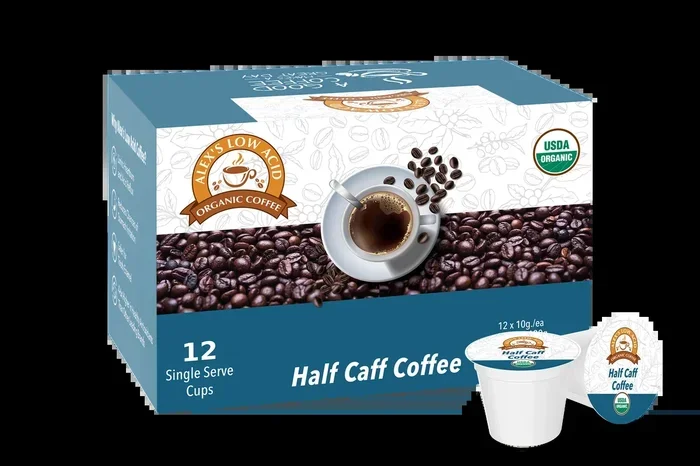
If you are caffeine sensitive, try switching to half-caf or mixing regular coffee with decaf. You can also reduce your brew time or use fewer grounds to lower the caffeine content per cup. Drinking coffee with food can also slow caffeine absorption and reduce jitters.
What is the best time of day to drink caffeinated coffee?
The best time is mid-morning, about 9 to 11 a.m. This is when your cortisol levels naturally dip, and caffeine can provide the most effective energy boost. Avoid drinking coffee late in the afternoon or evening, as it can interfere with your sleep quality and leave you feeling tired the next day.
Can I add milk or cream to make coffee more caffeinated?
No, milk and cream do not add caffeine to your coffee. They only change the texture and flavor. To make your coffee more caffeinated, focus on using more grounds, a finer coffee ratio, or adding an extra shot of espresso. Milk and cream are great for taste but not for boosting your caffeine content.