How To Use Cuisinart Coffee Maker And Get Great Coffee
Using a Cuisinart coffee maker is simple once you know the basics. This guide walks you through setup, brewing, cleaning, and troubleshooting so you can make great coffee every single day. Whether you own a drip model or a single-serve machine, you will find clear steps and expert tips inside.
There are few things in life as satisfying as a fresh cup of coffee made right at home. The Cuisinart coffee maker has become one of the most popular choices for home brewers. It is reliable, easy to use, and delivers consistent results every time. Whether you are a complete beginner or have owned one for years, this guide will help you get the most out of your machine.
In this article, we will walk you through everything you need to know. You will learn how to set up your machine, brew your first cup, clean it properly, and fix common problems. By the end, you will feel confident making coffee like a pro. Let us get started.
Key Takeaways
- Setup is fast: Unbox, add water, insert a filter, and you are ready to brew.
- Brew strength matters: Use the brew strength control to customize your cup.
- Cleaning keeps it running: Descale your machine every 1-3 months for the best taste.
- Use fresh grounds: Grind your beans right before brewing for maximum flavor.
- Troubleshooting is easy: Most common issues have simple fixes you can do at home.
📑 Table of Contents
- Why the Cuisinart Coffee Maker Is a Great Choice
- Getting to Know Your Cuisinart Coffee Maker Parts
- How to Set Up Your Cuisinart Coffee Maker for the First Time
- Brewing Your First Cup of Coffee
- How to Clean and Maintain Your Cuisinart Coffee Maker
- Common Problems and How to Fix Them
- Tips for Getting the Best Coffee Every Time
- Expert Insights on Coffee Maker Maintenance
- How to Get the Most Out of Your Cuisinart Coffee Maker
- Conclusion
Why the Cuisinart Coffee Maker Is a Great Choice
The Cuisinart coffee maker stands out for many reasons. It is built to last, easy to operate, and packed with useful features. Many models come with programmable settings so you can wake up to fresh coffee. The brew strength control lets you choose between regular and bold. This means you can tailor every cup to your personal taste.
Cuisinart also designs its machines with convenience in mind. The water reservoir is usually large enough for multiple cups. The drip coffee maker models often include a pause-and-pour feature. This lets you grab a cup mid-brew without making a mess. Plus, most parts are dishwasher safe, which makes cleanup a breeze.
If you are comparing options, the Cuisinart brand offers a wide range of prices and styles. You can find basic models or advanced ones with built-in grinders. No matter your budget, there is likely a Cuisinart machine that fits your needs.
Who Should Use a Cuisinart Coffee Maker?
Almost anyone can benefit from a Cuisinart machine. Here are a few examples:
- Busy professionals who want quick, reliable coffee in the morning.
- Families who need to brew multiple cups at once.
- Coffee lovers who want to experiment with brew strength and timing.
- Beginners who have never used a programmable coffee maker before.
Getting to Know Your Cuisinart Coffee Maker Parts
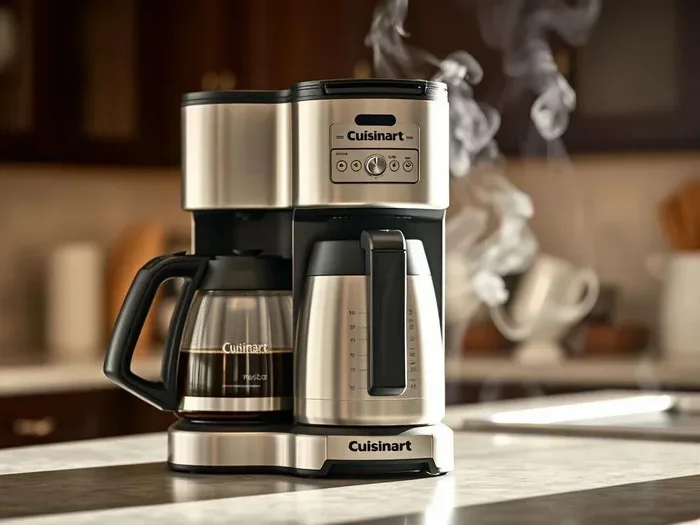
Before you start brewing, it helps to know the main parts of your machine. Understanding each piece makes the whole process easier. Most Cuisinart drip coffee makers share the same basic components.
The Water Reservoir
The water reservoir is where you pour in fresh, cold water before brewing. It is usually located on the back or side of the machine. The reservoir has measurement markings on the side. These markings help you add the right amount of water for the number of cups you want to brew.
The Filter Basket
The filter basket holds the coffee filter and grounds. Most Cuisinart machines use a standard cone-shaped or basket-style filter. You can use paper filters or reusable metal ones. The basket slides into place easily and usually has an arrow or guide to show you the correct direction.
The Carafe
The glass carafe catches the brewed coffee as it drips through. Cuisinart carafes are typically dishwasher safe. Many models include a lid that locks in place to prevent spills. The carafe sits on a warming plate that keeps your coffee hot after brewing is complete.
The Control Panel
The control panel is where you set your brew options. Depending on your model, you may see buttons for:
- Brew strength (regular or bold)
- Programmable timer (set a delayed start)
- Brew pause (pause mid-brew to pour a cup)
- Auto shut-off (turns the machine off after a set time)
How to Set Up Your Cuisinart Coffee Maker for the First Time
Setting up your new Cuisinart coffee maker is quick and straightforward. Follow these steps carefully to ensure the best performance from day one.
Step 1: Unbox and Inspect
Remove all packaging materials from the box. Check that every part is included. You should have the main machine, the carafe, the filter basket, and a user manual. If anything is missing or damaged, contact the manufacturer right away.
Step 2: Wash All Parts
Before using the machine for the first time, wash the carafe, lid, and filter basket with warm soapy water. Rinse them thoroughly. This removes any dust or residue from the manufacturing process. Do not put the main machine unit in water. Wipe it with a damp cloth instead.
Step 3: Run a Water-Only Cycle
Fill the water reservoir with clean, cold water up to the maximum line. Place the carafe on the warming plate. Do not add coffee grounds or a filter. Turn the machine on and let it run a full cycle. This flushes out any remaining particles inside the machine.
Once the cycle is complete, discard the water from the carafe. Your machine is now ready for its first real brew.
Brewing Your First Cup of Coffee
Now comes the fun part. Brewing coffee with your Cuisinart drip coffee maker is simple once you know the steps. Follow this guide for a perfect cup every time.
Step 1: Add Water
Open the reservoir lid and pour in cold, filtered water. Use the measurement markings on the carafe or the reservoir to guide you. A general rule is to use about 6 ounces of water per cup. Adjust this amount based on how strong you like your coffee.
Step 2: Insert the Filter
Place a paper or reusable filter into the filter basket. If you are using a paper filter, fold the sides as shown in the instructions. If you are using a reusable metal filter, make sure it is clean and dry before use.
Step 3: Add Coffee Grounds
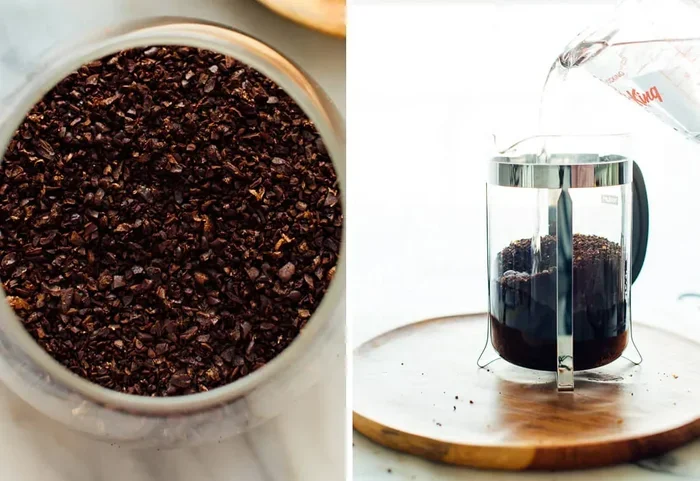
Add your ground coffee to the filter. The standard ratio is about 1 to 2 tablespoons of coffee per 6 ounces of water. For a stronger brew, use more grounds. For a milder cup, use less. If you grind your own beans, make sure the grind size is appropriate for a drip coffee maker. A medium grind works best for most Cuisinart machines.
If you have a Cuisinart coffee grinder, you can grind your beans fresh right before brewing. Freshly ground coffee makes a noticeable difference in flavor. If you do not have a grinder, pre-ground coffee from the store works perfectly fine too.
Step 4: Choose Your Settings
Close the lid and set your preferred brew options. If your machine has a brew strength control, select regular or bold. If you want the coffee ready when you wake up, use the programmable timer to set a delayed start. Make sure the carafe is placed on the warming plate before you begin.
Step 5: Press Brew
Press the brew button and let the machine do its work. Most Cuisinart models will take about 5 to 10 minutes to brew a full pot. If you need a cup in a hurry, use the brew pause feature. Simply lift the carafe off the plate, and the drip will stop temporarily. Pour your cup, set the carafe back down, and brewing will resume.
Step 6: Serve and Enjoy
Once brewing is complete, pour your coffee into a mug and enjoy it while it is hot. If you like iced coffee, let the brewed coffee cool first, then pour it over ice. You can also use your Cuisinart coffee maker to make iced coffee drinks. For a fun twist, try making your own Dunkin-style iced coffee at home using your freshly brewed pot.
Quick Tips for Better Brewing
- Always use cold, filtered water for the best taste.
- Do not fill the reservoir above the maximum line.
- Store coffee grounds in an airtight container to keep them fresh.
- Use a medium grind size for drip coffee makers.
- Clean your machine regularly to prevent buildup and off-flavors.
How to Clean and Maintain Your Cuisinart Coffee Maker
Keeping your Cuisinart coffee maker clean is essential for great-tasting coffee. Over time, mineral deposits and coffee oils can build up inside the machine. Regular cleaning prevents this buildup and extends the life of your brewer.
Daily Cleaning Routine
After each use, take a few minutes to clean up. Remove the filter basket and discard the used grounds. Rinse the basket with warm water. Wash the carafe and lid with warm soapy water, then dry them thoroughly. Wipe the outside of the machine with a damp cloth. These simple steps keep your coffee maker looking and performing its best.
Weekly Cleaning
Once a week, give your machine a deeper clean. Remove the filter basket and wash it thoroughly with warm soapy water. Check the warming plate for any stuck-on coffee residue. Wipe it down with a damp cloth. Also, wipe the inside of the water reservoir to remove any visible buildup.
Monthly Descaling
Mineral deposits from tap water can accumulate inside your machine over time. This process is called limescale buildup. Descaling removes these deposits and keeps your coffee tasting fresh. To descale your Cuisinart machine, follow these steps:
- Fill the water reservoir with a mixture of half white vinegar and half water.
- Run a full brew cycle without coffee grounds.
- Once the cycle is complete, discard the vinegar solution.
- Run two to three more cycles with clean water to rinse out any vinegar taste.
For a more convenient alternative, you can use a commercial descaling solution designed for coffee makers. These products work just as well and often have a more pleasant scent.
If you own a Keurig or similar single-serve machine, you might want to check out our guide on how to decalcify a Keurig coffee maker. The descaling process is similar across most coffee maker brands.
Replacing Filters
If you use a charcoal water filter in your reservoir, replace it every 60 days or as recommended by the manufacturer. These filters help remove impurities from the water, which improves the taste of your coffee. Check your user manual for the exact replacement schedule for your specific model.
Common Problems and How to Fix Them
Even the best coffee makers can have occasional issues. Most problems are easy to fix without calling a technician. Here are some of the most common issues and their solutions.
Machine Will Not Turn On
If your Cuisinart coffee maker does not power on, check the following:
- Make sure the machine is plugged in securely.
- Check your home’s circuit breaker or outlet.
- Ensure the carafe is properly seated on the warming plate. Many machines have a safety switch that prevents brewing if the carafe is not in place.
Coffee Tastes Weak or Bitter
Weak coffee usually means you are using too few grounds or too much water. Adjust the ratio and try again. Bitter coffee can result from using too many grounds or grinding the beans too fine. Try using less coffee or a coarser grind size. Also, make sure your machine is clean. Old coffee oils can turn bitter over time.
Water Is Not Draining Properly
If water is sitting in the reservoir and not dripping through, there may be a clog. Check the filter basket area for any stuck grounds or debris. Run a vinegar and water cycle to clear mineral buildup inside the tubes. If the problem persists, check the coffee maker filter for any blockages.
Coffee Is Not Hot Enough
If your brewed coffee feels lukewarm, the warming plate may need cleaning. Wipe it down and check for any residue. Also, make sure the carafe lid is closed properly to retain heat. Preheating the carafe with hot water before brewing can also help keep your coffee hotter for longer.
Tips for Getting the Best Coffee Every Time
Making great coffee is about more than just pressing a button. Small details can make a big difference in flavor and quality. Here are some expert tips to elevate your daily brew.
Use Fresh, Quality Beans
The quality of your coffee starts with the beans. Buy whole beans from a reputable roaster and store them in an airtight container. Grind them just before brewing for the freshest possible flavor. If you do not have a grinder, look for whole beans at your local grocery store and ask the staff to grind them for you. Many stores offer grind settings for different brew methods.
Pay Attention to Water Quality
Coffee is about 98 percent water, so the water you use matters a lot. Use filtered or spring water for the best results. Avoid distilled water, as it can taste flat. Also, always use cold water. Hot water from the tap can contain minerals and off-flavors that affect your coffee.
Experiment with Brew Ratios
Everyone has different taste preferences. Do not be afraid to experiment. Start with the standard ratio of 1 to 2 tablespoons per 6 ounces of water. Then adjust from there. If you like stronger coffee, add more grounds. If it is too intense, use less. Keeping a simple log of what works can help you dial in your perfect cup over time.
Use the Right Grind Size
Grind size plays a huge role in how your coffee tastes. For a Cuisinart drip coffee maker, a medium grind is ideal. It is not too fine and not too coarse. If the grind is too fine, the coffee can become over-extracted and bitter. If it is too coarse, the coffee may taste weak and watery.
If you enjoy experimenting with different grind sizes, make sure your grinder can handle the right texture. Some grinders work better for wet grinding or specific brew methods. You can learn more about grinder capabilities in our article on can a coffee grinder be used for wet grinding.
Keep Your Machine in a Cool, Dry Place
Where you place your coffee maker matters. Keep it away from direct sunlight and heat sources like stoves or ovens. A cool, dry spot helps the machine operate efficiently and prevents damage to the plastic components over time.
Expert Insights on Coffee Maker Maintenance
Coffee experts agree that regular maintenance is the key to long-lasting performance. A well-cleaned machine brews better coffee and lasts for years. Here are a few professional tips:
- Descale every month if you live in an area with hard water. Hard water causes faster mineral buildup.
- Never use abrasive cleaners on the inside of the machine. Stick to vinegar and water or a dedicated descaling solution.
- Replace worn parts promptly. A damaged carafe or cracked filter basket can affect brew quality.
- Run a cleaning cycle after making flavored coffees or teas. Residue from additives can linger and affect future brews.
Taking care of your machine is an investment. A few minutes of maintenance each week saves you from costly repairs or replacements down the road.
How to Get the Most Out of Your Cuisinart Coffee Maker
Your Cuisinart coffee maker can do more than just brew a standard pot of coffee. With a little creativity, you can use it to make a variety of drinks and even prepare certain foods. Here are some ideas to expand your use.
Make Iced Coffee for Warm Days
Brew a full pot of coffee and let it cool to room temperature. Pour it over a glass filled with ice cubes. Add milk, cream, or sweetener to taste. For a more indulgent treat, try making a homemade iced coffee with flavored syrups or cocoa powder. It is a refreshing alternative to your regular morning routine.
Warm Up Leftover Coffee
If you have leftover brewed coffee, you can reheat it in your coffee maker. Simply add water to the reservoir, pour in the leftover coffee, and run a quick brew cycle. This is a great way to avoid wasting coffee and still enjoy a warm cup later in the day.
Use It for Hot Water
In a pinch, your Cuisinart drip coffee maker can serve as a hot water dispenser. Simply run a cycle with no coffee grounds in the filter. This works great for making instant oatmeal, hot chocolate, or even tea.
Conclusion
The Cuisinart coffee maker is a reliable and versatile machine that can make your daily coffee routine something to look forward to. From setup to brewing to cleaning, this guide has covered everything you need to know. By following the steps outlined here, you will enjoy great coffee every single morning.
Remember to keep your machine clean, use fresh grounds and filtered water, and do not be afraid to experiment with settings and ratios. A little care goes a long way in extending the life of your coffee maker and improving the taste of every cup. Now go ahead, brew a pot, and savor the results.
Frequently Asked Questions
How long does it take a Cuisinart coffee maker to brew a full pot?
A full 12-cup pot typically takes about 5 to 10 minutes. The exact time depends on your model and the brew strength setting you choose. If the machine is taking much longer, it may need cleaning or descaling.
Can I use regular ground coffee in a Cuisinart coffee maker?
Yes, you can use any standard ground coffee. A medium grind works best for drip machines. You can also use pre-ground coffee from the store or grind your own beans for a fresher flavor.
How often should I clean my Cuisinart coffee maker?
You should do a quick daily rinse after each use. Wash the carafe and filter basket weekly. Descale the machine monthly, or every 1 to 3 months depending on how often you use it and the hardness of your water.
Why does my Cuisinart coffee maker stop brewing mid-cycle?
This is usually caused by the brew pause feature. If you lifted the carafe off the warming plate, the machine paused automatically. Place the carafe back on the plate and press brew to resume. If this does not work, check that the water reservoir has enough water.
Can I leave my Cuisinart coffee maker on overnight?
It is not recommended. Most Cuisinart models have an auto shut-off feature that turns the machine off after 2 to 4 hours. However, leaving any appliance on unattended is a safety risk. Always turn it off when you are done.
What is the best water to use in a Cuisinart coffee maker?
Filtered or spring water produces the best-tasting coffee. Avoid distilled water, which can taste flat, and tap water with heavy mineral content. Good water quality makes a noticeable difference in the flavor of your brew.