How To Use Steel Filter Coffee Maker And Get Great Coffee
A steel filter coffee maker is a simple, eco-friendly way to brew delicious coffee at home. This guide walks you through every step, from setting up your machine to perfecting your brew ratio and keeping your coffee maker clean. You will learn how to choose the right grounds, control water temperature, and avoid common mistakes that ruin your coffee. Whether you are a beginner or a coffee lover looking to upgrade, this guide has everything you need.
Making great coffee at home does not need to be complicated. A steel filter coffee maker gives you a simple, reliable way to enjoy a rich and full-bodied cup every single morning. Unlike paper filters that trap oils and fine particles, a stainless steel filter lets them pass through. The result is a bolder, more flavorful brew that many coffee lovers prefer.
Whether you are new to coffee brewing or looking to switch from paper filters, this guide has you covered. You will learn exactly how to use a steel filter coffee maker step by step. We will cover everything from choosing the right coffee grounds to cleaning and maintaining your machine. By the end, you will know how to pull the perfect cup every time.
The beauty of a steel filter coffee maker is its simplicity. There are no fancy buttons or complicated settings. You add coffee, add water, and let the machine do the work. But small details like grind size, water temperature, and brew ratio make a huge difference. This guide breaks all of that down into easy, actionable steps you can start using right away.
Key Takeaways
- Steel filters are reusable and eco-friendly: They replace paper filters and save money over time while reducing waste.
- Brewing with a steel filter is simple: Just add grounds, pour hot water, and let the coffee drip through the filter.
- Grind size matters a lot: A medium-coarse grind works best for steel filter coffee makers to prevent clogging and over-extraction.
- Regular cleaning keeps coffee tasting fresh: Descaling and rinsing your steel filter after each use prevents buildup and off-flavors.
- Water temperature is key: The ideal range is 195°F to 205°F for optimal extraction and great flavor.
- Steel filters produce a bolder, fuller cup: They allow more oils and fine particles through compared to paper filters, creating a richer taste.
📑 Table of Contents
What Is A Steel Filter Coffee Maker?
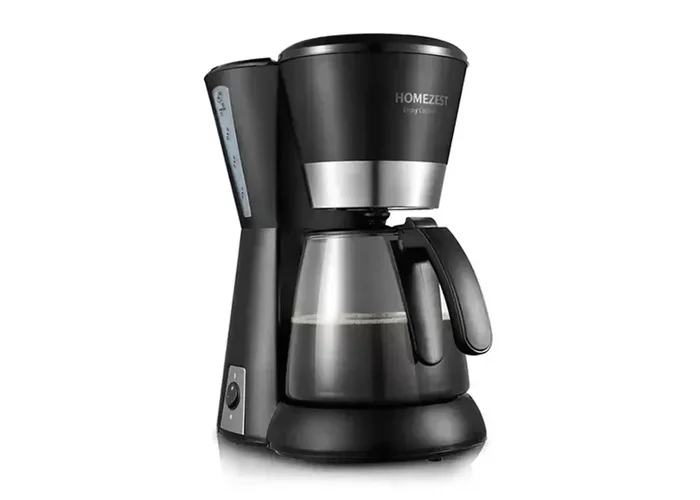
A steel filter coffee maker is a coffee brewing device that uses a reusable stainless steel filter instead of disposable paper ones. The steel filter sits inside the machine where a paper filter would normally go. Water passes through the coffee grounds and the steel mesh, dripping into your carafe or mug below.
These coffee makers come in different styles. Some look like traditional drip coffee makers. Others are pour-over designs or French press-style machines. No matter the shape, the core idea is the same: a metal mesh filter that catches the grounds but lets the coffee oils through.
Why Choose A Steel Filter Over Paper?
There are several reasons people switch to a steel filter coffee maker. First, they are reusable. You rinse the filter after each use and it lasts for years. This means no more buying paper filters every week. Over time, this saves money and reduces waste.
Second, steel filters produce a different taste. Because the mesh is finer than paper, more of the coffee oils and micro-grounds pass through. This gives the coffee a fuller body and richer flavor. Many coffee enthusiasts say steel-filtered coffee tastes more like what you would get from a professional café.
Third, steel filters are durable. A good quality stainless steel filter can last a lifetime with proper care. You do not have to worry about it tearing or falling apart like paper filters sometimes do.
How To Set Up Your Steel Filter Coffee Maker
Before you brew your first cup, you need to set everything up correctly. The setup process is quick and easy, but doing it right makes a big difference in taste.
Step 1: Wash All Parts
Start by washing every part of your steel filter coffee maker with warm water and mild dish soap. This removes any dust or manufacturing residue from the steel filter and other components. Rinse everything thoroughly and let it air dry.
Even if the parts look clean, give them a first wash. New coffee equipment can have a metallic or factory smell. Washing removes that and ensures your first brew tastes clean and fresh.
Step 2: Place The Steel Filter In Position
Next, place the steel filter into the filter basket. Make sure it sits flat and snugly. A loose filter can cause water to bypass the grounds, leading to weak coffee. Push it down gently until it clicks or sits firmly in place.
Some steel filters have a rim that helps them grip the basket. Check that the filter is seated properly before you add coffee grounds. This small step prevents brewing problems later.
Step 3: Add Water And Coffee
Fill the water reservoir with fresh, cold water. Use filtered water if possible, as it tastes better and reduces mineral buildup inside your machine. Then add your coffee grounds to the steel filter.
We will talk more about the right amount of grounds in the next section. But for now, a good starting point is two tablespoons of coffee per six ounces of water. Adjust to your taste from there.
How To Brew Coffee With A Steel Filter
Brewing coffee with a steel filter coffee maker is straightforward. But a few key details will elevate your cup from average to excellent.
Step 1: Grind Your Coffee Beans
Grind size is one of the most important factors in coffee brewing. For a steel filter coffee maker, use a medium-coarse grind. This is slightly coarser than what you would use for a paper filter drip machine.
A medium-coarse grind looks like rough sand or sea salt. It is not as fine as espresso grounds and not as chunky as French press grounds. This size allows water to flow through at the right speed, extracting flavor without clogging the steel mesh.
If you use a grind that is too fine, the coffee will be slow to drip and may taste bitter. If the grind is too coarse, the water rushes through and the coffee tastes weak and sour. Finding the right balance takes a little practice, but it is worth it.
Step 2: Heat Water To The Right Temperature
Water temperature plays a huge role in how your coffee tastes. The ideal range for brewing is between 195°F and 205°F. Water that is too hot will over-extract the coffee, making it bitter. Water that is too cool will under-extract, leaving it sour and flat.
If you do not have a thermometer, boil the water and then let it sit for 30 to 45 seconds. This brings it down to the sweet spot. Most steel filter coffee maker machines also have a built-in heating element that heats water to the right temperature automatically.
Step 3: Add Grounds And Start Brewing
Add your measured coffee grounds to the steel filter. Then start the brewing cycle. Watch the water flow through the grounds. It should drip steadily, not gush through too fast or trickle too slowly.
For the best results, pour a small amount of hot water over the grounds first and let them sit for 30 seconds. This is called the bloom. It allows the coffee to release carbon dioxide and prepares the grounds for full extraction. Then start the full brew cycle.
Step 4: Serve And Enjoy
Once the brewing cycle finishes, pour your coffee into a warm mug. Steel-filtered coffee tends to be bolder and more full-bodied than paper-filtered coffee. You may notice a slightly richer texture and more complex flavor. That is perfectly normal and part of what makes this brewing method special.
Getting The Perfect Brew Ratio
The brew ratio is the amount of coffee grounds compared to the amount of water. Getting this ratio right is the single most important thing you can do for your coffee.
The Golden Ratio
The general rule for coffee brewing is 1:16. That means one part coffee to sixteen parts water. For example:
- 15 grams of coffee to 240 grams of water (one cup)
- 30 grams of coffee to 480 grams of water (two cups)
- 60 grams of coffee to 960 grams of water (four cups)
Use a kitchen scale to measure both the coffee and the water. Scoops and cups are not precise enough. A scale takes the guesswork out and helps you reproduce your perfect cup every time.
Adjusting To Your Taste
Not everyone likes the same strength of coffee. If your cup tastes too weak, add more grounds next time. If it tastes too strong or bitter, use a little less coffee or a slightly coarser grind. The beauty of using a steel filter coffee maker is that you can easily experiment and fine-tune your recipe.
Cleaning And Maintaining Your Steel Filter Coffee Maker
Keeping your coffee maker clean is essential for great-tasting coffee. A dirty machine can harbor bacteria, mold, and old coffee oils that ruin the flavor of your next brew.
Rinse After Every Use
After each brew, remove the steel filter and rinse it under warm running water. Use your finger to gently scrub away any stuck coffee grounds. The mesh is durable, so you do not need to be gentle, but avoid using harsh scrubbers that could damage the mesh.
Also empty the filter basket and wipe down the carafe. A quick rinse after every use takes only a few seconds and keeps your machine in great shape.
Deep Clean Weekly
Once a week, give your steel filter coffee maker a deeper clean. Remove the steel filter and soak it in a mixture of warm water and baking soda for 15 minutes. This helps remove built-up coffee oils that rinsing alone cannot get rid of.
Wash the carafe, filter basket, and reservoir with warm soapy water. Rinse everything thoroughly and let it dry completely before reassembling.
Descale Your Machine Regularly
Mineral deposits from water build up inside coffee makers over time. This is called scaling, and it can affect both the taste of your coffee and the performance of your machine. Descaling removes these deposits and keeps your machine running smoothly.
You can use a commercial descaling solution or a simple mixture of white vinegar and water. Run a cycle with the solution, then run two or three cycles with plain water to rinse it out. For more tips on maintaining coffee equipment, you can also check how to decalcify your coffee maker for similar maintenance advice.
Replace The Steel Filter When Needed
Even though steel filters are built to last, they do not last forever. Over time, the mesh can become clogged or deformed. If you notice that your coffee is brewing slower than usual or tastes off, it might be time to replace the filter. Most steel filters last between one and three years with regular use and proper care.
Common Mistakes To Avoid
Even with a simple machine like a steel filter coffee maker, there are a few common mistakes that can hurt your coffee quality. Here are the ones to watch out for.
- Using pre-ground coffee that is too fine: This clogs the steel mesh and slows down brewing, leading to bitter coffee.
- Skipping the bloom: Letting the grounds sit with a little hot water before brewing helps release trapped gases and improves extraction.
- Using boiling water: Water straight off the boil is too hot and will scorch the coffee grounds, creating a bitter taste.
- Not cleaning the filter regularly: Old coffee oils build up in the mesh and turn rancid, affecting the taste of every new brew.
- Using too little water: If the water level is too low, the coffee grounds can dry out and create uneven extraction.
Quick Tips For Better Coffee
Here are some fast, practical tips that will improve your coffee immediately:
- Buy whole beans and grind fresh: Freshly ground coffee tastes dramatically better than pre-ground. Grind just before brewing for the best flavor.
- Store coffee in an airtight container: Keep your beans away from light, heat, and moisture. A cool, dark pantry is the best spot.
- Use filtered water: The water makes up over 98 percent of your coffee. Good water equals good coffee.
- Preheat your carafe or mug: Pour a little hot water into your mug or carafe before brewing. This keeps your coffee hot longer.
- Experiment with different beans: Try light, medium, and dark roasts to find what tastes best with your steel filter setup.
Final Thoughts
Using a steel filter coffee maker is one of the easiest ways to upgrade your daily coffee routine. It is simple, affordable, and produces a rich, flavorful cup that rivals what you would get at a café. Once you get the hang of the right grind size, water temperature, and brew ratio, you will never want to go back to paper filters.
The key to great coffee is consistency. Keep your machine clean, use fresh beans, and pay attention to the small details. Over time, you will develop your own perfect brewing routine. And that is what makes coffee brewing at home so rewarding.
Start with the steps in this guide and adjust as you go. Your taste buds will thank you. A well-made cup of coffee in the morning sets the tone for the entire day. With your steel filter coffee maker, you have everything you need to make that happen every single morning.
Frequently Asked Questions
Can I Use Any Coffee Beans With A Steel Filter Coffee Maker?
Yes, you can use any type of coffee beans with a steel filter coffee maker. However, freshly roasted whole beans ground just before brewing produce the best results. Light and medium roasts tend to highlight the delicate flavors that steel filters bring out, while dark roasts create a bold and robust cup.
How Often Should I Replace The Steel Filter?
A good quality steel filter can last one to three years with regular use. You should replace it when you notice the mesh becoming warped, clogged, or if your coffee starts tasting off even after cleaning. Regular rinsing and weekly deep cleaning will extend the life of your filter significantly.
Is Steel-Filtered Coffee Stronger Than Paper-Filtered Coffee?
Steel-filtered coffee often tastes stronger and more full-bodied because the mesh allows more coffee oils and fine particles to pass through. It is not necessarily higher in caffeine, but the flavor profile is richer and more complex compared to paper-filtered coffee, which produces a cleaner and lighter cup.
Do I Need To Use A Coffee Grinder With A Steel Filter Coffee Maker?
While you can use pre-ground coffee, a burr grinder gives you much better control over grind size. For a steel filter coffee maker, a medium-coarse grind is ideal, and a burr grinder helps you achieve that consistency. Consistent grind size leads to more even extraction and better-tasting coffee.
Can I Use A Steel Filter Coffee Maker With Instant Coffee?
It is not recommended. Instant coffee is already dissolved and will pass straight through the steel filter without properly extracting. You will waste coffee grounds and end up with weak, watery coffee. Always use freshly ground beans or ground coffee made for brewing with a steel filter coffee maker.
What Is The Best Way To Store Coffee Beans?
Store your coffee beans in an airtight container in a cool, dark place. Avoid storing them in the fridge or freezer, as moisture and odors can affect the flavor. A pantry or cupboard away from the stove and sunlight is the ideal spot for keeping your beans fresh for up to two weeks.