When To Put Glaze On Meatloaf In The Oven For Best Results
When to put glaze on meatloaf in the oven is the key to a perfect, caramelized crust. Most cooks add the glaze during the last 15–20 minutes of baking to prevent burning and lock in moisture. This guide covers the ideal timing, glaze recipes, and pro tips for juicy, flavorful meatloaf every time.
Key Takeaways
- Add glaze in the last 15–20 minutes: This prevents sugar from burning and keeps the meatloaf moist.
- Use a thin, even layer: A light coat allows the glaze to caramelize without steaming the meat.
- Brush, don’t pour: Applying glaze with a brush gives control and avoids soggy spots.
- Let meatloaf rest after baking: Resting redistributes juices, making every slice tender and flavorful.
- Try different glaze flavors: Tomato, mustard, and brown sugar glazes each bring a unique twist.
- Check internal temperature: A meatloaf is done at 160°F (71°C), regardless of glaze timing.
📑 Table of Contents
Why Glazing Meatloaf Matters
A plain meatloaf can be satisfying. But a glazed meatloaf turns a simple weeknight dinner into something special. The glaze adds a sweet, tangy, or savory shell that locks in moisture. It also creates a beautiful caramelized crust that everyone loves. When you know when to put glaze on meatloaf in the oven, you take your cooking to the next level.
The glaze does more than look good. It forms a protective barrier that keeps the meat from drying out. The sugars in the glaze brown and crisp, adding texture. Without a glaze, the top of the meatloaf can become chalky and pale. A good meatloaf glaze brings flavor and color together.
Many home cooks wonder if the glaze matters. The answer is yes. A homemade meatloaf with the right glaze tastes completely different from one without. It becomes a family favorite that people request again and again. The secret is simple: apply the glaze at the right time.
The Magic of a Caramelized Crust
When heat hits the sugars in a glaze, a chemical reaction called the Maillard reaction occurs. This creates those golden-brown, crispy edges. The crust adds a satisfying crunch that contrasts with the soft, tender inside. A caramelized crust also traps steam, which keeps the meatloaf juicy.
Think of the glaze as a flavor shield. It seals in the juices and adds a layer of taste with every bite. Whether you prefer a sweet tomato glaze or a tangy mustard glaze, the result is a meatloaf that looks and tastes restaurant-quality.
How Glaze Affects Moisture
Meatloaf can dry out quickly if left uncovered for too long. The glaze helps by sealing in moisture during the final stage of baking. If you glaze too early, the sugars can burn and turn bitter. If you glaze too late, the crust won’t set properly. That is why timing is everything when you put glaze on meatloaf in the oven.
A thin layer of glaze works best. It coats the surface without creating a thick barrier that traps too much steam. Too much glaze can make the top soggy. A light, even coat gives you that perfect balance of crisp and juicy.
When To Put Glaze On Meatloaf In The Oven: The Golden Rule
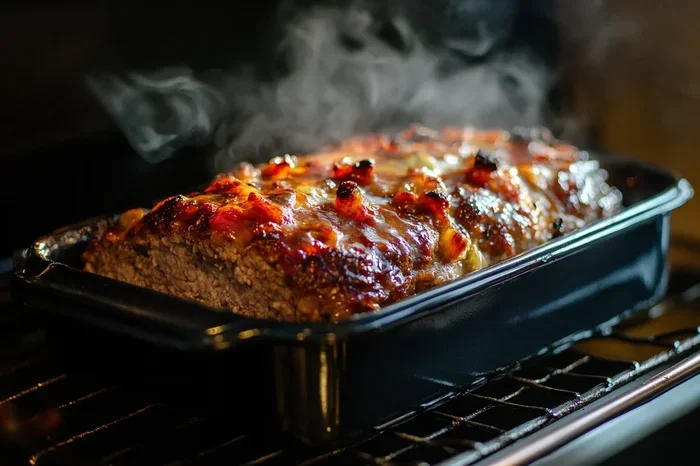
The short answer is: add the glaze during the last 15 to 20 minutes of baking. This is the golden rule for a perfect meatloaf glaze. Baking the meatloaf uncovered for most of the cook time lets it set and rise. Then, in the final stretch, you brush on the glaze to let it caramelize.
If you put the glaze on too soon, the oven heat will start cooking the sugars before the meatloaf is done. This can lead to a burnt, sticky top. The meatloaf might also steam instead of bake, resulting in a soft, pale crust. Nobody wants that.
The Last 15-20 Minutes Rule
Here is how to time it perfectly. If your meatloaf bakes for 60 minutes, add the glaze at the 40-minute mark. For a 75-minute bake, glaze at 55 minutes. For a 90-minute bake, glaze at 70 minutes. This gives the glaze enough time to set and caramelize without burning.
The glaze needs direct heat to brown. The last 15 to 20 minutes provide that intense, direct oven heat. The sugars in the glaze caramelize, creating that beautiful, glossy finish. This timing works for almost any oven meatloaf recipe, whether you use a loaf pan or free-form on a sheet pan.
Can You Glaze Meatloaf Too Early?
Yes, you can. Putting glaze on too early is the most common mistake. The sugars in ketchup, brown sugar, or honey start to burn when exposed to high heat for too long. Burnt glaze tastes bitter and can ruin the entire dish. It also creates a dark, uneven crust that looks unappetizing.
If you accidentally glaze too early, you can try to save it. Open the oven and carefully remove the excess glaze with a spoon. Then add a thin, fresh layer of glaze in the last 15 minutes. It is not ideal, but it can still work. To avoid this, set a timer and stay organized.
How to Make the Perfect Meatloaf Glaze
A great glaze starts with simple ingredients you probably already have. The best meatloaf glaze balances sweet, tangy, and savory flavors. You can customize it to your family’s taste. Here are three classic glaze for meatloaf recipes that work beautifully.
Classic Tomato-Based Glaze
This is the most popular glaze for a reason. It uses ketchup or tomato sauce as a base, sweetened with brown sugar and brightened with a splash of vinegar. It is easy to make and pairs with almost any meatloaf recipe.
- 1/2 cup ketchup or tomato sauce
- 2 tablespoons brown sugar
- 1 tablespoon apple cider vinegar
- 1 teaspoon Worcestershire sauce
- A pinch of salt and black pepper
Mix everything in a small bowl until smooth. Brush it on generously during the last 15 to 20 minutes. The tomato base keeps the glaze from burning too quickly because it has a high water content.
Tangy Mustard Glaze
If you like a little zing, this glaze is for you. It uses whole-grain mustard or Dijon as the star. It adds a sharp, tangy flavor that cuts through the richness of the meat. It is perfect for a homemade meatloaf that feels a bit more gourmet.
- 1/4 cup whole-grain mustard
- 2 tablespoons honey
- 1 tablespoon olive oil
- 1 teaspoon apple cider vinegar
Whisk the mustard, honey, oil, and vinegar together. The honey adds sweetness without being overpowering. Brush this on at the 45-minute mark for a 60-minute bake. The mustard will form a beautiful, golden crust.
Sweet and Savory Brown Sugar Glaze
This glaze is all about deep, rich flavor. It uses brown sugar, soy sauce, and a touch of garlic. It creates a sticky, savory-sweet coating that is absolutely irresistible. It works especially well with beef or pork meatloaf.
- 1/4 cup packed brown sugar
- 2 tablespoons soy sauce
- 1 tablespoon melted butter
- 1 clove garlic, minced
Stir the brown sugar, soy sauce, butter, and garlic until combined. The butter helps the glaze adhere to the meatloaf. Apply it in the final 15 minutes and watch it turn into a glossy, caramelized finish.
Comparison of Glaze Types
Choosing the right glaze depends on your taste and the bake time. Here is a quick comparison to help you decide.
| Glaze Type | Flavor Profile | Best For | Apply At |
|---|---|---|---|
| Classic Tomato | Sweet, tangy, familiar | Family-friendly meatloaf | Last 15–20 min |
| Tangy Mustard | Sharp, zesty, slightly sweet | Gourmet or pork meatloaf | Last 15–20 min |
| Brown Sugar Savory | Rich, caramelized, umami | Beef or mixed meatloaf | Last 15–20 min |
All three glazes follow the same timing rule. Apply them in the last 15 to 20 minutes of baking. This ensures a perfect caramelized crust without burning the sugars.
Oven Temperature and Glazing Tips
The oven temperature plays a big role in how your meatloaf turns out. Too hot, and the outside burns before the inside cooks. Too cool, and the meatloaf dries out. Getting the temperature right is one of the most important meatloaf tips you can follow.
Ideal Oven Temp for Meatloaf
Most meatloaf recipes call for an oven temperature of 350°F (175°C). This moderate heat allows the meatloaf to cook evenly all the way through. It also gives the glaze enough time to set and caramelize in the final minutes.
If you like a darker crust, you can increase the temperature to 375°F (190°C) for the last 10 minutes after glazing. This speeds up the caramelization. Just watch it closely to prevent burning. A quick burst of higher heat can give you a beautiful, deep-brown finish.
Rack Position and Heat Distribution
Where you place the meatloaf in the oven matters. The middle rack provides the most even heat circulation. If you put the meatloaf too close to the top, the glaze can burn before the inside is done. If it is too low, the bottom can become soggy.
For best results, use the middle rack. This ensures hot air flows around the meatloaf evenly. The glaze will caramelize uniformly, and the meatloaf internal temp will rise steadily. If your oven has hot spots, rotate the pan halfway through baking.
Using a Meat Thermometer for Perfect Doneness
Guessing when the meatloaf is done can lead to overcooking or undercooking. A meat thermometer takes the guesswork out. Insert it into the center of the loaf, avoiding any glaze. The meatloaf internal temp should reach 160°F (71°C) for beef, pork, or a mix.
Check the temperature just before you plan to add the glaze. If the meatloaf is already at 155°F, it will continue to cook as the glaze sets. This ensures a perfectly juicy interior every time. A thermometer is a meatloaf secret that every home cook should own.
Common Mistakes When Glazing Meatloaf
Even experienced cooks make mistakes with glazing. Knowing what to avoid can save your meatloaf from turning out dry, burnt, or bland. Here are the most common pitfalls and how to fix them.
Glazing Too Early and Burning the Sugar
This is the number one mistake. When you put glaze on meatloaf in the oven too early, the sugars have too much time to caramelize and then burn. The result is a bitter, blackened top that ruins the flavor. The meatloaf underneath can also dry out because the glaze creates a hard shell too soon.
Always wait until the last 15 to 20 minutes. Set a timer on your phone or oven. If you are busy in the kitchen, the timer will remind you. This simple habit makes a huge difference in the final product.
Using Too Much Sugar or Acid
Some glaze recipes call for a lot of brown sugar or honey. Too much sugar can cause the glaze to burn quickly, even in the final minutes. It can also make the meatloaf overly sweet. Balance is key. Use just enough sugar to promote browning, not so much that it caramelizes into a hard candy shell.
Similarly, too much vinegar or citrus can break down the meatloaf surface. The acid can start to cook the outer layer prematurely, making it tough. Stick to the recommended amounts and taste your glaze before applying it. Adjust to your preference, but keep it balanced.
Skipping the Resting Time
Once the meatloaf comes out of the oven, it is tempting to slice right away. Resist that urge. The meatloaf needs to rest for at least 10 to 15 minutes. During this time, the juices redistribute throughout the loaf. Slicing too early causes those juices to run out onto the cutting board instead of staying in the meat.
Resting also allows the glaze to set further. The residual heat continues to cook the surface gently. When you finally cut into it, every slice holds together perfectly. The glaze stays on the meatloaf, not on the plate. This is a meatloaf secret that makes a noticeable difference.
Expert Tips for the Juiciest Glazed Meatloaf
Taking your meatloaf from good to great is easier than you think. A few extra steps can add moisture, flavor, and a stunning finish. These meatloaf tips come from experienced home cooks and chefs who know how to get the best results every time.
Let the Meatloaf Rest Before Slicing
I already mentioned resting, but it deserves its own spotlight. After baking, tent the meatloaf loosely with aluminum foil. This keeps it warm while allowing steam to escape. The foil prevents the glaze from getting soggy from trapped steam. Let it rest for 10 to 15 minutes before slicing.
During this time, the internal temperature will even out. The meatloaf will firm up slightly, making it easier to cut clean slices. The glaze will set into a beautiful, glossy coating. This is the final step that ties everything together.
Baste for Extra Flavor and Shine
Basting means brushing the glaze on more than once. Instead of one thick layer, apply a thin coat, then add another thin coat halfway through the glazing window. This builds up layers of flavor and creates a deeper color. Each layer caramelizes separately, giving you a complex, multi-dimensional crust.
Use a silicone brush or a spoon to baste. Work quickly so you do not lose too much oven heat. The first coat should be mostly absorbed by the surface. The second coat adds shine and a richer color. This technique works wonders for a homemade meatloaf that looks as good as it tastes.
Storing and Reheating Leftovers
Leftover glazed meatloaf is even better the next day. The flavors meld together overnight. Store it in an airtight container in the refrigerator for up to 3 to 4 days. You can also freeze sliced meatloaf for up to 3 months.
To reheat, cover the slices with foil and warm them in a 325°F oven for 10 to 15 minutes. This prevents the glaze from drying out. You can also reheat individual slices in the microwave, but the oven gives a better texture. The glaze will soften slightly, but the meatloaf stays moist and flavorful.
Conclusion
When to put glaze on meatloaf in the oven is one of the simplest yet most impactful cooking decisions you can make. By adding the glaze during the last 15 to 20 minutes of baking, you protect the sugars from burning and lock in moisture. The result is a meatloaf with a glossy, caramelized crust and a juicy, tender interior.
Remember to use a thin, even coat, choose a glaze that suits your taste, and always let the meatloaf rest before slicing. These small steps make a big difference. Whether you stick with a classic tomato glaze or try a tangy mustard or brown sugar variation, the timing remains the same. The glaze goes on late, and the results are always delicious.
Now that you know the golden rule, you can confidently bake the perfect meatloaf every time. Your family will notice the difference, and you will feel proud of your homemade meatloaf. So next time you preheat the oven, remember these tips and enjoy the process. Happy cooking!
Frequently Asked Questions
Can I put glaze on meatloaf at the beginning of baking?
No, it is best to avoid this. Putting glaze on too early causes the sugars to burn and turn bitter. The glaze can also prevent the meatloaf from cooking evenly. Always wait until the last 15 to 20 minutes for the best results.
What is the best glaze for meatloaf?
The best glaze depends on your taste. A classic tomato-based glaze is the most popular and pairs well with any meatloaf. Tangy mustard glazes add a sharp kick, while brown sugar glazes create a rich, caramelized finish. All three work wonderfully when applied in the final 15 to 20 minutes.
How do I keep meatloaf from drying out?
To keep meatloaf moist, do not overmix the meat, use a lean-to-fat ratio of about 80/20, and glaze it during the last 15 to 20 minutes of baking. Also, let the meatloaf rest for 10 to 15 minutes after it comes out of the oven. This allows the juices to redistribute.
Can I glaze meatloaf with barbecue sauce?
Yes, barbecue sauce makes a great glaze. It has a similar sugar content to ketchup, so apply it in the same way during the last 15 to 20 minutes. Barbecue sauce adds a smoky, sweet flavor that pairs well with beef or pork meatloaf.
What internal temperature should meatloaf reach?
Meatloaf is safe to eat when the internal temperature reaches 160°F (71°C). Use a meat thermometer inserted into the center, avoiding any glaze. This ensures the meatloaf is fully cooked while staying juicy and tender.
Can I freeze glazed meatloaf?
Yes, you can freeze meatloaf before or after glazing. If freezing before baking, add the glaze fresh when you bake it. If freezing leftovers, store slices in airtight containers and reheat in the oven at 325°F for 10 to 15 minutes. The glaze may soften slightly but the flavor remains great.