Can You Use Regular Coffee to Make Espresso at Home
Yes, you can use regular coffee to make espresso at home. This guide covers everything you need to know about using regular coffee beans in your espresso machine, from grind size to brew ratio. Learn the tips and tricks that help you pull a great shot every time.
Making espresso at home feels intimidating. You see those fancy machines and think it takes a barista to pull a perfect shot. But here is the truth. You can absolutely use regular coffee to make espresso at home. You do not need special beans or a fancy setup. With the right grind, the right ratio, and a little practice, you can enjoy rich espresso in your own kitchen. This guide walks you through everything you need to know.
Whether you are a coffee lover exploring new brewing methods or someone who just ran out of espresso beans, this article has you covered. We will talk about grind size, equipment, brew ratios, and common mistakes. By the end, you will feel confident enough to try it yourself. So let us dive in and explore the world of home espresso.
Key Takeaways
- Regular coffee works for espresso: You can use standard coffee beans in an espresso machine with the right adjustments.
- Grind size matters hugely: A fine grind is essential for proper espresso extraction.
- Brew ratio and pressure are key: Getting the right ratio ensures a balanced shot.
- Dark roast is preferred: Dark roast beans produce better crema and richer flavor for espresso.
- Equipment maintenance counts: Keeping your coffee maker clean improves taste and longevity.
- Freshness affects flavor: Use freshly ground coffee for the best espresso taste.
📑 Table of Contents
- What Is Espresso and How Does It Differ from Regular Coffee?
- Can You Use Regular Coffee Beans for Espresso?
- How to Make Espresso with Regular Coffee at Home
- The Right Grind Size and Equipment for Espresso
- Common Mistakes When Using Regular Coffee for Espresso
- Can You Reheat Espresso? Tips for Leftover Coffee
- Final Verdict: Is It Worth Using Regular Coffee for Espresso?
What Is Espresso and How Does It Differ from Regular Coffee?
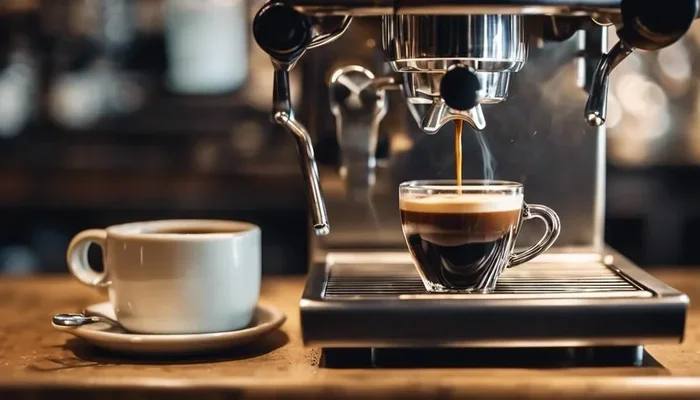
Before we answer the big question, let us understand what espresso actually is. Espresso is a concentrated coffee drink made by forcing hot water through finely ground coffee at high pressure. A standard shot uses about 18 to 20 grams of coffee grounds and produces roughly 1 to 2 ounces of liquid. The result is a bold, intense drink with a layer of golden foam on top called crema.
Regular drip coffee, on the other hand, uses a different brewing method. Hot water drips through coarser grounds over several minutes. The result is a lighter, larger volume of coffee. The extraction process is slower and the pressure is much lower. This is why regular coffee tastes milder compared to a shot of espresso.
The Role of Pressure in Espresso Brewing
Pressure is the game changer. An espresso machine pushes water through coffee at 9 bars of pressure. That is about 130 pounds per square inch. This high pressure forces the water to interact with the coffee grounds quickly and intensely. The result is a concentrated extraction that pulls out oils, flavors, and compounds that drip coffee cannot reach. This is why espresso taste is so bold and rich.
When you use regular coffee beans for espresso, you are still relying on this same pressure-driven extraction. The beans themselves do not need to be labeled “espresso beans.” Any coffee can technically work. The real difference comes down to how you prepare them.
Can You Use Regular Coffee Beans for Espresso?
The short answer is yes. You can use regular coffee beans to make espresso. There is no legal or technical rule that says only “espresso beans” can go into an espresso machine. In fact, the term “espresso bean” is really just a marketing label. Most espresso beans are simply dark roast coffee beans that have been roasted longer to bring out bold, smoky flavors.
That said, not all regular coffee will produce great espresso. The roast level, grind size, and freshness all play a huge role. Let us break down what matters most.
Why Roast Level Matters for Espresso
Dark roast beans are the traditional choice for espresso. They produce a thicker crema and a richer, more caramelized flavor. The longer roasting process breaks down the beans’ acidity and brings out chocolatey, nutty notes. This is why many people associate espresso with a bold, slightly bitter taste.
You can use medium roast or even light roast beans for espresso. The result will be different. Light roast espresso tends to be more acidic and fruity. It can taste bright and complex. Medium roast sits in the middle with balanced flavor. So yes, you have options. Use what you like.
Freshness and Coffee Grounds
Freshness is critical when making espresso at home. Coffee starts losing its flavor within minutes of being ground. For the best results, grind your beans right before brewing. This ensures maximum coffee extraction and a fuller flavor profile.
If you buy pre-ground coffee, store it in an airtight container away from light and heat. Even better, buy whole beans and grind them fresh each time. The difference in coffee flavor is noticeable immediately. Your espresso shot will taste cleaner and more vibrant.
How to Make Espresso with Regular Coffee at Home
Now that you know regular coffee works, let us talk about how to actually do it. Making espresso at home is simpler than you think. You do not need a $2,000 machine to get started.
Step-by-Step Espresso Recipe Using Regular Coffee
Here is a simple method you can follow at home:
- Start with 18 to 20 grams of regular coffee beans.
- Grind the beans to a fine consistency, similar to table salt.
- Place the grounds into your portafilter.
- Tamp the grounds evenly with firm pressure.
- Lock the portafilter into your machine.
- Brew for 25 to 30 seconds.
- Enjoy your fresh espresso shot.
This basic recipe works with most home espresso machines. The key is consistency. Measure your coffee, tamp evenly, and time your shot. With practice, you will develop a feel for what works best with your setup.
Understanding Brew Ratio
The brew ratio is the relationship between coffee grounds and liquid output. A standard espresso ratio is 1:2. That means 18 grams of coffee produces 36 grams of espresso. This ratio gives you a balanced shot that is strong but not overpowering.
You can adjust the ratio to suit your taste. A 1:1.5 ratio produces a shorter, stronger ristretto shot. A 1:2.5 ratio gives you a longer, milder lungo. Experiment and find what you enjoy most. The beauty of making espresso at home is that you control everything.
Using a Moka Pot as an Alternative
Not ready to invest in an espresso machine? A Moka pot is a great alternative. It uses steam pressure to push water through coffee grounds. The result is not true espresso, but it is close. Many coffee lovers use Moka pots daily and love the strong, rich flavor. You can use regular coffee grounds in a Moka pot just as easily as in a machine.
If you are curious about other coffee equipment, you might wonder whether a coffee grinder can be used for wet grinding. While that is a different topic, it shows how versatile your kitchen tools can be when exploring coffee preparation methods.
The Right Grind Size and Equipment for Espresso
Grind size is arguably the most important variable in espresso making. Too coarse and the water passes through too quickly. Your shot will be weak and sour. Too fine and the water cannot get through. Your shot will be bitter and over-extracted. Getting the right grind is essential.
Why Fine Grind Is Essential
Espresso requires a fine grind because the water is in contact with the coffee for a very short time. The high pressure needs resistance to extract properly. A fine grind creates more surface area for the water to interact with. This leads to better extraction and a fuller flavor.
If you are using a regular coffee grinder, make sure it can produce a consistent fine grind. Blade grinders are not ideal because they chop the beans unevenly. Burr grinders are much better. They crush the beans into uniform particles, which leads to a more consistent extraction.
Essential Equipment for Home Espresso
Here is what you need to get started:
- An espresso machine: Even a budget model works well for beginners.
- A burr grinder: This ensures a consistent fine grind every time.
- A portafilter and basket: This holds the coffee grounds during brewing.
- A tamper: You need this to press the grounds evenly.
- A scale: Measuring your coffee and output ensures consistency.
- A knock box: This makes cleaning up spent grounds easy.
You do not need all of this on day one. Start with what you have and upgrade over time. The most important thing is to just start making espresso at home.
Keeping Your Equipment in Top Shape
Regular maintenance keeps your coffee maker performing at its best. Mineral buildup from water can affect pressure and temperature. This directly impacts your espresso extraction. Descaling your machine regularly removes this buildup and keeps your shots tasting clean.
For machines like the Keurig, you can follow a simple descaling routine. Want to know how? Check out our guide on how to decalcify a Keurig coffee maker. While it is written for Keurig machines, the principles apply to any coffee equipment that uses water regularly.
Common Mistakes When Using Regular Coffee for Espresso
Even with the best beans, mistakes happen. Here are the most common ones and how to avoid them.
Using the Wrong Grind Size
This is the number one mistake. Many people use a grind that is too coarse. The result is a weak, watery shot that tastes like regular coffee. If your shot runs too fast or tastes sour, try grinding finer. Adjust in small increments until you hit the sweet spot.
Not Tamping Properly
Tamping creates even resistance for the water to push through. If you skip it or do it unevenly, the water finds weak spots and channels through. This leads to uneven extraction and a sour or bitter taste. Use about 30 pounds of pressure and aim for a flat, level surface.
Ignoring Coffee Freshness
Old coffee grounds produce flat, lifeless espresso. The oils that give espresso its rich flavor degrade quickly after grinding. Always grind just before brewing. If you must store grounds, use an airtight container and use them within a few days.
Wrong Water Temperature
Water that is too hot burns the coffee and creates bitter flavors. Water that is too cool under-extracts and produces a sour shot. The ideal temperature is between 195 and 205 degrees Fahrenheit. Most machines handle this automatically, but it is worth checking.
Overlooking the Importance of Crema
Crema is the golden foam on top of a fresh espresso shot. It forms naturally during high-pressure extraction. If your shots lack crema, it could mean your coffee is too old, your grind is wrong, or the extraction time is off. Do not worry if every shot is not perfect. Crema improves with practice.
Can You Reheat Espresso? Tips for Leftover Coffee
Sometimes you make too much espresso or save a shot for later. Reheating coffee can be tricky. Microwaving often ruins the flavor and texture of crema. If you want to reheat your espresso gently, you can use an oven on low heat. For tips on reheating food properly, including beverages, check out our guide on how to use the oven to reheat food.
The best practice, however, is to make only what you will drink immediately. Fresh espresso tastes the best. The flavors are at their peak right after brewing. Try to make just one or two shots at a time and enjoy them fresh.
Final Verdict: Is It Worth Using Regular Coffee for Espresso?
Absolutely. Using regular coffee to make espresso at home is not only possible but also practical. You save money by not buying specialty espresso beans. You get to experiment with different roasts and flavors. And you learn more about the art of coffee brewing in the process.
The key is to pay attention to the details. Grind size, brew ratio, tamp pressure, and coffee freshness all matter. Get these right and you will pull shots that rival anything from your favorite coffee shop. Start simple, make adjustments as you go, and most importantly, have fun with it.
Your espresso machine does not care whether the beans are labeled “espresso” or “regular.” It only cares about how you treat them. Give it fresh, finely ground coffee, the right temperature, and proper pressure. The result will be a rich, satisfying shot that makes your morning worth waking up for.
So go ahead. Grab your regular coffee beans, fire up your machine, and make your first home espresso shot today. You might just discover a new favorite way to enjoy your daily coffee.
Frequently Asked Questions
Can I use instant coffee to make espresso?
Instant coffee is not ideal for espresso because it lacks the oils and freshness needed for proper extraction. It will not produce crema and the taste will be flat. Freshly ground regular coffee is always a better choice for making espresso at home.
Do I need an expensive espresso machine to make good espresso?
No, you do not need an expensive machine. Many affordable home espresso machines produce excellent results. The key is using the right grind size, fresh coffee grounds, and proper technique. A good burr grinder matters more than an expensive machine.
What is the difference between espresso beans and regular coffee beans?
There is no real difference. Espresso beans are usually dark roast coffee beans that have been roasted longer for bolder flavor. You can use any regular coffee beans for espresso. The roast level and grind size matter more than the label on the bag.
How long should I brew espresso for?
A standard espresso shot takes about 25 to 30 seconds to brew. If your shot runs too fast, your grind may be too coarse. If it takes longer than 30 seconds, try a coarser grind. Adjusting the grind size is the best way to control brew time.
Can I use pre-ground coffee for espresso?
Yes, you can use pre-ground coffee, but freshly ground beans produce much better results. Pre-ground coffee loses flavor quickly. If you must use it, store it in an airtight container and use it within a few days of opening.
Why does my espresso taste bitter?
Bitter espresso usually means over-extraction. This happens when the grind is too fine, the brew time is too long, or the water temperature is too high. Try adjusting your grind to be slightly coarser and check your brew time. Fresh coffee beans also make a big difference in reducing bitterness.
=== CONCLUSION ===
Can you use regular coffee to make espresso at home? The answer is a resounding yes. You now know that regular coffee beans work perfectly well in an espresso machine. The secret lies in the preparation. A fine grind, the right brew ratio, proper tamping, and fresh beans are all you need. Do not let the idea of espresso intimidate you. Start simple, experiment often, and enjoy the process. Your perfect espresso shot is closer than you think.