Choosing Coffee Roaster Machine For Small Business
Choosing the right coffee roaster machine for small business can transform your entrepreneurial journey. A quality roaster lets you control roast profiles, flavor, and batch sizes to meet customer demand. This guide breaks down machine types, key features, budgets, and practical tips so you can make a confident, informed purchase.
Starting a coffee roaster machine for small business venture is an exciting step. Whether you dream of supplying local cafés or selling artisanal blends online, the right roasting equipment makes all the difference. But with so many options on the market, it can feel overwhelming to choose.
This guide walks you through everything you need to know. From understanding how roasting works to picking the perfect machine for your budget, we cover it all. You will learn about different roaster types, key features to prioritize, and common mistakes to avoid. By the end, you will feel confident making your first purchase.
The coffee roaster machine for small business market has grown a lot in recent years. More affordable options now exist than ever before. Small roasters can compete with big brands by producing high-quality, custom-roasted beans. Let us dive into the details and help you find your ideal setup.
Key Takeaways
- Understand your roasting goals: Knowing your target batch size and roast style helps you pick the right machine.
- Drum and fluid bed roasters are the top choices: Each offers unique benefits for small business owners.
- Budget matters, but so do features: Look for temperature control, chaff collection, and roasting software.
- Start small and scale up: A sample roaster or compact machine lets you test the market before investing heavily.
- Maintenance keeps your machine running: Regular cleaning and decalcification extend the life of your equipment.
- Pair your roaster with the right grinder: A quality grinder complements your roasting setup for the best results.
📑 Table of Contents
Understanding Coffee Roasting Basics
What Happens During Coffee Roasting
Coffee roasting transforms green coffee beans into the aromatic, flavorful beans we all love. Heat causes chemical changes inside the bean. Sugars caramelize, acids break down, and new flavor compounds form. This process is called the Maillard reaction, and it is the heart of roasting.
During roasting, beans go through several stages. First, they lose moisture and turn yellow. Then they progress through first crack, a loud popping sound that signals the bean has expanded. Darker roasts may reach second crack, which produces a more intense, smoky flavor.
Understanding these stages matters because your machine needs to control heat precisely. A good coffee bean roasting machine lets you track temperature curves and adjust in real time. This control directly affects the final taste of your coffee.
Roast Levels Explained
Roast levels determine the flavor profile of your beans. Light roasts preserve the bean’s origin characteristics. They taste bright, fruity, and complex. Medium roasts balance acidity with sweetness. Dark roasts bring out bold, smoky, and chocolatey notes.
Your target roast level should guide your machine choice. Some roasters excel at light roasts, while others perform best with dark profiles. For a small business, versatility is a big plus. You want a machine that can handle multiple roast levels so you can offer variety to your customers.
Here are the common roast levels and their characteristics:
- Cinnamon Roast: Light brown, mild, and acidic. Very popular for single-origin tastings.
- City Roast: Medium brown, balanced flavor with slight acidity. A crowd-pleasing choice.
- Full City Roast: Medium-dark, rich flavor with low acidity. Great for espresso blends.
- French Roast: Dark brown, oily surface, bold and smoky. Intense and full-bodied.
- Italian Roast: Very dark, nearly black, strong and bitter. Often used for traditional espresso.
Types Of Coffee Roaster Machines
Not all roasters are the same. Different machines use different methods to apply heat. Each type has pros and cons for small business owners. Let us explore the three most popular options.
Drum Roasters
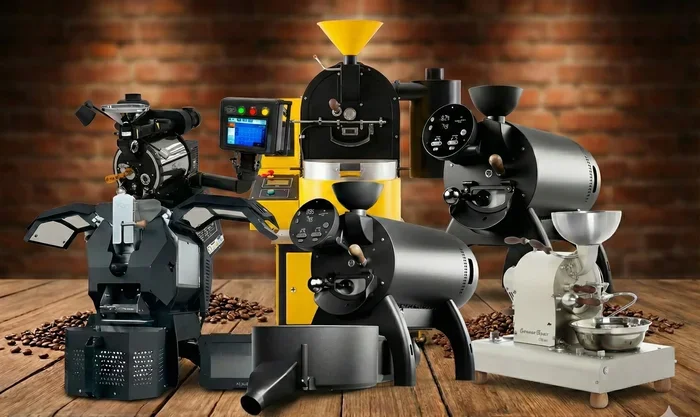
Drum roasters are the most common type for small businesses. They use a rotating metal drum that tumbles beans over a heat source. Hot air flows through the drum, roasting the beans evenly. This design gives you excellent roasting profiles and consistent results.
Most drum roasters for small businesses range from 1 pound to 15 pounds per batch. A 5-pound drum roaster is a sweet spot for startups. It gives you enough capacity without taking up too much space. Brands like Aillio, Huky, and Gene Café make popular drum roasters in this category.
Drum roasters work well for both light and dark roasts. They retain heat well, which means energy efficiency is good. The downside is that cleaning can be a bit more involved. You need to empty the chaff and clean the drum regularly.
Fluid Bed Roasters
Fluid bed roasters, also called air roasters, use hot air to suspend and roast beans. Think of it like a popcorn maker for coffee. Beans float on a stream of hot air, roasting quickly and evenly. This method produces a clean, bright cup profile.
Fluid bed roasters are great for light and medium roasts. They roast fast, which means shorter batch times. Cleaning is usually easier because there is no drum to scrub. Popular models include the FreshRoast and the Nesco American Harvest.
However, fluid bed roasters have limitations. They tend to struggle with dark roasts. The rapid roasting can make it harder to develop deep, complex flavors. For a small business focused on light roasts, this type works wonderfully.
Sample Roasters
Sample roasters are small, precision machines designed for testing and development. They typically roast 100 grams to 1 kilogram per batch. If you are just starting out, a sample roaster lets you experiment without a big investment.
These machines are perfect for developing roasting profiles before scaling up. You can test different beans, adjust temperatures, and refine your technique. Many small businesses start with a sample roaster and upgrade to a larger machine later.
Sample roasters are not meant for high-volume production. But they are invaluable for learning and perfecting your craft. Some entrepreneurs use them alongside a larger roaster for quality control.
Key Features To Look For
When shopping for a coffee roaster machine for small business, certain features stand out. They affect your daily workflow, roast quality, and long-term satisfaction. Here is what to prioritize.
Roasting Capacity
Capacity is measured in pounds per batch. Your target capacity depends on your business goals. If you plan to supply a few local cafés, a 3 to 5 pound machine works well. If you want to sell directly to consumers at farmers markets, you may need 10 pounds or more.
Think about your roasting capacity carefully. Buying a machine that is too large wastes money. One that is too small limits your growth. A good rule of thumb is to estimate your weekly bean需求 and choose a machine that can handle about 20 percent more than that.
Temperature Control
Precise temperature control is non-negotiable. You need to set and maintain specific temperatures for different roast profiles. Look for machines with digital controllers that let you program time and temperature curves.
Some advanced roasters include roasting software that logs data from each batch. This data helps you replicate successful roasts consistently. For a small business, consistency is everything. Customers expect the same great flavor every time.
Chaff Collection
Chaff is the thin, papery skin that comes off beans during roasting. It can build up quickly and create a mess. A good chaff collector keeps your workspace clean and reduces fire risk.
Many drum roasters include a built-in chaff collection system. Some use a simple bag or container, while others have more advanced cyclone separators. When evaluating machines, check how easy it is to empty and clean the chaff system.
Build Quality And Durability
Your roaster is a long-term investment. Look for machines made from stainless steel or other durable materials. Avoid plastic components that can warp or melt under high heat. A well-built machine lasts for years and produces consistent results.
Check reviews and ratings before buying. Other small business owners share honest feedback about durability and performance. Their experiences can save you from costly mistakes.
Budget Considerations
Budget plays a huge role in choosing a coffee roaster machine for small business. Prices range from a few hundred dollars for small sample roasters to several thousand for professional drum roasters. Here is a rough breakdown to help you plan.
| Roaster Type | Price Range | Best For |
|---|---|---|
| Sample Roaster | $200 – $800 | Experimentation and profile development |
| Small Drum Roaster (1-3 lb) | $500 – $1,500 | Startup roasters and home-based businesses |
| Medium Drum Roaster (5-10 lb) | $1,500 – $5,000 | Growing small businesses and local supply |
| Fluid Bed Roaster | $300 – $1,200 | Light roast enthusiasts and casual roasters |
| Large Drum Roaster (15+ lb) | $5,000 – $15,000+ | Established businesses with high demand |
Remember that your budget should also cover accessories. You will need a good coffee grinder for grinding beans after roasting. If you already own one, you may want to check whether can coffee grinder be used for wet grinding to see if it can handle other tasks in your business. You may also need packaging materials, labels, and a scale for weighing beans.
Financing options exist for small businesses. Some roaster manufacturers offer payment plans. Small business loans and grants can also help you cover the cost. Do not let budget constraints stop you from starting your roasting journey.
Tips For Starting Your Coffee Roasting Business
Roasting coffee for profit requires more than just a machine. You need a solid plan, the right setup, and a passion for quality. Here are practical tips to set you up for success.
Start With A Clear Business Plan
Define your target market before you buy a roaster. Will you sell to local coffee shops? To online customers? To restaurants and offices? Each market has different needs in terms of volume, packaging, and flavor profiles.
Research your competition in your area. Visit local cafés and taste their roasted beans. Identify gaps in the market. Maybe there is a demand for light-roasted single-origin beans that no one is filling. Finding your niche helps you stand out.
Invest In Quality Green Coffee Beans
The quality of your roasted coffee starts with the green beans. Source from reputable suppliers who offer fresh, high-quality green coffee beans. Many suppliers sell in small quantities, which is perfect for startups.
Try beans from different regions and farms. Ethiopian beans often have fruity, floral notes. Colombian beans tend to be balanced and nutty. Kenyan beans are known for their bright acidity and berry flavors. Experimentation is key to finding your signature blend.
Set Up A Proper Roasting Space
Roasting generates heat, smoke, and chaff. You need a well-ventilated space. A garage, basement, or dedicated workshop works well. Make sure you have proper ventilation and fire safety equipment on hand.
Keep your workspace clean. Regular cleaning prevents buildup of old chaff and oils. If you are using a roaster that produces smoke, consider a smoke extraction system. Your neighbors and local regulations will thank you.
Learn To Love The Process
Roasting is both an art and a science. Each batch teaches you something new. Keep a roasting log that records time, temperature, bean origin, and tasting notes. Over time, patterns emerge that help you refine your technique.
Join online communities of coffee roasters. Forums and social media groups are full of helpful tips and encouragement. Learning from others who share your passion accelerates your growth.
Maintenance And Care For Your Roaster
A coffee roaster machine for small business needs regular care to perform well. Neglecting maintenance leads to inconsistent roasts and expensive repairs. A simple routine keeps your machine in top shape.
After every roasting session, remove the chaff and leftover beans. Wipe down the interior with a soft brush. Check the temperature sensors and clean them if needed. Monthly, inspect the drum or airflow system for any blockages.
For machines with water systems, regular maintenance is essential. Mineral buildup can affect temperature accuracy and damage components. If you use a Keurig or similar machine for water supply in your setup, you should know how to decalcify a Keurig coffee maker regularly. This same principle applies to any water-based system in your roasting setup.
Deep clean your roaster every few months. Disassemble parts that can be removed and wash them thoroughly. Check for worn gaskets, belts, or heating elements. Replacing small parts early prevents bigger problems down the road.
Keep a maintenance log. Record every cleaning session, part replacement, and repair. This log becomes a valuable reference when troubleshooting issues or selling the machine later.
Common Mistakes To Avoid
Many new roasters make avoidable mistakes that cost time and money. Here are the most common ones and how to steer clear.
- Skipping the sample roast: Always test a small batch before committing to a full load. This saves beans and helps you fine-tune your profile.
- Overlooking ventilation: Roasting produces smoke and fumes. Poor ventilation creates health hazards and can violate local codes.
- Buying the biggest machine first: Start small and grow. A large machine is expensive and wastes energy if you are not ready for high volume.
- Ignoring bean quality: Even the best roaster cannot fix low-quality green beans. Source the best beans you can afford.
- Neglecting documentation: Without a roasting log, you cannot replicate your best batches. Write everything down.
Avoiding these pitfalls puts you on the path to consistent, high-quality roasts. Patience and attention to detail pay off in the long run.
Final Thoughts On Choosing Your Roaster
Choosing a coffee roaster machine for small business is one of the most important decisions you will make. The right machine gives you creative freedom, consistent quality, and the ability to grow. Take your time, do your research, and choose a roaster that fits your current needs and future goals.
Start with what you can afford and upgrade as your business grows. A sample roaster or small drum machine is a perfect starting point for most entrepreneurs. Focus on learning the craft, building your brand, and delivering exceptional coffee to your customers.
The world of specialty coffee is thriving. Small roasters are finding loyal customers who appreciate handcrafted, freshly roasted beans. With the right equipment and a passion for quality, your small business can thrive in this exciting industry. Trust your instincts, keep learning, and enjoy the journey of becoming a skilled coffee roaster.
Frequently Asked Questions
What size coffee roaster do I need for a small business?
For most small businesses, a 3 to 5 pound drum roaster strikes the right balance. It gives you enough capacity to supply local cafés without overwhelming your workspace. Start with a smaller machine if you are testing the market and plan to scale up later.
How much does a coffee roaster machine cost for small business use?
Entry-level roasters start around $200 for sample sizes, while quality small drum roasters range from $500 to $1,500. Professional machines for higher volume can cost $3,000 or more. Your budget should also factor in green beans, packaging, and accessories.
Can I roast coffee at home and sell it commercially?
Yes, many small businesses start from home kitchens. However, you will need to check local regulations and obtain any required permits or licenses. Health and safety codes vary by location, so research your area before selling commercially.
What is the difference between drum and fluid bed roasters?
Drum roasters use a rotating drum with a heat source underneath, giving even, consistent roasts. Fluid bed roasters use hot air to float and roast beans, similar to a popcorn machine. Drum roasters offer more versatility for different roast levels, while fluid bed roasters excel at light roasts and faster batch times.
How do I maintain my coffee roaster machine?
Clean the chaff after every session, wipe down the interior regularly, and deep clean monthly. Check temperature sensors, inspect seals and belts, and keep a maintenance log. Regular care prevents buildup, ensures consistent roasts, and extends the life of your machine.
Do I need special software for coffee roasting?
While not strictly necessary, roasting software helps you track and replicate profiles. It logs temperature curves, time, and bean weight for each batch. This data is invaluable for achieving consistency, especially as your business grows and demand increases.
=== CONCLUSION ===
Choosing a coffee roaster machine for small business is a journey that starts with understanding your needs and goals. Whether you pick a drum roaster, fluid bed roaster, or sample roaster, the key is to match the machine to your current capacity and future ambitions. Invest in quality features like precise temperature control, good chaff collection, and durable build quality. Stay patient, keep learning, and let your passion for great coffee guide every decision.
With the right roaster in your workspace and a solid plan in place, you are ready to create something special. Fresh, custom-roasted coffee has a loyal audience waiting. Take the leap, start small, and watch your coffee roasting business grow one perfect batch at a time.