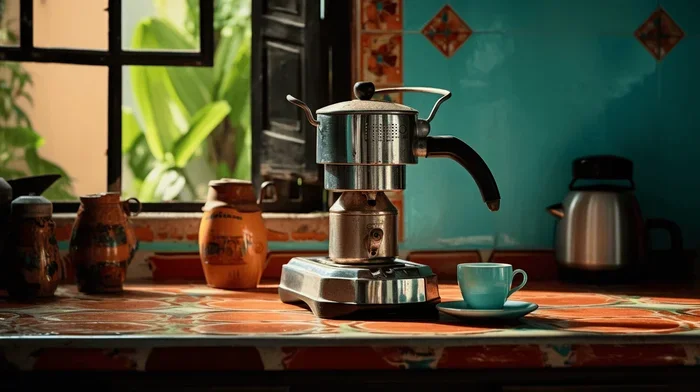
How to Choose the Best Cuban Coffee Maker for Your Kitchen
Looking for the perfect Cuban Coffee Maker? This guide helps you choose the best machine for your kitchen. You’ll learn about different types, key features, and simple tips to brew authentic espresso every day.
Choosing the right Cuban Coffee Maker is the first step to enjoying rich, authentic espresso at home. Whether you prefer the classic stovetop method or a modern electric machine, the perfect brewer can elevate your daily routine. Cuban Coffee Maker options come in various shapes, sizes, and materials to suit any kitchen. In this guide, you’ll learn about the different types, essential features, and simple tips to make the best choice. By the end, you’ll know exactly which machine fits your brewing style and budget.
If you love strong, flavorful coffee, a Cuban Coffee Maker belongs in your kitchen. These machines brew espresso with a bold taste that feels like a trip to Havana. Many coffee lovers are discovering the joy of making traditional Cuban espresso at home. It’s easier than you think, and the results are worth it. Let’s dive into what makes these coffee makers special and how to pick the best one for you.
Key Takeaways
- Choose the right type: Stovetop espresso makers, electric machines, and traditional cafeteras each offer unique benefits for brewing authentic Cuban coffee.
- Prioritize material and build: Stainless steel and aluminum are popular choices for durability and heat retention.
- Match the size to your needs: Consider how many cups you brew daily to avoid overfilling or wasting coffee.
- Maintenance is key: Regular cleaning and descaling keep your coffee maker functioning perfectly and extend its lifespan.
- Avoid common mistakes: Using the wrong grind size or skipping cleaning can ruin your coffee taste and damage the machine.
- Budget matters: You can find excellent Cuban coffee makers at various price points without sacrificing quality.
📑 Table of Contents
What Is a Cuban Coffee Maker?
A Cuban Coffee Maker is a brewing device designed to make strong, concentrated espresso similar to what you find in Cuban cafes. The most common style is the stovetop espresso maker, often called a cafetera or moka pot. It uses steam pressure to push hot water through finely ground coffee. The result is a rich, full-bodied shot with a creamy layer on top. This method has been a cornerstone of Cuban coffee culture for generations.
The History and Tradition
Cuban coffee brewing dates back to the 18th century when coffee plantations thrived on the island. Families developed a deep love for espresso made at home. The stovetop espresso maker became a household staple. It allowed people to enjoy café-quality drinks without leaving the kitchen. Today, the Cuban Coffee Maker represents more than just a tool. It symbolizes a shared ritual of hospitality and warmth.
How It Works
The basic Cuban Coffee Maker has three main parts. The bottom chamber holds water, the middle basket holds the coffee grounds, and the top chamber collects the brewed espresso. When you place the maker on a stove, the water heats and creates steam. That pressure forces the water up through the coffee grounds and into the top chamber. The process takes about five minutes. If you’re using a separate grinder, you might wonder about wet grinding for your beans. Check our guide to learn more about proper grinding methods.
Types of Cuban Coffee Makers
Not all Cuban Coffee Maker models are the same. Each type offers a different experience. Some are manual, while others are fully electric. Here are the three most popular options you’ll find.
Stovetop Espresso Makers
The stovetop espresso maker is the heart of Cuban coffee brewing. It sits directly on a gas or electric burner. You fill the bottom with water, add ground coffee to the filter basket, and screw the top on. The heat creates pressure that brews the espresso. This type is affordable and durable. It gives you the most authentic taste. Many coffee lovers prefer it for its simplicity and control.
Electric Cuban Coffee Makers
Electric models work like stovetop makers but plug into an outlet. They heat the water automatically, so you don’t need to watch the stove. Some electric Cuban Coffee Maker units have a warming plate that keeps your coffee hot. They are great for busy mornings. If you’ve ever asked, using a coffee grinder for wet ingredients can damage the blades, so always check the manual before grinding damp beans.
Traditional Cafetera
The traditional cafetera is a specific Cuban style of stovetop maker. It often has a distinctive shape with a long handle. The filter basket is designed to hold a precise amount of coffee. You pack the grounds firmly for a strong extraction. Many Cuban families own several cafeteras for different occasions. For the best results, grinding coffee beans with water requires a specific method, which we cover in our guide on wet grinding.
Key Features to Look For
When shopping for a Cuban Coffee Maker, focus on features that match your daily routine. The right details make a big difference in taste and convenience.
Material and Build
Most Cuban Coffee Maker units are made from aluminum or stainless steel. Aluminum heats quickly and distributes warmth evenly. It’s lightweight and affordable. Stainless steel is more durable and resists corrosion. It’s also easier to clean. Some models have a plastic handle or knob for a cooler grip. Choose a material that fits your kitchen style and budget.
Capacity and Size
Capacity is measured in cups. A single-cup maker makes about 2 ounces of espresso. A 6-cup model can brew enough for a small family. Consider how many people you brew for each day. If you entertain often, a larger Cuban Coffee Maker saves time. But a compact model fits better in small kitchens. Always measure the available counter space before you buy.
Ease of Use
A good coffee maker should be simple to operate. Look for a model with a comfortable handle and an easy-to-open base. The filter basket should drop out for quick cleaning. Some Cuban Coffee Maker brands include a reusable filter, which cuts down on waste. Others come with a measuring scoop for the perfect coffee-to-water ratio. Quick Tip: Always check the gasket and filter before first use to ensure a tight seal.
How to Choose the Right Cuban Coffee Maker for Your Kitchen
Picking the perfect Cuban Coffee Maker comes down to a few simple decisions. Think about your brewing habits, kitchen space, and budget. Here’s a step-by-step approach.
Consider Your Brewing Style
Do you want a hands-on brewing experience or a quick, set-and-forget method? Stovetop makers give you full control over the heat and pressure. Electric models offer convenience and consistency. If you love the ritual of making coffee, choose a manual stovetop Cuban Coffee Maker. If you’re often in a hurry, an electric unit is the way to go.
Budget-Friendly Options
You don’t need to spend a fortune on a great coffee maker. Basic stovetop models start around $15. Mid-range electric Cuban Coffee Maker units range from $30 to $60. Premium stainless steel versions can cost over $100. Set a budget before you shop. Remember that a higher price doesn’t always mean better coffee. Many affordable models brew excellent espresso.
Matching Your Kitchen Décor
A Cuban Coffee Maker can be a stylish addition to your kitchen. Vintage aluminum models give a retro feel. Stainless steel offers a sleek, modern look. Some brands come in bright colors to match your backsplash or cabinets. Choose a finish that you’ll enjoy seeing every morning. The right look can make your coffee routine feel even more special.
Comparison Table: Stovetop vs. Electric vs. Traditional
| Type | Brew Method | Price Range | Best For |
|---|---|---|---|
| Stovetop Espresso Maker | Steam pressure on burner | $15 – $50 | Authentic taste and hands-on control |
| Electric Cuban Coffee Maker | Automatic heating element | $30 – $100 | Convenience and busy mornings |
| Traditional Cafetera | Steam pressure with metal filter | $20 – $60 | Classic Cuban flavor and family use |
Maintenance and Cleaning Tips
Keeping your Cuban Coffee Maker clean ensures great-tasting coffee every time. A little care goes a long way toward extending the life of your machine.
Daily Cleaning Routine
After each use, disassemble the maker while it’s still warm. Remove the filter basket and rinse it with warm water. Wipe the inside chambers with a soft cloth. Never use soap on the aluminum parts, as it can leave a residue that affects the taste. Dry all pieces thoroughly before reassembling. This simple habit prevents buildup and keeps your coffee flavor pure.
Descaling and Deep Cleaning
Mineral deposits can build up inside the Cuban Coffee Maker over time. Descale the unit every month if you have hard water. Fill the bottom chamber with equal parts water and white vinegar. Brew the solution halfway, then let it sit for 15 minutes. Finish the cycle and rinse thoroughly with clean water. For a deep clean, use a small brush to scrub the filter basket and gasket. These steps keep the pressure consistent and the coffee tasting fresh.
Common Mistakes to Avoid
Even experienced coffee makers can make errors that ruin a perfect shot. Avoid these common pitfalls to get the best results from your Cuban Coffee Maker.
Using the Wrong Grind Size
The grind size matters more than you might think. Too coarse, and the water rushes through without extracting enough flavor. Too fine, and the coffee becomes bitter and clogs the filter. Use a medium-fine grind, similar to table salt. If you’re unsure about grinding, remember that can a coffee grinder be used for wet grinding is a common question, and dry grinding is always best for espresso makers.
Skipping Maintenance
Neglecting cleaning leads to stale oils and mineral buildup. This can alter the taste of your coffee and even damage the seal. Make a habit of cleaning after every brew. A quick rinse takes less than a minute and saves you from costly repairs.
Overfilling the Basket
Packing too much coffee into the filter basket restricts water flow. The pressure builds unevenly, resulting in a weak or sour shot. Use the included scoop and level the grounds with your finger. A slight tamping is fine, but don’t press down hard. Let the Cuban Coffee Maker do the work.
Final Thoughts
Finding the best Cuban Coffee Maker doesn’t have to be overwhelming. Focus on the type that suits your lifestyle, the features that matter most, and the maintenance routine you can stick with. Whether you choose a classic stovetop model or a convenient electric unit, the goal is the same: to brew rich, authentic espresso at home. The right machine turns an ordinary morning into a moment of joy. Start with the tips in this guide, and you’ll be sipping perfect Cuban coffee in no time. Apply what you’ve learned, and your kitchen will feel like a small Havana cafe every single day.
Frequently Asked Questions
What makes a Cuban Coffee Maker different from a regular espresso machine?
A Cuban Coffee Maker typically uses steam pressure on a stovetop, while most electric espresso machines use a pump. The stovetop method produces a slightly different flavor profile with a rich, concentrated crema. It’s also more portable and doesn’t need electricity.
Can I use pre-ground coffee in a Cuban Coffee Maker?
Yes, you can use pre-ground coffee, but freshly ground beans give the best flavor. If you use pre-ground, make sure the grind is fine enough for espresso brewing. Store the coffee in an airtight container to keep it fresh.
How long does a Cuban Coffee Maker last?
With proper care, a Cuban Coffee Maker can last for many years. Aluminum and stainless steel models are especially durable. Replace the gasket and filter every 6 to 12 months to maintain performance and prevent leaks.
Is a Cuban Coffee Maker safe to use on an induction cooktop?
Most traditional aluminum Cuban Coffee Maker models are not magnetic, so they won’t work on induction cooktops. Look for stainless steel versions labeled induction-compatible if you have an induction stove. Some brands offer special bases designed for induction heating.
What’s the best grind size for a Cuban Coffee Maker?
A medium-fine grind works best, similar to the texture of table salt. Too coarse leads to weak coffee, while too fine can cause clogging. If you have a grinder, adjust it to a setting just slightly finer than drip coffee. This ensures proper extraction and a balanced flavor.
Can I make more than one cup at a time with a small Cuban Coffee Maker?
Small Cuban Coffee Maker units are designed for single servings, but you can brew multiple small shots in sequence. For larger groups, choose a 3-cup or 6-cup model. This saves time and keeps the coffee hot while everyone enjoys a fresh cup.