Did Muslims Make Coffee The Surprising True Origins
Did Muslims Make Coffee? The answer is a fascinating yes. The origin of coffee traces back to Ethiopian coffee traditions and was popularized by Sufi monks and Islamic culture across the Middle East. This coffee history reveals how Arabic coffee and coffee cultivation spread globally through medieval trade routes.
Did Muslims Make Coffee? The short answer is yes, and the story behind it is far more fascinating than most people realize. The origin of coffee is deeply rooted in Islamic culture, tracing back through centuries of coffee history that began in the highlands of Ethiopia and spread across the Middle East. What many coffee drinkers don’t know is that Muslim scholars, monks, and traders played a central role in transforming a simple coffee plant into the world’s most popular beverage. From Sufi mystics using coffee beans to stay alert during late-night devotions to the bustling coffeehouses of Istanbul, the journey of coffee is a story of spirituality, trade, and cultural exchange. In this article, we will explore the surprising coffee history and uncover the truth about how Muslims shaped the way the world drinks coffee today.
The coffee history is not just about a drink. It is about civilizations, trade networks, and the spread of ideas. When you sip your morning cup, you are tasting a beverage that traveled along ancient coffee trade routes, passed through the hands of Sufi monks, and fueled debates in the grand coffeehouses of the Ottoman Empire. Understanding where coffee comes from gives you a deeper appreciation for every sip. So let us dive into the origin of coffee and discover the incredible journey that brought this beloved drink to your cup.
Key Takeaways
- Coffee originated in Ethiopia: The coffee history begins with the legend of Kaldi, a goat herder who noticed his goats becoming energetic after eating coffee beans.
- Sufi monks were early adopters: Sufi mystics used coffee to stay awake during late-night prayers, making it a staple of Islamic culture.
- Yemen was the first major coffee hub: Yemen coffee became the center of coffee cultivation and coffee trade routes in the 15th century.
- The Ottoman Empire spread coffee worldwide: Ottoman Empire coffee culture led to the creation of the first coffeehouses in Istanbul and beyond.
- Coffee traveled from Muslim lands to Europe: Medieval trade and coffee trade routes carried Arabic coffee to Venice and the rest of Europe.
📑 Table of Contents
- The Legend of Kaldi: How Coffee Was First Discovered
- Did Muslims Make Coffee? The Role of Sufi Monks and Islamic Culture
- Yemen: The Birthplace of Coffee Cultivation
- Coffee Spreads Across the Islamic World
- The Ottoman Empire and the Rise of Coffeehouses
- From Muslim Lands to the Global Coffee Revolution
- Conclusion: The Enduring Legacy of Muslim Coffee Culture
The Legend of Kaldi: How Coffee Was First Discovered
The most famous story about the origin of coffee begins with a goat herder named Kaldi. This legend has been passed down through generations and remains one of the most beloved tales in coffee history. According to the story, Kaldi noticed that his goats became unusually energetic after eating bright red berries from a certain shrub. Intrigued, he tried the berries himself and felt a similar burst of energy. The story goes that a local monastery soon learned about these berries, and the monks began using them to stay awake during long hours of evening prayers.
The Goat Herder and His Energetic Goats
The tale of Kaldi is often considered the birth of Ethiopian coffee culture. While historians debate whether this story is entirely true, it highlights an important fact: people in the Ethiopian highlands were among the first to recognize the power of the coffee plant. The goats, after eating the red berries, would dance and stay active through the night. Kaldi brought his findings to a local monk, who initially dismissed the berries as the work of the devil. But after the monk discovered how the berries helped him stay awake during prayers, he began sharing them with other monks at the monastery.
This story, whether fully factual or partly legend, points to a key truth. The coffee beans that we know today were first discovered in the forests of Ethiopia. The coffee plant thrives in the high-altitude, tropical climate of the Ethiopian highlands. From there, the knowledge of these energizing berries slowly spread to neighboring regions, eventually reaching Yemen and the broader Islamic world.
What the Legend Tells Us About Coffee Origins
While the Kaldi story is charming, it is not the only account of how coffee cultivation began. Some historians believe that coffee beans were chewed raw by early African tribes for energy long before they were brewed into a drink. Others suggest that the origin of coffee is more complex and involves multiple cultures across the Horn of Africa. What we do know is that by the 15th century, Yemen coffee was being cultivated and traded extensively. The coffee plant had been transplanted from Ethiopia to the fertile highlands of Yemen, where the climate was perfect for growing it.
The Kaldi goat herder legend may be simplified, but it captures something real. The discovery of coffee beans changed human history. It gave people a new way to stay alert, focus, and connect with one another. And it all started with a curious goat herder and some very energetic goats in the Ethiopian highlands.
Did Muslims Make Coffee? The Role of Sufi Monks and Islamic Culture
This is the heart of the question: Did Muslims Make Coffee into the global phenomenon it is today? The answer lies in the Sufi monks and Sufi mystics who were among the earliest and most passionate coffee drinkers. These spiritual seekers used coffee beans as a tool to help them stay awake during long nights of prayers, meditation, and Sufi rituals. The coffee ceremony became an important part of Islamic culture, especially in the Middle East and North Africa.
How Late-Night Prayers Led to Coffee Adoption
Sufi monks are known for their devotional practices, which often included nighttime prayers and chanting. Staying awake through these long spiritual sessions was challenging. The coffee plant offered a natural solution. The coffee beans contained caffeine, a natural stimulant that helped the monks remain alert and focused. Soon, brewing coffee beans into a hot drink became a common practice in Sufi monasteries across Yemen and beyond.
The Sufi mystics did not just use coffee for practical reasons. They also saw it as a way to deepen their spiritual experience. The warmth of the drink, the ritual of preparation, and the heightened awareness it provided all contributed to a more focused prayer session. This spiritual connection between coffee and Islamic culture is one of the most fascinating aspects of coffee history. The caffeine history of coffee is inseparable from its role in religious and spiritual life across the Muslim world.
Coffee as a Tool for Spiritual Focus
The coffee ceremony in many Islamic cultures is more than just making a drink. It is a ritual. In Arabic coffee tradition, the preparation involves careful roasting, grinding, and brewing of the coffee beans. The process is slow and intentional, much like the prayer itself. This connection between the coffee ceremony and spiritual practice helped embed coffee deeply into Islamic culture.
By the 15th century, coffee cultivation had spread from Ethiopia to Yemen, and the drink was becoming popular across the Islamic world. Muslim traders and scholars carried knowledge of coffee beans along the coffee trade routes that connected Yemen to Persia, Egypt, Syria, and Turkey. The origin of coffee as a widely consumed beverage is inseparable from the Muslim world and its trade networks.
It is also worth noting that coffee beans were not just consumed for energy. In many Islamic cultures, coffee was seen as a communal drink. Sharing a cup of Arabic coffee was a sign of hospitality and friendship. This social aspect of coffee drinking helped it spread rapidly through Muslim communities and laid the groundwork for the coffeehouses that would later emerge.
Yemen: The Birthplace of Coffee Cultivation
If Ethiopia is where the coffee plant was first discovered, then Yemen is where coffee cultivation truly took off. By the 15th century, Yemen had become the global center of coffee production. The port city of Mocha became famous for its Yemen coffee, which was prized for its rich flavor and aroma. Muslim traders controlled the coffee trade routes that carried Yemen coffee to every corner of the Islamic world.
How Yemen Became the Coffee Capital
Yemen’s climate and geography made it ideal for growing coffee plants. The fertile highlands, combined with traditional irrigation methods called qanats, allowed Yemenis to cultivate coffee beans on a large scale. By the 1400s, Yemen coffee was being exported to Egypt, Persia, and the Ottoman Empire. The port of Mocha became one of the most important coffee trade hubs in the world.
The Yemeni government closely guarded coffee cultivation techniques. They exported only roasted or boiled coffee beans to prevent other regions from growing their own. This strategy worked for a while, but eventually, coffee plants were smuggled out of Yemen and taken to India, Java, and the Caribbean. The coffee history of Yemen is a story of both innovation and secrecy.
The Role of Sufi Monasteries in Coffee Growth
Sufi monasteries in Yemen played a crucial role in the early development of coffee cultivation. These monasteries were not just places of worship. They were also centers of agriculture and learning. Sufi monks experimented with different methods of growing, roasting, and brewing coffee beans. Their work helped refine the techniques that would later define coffee roasting and brewing methods across the Islamic world.
The coffee ceremony that developed in Yemen was deeply influenced by Sufi practices. The preparation and sharing of coffee was treated as a sacred act. This spiritual dimension of coffee helped it gain acceptance across Islamic culture and ensured its continued popularity for centuries. The dedication of these Sufi monks to perfecting the art of coffee helped establish Yemen as the undisputed center of the coffee trade for generations.
Coffee Spreads Across the Islamic World
From Yemen, coffee spread rapidly across the Islamic world. The coffee trade routes connected the Middle East to North Africa, Persia, and the Ottoman Empire. Muslim traders and scholars carried coffee beans along these routes, introducing the drink to new cultures and communities. By the 16th century, coffee had become a staple beverage from Cairo to Istanbul.
Arabic Coffee and Its Unique Preparation
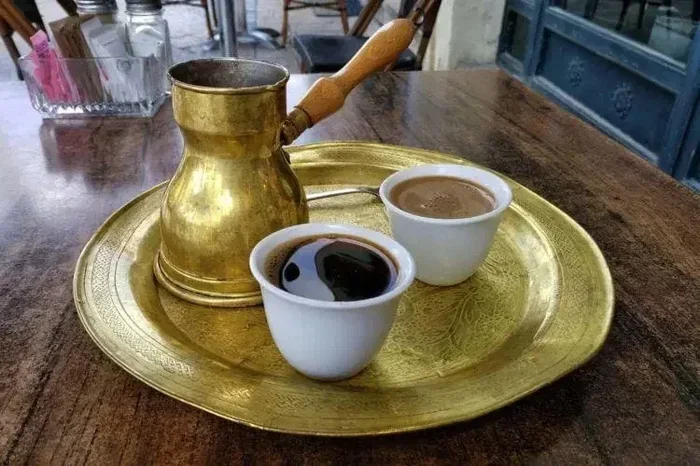
Arabic coffee, also known as qahwa, has a distinct preparation style that sets it apart from other brewing methods. Traditional Arabic coffee is made from lightly roasted coffee beans that are ground very finely. The coffee is brewed in a small pot called a dallah or ibrik and served in tiny cups without handles. The drink is often flavored with cardamom and other spices, giving it a unique aroma and taste.
The coffee ceremony of Arabic coffee is an important social ritual. Serving coffee to guests is a sign of respect and hospitality. In many Islamic cultures, the person designated as the coffee maker is responsible for roasting, grinding, and brewing the coffee beans fresh for each serving. This labor-intensive process reflects the deep cultural significance of coffee in the Middle East. You might be interested in learning more about traditional coffee preparation. If you enjoy making coffee at home, check out how to make your own Dunkin iced coffee for a modern twist on this ancient beverage.
Coffee’s Journey Through Persia and North Africa
Coffee reached Persia (modern-day Iran) in the early 1500s and quickly became popular among scholars, poets, and merchants. The coffeehouses of Persia, known as qahveh khaneh, became centers of intellectual exchange. People gathered to drink coffee, discuss politics, listen to music, and play chess. These coffeehouses were sometimes called “schools of the wise” because of their role in fostering debate and learning.
In North Africa, coffee was embraced with equal enthusiasm. The coffee trade routes that connected Yemen to Morocco and Egypt brought Yemen coffee to new markets. Coffeehouses in cities like Cairo and Fez became vibrant social hubs where people from all walks of life gathered to drink, debate, and connect. The spread of coffee across the Islamic world was not just about a beverage. It was about building community and sharing ideas.
The Ottoman Empire and the Rise of Coffeehouses
The Ottoman Empire played a pivotal role in the history of coffee. When coffee reached Istanbul in the 16th century, it was embraced with remarkable speed. The Ottoman Empire coffee culture transformed the drink from a regional specialty into a global phenomenon. The grand coffeehouses of Istanbul became some of the most famous gathering places in the world.
How Coffeehouses Became Social Hubs
The first coffeehouses in Istanbul opened in the 1550s and quickly became centers of social life. People from all classes visited these establishments to drink coffee, play backgammon, listen to storytellers, and discuss the news. The coffeehouses were so popular that they were sometimes called “schools of the wise” because of the intellectual debates that took place there.
However, the rise of coffeehouses also attracted the attention of authorities. Some Ottoman sultans viewed these gathering places as potential threats to social order. Coffee was even banned at certain points in history. Despite these restrictions, the love for coffee was too strong, and the coffeehouses always found a way to survive and thrive.
Ottoman Coffee Culture and Its Legacy
Ottoman Empire coffee culture established many of the traditions we still see today. The method of preparing coffee in a small copper pot called a cezve or turk is still used across the Middle East and beyond. The thick, unfiltered style of Arabic coffee that emerged from Ottoman brewing methods became the standard for how coffee was enjoyed for centuries.
The coffee trade routes that the Ottomans controlled were vital to the global coffee trade. Istanbul sat at the crossroads of Europe and Asia, making it the perfect hub for coffee trade. Ottoman merchants exported Yemen coffee to Venice, Venice to the rest of Europe, and eventually the drink reached every corner of the globe. The legacy of Ottoman Empire coffee culture is still visible in the coffeehouses and coffee ceremonies of today.
Taking care of your coffee equipment is just as important as understanding its history. If you own a Keurig coffee maker, you know how important regular maintenance is. Learn how to decalcify a Keurig coffee maker to keep your machine running smoothly and your coffee tasting great.
From Muslim Lands to the Global Coffee Revolution
The journey of coffee from the Islamic world to the global stage is one of the great stories of medieval trade. European travelers who visited the Middle East and the Ottoman Empire encountered coffee and brought the idea back to Europe. The coffee trade routes that connected Yemen coffee to the rest of the world eventually transformed coffee into a global commodity.
How Coffee Reached Europe
The first European coffeehouse opened in Venice in 1645. From there, the concept spread rapidly to England, France, and Austria. European coffeehouses became centers of intellectual life, much like their counterparts in the Islamic world. Writers, philosophers, and political activists gathered in these establishments to drink coffee and exchange ideas. Some historians have even called European coffeehouses the birthplace of the Enlightenment.
The origin of coffee in Europe was closely tied to trade with the Ottoman Empire and the Muslim world. Venetian merchants were among the first to import Yemen coffee and sell it to European consumers. The coffee trade became one of the most profitable businesses in Europe, and coffeehouses multiplied rapidly across the continent.
The Modern Coffee World We Know Today
Today, coffee is the second most traded commodity in the world, after oil. The coffee history that began with a goat herder in Ethiopia and a Sufi monk in Yemen has led to a global industry worth hundreds of billions of dollars. From specialty coffee shops to home brewing methods, the way we enjoy coffee today is a direct result of the journey it took from Muslim lands to the rest of the world.
The coffee plant is now grown in over 70 countries, from Colombia to Vietnam to Kenya. But the story of how it became a global beverage always starts with the Islamic world. The coffee cultivation techniques developed in Yemen, the brewing methods refined by Sufi monks, and the coffeehouses created in the Ottoman Empire all played a role in shaping the modern coffee culture we enjoy today.
If you are curious about how coffee beans are prepared at home, you might want to explore different grinding methods. Traditional and modern techniques vary widely. For example, some people use wet grinding methods for specific recipes. You can read more about whether a coffee grinder can be used for wet grinding to understand the different approaches to preparing your beans.
Conclusion: The Enduring Legacy of Muslim Coffee Culture
So, did Muslims Make Coffee into the global beverage we know today? The evidence is clear and compelling. The origin of coffee is deeply intertwined with Islamic culture, from the legendary discovery by Kaldi in Ethiopia to the coffeehouses of the Ottoman Empire. Sufi monks were among the first to cultivate, brew, and share coffee beans as part of their spiritual practice. Yemen became the cradle of coffee cultivation, and Muslim traders carried the drink across continents along ancient coffee trade routes.
The story of coffee is a story of connection. It connects us to the past, to the Sufi mystics who stayed awake through the night in pursuit of spiritual growth, to the coffeehouses where ideas were born and debates were sparked, and to the global coffee culture we are all part of today. Every time you brew a cup of coffee, you are participating in a tradition that spans centuries and crosses continents.
The coffee history reminds us that the things we enjoy every day often have deeper roots than we realize. The coffee plant that grows in farms around the world today traces its journey back to the highlands of Ethiopia and the monasteries of Yemen. Understanding this origin of coffee gives us a greater appreciation for the drink and the cultures that shaped it. So the next time you take a sip, remember the incredible journey that coffee beans have taken to reach you.
The legacy of Muslim coffee culture lives on in every cup. Whether you prefer Arabic coffee brewed in a traditional cezve, a modern espresso shot, or a cold brew on a hot afternoon, you are enjoying a beverage that was shaped by centuries of Islamic culture, coffee cultivation, and global coffee trade. The story of coffee is far from over. It continues to evolve, connect people, and bring joy to millions of people around the world every single day.
Frequently Asked Questions
Who is credited with discovering coffee?
The legend of Kaldi, an Ethiopian goat herder, is widely credited with the discovery of coffee beans. According to the story, Kaldi noticed his goats becoming energetic after eating red berries from a coffee plant. While this is likely a legend, it highlights the Ethiopian roots of coffee history.
Why did Sufi monks drink coffee?
Sufi monks drank coffee to stay awake during long nights of prayers and meditation. The caffeine in coffee beans helped them maintain focus and alertness during their spiritual practices. This practical use of coffee helped it gain acceptance across Islamic culture.
When did coffee first reach Europe?
Coffee reached Europe in the 16th and 17th centuries, primarily through Venetian merchants who traded with the Ottoman Empire. The first European coffeehouse opened in Venice in 1645. From there, the drink spread rapidly across the continent through coffee trade routes.
What is the difference between Arabic coffee and regular coffee?
Arabic coffee is traditionally brewed from lightly roasted coffee beans and is often flavored with cardamom. It is prepared in a small pot called a dallah and served in small cups. The brewing methods and flavor profile of Arabic coffee are distinct from the darker, more heavily roasted styles common in Western countries.
How did the Ottoman Empire influence global coffee culture?
The Ottoman Empire was instrumental in spreading coffee culture worldwide. Ottoman coffeehouses became social and intellectual hubs, and the empire controlled key coffee trade routes. The Ottoman Empire coffee traditions, including the use of the cezve and the unfiltered brewing style, influenced coffee preparation across the globe.
Is the Kaldi legend true?
The Kaldi legend is widely regarded as a myth or folktale rather than a verified historical account. However, it captures an important truth about the Ethiopian origins of coffee cultivation. The story has been passed down through generations and remains a beloved part of coffee history and Ethiopian coffee culture.