How To Make The Different Types Of Coffee Like A Boss
Learning how to make the different types of coffee like a boss is easier than you think. This guide covers espresso, french press, pour over, cold brew, and more. You will find step-by-step instructions, quick tips, and common mistakes to avoid. Whether you are a beginner or a coffee lover, these methods will upgrade your daily cup. Start brewing like a pro today.
Key Takeaways
- Multiple Brewing Methods: There are many ways to make coffee, from espresso machines to simple french presses.
- Grind Size Matters: Different coffee types need different grind sizes for the best flavor.
- Water Temperature Is Key: The right water temperature brings out the best coffee flavors every time.
- Cold Brew Is Easy: You can make cold brew at home with just coffee grounds and water.
- Practice Makes Perfect: Once you learn the basics, you can experiment and find your favorite coffee style.
- Equipment Choices Count: The right coffee maker or brewer makes a big difference in taste.
- Fresh Beans Win: Using fresh coffee beans always gives you a better cup.
📑 Table of Contents
Why Knowing How To Make The Different Types Of Coffee Matters
Coffee is one of the most popular drinks in the world. People drink it every morning, at work, and on weekends. But not all coffee is the same. Each brewing method creates a unique flavor and experience.
When you learn how to make the different types of coffee, you take control of your morning routine. You no longer depend on coffee shops or instant packets. You can make cafe-quality drinks right in your kitchen.
This guide breaks down every major brewing method. You will learn about espresso, french press, pour over, drip coffee, and cold brew. Each section gives you simple steps, helpful tips, and things to watch out for.
By the end, you will know which method fits your style. You will also understand why some methods take more time than others. Let us dive in and explore the world of coffee brewing.
How To Make Espresso-Based Coffee Drinks
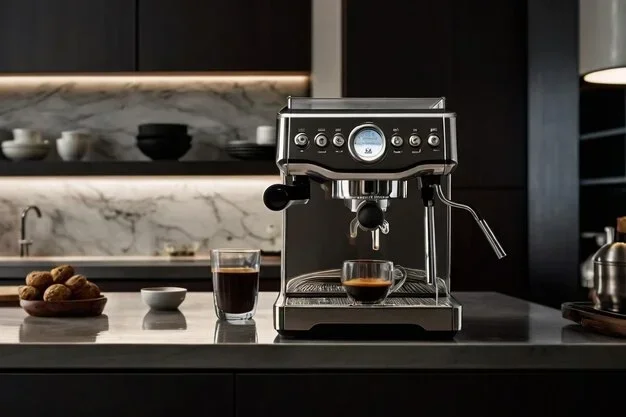
Espresso is the base for many popular coffee drinks. It uses high pressure to force hot water through fine coffee grounds. The result is a strong, concentrated shot of coffee with a rich crema on top.
Making a Classic Espresso Shot
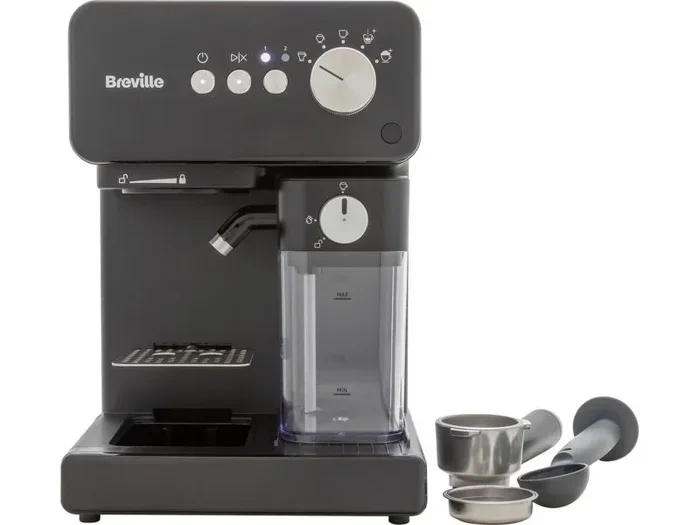
To make a basic espresso shot, you need an espresso machine. Start by grinding your coffee beans to a fine consistency. The grind should feel like powdered sugar. Put the grounds into the portafilter and tamp them down firmly.
Lock the portafilter into the machine. Start the shot and let it run for about 25 to 30 seconds. You should see a steady stream of dark coffee flowing into your cup. The output should be about 1 to 2 ounces.
If the shot runs too fast, your grind is too coarse. If it drips slowly, make it a bit coarser. This is one of the most important coffee brewing tips to remember.
Making a Cappuccino at Home
A cappuccino combines espresso, steamed milk, and milk foam. Start by pulling a single espresso shot. While the shot is brewing, heat and froth about 4 ounces of milk.
Pour the espresso into a cup first. Then add the steamed milk. Finish with a spoonful of milk foam on top. The classic ratio is one-third espresso, one-third milk, and one-third foam.
Making a Latte for Beginners
A latte is similar to a cappuccino but with more milk and less foam. Pull one or two espresso shots into a large cup. Steam about 6 to 8 ounces of milk until it is silky and smooth.
Pour the steamed milk into the espresso slowly. You want a thin layer of foam on top, not a thick one. Lattes taste creamier and milder than cappuccinos. This makes them a great starting point for people who do not like strong coffee.
Quick Tips for Espresso
- Always use fresh coffee beans for the best coffee flavors.
- Clean your machine regularly to keep it running well.
- Store your beans in an airtight container away from light.
- Experiment with different coffee beans to find your favorite roast.
If you own a Keurig or any pod-based machine, remember to decalcify a Keurig coffee maker every few months. This keeps your machine working at its best and ensures your coffee tastes clean and fresh.
How To Make Immersion Brew Coffee
Immersion brewing is one of the simplest ways to make great coffee. You steep coffee grounds in hot water for several minutes, then filter them out. This method gives you a full-bodied cup with rich flavors.
French Press Coffee Step by Step
The french press is a beloved tool for home brewing. Start by adding coarsely ground coffee to the press. A good ratio is about 2 tablespoons of grounds per 6 ounces of water.
Heat your water to around 200 degrees Fahrenheit. Pour it over the grounds and give it a gentle stir. Place the lid on and let the coffee steep for 4 minutes.
Press the plunger down slowly and steadily. Pour the coffee into your cup right away. If you leave it in the press, it will keep brewing and become bitter.
Aeropress Coffee for Quick and Clean Cups
The Aeropress is a portable and fun way to brew coffee. It uses air pressure to push water through coffee grounds. Start by placing a filter in the Aeropress cap and wetting it with hot water.
Add fine to medium-ground coffee to the chamber. Pour hot water over the grounds and stir for 10 seconds. Insert the plunger and press down gently over 20 to 30 seconds.
The result is a clean, smooth cup of coffee. You can also flip the Aeropress and make an espresso-style concentrate. The possibilities are endless with this little device.
Moka Pot Coffee on the Stove
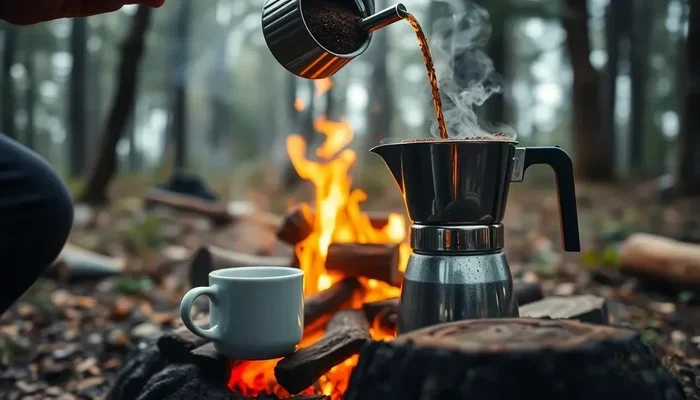
A moka pot makes strong coffee that tastes close to espresso. Fill the bottom chamber with water and add finely ground coffee to the filter basket.
Place the pot on the stove over medium heat. As the water heats, it pushes through the coffee grounds and rises into the top chamber. Remove the pot from the heat as soon as you hear a hissing sound.
Moka pot coffee is bold and intense. It is perfect for people who love strong coffee types without investing in an expensive machine.
Common Mistakes with Immersion Brewing
- Using water that is too hot will burn the grounds and create bitter flavors.
- Leaving coffee in the french press too long makes it over-extracted and harsh.
- Grinding your beans too fine for a french press causes sludge in your cup.
- Not cleaning your equipment after each use leads to stale flavors.
Expert brewers always say that coffee grounds quality changes everything. Buy whole beans and grind them just before brewing. This simple step makes a noticeable difference in taste.
How To Make Pour Over Coffee
Pour over coffee is a slow and intentional brewing method. It gives you full control over every step of the process. The result is a clean, bright cup that highlights the unique notes of your beans.
What You Need for Pour Over Brewing
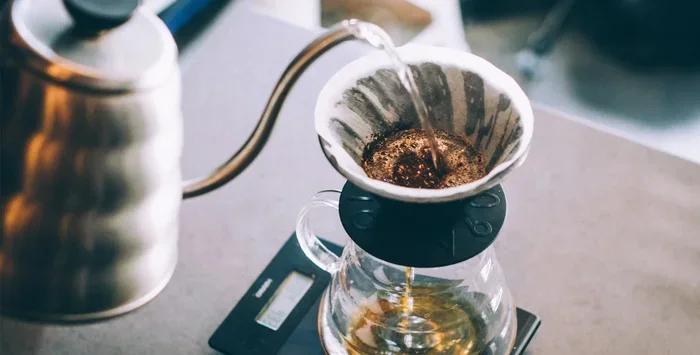
You will need a pour over dripper, a paper or cloth filter, a kettle, and freshly ground coffee. A gooseneck kettle is ideal because it lets you control the water flow precisely.
Place the filter in the dripper and rinse it with hot water. This removes any papery taste and warms the dripper. Discard the rinse water and add your coffee grounds.
The Pour Over Process
Start by pouring a small amount of water over the grounds. Let it sit for 30 seconds. This step is called the bloom. It allows the coffee to release gases and develop better flavor.
After the bloom, pour the remaining water slowly in circles. Keep the water level consistent and avoid pouring directly on the filter. The whole process should take about 3 to 4 minutes.
Pour over coffee highlights subtle coffee flavors that other methods might mask. It is perfect for light and medium roast beans. If you enjoy tasting the nuances of different beans, this method is for you.
Cold Brew Coffee: A Different Kind of Pour Over
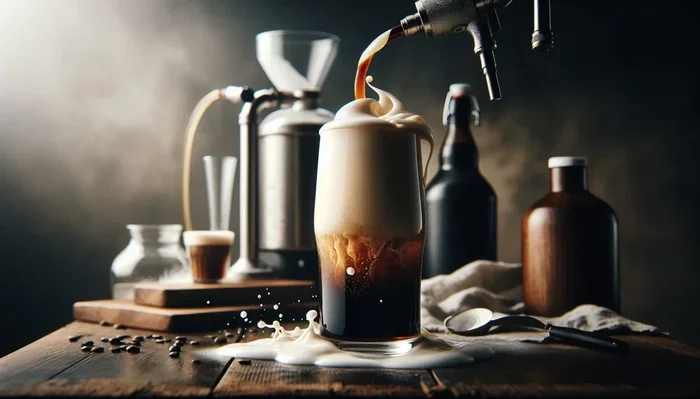
Cold brew is not technically a pour over method, but it deserves mention. You make cold brew by steeping coarse coffee grounds in cold water for 12 to 24 hours. The result is a smooth, low-acid concentrate that tastes amazing over ice.
Mix 1 cup of coarsely ground coffee with 4 cups of cold water. Stir gently and let it sit at room temperature or in the fridge. Strain the mixture through a fine mesh filter or cheesecloth.
You can dilute the concentrate with water or milk. Cold brew is sweet and naturally smooth. It is one of the most popular coffee types during the summer months.
Want to try making a refreshing iced version? Check out this guide on how to make your own Dunkin iced coffee for easy recipes you can try at home.
How To Make Drip and Filter Coffee
Drip coffee is the most common way people make coffee at home. It is simple, fast, and makes multiple cups at once. Most drip coffee makers do the work for you.
Using a Standard Drip Coffee Maker
Add a filter to the basket and place it in the machine. Add medium-ground coffee using a ratio of about 1 to 2 tablespoons per 6 ounces of water. Fill the reservoir with clean, filtered water.
Turn on the machine and let it do its job. The water heats up and drips through the grounds into the carafe below. A full pot usually takes about 5 to 10 minutes.
For the best results, use water between 195 and 205 degrees Fahrenheit. If your machine does not heat water hot enough, your coffee will taste weak and flat.
Getting Crispy and Delicious Results
Did you know that some of the same principles apply to other kitchen techniques? For example, getting things crispy in the oven requires similar attention to temperature and timing. The same care you give to your water temperature in coffee applies to achieving great textures in cooking.
When you pay attention to details, the results speak for themselves. Whether you are brewing coffee or cooking a meal, precision matters.
Comparing Brewing Methods
Not sure which method to try first? Here is a quick comparison of the most popular brewing methods.
| Method | Time | Difficulty | Flavor Profile | Best For |
|---|---|---|---|---|
| Espresso | 25-30 seconds | Medium | Strong, concentrated, rich | Latte and cappuccino lovers |
| French Press | 4 minutes | Easy | Full-bodied, bold, earthy | Slow morning routines |
| Pour Over | 3-4 minutes | Medium | Clean, bright, nuanced | Flavor enthusiasts |
| Aeropress | 1-2 minutes | Easy | Smooth, clean, versatile | Quick and portable brewing |
| Cold Brew | 12-24 hours | Easy | Smooth, sweet, low acid | Summer and iced drinks |
| Drip Coffee | 5-10 minutes | Very Easy | Mild, balanced, familiar | Everyday convenience |
How To Make Specialty and Iced Coffee Drinks
Once you master the basics, you can start experimenting with specialty drinks. These are the coffee creations that make mornings exciting and afternoons feel rewarding.
Iced Coffee Basics
Iced coffee is simply hot coffee poured over ice. You can make it using any brewing method. Brew your coffee a bit stronger than usual since the ice will dilute it as it melts.
Let the coffee cool to room temperature before adding ice. This prevents the ice from melting too quickly. Add milk, cream, or sweetener to taste.
For a more advanced take, try making your own Dunkin iced coffee at home. You can replicate those popular flavors with just a few simple ingredients.
Mocha and Flavored Coffee Drinks
A mocha combines espresso, chocolate, and steamed milk. Pull a shot of espresso and add 1 to 2 tablespoons of cocoa powder or chocolate syrup. Steam your milk and pour it over the chocolate espresso mixture.
You can also add vanilla, caramel, or hazelnut syrup to any coffee drink. These flavors turn a simple cup into a treat. Experiment with different combinations to find your signature drink.
Making Coffee When You Are Off the Grid
Did you know you can even brew coffee using a solar oven? If you are camping or living off the grid, a solar oven made with aluminum foil can heat water for coffee. It is a creative way to enjoy your morning brew anywhere.
Just heat water using the solar oven and brew your coffee with your preferred method. It is not the fastest approach, but it works surprisingly well on sunny days.
Tips and Tricks for Perfecting Every Cup
Great coffee comes down to a few key factors. Master these basics and your coffee will taste amazing every time.
Quick Tips for Better Coffee
- Always start with fresh, quality coffee beans.
- Grind your beans just before brewing for maximum freshness.
- Use filtered water to avoid off-flavors from tap water.
- Keep your coffee maker clean and free of old oils and residue.
- Measure your coffee and water ratios carefully.
- Store beans in a cool, dark place in an airtight container.
- Experiment with different grind sizes to find your sweet spot.
Common Mistakes That Ruin Your Coffee
Even experienced coffee drinkers make mistakes sometimes. Here are the most common ones to avoid.
- Using stale beans. Coffee loses its flavor within weeks of roasting. Always check the roast date before buying.
- Ignoring water temperature. Water that is too hot burns the grounds. Water that is too cool under-extracts the flavor.
- Using the wrong grind size. Each brewing method needs a specific grind. Using the wrong one leads to over or under-extraction.
- Skipping the bloom. Especially with pour over coffee, the bloom step releases gases and improves flavor extraction.
- Not cleaning equipment. Old coffee oils build up and create rancid flavors. Clean your gear after every use.
Expert Insights on Coffee Brewing
Professional baristas agree that the ratio of coffee to water is the single most important factor. A standard ratio is 1:16, meaning 1 gram of coffee for every 16 grams of water. This ratio works well across most brewing methods.
Another expert tip is to keep a coffee journal. Write down what beans you used, the grind size, the water temperature, and how the coffee tasted. Over time, you will learn what works best for your palate. This practice helps you refine your technique and consistently brew better coffee.
The world of coffee types is vast and exciting. Do not be afraid to try new methods and flavor combinations. The best coffee is the one you enjoy drinking the most.
Remember, making great coffee is a journey, not a destination. Every cup you brew teaches you something new. Keep experimenting, keep learning, and most importantly, keep enjoying the process.
Conclusion
Now you know how to make the different types of coffee like a boss. From rich espresso shots to smooth cold brew, you have the tools and knowledge to brew amazing coffee at home. Each method has its own charm and flavor profile.
Start with one method that excites you and practice it until you feel confident. Then move on to the next one. Before long, you will be able to make any coffee type you crave without leaving your kitchen.
The beauty of home brewing is that it saves money and gives you complete control over every cup. You choose the beans, the grind, the water, and the method. That is the power of knowing how to make the different types of coffee.
So grab your favorite beans, pick a method, and start brewing. Your perfect cup of coffee is waiting for you.
Frequently Asked Questions
What are the easiest coffee brewing methods for beginners?
The easiest methods for beginners are drip coffee makers, french presses, and Aeropress. These require minimal equipment and very little experience. You can make a great cup of coffee with just a few simple steps.
How do I choose the right grind size for my brewing method?
Coarse grinds work best for french presses and cold brew. Medium grinds are ideal for drip coffee and Aeropress. Fine grinds are needed for espresso and moka pots. Matching the grind size to your method ensures the best extraction and flavor.
Can I make espresso without an espresso machine?
Yes, you can use a moka pot or an Aeropress to make espresso-style coffee at home. These alternatives do not produce true espresso with crema, but they create strong, concentrated coffee that tastes similar. They are affordable and easy to use.
How long does cold brew coffee last in the fridge?
Cold brew concentrate can last up to two weeks in the refrigerator. Once you dilute it with water or milk, drink it within 24 to 48 hours for the best taste. Always store it in an airtight container.
What is the best water temperature for brewing coffee?
The ideal water temperature for most brewing methods is between 195 and 205 degrees Fahrenheit. Water that is too hot will over-extract and bitter the coffee. Water that is too cool will under-extract and leave the coffee tasting flat.
How can I make my coffee taste less bitter?
To reduce bitterness, try using a coarser grind, lowering the water temperature, or shortening the brew time. You can also add milk or cream to mellow out harsh flavors. Using fresh beans and clean equipment also makes a big difference in reducing bitterness.
=== INTERNAL LINKS USED ===
1. make your own Dunkin iced coffee
2. decalcify a Keurig coffee maker
3. make a solar oven with aluminum foil