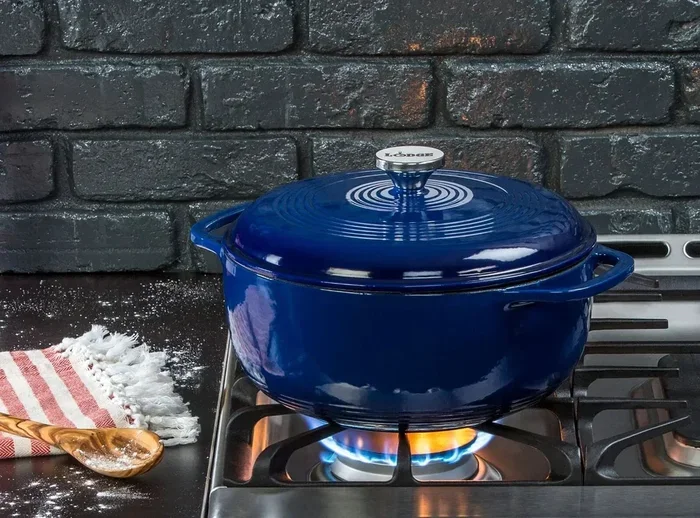
Why an Enameled Dutch Oven Is Every Kitchens Best Friend
An enameled Dutch oven is a versatile, durable cooking pot that every kitchen needs. It combines the heat retention of cast iron with a smooth, easy-to-clean enamel coating. Whether you are braising, baking, or making one-pot meals, this cookware delivers incredible results with minimal effort.
Every kitchen deserves one trusty pot that can do it all. An enameled Dutch oven is exactly that kind of pot. It is heavy, beautiful, and surprisingly simple to use. Whether you are a beginner cook or a seasoned chef, this one piece of cookware will change the way you prepare meals.
The enameled Dutch oven has been a staple in kitchens for decades. It combines the natural heat-trapping power of cast iron with a glossy, protective enamel coating on the outside and inside. This means you get the best of both worlds: incredible cooking performance and a surface that is easy to clean. No more scrubbing burnt food off bare metal. No more rust worries. Just good, reliable cooking.
In this guide, we will walk you through everything you need to know about the enameled Dutch oven. We will cover its benefits, how to pick the right one, top recipes, care tips, and how it compares to regular cast iron. By the end, you will understand why this pot deserves a permanent spot on your stovetop.
Key Takeaways
- Versatile Cooking: An enameled Dutch oven works on the stovetop, in the oven, and even over a campfire for maximum flexibility.
- Easy Cleanup: The smooth enamel coating prevents food from sticking, making washing up a breeze compared to bare cast iron.
- Superior Heat Retention: The heavy cast iron core holds heat evenly, giving you consistent cooking results every time.
- Beautiful Design: Available in many colors, an enameled Dutch oven looks great on the table and doubles as serving dish.
- Durable and Long-Lasting: With proper care, an enameled Dutch oven can last a lifetime and even be passed down through generations.
- Budget-Friendly: Investing in one pot that replaces several kitchen tools saves money and counter space.
📑 Table of Contents
- What Is an Enameled Dutch Oven and Why Does It Matter
- The Amazing Benefits of an Enameled Dutch Oven
- How to Choose the Right Enameled Dutch Oven
- Best Enameled Dutch Oven Recipes to Try
- Caring for Your Enameled Dutch Oven
- Enameled Dutch Oven vs Regular Cast Iron
- Common Mistakes to Avoid
- Final Thoughts
What Is an Enameled Dutch Oven and Why Does It Matter
An enameled Dutch oven is a thick-walled cooking pot with a tight-fitting lid. The base is made of cast iron, which is known for holding heat very well. The outside and inside are coated with a layer of enamel, which is basically glass fused to metal at high temperatures. This coating gives the pot its smooth, shiny finish.
The enamel coating is what sets this pot apart from regular cast iron cookware. Bare cast iron requires seasoning and careful maintenance. An enameled cast iron pot skips all of that. You can cook acidic foods like tomato sauce without worrying about metallic tastes or damaging the surface. This makes it far more forgiving for everyday cooking.
The enamel finish also comes in many colors. You can find pots in classic white, deep blue, bright red, matte black, and more. This is not just for looks. The color options let you match your kitchen style or pick a pot that is easy to spot in a crowded cabinet. Many brands also make the outside enamel resistant to chipping, though you should still treat it gently.
How Does the Enamel Coating Work
The enamel layer acts as a non-stick barrier. Food does not bond to the surface the way it can with bare cast iron. This means less sticking, less burning, and much easier cleanup. The enamel also creates a non-reactive surface. You can cook anything from wine-based stews to lemon chicken without any fear of the food reacting with the metal underneath.
Another big plus is that the enamel coating prevents rust. Cast iron rusts when exposed to moisture for too long. The enamel seal protects the iron beneath from water and air. This is a huge advantage for people who live in humid climates or who want a low-maintenance cooking pot.
The Amazing Benefits of an Enameled Dutch Oven
Once you start using an enameled Dutch oven, you will wonder how you ever cooked without one. The benefits go far beyond just looking nice on your stove. Let us break down the top reasons this pot is a true kitchen essential.
1. Superior Heat Retention and Distribution
Cast iron is famous for its heat retention. A thick-walled enameled Dutch oven holds heat for a long time, even after you remove it from the burner. This means your food stays at the right temperature longer. It also means the pot recovers heat quickly when you add cold ingredients.
The heavy lid traps steam inside, which keeps moisture in your food. This is perfect for slow-cooked dishes where you want tender, fall-apart meat. The even heat distribution means there are no hot spots that burn your food on one side while leaving the other side raw.
2. Versatility Across Cooking Methods
One of the best things about an enameled Dutch oven is its versatility. You can use it for so many different cooking tasks:
- Braising: Sear meat on the stovetop, then move the pot into the oven for slow, gentle cooking.
- Slow Cooking: Set it low and let it work for hours, perfect for soups, stews, and chili.
- Baking: Use it to bake bread, cobblers, and even casseroles right on the stovetop or in the oven.
- Sautéing: The heavy base holds heat well for frying vegetables or browning onions.
- Boiling and Simmering: Great for pasta, rice, and boiling corn on the cob.
- Campfire Cooking: Many enameled pots can go straight over a campfire or grill.
This kind of versatile cookware saves you from buying multiple pots and pans. One enameled Dutch oven replaces a stockpot, a baking dish, a skillet, and a slow cooker in many cases.
3. Easy to Clean
We all hate scrubbing stuck-on food. The smooth enamel surface makes cleanup much simpler. Most foods release easily after cooking, especially if you let the pot cool a bit before washing. A gentle scrub with warm water and mild soap is usually all you need.
Unlike bare cast iron, you do not need to scrub with harsh abrasive pads or use special cleaning techniques. The easy cleanup feature alone makes an enameled Dutch oven worth the investment for busy home cooks.
4. Beautiful and Functional
Let us be honest. An enameled Dutch oven looks stunning. It goes from stovetop to table without needing to transfer food into a separate serving dish. The glossy finish and rich colors make it a centerpiece at dinner parties. Many people buy one specifically because it looks so good.
Brands like Le Creuset and Staub have made the enameled Dutch oven a fashion statement in the kitchen. But you do not need to spend a fortune to get great results. There are affordable options from brands like Lodge, Tramontina, and Cuisinart that deliver excellent performance.
How to Choose the Right Enameled Dutch Oven
Not all enameled Dutch ovens are created equal. When you go shopping, there are a few key factors to consider. Let us walk you through what matters most.
Size and Capacity
Dutch oven sizes typically range from 3 quarts to 7 quarts or more. The right size depends on your household and cooking habits:
- 3 to 4 quarts: Perfect for 1 to 2 people. Great for soups, sauces, and small batches.
- 5 to 6 quarts: The most popular size. Works well for families of 3 to 5 and handles most recipes easily.
- 7 quarts and up: Ideal for large families, meal prep, or cooking for gatherings and holidays.
If you are unsure, a 5.5-quart pot is a safe middle ground. It handles almost everything from a single pot of chili to a whole roasted chicken with vegetables.
Material and Construction
Look for a pot with a thick, heavy base. The cast iron core is what gives you that excellent heat retention. The enamel layer should be smooth and even, with no visible bubbles or rough spots. A well-made enameled cast iron pot will feel solid and substantial in your hands.
The lid should fit snugly to trap moisture. Many premium pots have a slightly recessed lid rim that collects condensation and drips it back onto the food. This is a small detail that makes a big difference for slow-cooked dishes.
Brand and Budget
You can find enameled Dutch oven brands at every price point. Here is a quick comparison:
| Brand | Price Range | Notable Feature |
|---|---|---|
| Le Creuset | Premium | Wide color range, lifetime durability |
| Staub | Premium | Self-basting lid, matte enamel finish |
| Lodge | Mid-Range | Affordable, solid performance, many colors |
| Tramontina | Budget | Great value, lightweight compared to others |
| Cuisinart | Budget | Good entry-level option, enamel coated |
You do not always need to spend top dollar. A mid-range pot from Lodge or Tramontina will serve you well for years. The key is to look for solid construction and a good warranty.
Best Enameled Dutch Oven Recipes to Try
The real fun begins when you start cooking with your new enameled Dutch oven. This pot shines in recipes that benefit from long, slow cooking or even heat. Here are some ideas to get you started.
One-Pot Meals
One-pot meals are where the enameled Dutch oven truly shines. You can brown meat, add vegetables, pour in broth, and let it all simmer together. Cleanup is just one pot, and the flavors meld beautifully inside the heavy pot.
Try a classic beef stew. Brown chunks of beef on the stovetop, add onions, carrots, potatoes, and beef broth, then cover and cook low and slow. The enamel coating makes it easy to deglaze the pot and scrape up all those flavorful browned bits. The result is a rich, hearty stew that the whole family will love.
Baking Bread
Yes, you can bake amazing bread in an enameled Dutch oven. The pot traps steam, which creates a crispy, golden crust on your loaf. This method works beautifully for sourdough bread, Dutch oven bread, and even pizza dough.
Preheat the pot in the oven, drop in your dough, cover with the lid, and bake. The steam trapped inside the pot keeps the bread moist while the high heat crisps the outside. You get bakery-quality bread at home with almost no effort.
Comfort Soups and Stews
There is something magical about a pot of soup simmering on the stove. An enameled Dutch oven gives you the perfect environment for soup-making. The even heat prevents scorching, and the heavy lid keeps everything at a gentle simmer.
Try a creamy chicken tortilla soup, a hearty lentil stew, or a classic French onion soup. The enamel coating makes it easy to clean up the caramelized onions and rich broth afterward.
Roasting and Braising
Roast a whole chicken in your enameled Dutch oven for crispy skin and juicy meat. Add potatoes, onions, and herbs to the pot, and you have a complete dinner with minimal prep. The even heat distribution ensures the chicken cooks perfectly from edge to center.
Braising is another superstar technique. Brown short ribs or pork shoulder on the stovetop, add a splash of red wine and some stock, then cover and transfer to a low oven. The enameled cast iron pot holds steady heat for hours, breaking down tough cuts into tender, flavorful perfection.
Caring for Your Enameled Dutch Oven
An enameled Dutch oven is built to last, but it does need some basic care to stay in top shape. The good news is that maintenance is simple and straightforward.
Cleaning Tips
Always let the pot cool before washing it. Plunging a hot pot into cold water can cause thermal shock, which may crack the enamel. Wash with warm water and a soft sponge. For stubborn stuck-on food, soak the pot in warm water for 15 to 20 minutes first.
Avoid using steel wool or harsh abrasive cleaners. These can scratch the enamel finish. A paste of baking soda and water works wonders for gentle scrubbing. Most stains and discoloration will come off with a little patience.
Storage and Handling
Store your pot with the lid slightly ajar to allow air circulation. This prevents moisture from getting trapped and causing odors. If you stack pots, place a soft cloth or paper towel between them to prevent scratching.
Handle the pot with care. While the enamel is durable, it can chip if dropped or knocked against a hard surface. Use oven mitts when handling hot pots, and never put a cold pot on a hot burner or vice versa.
Dealing with Stains and Discoloration
The enamel surface may develop some discoloration over time, especially from high-heat cooking or tomato-based sauces. This is purely cosmetic and does not affect performance. To remove stains, fill the pot with water, add a cup of white vinegar, and bring it to a boil. Let it simmer for 10 minutes, then wash as usual.
For stubborn stains inside the pot, make a paste from baking soda and water. Apply it to the stained areas, let it sit overnight, and scrub gently in the morning. Your pot will look as good as new.
Enameled Dutch Oven vs Regular Cast Iron
People often ask whether to choose an enameled Dutch oven or a traditional bare cast iron pot. Both have their strengths. Let us compare them side by side.
| Feature | Enameled Dutch Oven | Regular Cast Iron |
|---|---|---|
| Heat Retention | Excellent | Excellent |
| Non-Reactive Surface | Yes | No (needs seasoning) |
| Easy Cleanup | Very Easy | Moderate (no soap, special care) |
| Rust Resistance | High | Low (requires drying and oiling) |
| Price Range | Mid to Premium | Budget to Mid |
| Weight | Heavy | Heavy |
| Cooking Acidic Foods | Safe | Not Recommended |
| Longevity | 10+ years | Lifetime with proper care |
If you want a low-maintenance option that handles acidic foods with ease, the enameled Dutch oven is the clear winner. If you prefer a more traditional approach and do not mind the extra maintenance, bare cast iron has its own charm. Many home cooks end up owning both.
The enameled cast iron option is especially great for people who want the benefits of cast iron without the learning curve. You can cook immediately after purchase, with no seasoning required. It is truly a set-it-and-forget-it kind of pot.
Common Mistakes to Avoid
Even though an enameled Dutch oven is forgiving, there are a few mistakes to watch out for:
- Using metal utensils: Metal spoons and spatulas can scratch the enamel surface. Use wooden, silicone, or nylon utensils instead.
- Sudden temperature changes: Do not place a hot pot on a cold surface or add cold water to a hot pot. This can cause the enamel to crack or chip.
- Overheating on high heat: Cast iron heats slowly and holds heat well. There is no need to crank the burner to high. Medium to medium-high heat works best for most tasks.
- Ignoring manufacturer instructions: Always check the care guide that comes with your pot. Different brands may have slightly different recommendations for maximum oven temperature and cleaning methods.
- Storing food in the pot: The enamel is not designed for long-term food storage. Transfer leftovers to a separate container after cooking.
Avoiding these simple mistakes will keep your enameled Dutch oven looking and performing great for many years. A little care goes a long way.
Final Thoughts
The enameled Dutch oven is more than just a cooking pot. It is a kitchen companion that makes everyday cooking easier, more enjoyable, and more delicious. From weeknight dinners to holiday feasts, this versatile vessel handles it all with grace.
Whether you are a college student making your first soup or a parent feeding a busy family, an enameled Dutch oven fits your needs. It requires very little maintenance, delivers consistent results, and looks beautiful doing it. If you have been thinking about adding one to your kitchen, now is the perfect time.
Start with a mid-sized pot, try a few simple recipes, and you will quickly see why so many home cooks consider the enameled Dutch oven the single most useful tool in their kitchen. Once you experience the difference, you will not look back.
Frequently Asked Questions
Can I use metal utensils with an enameled Dutch oven?
It is best to avoid metal utensils because they can scratch the enamel surface over time. Use wooden, silicone, or nylon utensils instead to keep the coating smooth and intact for years.
Is an enameled Dutch oven safe for the oven?
Yes, most enameled Dutch ovens are oven-safe up to 450 to 500 degrees Fahrenheit. Always check the manufacturer’s guidelines for the specific temperature limit of your pot.
How do I remove stains from my enameled Dutch oven?
Fill the pot with water, add a cup of white vinegar, and bring it to a boil. Let it simmer for 10 minutes, then wash normally. For tough stains, a baking soda paste works wonders.
Can I cook acidic foods in an enameled Dutch oven?
Absolutely. The enamel coating creates a non-reactive surface, so acidic foods like tomato sauce, lemon dishes, and wine-based recipes are perfectly safe to cook without any metallic taste.
How long does an enameled Dutch oven last?
With proper care, a quality enameled Dutch oven can last 10 years or more. Many brands offer lifetime warranties, and the pot often improves with use as the seasoning builds up inside.
What size enameled Dutch oven should I buy?
A 5.5-quart pot is the most versatile size for most households. It handles soups for a family of four, roasts for a small gathering, and one-pot meals with ease. Adjust based on your household size and cooking habits.