How Hot Is Water In A Coffee Maker You Need To Know
Water in a coffee maker typically reaches between 195°F and 205°F (90°C to 96°C), which is just below boiling. This brewing temperature is the sweet spot for extracting the best flavors from ground coffee. Understanding coffee maker heat helps you brew a better cup every single day.
Have you ever wondered what temperature the water reaches inside your coffee maker? It turns out the answer matters a lot for your morning cup. The coffee maker temperature directly affects how your coffee tastes, smells, and feels in your mouth.
Most people don’t think about the heat inside their machines. They just press a button and wait. But the brewing temperature of the water is one of the biggest factors in making great coffee. When you understand how hot the water gets, you can take control of your brew. You can make every cup better.
In this guide, we will walk you through everything you need to know about how hot is water in a coffee maker. We will cover the science behind it, the ideal ranges, common problems, and easy fixes. By the end, you will know more about your coffee maker than most people ever do.
Key Takeaways
- Ideal Brewing Range: The optimal water temperature for coffee is 195°F to 205°F, just under the boiling point.
- Heating Element Matters: The coffee maker heating element is what brings water to the right brewing temperature for extraction.
- Too Hot or Too Cold Ruins Coffee: Water above 205°F causes over-extraction and bitterness, while water below 195°F leads to weak, underdeveloped flavor.
- Different Coffee Makers Vary: Drip machines, pod brewers, and espresso makers all operate at slightly different coffee maker temperature levels.
- You Can Control It: Preheating your machine and using filtered water helps maintain consistent coffee machine water heat for better results.
📑 Table of Contents
- What Temperature Does Water Reach in a Coffee Maker?
- How the Coffee Maker Heating System Works
- Why Water Temperature Matters for Coffee Flavor
- Common Problems with Coffee Maker Temperature
- How to Test Your Coffee Maker’s Water Temperature
- The Role of Water Quality in Coffee Maker Temperature
- Expert Insights on Coffee Maker Heat and Brewing
- Final Thoughts on Coffee Maker Water Temperature
What Temperature Does Water Reach in a Coffee Maker?
The short answer is that water in a standard drip coffee maker reaches about 195°F to 205°F. That is 90°C to 96°C if you prefer metric. This range sits just below the boiling point of 212°F (100°C). And this is not a coincidence. Coffee manufacturers design machines to heat water to this specific optimal brewing temperature on purpose.
The coffee maker heat comes from an internal heating element. This element warms the water reservoir and pushes hot water through the ground coffee. The process happens quickly, usually in just a few minutes. But the temperature the water reaches during this process is what determines the quality of your brew.
Here is something interesting. Not all coffee makers hit the same temperature. Some drip machines run a bit cooler. Others run hotter. The brand, model, and age of the machine all play a role. But the general coffee maker working temperature stays within that 195°F to 205°F sweet spot.
Why 195°F to 205°F Is the Sweet Spot
The Specialty Coffee Association, or SCA, has set the standard for ideal coffee brewing temperature. They recommend water between 195°F and 205°F. This range has been tested and proven over decades of coffee research.
At this temperature, water extracts the right compounds from coffee grounds. It pulls out the oils, acids, and sugars that create a balanced flavor. Too low, and you get under-extracted coffee that tastes sour or weak. Too high, and you get over-extracted coffee that tastes bitter and harsh.
Think of it like cooking meat. If you cook it too long at too high a heat, it dries out and burns. If you don’t cook it enough, it stays raw and unappetizing. Coffee works the same way. The coffee extraction temperature needs to be just right.
How the Coffee Maker Heating System Works
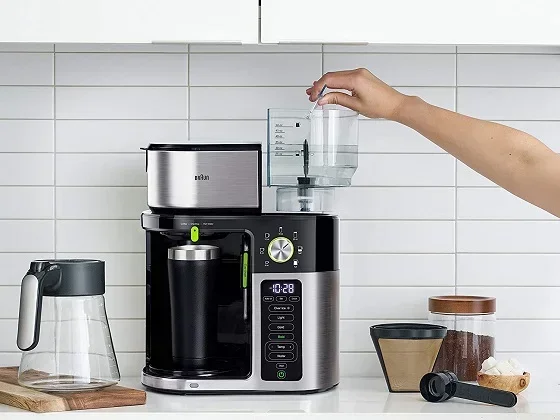
Understanding how your machine heats water helps you appreciate the process. Most drip coffee makers use a simple but effective system. The coffee maker heating element sits at the base of the machine. It heats a tube that draws water from the reservoir upward.
Here is how the process works step by step:
- The cold water sits in the reservoir at the top of the machine.
- When you start the brew cycle, a tube draws water down to the base.
- The heating element warms the water to the target coffee maker temperature.
- The hot water rises through a tube and drips onto the coffee grounds.
- The water passes through the grounds, extracting flavor as it goes.
- The brewed coffee drips into the carafe below.
This whole process takes about 5 to 10 minutes depending on the machine. The coffee maker thermostat regulates the temperature to keep it consistent throughout the brew cycle. If the thermostat is broken, your coffee maker may not heat properly, and your coffee will suffer.
Comparing Heating Methods Across Coffee Maker Types
Different types of coffee makers use different heating methods. Each one affects the coffee maker water temperature in its own way.
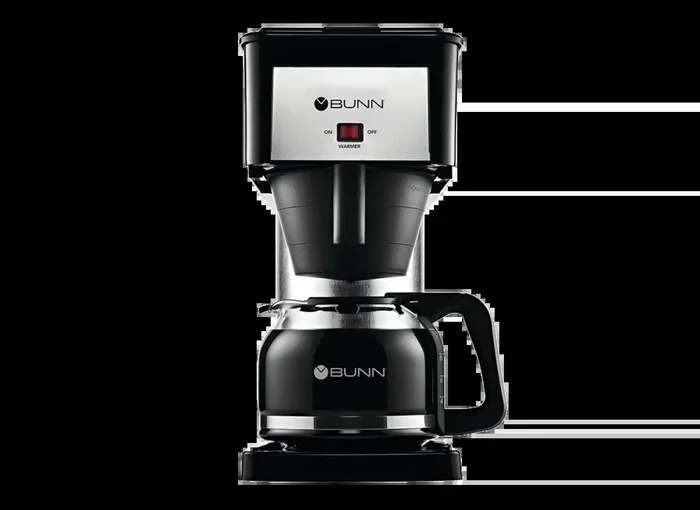
- Drip Coffee Makers: These are the most common type. They use a bottom heating element to warm water. The brewing coffee temperature usually stays within the ideal range.
- Single-Serve Pod Machines: Machines like Keurig heat water very quickly. They often reach the right optimal brewing temperature but can vary based on the model.
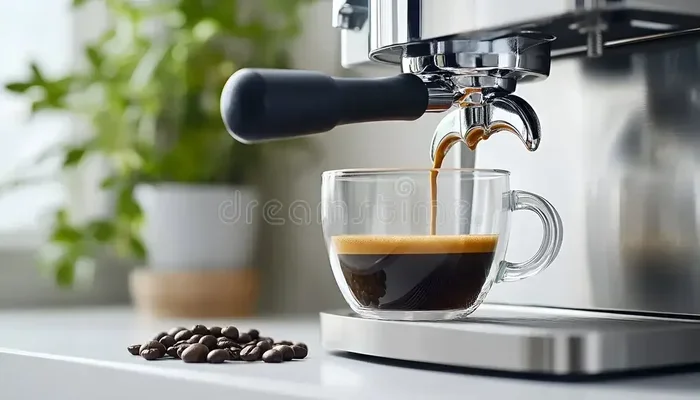
- Espresso Machines: These operate at higher pressures and temperatures. They typically run between 195°F and 205°F for the water that contacts the coffee grounds.
- French Press: This is not a machine that heats water. You boil water separately and pour it in. The coffee maker heat comes from your kettle instead.
- Moka Stovetop Pots: These use steam pressure to push hot water through coffee. The temperature can exceed the ideal range, which sometimes leads to a burnt taste.
Each type has its own strengths. But if you want consistent water temperature for coffee, a quality drip machine or a good pod brewer is hard to beat.
Why Water Temperature Matters for Coffee Flavor
The coffee maker temperature is not just a number on a spec sheet. It has a direct impact on what ends up in your cup. Temperature affects extraction, which is the process of pulling flavor compounds out of the coffee grounds.
Coffee contains hundreds of different compounds. Some create pleasant flavors. Others create bitter or harsh tastes. The coffee extraction temperature determines which compounds dissolve into the water and how much of each one ends up in your cup.
At the ideal brewing temperature, you get a balanced extraction. The coffee tastes smooth, rich, and flavorful. The sweetness comes through. The acidity is pleasant. The body feels full but not heavy.
When the water is too cool, below 190°F, the extraction is incomplete. You get a weak, sour, or grassy cup. The coffee lacks depth and complexity. This is called under-extraction, and it is one of the most common coffee mistakes people make.
When the water is too hot, above 205°F, the extraction goes too far. The coffee becomes bitter and astringent. You taste harsh notes that overpower the pleasant ones. This is over-extraction, and it ruins even good coffee beans.
Quick Tips for Maintaining the Right Temperature
Getting the right coffee maker water temperature is easier than you think. Here are some quick tips to help you brew better coffee:
- Use a machine with a built-in thermostat. This ensures the coffee maker heat stays consistent across brew cycles.
- Preheat your machine. Run a cycle with just water before you add coffee grounds. This brings the whole system up to the right coffee maker temperature.
- Use filtered water. Impurities in tap water can affect how the machine heats and how the coffee tastes.
- Do not leave water in the reservoir too long. Stale water cools down and will not extract properly.
- Clean your machine regularly. Mineral buildup on the heating element reduces coffee maker heat efficiency over time.
Common Problems with Coffee Maker Temperature
Sometimes your coffee maker does not reach the right coffee machine water temperature. When this happens, your coffee suffers. Here are the most common problems and what causes them.
Water Not Hot Enough
If your coffee tastes weak or sour, the water might not be hot enough. This can happen for several reasons. The heating element might be worn out. Mineral deposits might be insulating the element and reducing its efficiency. Or the thermostat might be malfunctioning.
One thing that helps is descaling your machine regularly. Use a vinegar solution or a commercial descaler to remove buildup. This restores the coffee maker heating element to full performance and brings the temperature back up.
Water Too Hot or Boiling
If your coffee tastes burnt or bitter, the water might be overheating. Some older machines lose their thermostat calibration over time. The water boils before it reaches the coffee grounds, and boiling water at 212°F is too hot for proper extraction.
If your machine is heating water to a boil, it is time to check the thermostat. You can also try running a cycle with just water and measuring the temperature with a kitchen thermometer. This tells you whether the coffee maker temperature is in the right range.
For comparison, just like you would check if your oven is heating properly, checking your coffee maker’s temperature ensures you are not wasting good beans. If you want to learn more about checking appliance heating issues, check out how to tell if your oven is not heating properly for helpful diagnostic tips.
How to Test Your Coffee Maker’s Water Temperature
You do not need to be a coffee expert to check your machine’s temperature. A simple kitchen thermometer does the job. Here is how to do it.
- Run your coffee maker with plain water, no coffee grounds.
- Place a cooking thermometer under the spout where the water drips out.
- Wait for the water to start flowing.
- Read the temperature on the thermometer.
- Compare the reading to the ideal range of 195°F to 205°F.
If the temperature is below 195°F, your machine may need cleaning or maintenance. If it is above 205°F, the thermostat might be broken. In either case, you now know exactly what is going on with your coffee maker heat.
Some coffee enthusiasts go a step further. They use digital thermometers that give precise readings to one degree. This level of precision helps them fine-tune their brew. But for most people, a basic thermometer is all you need.
You can also apply this same attention to heat to other kitchen tasks. For example, if you enjoy roasting nuts to add to your coffee drinks, check out how to roast whole almonds in oven for a guide on getting the perfect roast temperature.
The Role of Water Quality in Coffee Maker Temperature
Water quality affects more than just taste. It also affects how your coffee maker heats. Hard water contains minerals like calcium and magnesium. These minerals build up inside the machine over time. They coat the heating element and act as insulation.
When the heating element is coated in scale, it cannot transfer heat efficiently. The water takes longer to reach the right coffee maker temperature. In some cases, it never gets there. This is why descaling is so important.
Filtered or bottled water reduces mineral buildup. It keeps the heating element clean and the coffee machine water temperature consistent. You do not need expensive filters. A simple activated carbon filter in your reservoir makes a big difference.
The temperature of the water you start with also matters. If you fill the reservoir with cold water straight from the tap, the machine has to work harder to reach the target coffee maker water temperature. Starting with room temperature water reduces the workload on the heating element.
Some people like to preheat the water in a kettle before adding it to the reservoir. This is not a bad idea, but be careful. Do not use boiling water. The coffee maker heating element is designed to heat cold water, not boiling water. Pouring boiling water into the reservoir can damage the machine over time.
Also, just like glass has heat limits in certain appliances, your coffee maker carafe has its own heat tolerance. If you are curious about how much heat glass can handle, you might find useful information in guides about how hot glass can be in the oven.
Expert Insights on Coffee Maker Heat and Brewing
Professional baristas and coffee scientists agree on one thing. Temperature is one of the four pillars of great coffee, along with grind size, brew time, and coffee-to-water ratio. Get the temperature right, and the other three factors become much easier to dial in.
Many coffee experts recommend buying a machine with a built-in temperature control. These machines let you set the exact coffee maker temperature you want. Some even let you adjust it for different roast levels. Light roasts often benefit from slightly higher temperatures. Dark roasts do better with slightly lower temperatures.
Another expert tip is to preheat your carafe or mug. A cold container absorbs heat from the coffee and drops the brewing coffee temperature fast. Preheating keeps the coffee at the right coffee extraction temperature for longer, so you can enjoy every sip.
If you are serious about coffee, invest in a good thermometer and test your machine regularly. A machine that maintains the right coffee maker heat consistently will make better coffee day after day. And once you taste the difference, you will never go back to guessing.
Remember that the water temperature for coffee is just one part of the equation. Combine it with fresh beans, the right grind, and clean water, and you will brew coffee that rivals your favorite café.
Final Thoughts on Coffee Maker Water Temperature
The coffee maker temperature is one of the most important things to understand if you want better coffee. The ideal range is 195°F to 205°F. This is the optimal brewing temperature that brings out the best flavors in your grounds.
Your machine’s heating element, thermostat, and water quality all play a role in reaching this target. When one of these factors falls out of balance, your coffee suffers. But the good news is that most temperature problems are easy to fix.
Descale your machine regularly. Use filtered water. Preheat before brewing. And if your coffee tastes off, check the temperature with a thermometer. These simple steps make a huge difference.
Now that you know how hot is water in a coffee maker, you have the knowledge to improve every cup. Put this information to work. Your morning coffee will thank you.
Frequently Asked Questions
What is the ideal temperature for coffee maker water?
The ideal coffee maker temperature is between 195°F and 205°F. This range is the optimal brewing temperature recommended by the Specialty Coffee Association. It allows for proper extraction without burning the coffee grounds.
Can coffee maker water boil?
Most coffee makers are designed to heat water just below boiling. Water boils at 212°F, and coffee makers typically stop at 195°F to 205°F. If your machine is boiling the water, the thermostat may be malfunctioning and needs to be checked or replaced.
How can I test the temperature of my coffee maker?
Run a cycle with plain water and place a kitchen thermometer under the spout. The coffee machine water should read between 195°F and 205°F. If it is outside this range, your machine may need descaling or repair.
Does water temperature affect coffee taste?
Yes, absolutely. The coffee extraction temperature determines which flavor compounds dissolve into the water. Too cool and the coffee tastes sour and weak. Too hot and it tastes bitter and harsh. The right brewing temperature creates a balanced, flavorful cup.
Why is my coffee maker not heating water properly?
This is often caused by mineral buildup on the heating element. Scale and deposits insulate the element and reduce coffee maker heat efficiency. Descaling your machine with vinegar or a commercial descaler usually fixes the problem. If not, the thermostat or heating element may need replacement.
Does the type of coffee maker affect water temperature?
Yes, different types of coffee makers operate at different coffee maker water temperature levels. Drip machines and pod brewers typically stay in the ideal range. Espresso machines use pressure and heat together. French presses and stovetop moka pots rely on water you heat separately, so the temperature depends on your kettle.