Why Is My Cuisinart Coffee Maker Leaking and What to Do
A leaking Cuisinart coffee maker is a common frustration, but the good news is that most causes are easy to fix at home. Whether the problem comes from a worn gasket, a cracked carafe, or simple overfilling, understanding the root cause is the first step to a solution. This guide walks you through every possible reason your machine might be leaking water and gives you clear, step-by-step fixes you can try right away. You will also learn preventive tips to keep your coffee maker running smoothly for years.
Key Takeaways
- Most leaks come from a few common sources: the water reservoir, gaskets, carafe, or overfilling.
- Regular cleaning prevents buildup that causes seals to fail and water to escape.
- Replacing small parts like gaskets and filters is inexpensive and often solves the problem entirely.
- Always fill the reservoir to the correct level to avoid overflow leaks during brewing.
- Know when to call a professional or replace the machine if the damage is internal or severe.
- Preventive maintenance saves money and extends the life of your coffee maker significantly.
- Quick daily habits like proper drying and storage reduce the chance of leaks.
📑 Table of Contents
- Why Is My Cuisinart Coffee Maker Leaking
- Common Reasons Why Your Cuisinart Coffee Maker Leaks Water
- How to Identify Where the Leak Is Coming From
- Step-by-Step Fixes for a Leaking Cuisinart Coffee Maker
- Preventive Maintenance to Stop Future Leaks
- When to Call a Professional or Replace Your Coffee Maker
- Quick Tips to Remember
- Common Mistakes That Cause Coffee Maker Leaks
- Final Thoughts
Why Is My Cuisinart Coffee Maker Leaking
Nothing ruins a morning routine faster than finding a puddle of water under your Cuisinart coffee maker. You walk into the kitchen expecting a fresh cup of coffee, and instead you see water dripping or pooling on the counter. It is frustrating, messy, and honestly a little alarming.
The truth is that a coffee maker leaking is one of the most common appliance issues homeowners face. The good news is that the cause is usually something simple. In most cases, you can fix the problem yourself without calling a repair technician. This article will help you figure out exactly why your machine is leaking and show you how to stop it.
We will cover every possible reason your Cuisinart coffee maker might be leaking water. From the water reservoir to the brew basket, we will look at each part closely. You will also find practical fixes, daily tips, and advice on when it is time to replace the machine instead of repairing it. By the end of this guide, you will have everything you need to solve the problem and keep your coffee maker working properly.
Common Reasons Why Your Cuisinart Coffee Maker Leaks Water
Before you start fixing anything, it helps to understand what is actually causing the leak. There are several reasons a Cuisinart coffee maker might drip water. Some causes are minor and easy to fix. Others might need a part replacement. Let us go through each one so you can narrow down the problem.
1. A Faulty or Worn Water Reservoir
The water reservoir is the tank where you pour water before brewing. Over time, this plastic tank can develop cracks or chips. Even a tiny crack can cause water to leak out during or after brewing. If you have had your machine for a while, the reservoir might be the culprit.
Another common issue is a loose reservoir. If it is not seated properly in its slot, water can spill out the sides. This is one of the easiest fixes. Simply remove the reservoir, check for cracks, and make sure it clicks firmly into place when you put it back.
2. Damaged or Worn Gaskets and Seals
Your coffee maker has several rubber gaskets and seals. These small parts create tight connections between different components. When a gasket wears out or gets damaged, water can escape from those connections. This is one of the most frequent reasons for a coffee maker leaking from the bottom or the sides.
Gaskets wear down naturally over time. They can also get warped from heat or become stiff with age. The good news is that replacement gaskets are usually very affordable. Most Cuisinart repair kits include gaskets for common models.
3. A Cracked or Damaged Carafe
The carafe is the pot that holds your brewed coffee. Glass carafes can crack if they get knocked or overheated. Even a small crack can cause water or coffee to leak slowly. If you notice water dripping from the carafe area, inspect it carefully. Hold it up to the light and look for any hairline cracks.
Some Cuisinart models use thermal carafes instead of glass ones. These are more durable but can still develop leaks if the seal around the lid is damaged. Replacing a carafe is usually straightforward and inexpensive.
4. Overfilling the Water Reservoir
This might sound obvious, but overfilling is one of the top reasons for a leaking coffee machine. Every reservoir has a maximum fill line. If you pour water past that line, the extra water has nowhere to go during brewing. It overflows and leaks out of the machine.
Make it a habit to check the water level before every brew. If you are making a full pot, fill to the line but not beyond. This simple step can prevent a lot of mess and frustration.
5. A Clogged or Dirty Brew Basket
The brew basket holds the coffee grounds during brewing. If it gets clogged with old coffee grounds or mineral buildup, water can back up and overflow. This causes leaks around the top of the machine or from the basket area. Regular cleaning of the brew basket goes a long way in preventing this issue.
Think of it like maintaining any coffee equipment — regular care keeps everything running smoothly. A quick rinse after every use and a deeper clean once a week can make a big difference.
6. Problems with the Drip Tray or Base
The drip tray sits at the bottom of the machine and catches any drips. If the drip tray is full, misaligned, or cracked, water can overflow and leak onto the counter. Some machines also have a small channel system that directs water to the drip tray. If that channel gets blocked, water can spill out from the base.
Check your drip tray regularly. Empty it when it gets full and wash it with warm soapy water. If the tray is cracked, replace it. These are small parts but they play an important role in keeping your machine leak-free.
How to Identify Where the Leak Is Coming From
Figuring out the source of the leak is the most important step. Without knowing where the water is escaping, you might replace the wrong part. Here is a simple method to help you pinpoint the exact location.
First, unplug the machine and let it cool completely. Then, place a dry towel or paper towel under the machine. Next, fill the reservoir with plain water — no coffee grounds — and run a brew cycle without the carafe in place. Watch carefully where the water starts to drip or pool.
If the leak is coming from the top, check the reservoir and lid. If it is coming from the middle, look at the gaskets and seals. If the leak is from the bottom, inspect the carafe, drip tray, and base connections. This simple test will save you time and money.
Sometimes the leak is not where you expect it. Water can travel along surfaces and drip from a spot that is far from the actual source. Use the paper towel method and trace the water back to its origin. Patience here pays off.
Step-by-Step Fixes for a Leaking Cuisinart Coffee Maker
Once you have identified the source, you can start fixing the problem. Most of these repairs are simple and require only basic tools. Let us walk through each fix.
Fix 1: Tighten or Replace the Gasket
If the leak is coming from a connection point, the gasket is likely the issue. Start by turning off the machine and unplugging it. Remove the part where you see the leak. The gasket is usually a small rubber ring that sits inside a groove.
Take the old gasket out and check it for cracks, tears, or warping. If it looks damaged, replace it with a new one. You can find replacement gaskets online or at most kitchen appliance stores. Simply press the new gasket into the groove and reassemble the part. This fix usually takes less than five minutes.
Fix 2: Clean the Reservoir and Nozzle
Mineral buildup is a silent killer of coffee makers. Over time, calcium and lime deposits can block the water nozzle or narrow channels inside the reservoir. When water cannot flow through properly, it backs up and leaks out.
To clean the reservoir, fill it with a mixture of equal parts white vinegar and water. Run a half brew cycle and let the solution sit for 30 minutes. Then complete the cycle. Run two more cycles with plain water to rinse out the vinegar. This descale process clears out buildup and often stops leaks caused by clogged nozzles.
Fix 3: Replace the Carafe or Lid Seal
If you have identified a crack in the carafe, the best solution is to replace it. Contact Cuisinart customer service or order a replacement carafe online. Make sure you get the right model number. A properly fitting carafe will seal correctly and stop the leak.
If the carafe itself is fine but the lid seal is damaged, you can replace just the seal. These are small rubber rings that fit around the lid. They are inexpensive and easy to swap out. A new seal creates a tight closure and prevents water from dripping out during brewing.
Fix 4: Adjust Your Filling Habits
If overfilling is the problem, the fix is simple. Always pour water up to the maximum fill line, never beyond it. If you are making less than a full pot, use the water level markings on the side of the reservoir as your guide.
Some people pour quickly and accidentally splash water into the machine’s internal parts. Take your time when filling. Pour slowly and steadily to avoid splashing water into areas where it does not belong. This one habit change can prevent many leaks.
Preventive Maintenance to Stop Future Leaks
The best way to deal with a leaking coffee maker is to prevent leaks from happening in the first place. Regular maintenance keeps all the parts in good condition and extends the life of your machine. Here are some easy habits you can adopt.
Clean your machine thoroughly at least once a month. This includes the reservoir, brew basket, carafe, and drip tray. Use a mixture of vinegar and water for descaling. For a deeper clean, refer to guides on proper cleaning techniques for kitchen appliances, like how to properly clean kitchen cookware, which applies similar principles to coffee equipment.
Always use filtered water in your coffee maker. Hard water with high mineral content causes faster buildup and more wear on internal parts. Filtered water reduces scale and keeps your machine running smoothly for longer.
Store your coffee maker properly when not in use. Keep it in a dry place away from excess moisture and heat. If you have a nonstick component in any part of your kitchen setup, similar care applies — avoid abrasive cleaning and handle parts gently.
Replace small parts on a regular schedule. Gaskets and seals typically last about six months to a year with regular use. Check them periodically and replace them before they fail. This proactive approach saves you from unexpected leaks and costly repairs.
Another great habit is to run a clean cycle with just water after every few uses. This flushes out any coffee oils and residue that can build up inside the machine. Think of it as a quick rinse for your coffee maker between deeper cleanings.
When to Call a Professional or Replace Your Coffee Maker
Most leaks can be fixed at home with the tips in this guide. But there are times when professional help or a replacement is the better choice. Knowing the difference saves you time, money, and frustration.
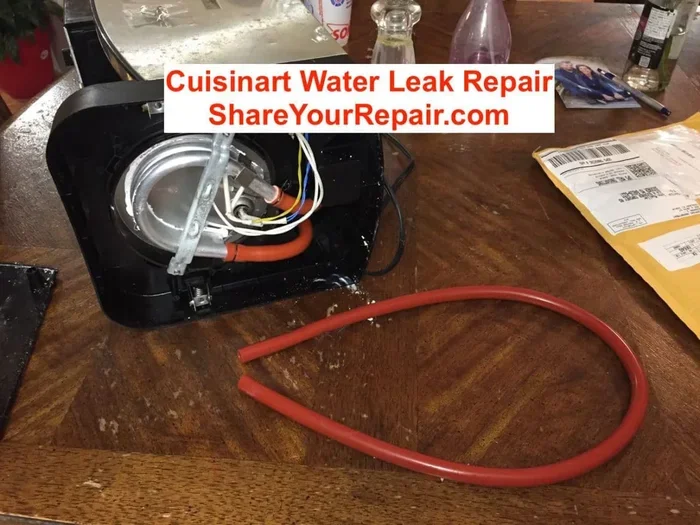
Call a professional if the leak is coming from inside the machine where you cannot access the internal components. If you see water dripping from electrical parts or the heating element area, do not try to fix it yourself. Water and electricity are a dangerous combination. A certified technician can safely diagnose and repair internal issues.
Consider replacing your coffee maker if it is more than five years old and the repair cost is high. Newer models are more energy efficient and often come with better seals and improved designs that resist leaking. If your machine has multiple leaks and several worn parts, it might be more cost-effective to invest in a new one.
Also, if you notice that your coffee maker is leaking even after you have replaced gaskets, cleaned the reservoir, and checked the carafe, there may be a deeper issue with the heating element or internal plumbing. In those cases, a professional assessment is the smart move.
Quick Tips to Remember
- Always fill the reservoir to the correct level — never past the max line.
- Clean your coffee maker with vinegar and water at least once a month.
- Check gaskets and seals every few months for wear and tear.
- Use filtered water to reduce mineral buildup inside the machine.
- Empty and dry the drip tray after every use.
- Replace the carafe immediately if you notice any cracks.
- Run a rinse cycle with plain water after every deep clean.
Common Mistakes That Cause Coffee Maker Leaks
Avoiding common mistakes can prevent most leaks before they start. Here are the top errors people make with their Cuisinart coffee makers.
Skipping regular cleaning. Mineral buildup is the number one cause of leaks over time. If you never descale your machine, buildup will eventually block channels and cause water to overflow.
Using the wrong carafe. Not all carafes fit every Cuisinart model. Using a carafe that does not match your machine can cause improper sealing and leaks. Always check the model number before ordering a replacement part.
Ignoring small drips. A small drip today can become a big leak tomorrow. If you notice even a tiny amount of water pooling, investigate it right away. Catching small problems early prevents bigger issues down the road.
Forcing parts together. If a component does not fit easily, do not force it. You might crack a plastic piece or damage a gasket. Take your time, check the alignment, and make sure everything is clean before reassembling.
Final Thoughts
A Cuisinart coffee maker leaking water is a problem you can almost always solve at home. The key is to find the source of the leak and apply the right fix. Whether it is a worn gasket, a cracked carafe, or simply overfilling the reservoir, each cause has a straightforward solution.
Regular maintenance is your best defense against future leaks. Clean your machine often, use filtered water, and replace small parts before they fail. These simple habits keep your coffee maker in great shape and your mornings running smoothly.
If you have tried all the fixes in this guide and the leak persists, it might be time to consult a professional or consider a replacement. But for most people, the tips above will stop the leak and get your coffee maker back to working perfectly. Enjoy your next cup of coffee — leak-free.
Frequently Asked Questions
Why Is My Cuisinart Coffee Maker Leaking From the Bottom?
A leak from the bottom is usually caused by a worn gasket, a cracked carafe, or a blocked drip tray. Check each of these parts first. Often, replacing a small rubber gasket or cleaning the drip tray solves the problem completely.
Can I Still Use My Cuisinart Coffee Maker if It Is Leaking?
It is not recommended. Using a leaking machine can cause water damage to your countertop or electrical components. It can also lead to inconsistent brewing. Fix the leak first before using the machine again.
How Often Should I Clean My Cuisinart Coffee Maker to Prevent Leaks?
You should clean your coffee maker at least once a month. A deeper descaling with vinegar and water every three to four months helps prevent mineral buildup that can cause leaks. Regular cleaning keeps all parts functioning properly.
What Parts of My Cuisinart Coffee Maker Are Most Likely to Leak?
The most common leak points are the water reservoir, gaskets and seals, the carafe, and the drip tray. These parts experience the most wear and tear and are the first to develop cracks or gaps that allow water to escape.
Is It Cheaper to Repair or Replace a Leaking Cuisinart Coffee Maker?
For most minor leaks, repair is much cheaper. Replacing a gasket or carafe costs just a few dollars. However, if the machine is old and has multiple issues, replacing it might be the more practical choice. Consider the age and overall condition of your machine.
Does Using Tap Water Cause My Coffee Maker to Leak More?
Tap water with high mineral content can accelerate buildup inside your machine. This buildup can block water channels and cause overflow leaks. Using filtered water reduces mineral deposits and helps prevent leaks caused by clogging.