How Long To Cook A Rib Roast In The Oven To Perfection
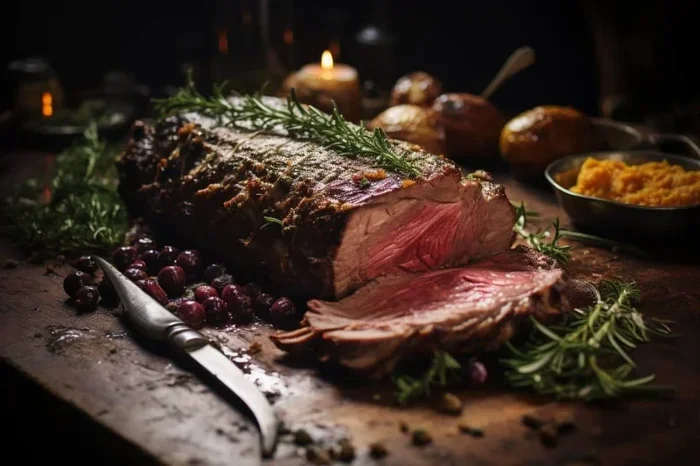
Learning how long to cook a rib roast in the oven is the key to a juicy, tender centerpiece for any special meal. A bone-in rib roast typically needs about 15 to 20 minutes per pound at 325°F, while a boneless roast cooks a bit faster. Using a meat thermometer and letting the roast rest properly makes all the difference between a dry roast and a perfect one.
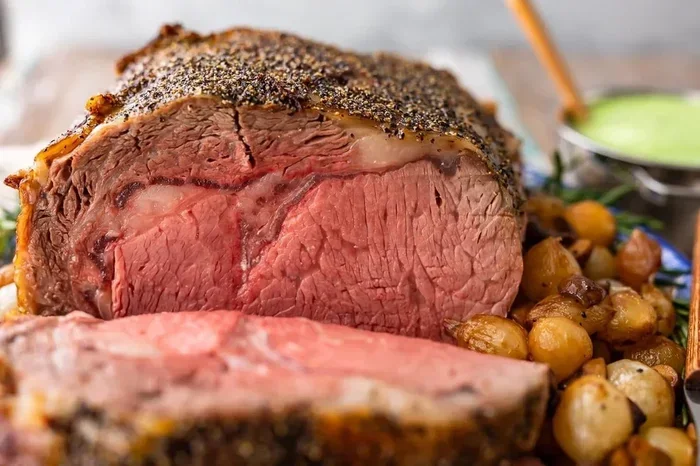
There is something truly special about a perfectly cooked rib roast sitting on the holiday table. The aroma fills the whole house, and the first slice reveals a beautiful pink center with juicy meat that practically melts in your mouth. But getting that result is not always easy. Many home cooks wonder how long to cook a rib roast in the oven and worry about drying it out.
The good news is that cooking a rib roast in the oven is simpler than most people think. You do not need fancy equipment or years of experience. With the right temperature, timing, and a little patience, you can serve a stunning rib roast that will have everyone asking for seconds. This guide walks you through every step of the process, from choosing the right cut to slicing and serving.
Key Takeaways
- Plan for 15 to 20 minutes per pound when cooking a bone-in rib roast at 325°F for the best results.
- Always use a meat thermometer to check the rib roast internal temperature and avoid overcooking.
- Let the roast rest for 20 to 30 minutes after cooking to allow the juices to redistribute.
- Sear the roast before oven cooking to lock in moisture and build a flavorful crust.
- Bone-in rib roasts stay juicier than boneless cuts because the bone insulates the meat.
- Account for carryover cooking where the temperature rises 5 to 10 degrees after removing from the oven.
- Season generously the night before for deeper flavor penetration and a more tender result.
📑 Table of Contents
Understanding Your Rib Roast
Before you turn on the oven, it helps to know what you are working with. A rib roast comes from the rib section of the cow, and it is one of the most popular cuts for special occasions. The two main types are bone-in and boneless, and each has its own cooking characteristics.
Bone-In vs. Boneless Rib Roast
A bone-in rib roast, often called a standing rib roast, includes the rib bones. The bone acts as a natural insulator, which means the meat around the bone cooks a bit slower. This helps keep the roast juicy. A boneless rib roast is easier to carve and often cooks a little faster because there is no bone slowing down the heat.
When deciding between the two, think about your guests and your comfort level. A bone-in roast is more impressive on the table and stays moist longer. A boneless roast is simpler to slice and serves more people per pound. Both make excellent oven-roasted rib roast dishes.
How Big Should Your Rib Roast Be?
Plan for about one pound of rib roast per person. If you are cooking for six people, look for a roast that weighs between six and seven pounds. Keep in mind that bone-in roasts have less edible meat per pound because the bones take up space. A boneless roast gives you more meat for your dollar.
How Long To Cook A Rib Roast In The Oven: Time and Temperature
This is the question that brings most people here. The answer depends on a few factors, including the size of your roast, whether it is bone-in or boneless, and how done you like your meat. But there are solid guidelines that work almost every time.
Rib Roast Cooking Time Per Pound
For a bone-in rib roast, plan on about 15 to 20 minutes per pound at 325°F. For a boneless rib roast, reduce that to about 12 to 15 minutes per pound at the same temperature. These times assume you start the roast at room temperature and use a moderate oven setting.
Here is a simple breakdown to help you plan:
- 3-pound roast: About 45 to 60 minutes total oven time.
- 5-pound roast: About 75 to 100 minutes total oven time.
- 7-pound roast: About 105 to 140 minutes total oven time.
- 10-pound roast: About 150 to 200 minutes total oven time.
These times are estimates. The real secret to knowing when your roast is done is the internal temperature, not the clock. Always rely on a meat thermometer for the most accurate results.
Oven Temperature for Rib Roast
325°F is the sweet spot for most rib roasts. It cooks the meat evenly without drying it out. Some recipes call for starting at a higher temperature, like 450°F, for the first 15 minutes to sear the outside. Then you drop the heat down to 325°F for the rest of the cooking time. This two-step method gives you a great crust and a tender interior.
Avoid cooking your rib roast at temperatures above 350°F for the full cook time. High heat can toughen the outer layers before the center is done. Low and slow is the way to go for the best results.
Comparison: Bone-In vs. Boneless Cooking Times
| Roast Type | Weight | Time Per Pound | Total Time (approx.) | Target Temp |
|---|---|---|---|---|
| Bone-In | 5 lbs | 15-20 min | 75-100 min | 130-135°F |
| Bone-In | 7 lbs | 15-20 min | 105-140 min | 130-135°F |
| Boneless | 5 lbs | 12-15 min | 60-75 min | 130-135°F |
| Boneless | 7 lbs | 12-15 min | 84-105 min | 130-135°F |
The target temperatures in the table above refer to the rib roast internal temperature before resting. Remember that the temperature will rise during the resting period, a phenomenon known as carryover cooking.
Preparing Your Rib Roast for the Oven
Proper preparation sets the stage for a great roast. Skipping this step is one of the most common mistakes home cooks make. Taking the time to prepare your roast correctly pays off big time in flavor and texture.
Rib Roast Seasoning
Keep your seasoning simple for the best results. Salt, black pepper, garlic powder, and a touch of fresh rosemary or thyme work wonders. Some cooks like to add onion powder or a smear of mustard powder for extra depth.
The best approach is to season the roast the night before. Rub the seasoning all over the meat, place it on a rack in a roasting pan, and leave it uncovered in the refrigerator overnight. This dry brine helps the seasoning penetrate deep into the meat and dries out the surface slightly, which leads to a better crust.
How to Sear a Rib Roast
Searing is an optional but highly recommended step. It creates a flavorful brown crust on the outside of the roast that adds depth to every bite. To sear, heat a little oil in a roasting pan on the stovetop over high heat. Place the roast in the pan and let it brown on all sides, about 2 to 3 minutes per side.
After searing, transfer the pan to the preheated oven and continue cooking. The sear locks in the juices and gives you that beautiful golden-brown color on the outside.
Common Mistakes: Skipping the Sear
Some people skip the sear to save time. While the roast will still cook fine without it, you lose a lot of flavor. The sear creates a Maillard reaction on the surface of the meat, which produces hundreds of new flavor compounds. It only takes a few extra minutes and makes a noticeable difference in the final result.
Step-by-Step Cooking Process
Now that your roast is seasoned and ready, it is time to cook it. Follow these steps for a perfectly cooked oven-baked rib roast every time.
Step 1: Preheat the Oven
Set your oven to 325°F and let it fully preheat. A properly preheated oven ensures even cooking from the start. If you are doing a sear first, start that on the stovetop while the oven comes up to temperature.
Step 2: Place the Roast in the Oven
Put the roast on a rack in a roasting pan with the fat side up. The rack allows hot air to circulate around the roast, which promotes even cooking. If you do not have a rack, you can place chopped vegetables like onions and carrots under the roast to lift it up.
Step 3: Insert a Meat Thermometer
This is the single most important tool for cooking a rib roast. Insert an oven-safe meat probe into the thickest part of the roast, making sure it does not touch the bone. A bone conducts heat differently than meat, and touching it will give you a false reading.
Check the temperature regularly. A digital probe thermometer with a timer alert is ideal because you can set it and forget it.
Step 4: Monitor the Temperature
For a medium-rare rib roast, pull it out when the internal temperature reaches 120 to 125°F. For medium, pull it at 130 to 135°F. For medium-well, pull it at 140 to 145°F. Remember, the temperature will rise 5 to 10 degrees during the resting period.
Step 5: Remove and Rest the Roast
Once the roast hits your target temperature, take it out of the oven. Tent it loosely with aluminum foil and let it rest. This resting period is not just a pause. It is a crucial part of the cooking process.
During resting, the rib roast juice redistributes throughout the meat. If you cut too soon, all those juices run out onto the cutting board instead of staying in the roast. The result is a drier, less flavorful piece of meat.
Resting and Serving Your Rib Roast
The resting period is where the magic happens. It is also where carryover cooking takes place. The roast continues to cook slowly even after you remove it from the oven because the residual heat works its way to the center.
Rib Roast Resting Time
Plan for a resting time of 20 to 30 minutes for a standard rib roast. A larger roast may need up to 40 minutes. During this time, the internal temperature will rise by 5 to 10 degrees. This is perfectly normal and exactly what you want.
Use a loose tent of foil rather than wrapping the roast tightly. A tight wrap traps too much steam and can soften the crust you worked so hard to build.
Making Rib Roast Juice
While the roast rests, use the drippings in the pan to make a simple gravy. Pour off the excess fat, leaving about a quarter cup of the rib roast juice. Add a cup of beef broth and scrape up any browned bits from the bottom of the pan. Simmer for a few minutes, thicken with a little cornstarch mixed with water, and season to taste.
This homemade gravy is so much better than anything from a packet. It captures all the concentrated flavor from the roast and pairs perfectly with every slice.
How to Carve a Rib Roast
Carving a rib roast is easier than it looks. For a bone-in roast, start by slicing along the bone to release each rib. Then slice the meat against the grain into thick pieces, about half an inch thick. For a boneless roast, simply slice against the grain at an angle for the most tender pieces.
Serve the slices on warm plates with the gravy on the side. Add your favorite sides like roasted potatoes, steamed green beans, or a fresh salad for a complete meal.
Common Mistakes to Avoid When Cooking a Rib Roast
Even experienced cooks can make mistakes with a rib roast. Here are the most common errors and how to avoid them.
Not Using a Meat Thermometer
This is the number one mistake. Relying on a timer or a fork test is not accurate enough. A meat thermometer takes the guesswork out of cooking and ensures your roast is perfectly done every time. Invest in a good digital probe thermometer. It is the best tool you can buy for oven-roasted rib roast cooking.
Cutting Into the Roast Too Early
Every time you poke the roast with a knife or fork to check it, you release valuable juices. Trust your thermometer and leave the roast alone. One quick read with the probe is all you need.
Cooking at Too High a Temperature
Some cooks crank the oven up to 400°F or higher to save time. This approach often results in a well-done outer layer with a raw center. Low and slow cooking at 325°F gives you even doneness from edge to edge.
Skipping the Resting Period
It can be tempting to slice into that beautiful roast the moment it comes out of the oven. Resist that urge. The resting period allows the juices to settle back into the meat. Cutting too early means losing all that moisture and flavor.
Not Accounting for Carryover Cooking
Many people pull their roast at exactly the target temperature and then wonder why it is overcooked after resting. Remember that the temperature will continue to rise. Pull the roast out early and let the resting period do the rest of the work.
Final Thoughts on Cooking the Perfect Rib Roast
Cooking a rib roast in the oven does not have to be intimidating. Once you understand the basics of time, temperature, and resting, you will feel confident every time you put a roast in the oven. The key is to plan ahead, use a meat thermometer, and resist the urge to rush the process.
Remember that every roast is a little different. The size, the shape, the starting temperature, and even the oven you use can all affect the cooking time. Use the guidelines in this article as your foundation, but always trust your thermometer above all else.
With practice, you will be able to judge a roast by feel and experience. But even on your first try, following these steps will give you a delicious, juicy rib roast that impresses everyone at the table. So go ahead, fire up that oven, and enjoy the process of creating something truly special.
The best part about a home-cooked rib roast is not just the result. It is the confidence you gain knowing you can pull off a show-stopping meal with your own hands. Once you master how long to cook a rib roast in the oven, you will never look back. Your family and guests will thank you, and you will feel proud every time you slice into that perfect roast.
Frequently Asked Questions
How long does it take to cook a rib roast at 325°F?
A bone-in rib roast takes about 15 to 20 minutes per pound at 325°F. A boneless roast cooks faster at about 12 to 15 minutes per pound. These times are approximate and depend on the size of your roast and your target doneness level.
What internal temperature should a rib roast reach?
For medium-rare, pull the roast at 120 to 125°F. It will rise to 130 to 135°F during resting. For medium, pull at 130 to 135°F. For medium-well, pull at 140 to 145°F. Always use a meat thermometer for accuracy.
Should I cover a rib roast with foil while cooking?
No, do not cover the roast during cooking. Leaving it uncovered allows the heat to circulate evenly and helps develop a nice crust. You can tent it with foil during the resting period to keep it warm.
Can I cook a frozen rib roast in the oven?
It is not recommended. A frozen roast cooks unevenly and takes much longer, increasing the risk of bacteria growth in the danger zone. Always thaw your rib roast in the refrigerator for 24 to 48 hours before cooking.
How do I know when the rib roast is done without a thermometer?
A meat thermometer is the most reliable method. However, you can also use the touch test. Press the center of the roast with your finger. A rare roast feels soft, medium-rare feels slightly firm with give, and well-done feels very firm. This method takes practice and is less accurate than a thermometer.
What is carryover cooking and why does it matter?
Carryover cooking is when the internal temperature of the roast continues to rise after removing it from the oven. This happens because the outer layers are hotter than the center and the heat gradually equalizes. It matters because you need to pull the roast out 5 to 10 degrees below your target temperature to account for this rise.