How To Descale A Senseo Coffee Maker In Minutes At Home
Descaling your Senseo coffee maker is quick, easy, and essential for great-tasting coffee. This guide shows you how to descale a Senseo coffee maker in minutes using vinegar, citric acid, or a commercial descaler. You will learn the step-by-step process, how often to descale, and common mistakes to avoid.
There is nothing worse than pulling a perfect cup of coffee only to taste something off. Your Senseo coffee maker works hard every day to deliver that hot cup of joy. But over time, mineral deposits build up inside the machine. This is called limescale. It affects how your machine heats water and how your coffee tastes. The good news is that how to descale a Senseo coffee maker is simple. You do not need expensive tools or technical skills. With just a few household items, you can have your machine running like new in minutes.
Many coffee lovers ignore descaling until their machine starts acting up. By then, the limescale has already done damage. Regular maintenance keeps your Senseo performing at its best. It also extends the life of your machine by years. In this guide, we will walk you through every step. You will learn what descaling is, why it matters, and the best methods to use at home. Whether you prefer vinegar, citric acid, or a store-bought descaler, we have you covered.
Let us get into it. By the end of this article, you will know exactly how to clean your Senseo machine and keep it in top shape. Your morning coffee will thank you.
Key Takeaways
- Descale regularly: Removing limescale every 1-3 months keeps your Senseo machine running smoothly and your coffee tasting fresh.
- Multiple options work: White vinegar, citric acid, and commercial descalers all effectively remove mineral build-up from your machine.
- Signs matter: Slower brewing, unusual noises, and changed coffee flavor are clear signals your machine needs descaling.
- Rinse thoroughly: Always run 2-3 full water cycles after descaling to remove any residue and prevent off-flavors.
- Prevent build-up: Using filtered water and cleaning your machine regularly reduces limescale and extends the life of your Senseo.
- It takes minutes: The entire descaling process is simple and can be done at home in under 15 minutes.
📑 Table of Contents
- Why Descaling Your Senseo Coffee Maker Matters
- What You Will Need To Descale A Senseo Coffee Maker
- Step-By-Step Guide To Descaling A Senseo Coffee Maker
- How Often Should You Descale Your Senseo Machine
- Descaling Methods Compared
- Common Mistakes To Avoid When Descaling
- Quick Tips For Keeping Your Senseo Coffee Maker Clean
- Final Thoughts
Why Descaling Your Senseo Coffee Maker Matters
Descaling is the process of removing mineral deposits from the inside of your coffee maker. These deposits come from hard water. When water heats up, minerals like calcium and magnesium settle on the heating element and inside the tubes. Over time, this mineral build-up becomes a thick layer of limescale. It blocks water flow and reduces heating efficiency.
Think of it like cholesterol in your arteries. It builds up slowly and restricts flow. Your Senseo machine has to work harder to push water through. This means slower brewing, uneven extraction, and worse coffee. In some cases, heavy limescale can even cause your machine to stop working altogether.
What Happens When You Skip Descaling
Skipping descaling leads to several problems. First, your coffee takes longer to brew. Second, the taste changes. You might notice a metallic or bitter flavor. Third, your machine uses more energy because it struggles to heat water. Over time, this can lead to permanent damage. The heating element overheats. The tubes clog. Repairs become costly. In many cases, it is cheaper to replace the machine than to fix it.
Regular coffee maker cleaning prevents all of this. It is one of the easiest maintenance tasks you can do. And it only takes a few minutes every couple of months.
How Limescale Affects Your Coffee Taste
Your Senseo coffee machine is designed to heat water to the perfect temperature. Limescale acts as an insulator on the heating element. This means the machine has to work harder and longer to reach the right temperature. The result is coffee that is either too hot, too cold, or just plain wrong. Descaling restores the proper heating balance. Your coffee tastes cleaner, smoother, and more flavorful after a good descale.
Many people do not realize that water hardness plays a big role in how fast limescale builds up. If you live in an area with hard water, you may need to descale more often. Soft water areas have less build-up but still need regular maintenance.
What You Will Need To Descale A Senseo Coffee Maker
Before you start, gather your supplies. The good news is that you probably already have most of these items in your kitchen. You do not need anything special or expensive.
- White vinegar or citric acid
- Fresh water
- A large container or mug
- A clean cloth or sponge
- A descaling solution (optional)
Commercial Descaling Solutions
You can buy a descaling solution from most stores. These are specifically designed for coffee machines. They work fast and are very effective. Many Senseo owners prefer them because there is no vinegar smell. Popular brands include Dezcal and Urnex Dezcal. These solutions are food-safe and rinse away cleanly. They are a great option if you want a no-fuss descaling experience.
Using a commercial product is similar to how you would decalcify a Keurig coffee maker. The process is nearly identical across most single-serve machines. You simply run the solution through the system and rinse thoroughly.
Natural Descaling Alternatives
If you prefer a natural approach, white vinegar and citric acid both work well. White vinegar is the most common household option. It is cheap and readily available. Citric acid is a bit more expensive but leaves no smell. Some people also use lemon juice, though it is less effective than pure citric acid.
For a natural descale, mix your chosen solution with water. The ratio depends on how dirty your machine is. We will cover the exact steps in the next section.
Step-By-Step Guide To Descaling A Senseo Coffee Maker
Now let us get to the heart of the matter. Here is the full process for how to descale a Senseo coffee maker at home. Follow these steps carefully and your machine will be clean and fresh in no time.
Step 1: Prepare Your Machine
Start by unplugging your Senseo machine. This is an important safety step. Remove the water reservoir and empty any remaining water. Take out the coffee pod holder and the drip tray. Wash these parts with warm soapy water and set them aside to dry. Wipe down the inside of the machine with a clean, damp cloth. This removes any loose coffee grounds or debris before you begin the descaling process.
Step 2: Mix Your Descaling Solution
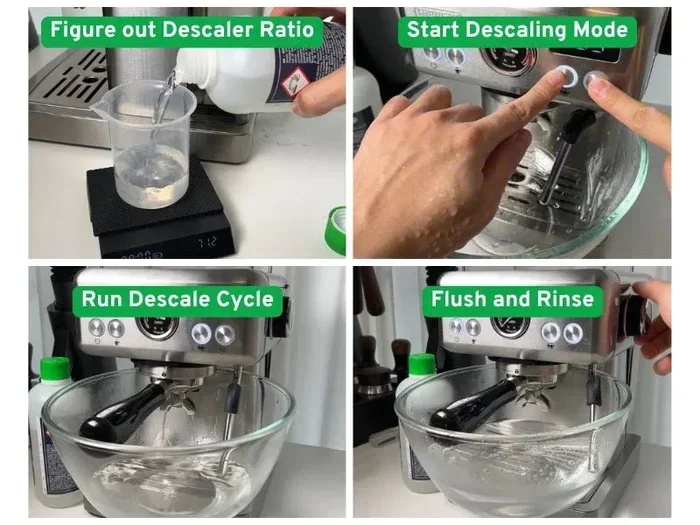
For white vinegar, mix equal parts vinegar and water. For example, use one cup of vinegar and one cup of water. If your machine has a larger reservoir, you can scale up the ratio. For citric acid, use one tablespoon of citric acid per cup of water. If you are using a commercial descaler, follow the instructions on the label. Most commercial products have specific ratios, so read the packaging carefully.
Step 3: Run The Descaling Cycle
Pour your descaling solution into the water reservoir. Place a large mug or container on the drip tray to catch the liquid. Plug the machine back in and turn it on. Start a brew cycle without inserting a coffee pod. Let the solution run through the machine. This may take several cycles depending on the size of your reservoir. Once the reservoir is empty, let the solution sit inside the machine for 15 to 30 minutes. This soaking time helps dissolve stubborn limescale deposits.
Step 4: Rinse Thoroughly
After the soaking period, empty the container and refill the reservoir with fresh water. Run 2 to 3 full brew cycles with plain water. This rinses out any remaining vinegar or descaler solution. Taste the water from each cycle. If you still smell or taste vinegar, keep rinsing. It is important to remove all traces of the descaling solution. Any residue left behind can affect the taste of your next pot of coffee.
Step 5: Clean The Exterior
While you are at it, wipe down the outside of your machine. Use a damp cloth to clean the surface. Pay attention to the steam nozzle if your model has one. You can use a pin or toothpick to clear any coffee grounds stuck in the nozzle. This small step goes a long way in keeping your machine in top condition.
Expert Insight
Many coffee experts recommend descaling your machine at the same time you clean other kitchen appliances. Just as you would clean a Whirlpool oven on a regular schedule, your coffee maker needs the same attention. Setting a recurring calendar reminder makes it easy to stay on track.
How Often Should You Descale Your Senseo Machine
The frequency of descaling depends on several factors. The most important is how often you use your machine. If you brew coffee every day, you should descale every 1 to 2 months. If you use your Senseo less frequently, every 3 months should be enough.
Water hardness is another key factor. People in hard water areas need to descale more often. Hard water contains more minerals that form limescale. You can check your local water hardness level online or with a test kit. If you are unsure, it is better to descale more often than less. It is very hard to over-descale a machine. But under-descaling can cause real problems.
Signs Your Senseo Needs Descaling Now
Watch for these warning signs. They tell you it is time to descale your machine:
- Brewing takes longer than usual
- Your coffee tastes bitter or metallic
- You hear gurgling or popping sounds during brewing
- The water flow seems weak or uneven
- Your machine shows a descale warning light
- The coffee is not as hot as it used to be
If you notice any of these signs, do not wait. Descaling right away prevents further build-up and keeps your coffee tasting great. Regular coffee machine maintenance is the best way to avoid these issues in the first place.
Descaling Methods Compared
There are three main methods for descaling a Senseo coffee maker. Each has its pros and cons. Here is a comparison to help you choose the best option for your needs.
| Method | Cost | Effectiveness | Smell | Best For |
|---|---|---|---|---|
| White Vinegar | Very Low | Good | Strong | Budget-friendly, natural cleaning |
| Citric Acid | Low | Very Good | No smell | Those who want no odor |
| Commercial Descaler | Moderate | Excellent | No smell | Heavy build-up, convenience |
White vinegar is the most popular choice because everyone has it at home. It works well for light to moderate limescale. Citric acid is a great alternative for those who do not like the vinegar smell. Commercial descalers are the most powerful option. They are ideal for machines that have not been descaled in a long time or for owners in very hard water areas.
No matter which method you choose, the process is the same. Mix, run, soak, and rinse. The key is to be consistent. Skipping descaling regularly causes more problems than any method can solve.
Quick Tips
- Always use cold water when mixing your descaling solution. Hot water can reduce the effectiveness of vinegar and citric acid.
- Never use bleach or abrasive cleaners on your Senseo machine. These can damage internal components.
- Run a test brew with just water before making coffee for guests. This ensures all descaler residue is gone.
- Keep a log of when you descale. This helps you track maintenance and stay consistent.
- For heavy limescale, let the solution soak for up to one hour before running the cycles.
Common Mistakes To Avoid When Descaling
Even though descaling is simple, people make mistakes. Here are the most common ones and how to avoid them.
Mistake 1: Not rinsing enough. This is the number one mistake. Many people run only one rinse cycle and call it done. Residual vinegar or descaler can ruin the taste of your coffee. Always run at least 2 to 3 full water cycles after descaling.
Mistake 2: Using the wrong solution. Never use harsh chemicals or abrasive cleaners. Bleach can damage the internal seals and tubing of your machine. Stick to vinegar, citric acid, or a coffee-safe descaler.
Mistake 3: Descaling too infrequently. Some owners wait until the machine breaks down. By then, the limescale may have caused permanent damage. Stick to a regular schedule and your machine will last much longer.
Mistake 4: Ignoring the water filter. If your Senseo model has a water filter, replace it regularly. A clogged filter does not prevent limescale but does affect water flow and taste. Think of it as part of your overall coffee maker maintenance routine.
Mistake 5: Using boiling water in the reservoir. Hot water can warp plastic parts and damage the reservoir. Always use room temperature or cold water when filling your machine.
Professional Perspective
Professional kitchen maintenance, like how you would clean a commercial convection oven, follows the same principle. Regular, gentle cleaning with the right products prevents big problems. The same applies to your Senseo coffee maker. A little prevention goes a long way.
Quick Tips For Keeping Your Senseo Coffee Maker Clean
Descaling is the deep clean. But daily and weekly habits also keep your machine in great shape. Here are some simple tips to follow between descaling sessions.
- Empty the drip tray daily. Standing water can harbor bacteria and mold. Empty it after each use.
- Wipe the steam nozzle after brewing. This prevents coffee residue from building up and clogging the nozzle.
- Use filtered water. Filtered water has fewer minerals. This slows down limescale build-up and means you descale less often.
- Run a water-only cycle weekly. This flushes out any remaining coffee oils and keeps the tubes clear.
- Clean the pod holder regularly. Remove it and rinse it under running water. Dry it before putting it back in.
These small habits take just a few minutes each day. But they add up to a big difference. Your coffee tastes better, your machine runs smoother, and you avoid costly repairs. Think of it as coffee maker descaling in a broader sense. It is not just about the chemical cleaning. It is about overall care and attention.
Just like knowing how to clean a Whirlpool oven keeps your kitchen running well, keeping your Senseo clean keeps your coffee routine enjoyable. Maintenance is the unsung hero of great coffee.
Final Thoughts
How to descale a Senseo coffee maker is one of the most important skills for any coffee lover. It is simple, fast, and incredibly effective. With just vinegar or citric acid and a few minutes of your time, you can restore your machine to peak performance. Your coffee will taste better, brew faster, and last longer.
Remember to descale every 1 to 3 months depending on your usage and water hardness. Watch for the warning signs that tell you it is time. And most importantly, make it a habit. Regular maintenance is the secret to great coffee every single morning.
Your Senseo machine works hard for you. Give it the care it deserves. A few minutes of descaling today saves you time, money, and disappointment tomorrow. Start your next descaling session with confidence. You have everything you need to get it done right.
Now that you know how to keep your machine in top shape, go ahead and enjoy that perfect cup of coffee. It tastes even better when you know your machine is clean and running at its best.
Frequently Asked Questions
Can I use lemon juice to descale my Senseo coffee maker?
Yes, you can use lemon juice as a natural descaling alternative. However, it is less concentrated than citric acid and may require more repetitions to remove heavy limescale. It works best for light maintenance and mild build-up rather than deep descaling.
How long does the descaling process take for a Senseo machine?
The entire process takes about 10 to 15 minutes of active work. The soaking period adds another 15 to 30 minutes. If you have heavy limescale, you may want to let the solution sit for up to an hour for best results. Overall, plan for about 30 to 45 minutes total.
Is it safe to use vinegar in my Senseo coffee maker?
Yes, white vinegar is safe and effective for descaling Senseo machines. It is a natural acid that dissolves mineral deposits without damaging the internal components. Just make sure to rinse thoroughly after using vinegar to remove any lingering taste or smell.
What happens if I do not descale my Senseo coffee maker?
Without regular descaling, limescale builds up inside the machine. This reduces water flow, slows brewing, and affects coffee taste. In severe cases, the heating element can overheat and fail. The machine may also show error messages or stop working entirely.
Can I use the same descaling solution for multiple cycles?
It is best to use fresh descaling solution for each cycle. Reusing the solution reduces its effectiveness because it has already absorbed minerals from the first pass. Fresh solution ensures the best limescale removal and a more thorough clean.
Do I need to buy a special descaler or is vinegar enough?
Vinegar and citric acid work just as well as commercial descalers for most users. Commercial products are more convenient and leave no smell, but they cost more. For routine maintenance, vinegar is a perfectly effective and budget-friendly option. Save the commercial descaler for heavy build-up or deep cleaning sessions.