How To Clean A Rusty Oven And Bring It Back To Life
Discover the best ways to clean a rusty oven and restore it to working condition. This guide covers simple homemade remedies, proven cleaning methods, and prevention tips to keep your oven rust-free. Whether your oven has surface rust or deep corrosion, you will find practical steps to bring it back to life.
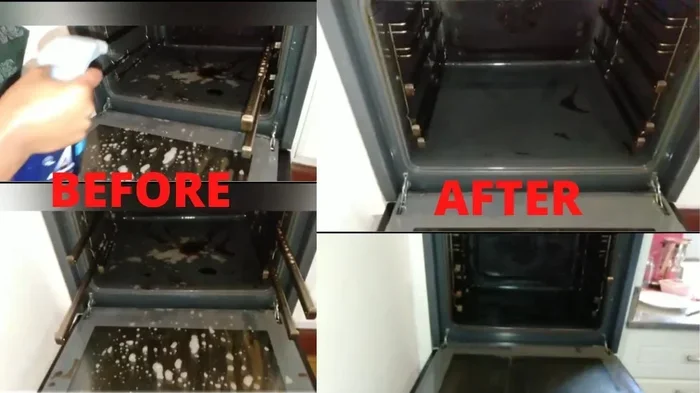
Your oven has been through a lot. Years of cooking, splatters, spills, and steam take a toll on even the sturdiest appliance. Over time, you may notice ugly brown spots forming inside. These are rust marks, and they can make your oven look and perform poorly. But here is the good news. You can learn how to clean a rusty oven and bring it back to life with simple tools and a little patience.
Rust is not just a cosmetic problem. Left untreated, it can affect your oven’s heating elements and even contaminate your food. Many people think a rusty oven means it is time to buy a new one. That is not always true. With the right approach, you can remove rust safely and restore your oven to working order. This guide walks you through every step of the process. You will learn why ovens rust in the first place, what supplies you need, and the best methods for removing rust. We also cover prevention tips to keep your oven rust-free for years to come.
Whether you have a gas oven or an electric one, the rust removal process is similar. You do not need expensive products or professional help. Most of what you need is already in your kitchen pantry. Let us dive in and explore the easiest and most effective ways to tackle oven rust.
Key Takeaways
- Rust forms when moisture meets metal: Understanding the cause helps you prevent it from returning after cleaning.
- Baking soda and vinegar are powerful allies: These household items work wonders for light to moderate oven rust.
- Step-by-step cleaning beats quick fixes: Taking your time ensures you remove rust thoroughly without damaging the oven.
- Prevention is easier than repair: Regular cleaning and protective liners keep rust from coming back.
- Not all rust is fixable: Deep corrosion may mean it is time to replace the oven entirely.
- Safety always comes first: Wear gloves and work in a ventilated area when using any cleaning agent.
- Consistency matters most: A monthly cleaning routine saves you from tough rust buildup later.
📑 Table of Contents
Why Ovens Get Rusty In The First Place
Understanding why rust forms helps you prevent it in the future. Rust is not random. It happens for specific reasons, and most of them are tied to how you use and care for your oven.
The Role Of Moisture
Moisture is the number one enemy of metal. Every time you cook, steam builds up inside your oven. This steam settles on metal surfaces, especially the walls and floor. Over weeks and months, that moisture breaks down the protective coating on your oven’s interior. Once that coating is gone, the metal starts to oxidize. Oxidation is the chemical reaction that creates rust. The more moisture your oven is exposed to, the faster rust develops.
Cooking foods with high water content makes this worse. Think about boiling pasta or steaming vegetables. The steam released during cooking finds its way into every corner of your oven. If you do not wipe it down after cooking, it sits on the metal and causes damage over time.
Heat And Wear Over Time
Heat also plays a role. The constant heating and cooling cycles your oven goes through can cause the metal to expand and contract. This repeated movement weakens the surface. Small cracks and chips form in the enamel or coating. Once those tiny openings appear, moisture seeps in and starts the rusting process from the inside out.
Age is another factor. Older ovens naturally have more wear and tear on their interior surfaces. If you have been using the same oven for ten or more years, some surface rust is almost inevitable. The good news is that surface rust is much easier to deal with than deep rust that has eaten through the metal.
Food Spills And Acidic Residue
Spilled food contributes to rust too. Sauces, juices, and acidic foods like tomatoes and citrus can eat away at the oven’s protective layer. When you spill something and do not clean it right away, the acids in the food start to break down the metal surface. Over time, this creates the perfect conditions for rust to form.
What You Will Need To Clean Rust From Your Oven
Before you start, gather everything you need. Having all your supplies ready makes the process smoother and faster. You do not want to stop in the middle of scrubbing to find a missing tool.
Essential Cleaning Supplies
Here is a list of the basics you will need for how to clean a rusty oven effectively:
- Baking soda – This is your go-to natural cleaner. It is gentle but effective at breaking down rust.
- White vinegar – Vinegar adds natural acidity that helps dissolve rust on contact.
- Dish soap – A mild dish soap cuts through grease and food residue.
- Water – You will need warm water for mixing solutions and rinsing.
- Spray bottle – Useful for applying vinegar or water-based solutions evenly.
- Scrub brush or old toothbrush – A stiff brush helps you reach tight corners and scrub away rust.
- Microfiber cloths – These are great for wiping down surfaces without leaving lint behind.
- Rubber gloves – Protect your hands from harsh cleaners and rust particles.
Optional But Helpful Items
Some extra supplies can make the job even easier:
- Steel wool or fine-grit sandpaper – These are useful for stubborn rust spots that do not come off with cleaning solutions alone.
- Lemon juice – The natural acid in lemons adds extra rust-fighting power.
- Oven-safe liner mats – These protect the oven floor from future spills and moisture.
- Rust converter solution – For severe rust, a rust converter chemically changes rust into a stable, paintable surface.
Safety Gear You Should Wear
Safety should always come first when cleaning a rusty oven. Rust particles can irritate your skin and lungs. Wear rubber gloves throughout the entire process. If you are using a rust converter or strong chemical cleaner, work in a well-ventilated area. Open a window or turn on the exhaust fan. Avoid touching your face while cleaning. If you use steel wool or sandpaper, wear safety goggles to protect your eyes from flying particles.
Step By Step How To Clean A Rusty Oven
Now that you have your supplies ready, it is time to get to work. Follow these steps carefully for the best results. This method works for both light surface rust and moderate rust buildup.
Step 1: Remove The Oven Racks
Start by taking out the oven racks. These are often the most rusted parts because they sit directly on the oven floor and absorb the most moisture. Remove them carefully and set them aside. You will clean the racks separately, so they do not get in your way while you work on the oven interior.
Place the racks in a bathtub or large sink if possible. Cleaning them in a separate area gives you more space and makes the process easier.
Step 2: Apply Your Cleaning Solution
For light to moderate rust, a baking soda paste works incredibly well. Mix three parts baking soda with one part water to create a thick paste. Spread the paste generously over all the rusted areas inside your oven. Make sure you cover every spot where you see rust forming.
If you are dealing with stubborn rust, try a vinegar and baking soda combination. Spray white vinegar directly onto the baking soda paste. The fizzing reaction helps lift rust from the metal surface. Let the paste sit for at least thirty minutes. For heavy rust, leave it on for several hours or even overnight.
Step 3: Scrub Away The Rust
After letting the cleaning solution do its work, it is time to scrub. Use a stiff brush or an old toothbrush to work the paste into the rusted areas. Apply firm pressure but be careful not to scratch the oven’s interior coating too deeply. Focus on the worst rust spots first.
For areas where the paste is not enough, make a solution of equal parts vinegar and water in your spray bottle. Spray it on the rust and let it sit for fifteen minutes before scrubbing again. The acid in the vinegar helps dissolve the rust naturally.
If you are still seeing rust after scrubbing, try using steel wool or fine-grit sandpaper on those spots. Work in small circles and be patient. This method takes more effort, but it removes rust that softer methods cannot touch.
Step 4: Rinse And Dry Thoroughly
Once you have scrubbed away all the visible rust, rinse the oven interior thoroughly. Use a clean cloth or sponge dampened with warm water. Wipe away all traces of the baking soda paste and vinegar solution. Repeat this rinsing process several times to make sure no residue remains.
Drying is just as important as rinsing. Moisture left behind will start the rust cycle all over again. Use a dry microfiber cloth to wipe down every surface inside the oven. You can also turn the oven on to a low temperature for about fifteen minutes to evaporate any remaining moisture. Let it cool completely before putting the racks back in.
Step 5: Clean The Oven Racks
Now go back to the racks you set aside. Soak them in a solution of warm water and dish soap for at least twenty minutes. Scrub away rust using the same baking soda paste method. For heavily rusted racks, soak them in a mixture of vinegar and water overnight before scrubbing. Rinse them well and dry them completely before placing them back in the oven.
Natural And Homemade Remedies For Rust Removal
Chemical cleaners are not the only option. Many household items are surprisingly effective at removing oven rust. These natural methods are safer for your home and better for the environment.
Baking Soda Paste Method
Baking soda is one of the most versatile cleaning products you can own. For oven rust, make a thick paste using baking soda and water. Apply it to the rusted areas and let it sit for at least one hour. The paste works by gently breaking down the rust on a molecular level. After soaking, scrub with a brush and rinse clean. This method is perfect for regular maintenance and light rust removal.
Vinegar And Lemon Solution
Vinegar and lemon both contain natural acids that dissolve rust effectively. Mix equal parts white vinegar and water in a spray bottle. Add the juice of one lemon for extra cleaning power. Spray the solution onto rusted areas and let it sit for twenty to thirty minutes. The acid works to loosen the rust, making it much easier to scrub away. This method is especially good for surface-level rust spots.
Potato And Dish Soap Trick
This sounds unusual, but it works. Cut a potato in half and dip the cut side in dish soap. Rub the soapy potato directly onto the rusted areas. The oxalic acid in the potato reacts with the rust and breaks it down. This method is gentle enough for delicate oven surfaces and works well for small rust spots. Rinse thoroughly after using this technique.
Preventing Rust From Coming Back
Cleaning rust off your oven is only half the battle. The other half is preventing it from returning. A little prevention goes a long way in keeping your oven in great shape.
Regular Cleaning Habits
Make it a habit to wipe down your oven after every use. When you finish cooking, let the oven cool slightly and wipe up any spills or steam with a damp cloth. This simple habit removes moisture before it has a chance to cause rust. A quick five-minute wipe-down after cooking can save you hours of rust removal later.
Set a reminder to do a deeper oven cleaning once a month. During these sessions, check for any early signs of rust. Catching rust early makes it much easier to remove. A small spot of rust today can become a major problem in just a few weeks if left untreated.
Protective Coatings And Liners
Consider using oven-safe liner mats on the oven floor. These mats catch spills and prevent food and moisture from sitting directly on the metal surface. They are inexpensive and easy to clean. Just remove them and wash them regularly.
For extra protection, you can apply a thin layer of food-safe oven paint to the interior surfaces. This creates a barrier between the metal and moisture. Make sure the paint you use is rated for oven use and is safe at high temperatures. Apply it after you have fully cleaned and dried the oven interior.
Proper Ventilation Matters
Good ventilation reduces the amount of moisture that stays inside your oven. Always use your oven’s exhaust fan when cooking, especially when boiling or steaming foods. If your kitchen lacks proper ventilation, consider running a portable fan during and after cooking. Less moisture in the air means less moisture inside your oven.
When To Replace Instead Of Repair
Not every rusty oven can be saved. Sometimes rust damage is too extensive for cleaning to be a practical solution. Knowing when to replace your oven saves you time, money, and frustration.
Signs Your Oven Is Beyond Saving
Look for these warning signs that your oven may need to be replaced:
- Holes or deep pits in the oven walls or floor where rust has eaten through the metal.
- Rust on heating elements that affects the oven’s ability to heat evenly.
- Rust that keeps coming back no matter how often you clean it, indicating the metal is too damaged.
- Structural weakness where the oven door does not close properly due to rust warping the frame.
- Rust flakes falling into food while cooking, which is a health and safety concern.
If you notice any of these signs, it is time to invest in a new oven. Continuing to use a severely rusted oven can affect your food quality and even pose health risks.
Choosing A New Oven
When shopping for a replacement, look for ovens with enamel-coated interiors. These coatings resist moisture and are much less prone to rust than bare metal. Stainless steel ovens are also a great option, though they can still develop surface rust if not properly maintained. Read reviews and choose a brand known for durability and quality construction.
Final Thoughts On How To Clean A Rusty Oven
Cleaning a rusty oven does not have to be a daunting task. With the right supplies, a little patience, and the methods outlined in this guide, you can remove rust effectively and bring your oven back to life. Whether you prefer natural remedies like baking soda and vinegar or need the extra power of steel wool for tough spots, there is a solution that works for you.
The key to success is consistency. Clean your oven regularly, address rust spots early, and take preventive steps to keep moisture at bay. These habits will extend the life of your oven and keep it performing at its best. Remember, a clean oven cooks better and lasts longer. Take the time to care for your appliance, and it will serve you well for many more years to come.
Now that you know how to clean a rusty oven, you have everything you need to get started. Roll up your sleeves, gather your supplies, and give your oven the care it deserves. You will be amazed at the difference a good cleaning makes.
Frequently Asked Questions
Can I use oven cleaner spray to remove rust?
Yes, commercial oven cleaners can help with rust removal. However, they are harsher than natural alternatives like baking soda and vinegar. Always follow the product instructions carefully and work in a ventilated area. For light rust, natural methods are often just as effective and safer for your health.
How long does it take to clean rust from an oven?
The time depends on how severe the rust is. For light surface rust, you can expect to spend about thirty to sixty minutes. Heavy rust that requires soaking and multiple scrubbing sessions may take several hours or even a full day. Breaking the job into smaller sessions can make it more manageable.
Is it safe to cook in an oven after removing rust?
Yes, as long as you have thoroughly cleaned and rinsed the oven after rust removal. Make sure all cleaning residues are gone before using the oven again. Wipe down the interior with a damp cloth and dry it completely. If the rust was deep and you used chemical products, consider running the oven at a high temperature for fifteen minutes to ensure it is fully clean.
Will rust come back after I clean it?
Rust can return if you do not take preventive measures. Moisture is the main cause of rust, so keeping your oven dry is essential. Regular cleaning, using oven liners, and wiping up spills promptly all help prevent rust from forming again. A little maintenance goes a long way in keeping your oven rust-free.
Can I use steel wool on a non-stick oven interior?
It is best to avoid steel wool on non-stick surfaces. The abrasive material can scratch and damage the non-stick coating. Stick to softer brushes, microfiber cloths, and gentle cleaning solutions like baking soda paste for non-stick ovens. If rust persists on a non-stick surface, consider using a rust converter solution that chemically treats the rust without physical abrasion.
What is the best homemade oven cleaner for rust?
A baking soda and vinegar paste is widely considered the best homemade oven cleaner for rust. The baking soda provides gentle abrasion while the vinegar adds natural acid to dissolve rust. This combination is effective, affordable, and safe to use around food. It is the perfect starting point for anyone looking for a natural way to clean a rusty oven.
=== CONCLUSION ===
Learning how to clean a rusty oven is one of the most useful skills you can have as a home cook. Rust may seem like a permanent problem, but with the right approach, it is entirely manageable. You now have the knowledge to tackle surface rust, moderate buildup, and even prevent rust from forming in the future. Use natural remedies like baking soda, vinegar, and lemon for everyday cleaning, and reserve stronger methods like steel wool for the toughest spots. Most importantly, make oven maintenance a regular habit. A few minutes of care after each cooking session can save you hours of heavy-duty rust removal down the road. Your oven works hard for you every day. Give it the attention it deserves, and it will continue to serve you well for years to come.